

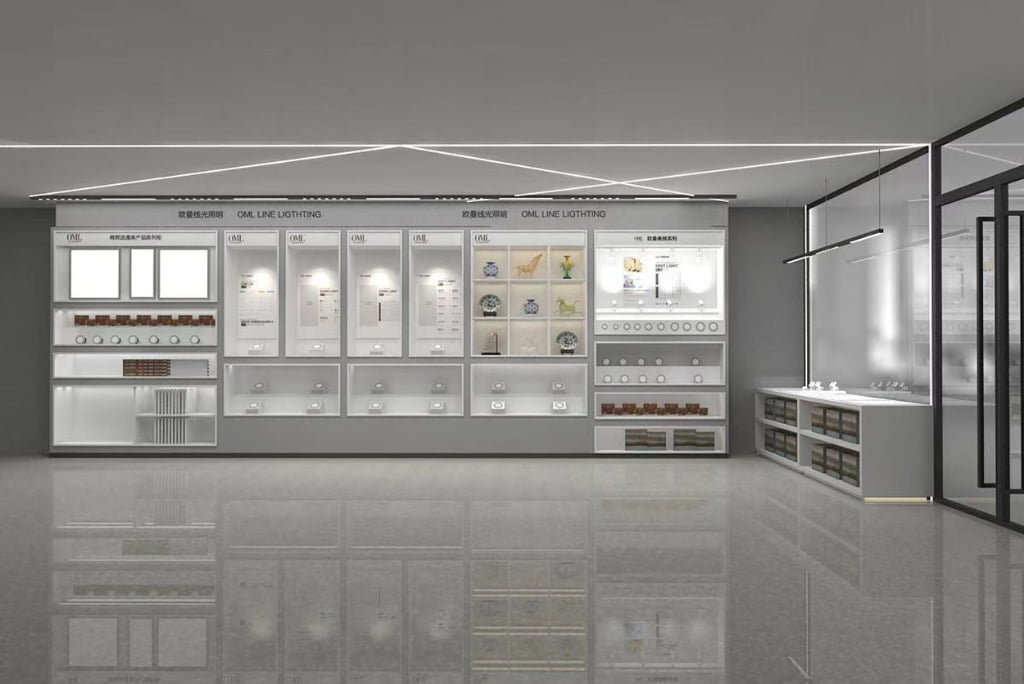
I used to think all LED strips were the same. Then I sent a sample to a Swiss customer and discovered something amazing.
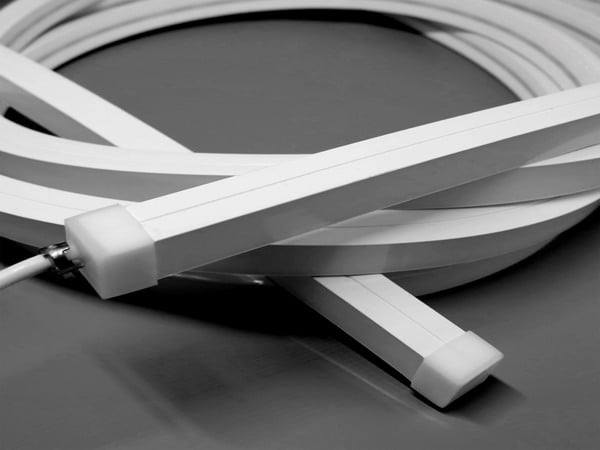
Flexible silicone neon-like LED strips1 offer uniform light distribution2, waterproof protection3, and heat dissipation4 that regular LED strips cannot match. Unlike bare PCB strips5, they provide architectural-grade lighting6 with smooth, eye-friendly illumination perfect for commercial and decorative applications7.

This discovery changed how I think about LED lighting solutions. Let me share what I learned from years of manufacturing these products and why this difference matters for your projects.
Why Do Regular LED Strips Fall Short for Professional Applications?
Regular LED strips seemed like the obvious choice for most lighting projects. Then I started getting complaints from customers.
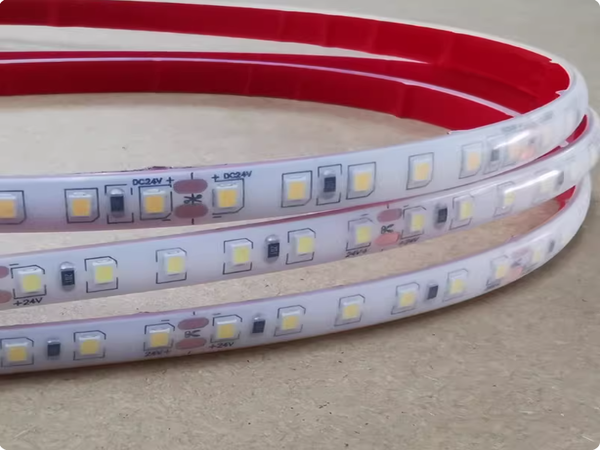
Regular LED strips are bare PCB boards without protection. They create hot spots8, uneven lighting, and lack waterproofing. This makes them unsuitable for architectural lighting, commercial signage, and outdoor applications where durability matters.
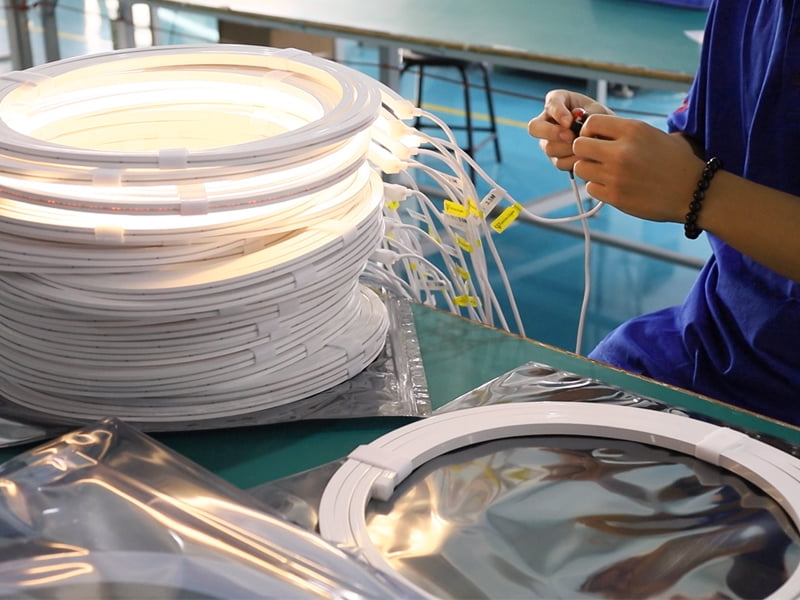
The problems with regular LED strips run deeper than most people realize. First, they generate significant heat. I've seen installations where the strips became so hot they damaged the mounting surface. The bare PCB design means there's no heat dissipation4 mechanism.
Second, the light distribution is terrible. You can see individual LED points, creating a dotted effect instead of smooth illumination. This ruins the aesthetic for architectural lighting and commercial signage. My customers in the advertising industry hate this look.
Third, there's zero protection against moisture, dust, or physical damage. One small scratch or water drop can destroy the entire strip. For outdoor applications or humid environments, this is a deal-breaker.
| Problem | Impact | Solution |
|---|---|---|
| Heat Generation | Surface damage, reduced lifespan | Silicone heat dissipation4 |
| Uneven Light | Poor aesthetics, visible dots | Uniform light diffusion |
| No Protection | Water damage, dust ingress | IP67-rated silicone housing9 |
| Fragile PCB | Easy damage, frequent replacement | Flexible silicone protection |
How Does Silicone Housing Transform LED Strip Performance?
The moment I switched to silicone housing, everything changed. My Swiss customer's reaction proved this point perfectly.
Silicone housing provides uniform light diffusion, excellent heat dissipation4, and IP67 waterproof protection3. The imported silicone material creates smooth, continuous lighting that eliminates hot spots8 and extends LED lifespan significantly.
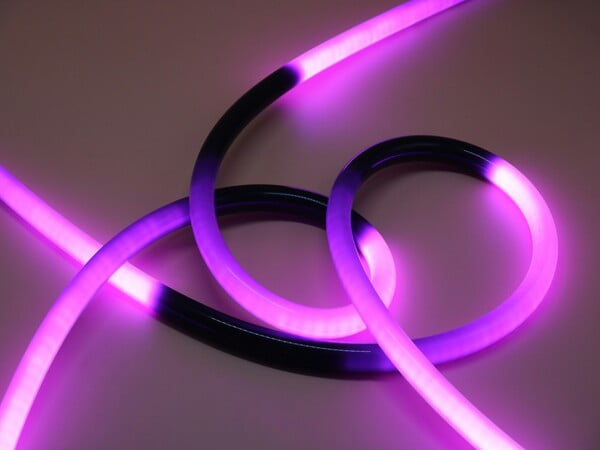
The silicone housing works like magic for light distribution. Instead of seeing individual LED points, you get a continuous line of smooth light. This happens because the silicone acts as a diffuser, spreading light evenly across the entire surface.
Heat management is another game-changer. Silicone conducts heat away from the LEDs much better than air. This keeps the LEDs cooler, which means they last longer and maintain consistent color temperature10. I've tested strips running for months without any performance degradation.
The waterproof protection3 opens up countless applications. My customers use these strips in swimming pools, outdoor building outlines, and even marine environments. The IP67 rating means complete dust protection and water resistance up to 1 meter depth.
Flexibility is crucial for installation. Unlike rigid LED strips that crack under stress, silicone strips bend smoothly around corners and curves. This makes them perfect for architectural features, curved signage, and complex decorative patterns.
| Feature | Regular LED Strip | Silicone Neon Strip |
|---|---|---|
| Light Distribution | Dotted, uneven | Smooth, continuous |
| Heat Management | Poor, overheating | Excellent dissipation |
| Water Protection | None (IP20) | Full protection (IP67) |
| Flexibility | Limited, breaks easily | High flexibility, durable |
| Installation | Difficult curves | Easy complex shapes |
What Applications Benefit Most from Silicone Neon Strips?
My customers use these strips in ways that surprised me. The versatility goes far beyond basic lighting.
Architectural lighting, commercial signage, landscape decoration11, interior design12, and building outline lighting13 benefit most from silicone neon strips. The uniform light output and weather resistance make them ideal for professional installations requiring long-term reliability14.
Architectural lighting represents the biggest opportunity. Lighting designers love how these strips highlight building features without creating harsh shadows or bright spots. The smooth light flow follows architectural lines perfectly, creating elegant illumination that enhances rather than overwhelms the design.
Commercial signage applications have grown dramatically. Advertising companies choose these strips because they create professional-looking signs that remain consistent over time. The even light distribution ensures letters and logos look crisp and readable from all angles.
Landscape lighting opens up creative possibilities. These strips work beautifully for pathway lighting, garden accents, and water feature illumination. The waterproof design means they handle rain, sprinklers, and humidity without problems.
Interior decoration applications continue expanding. Hotels use them for mood lighting, restaurants create ambient atmospheres, and retail stores highlight product displays. The eye-friendly light doesn't cause glare or fatigue, making spaces more comfortable.
Building outline lighting creates stunning visual effects. The strips follow rooflines, window frames, and architectural details perfectly. At night, buildings transform into illuminated sculptures that attract attention and create memorable impressions.
| Application Type | Key Benefits | Common Uses |
|---|---|---|
| Architectural | Smooth lines, no hot spots8 | Building facades, columns |
| Commercial | Professional appearance | Signs, logos, displays |
| Landscape | Weather resistance | Pathways, water features |
| Interior | Comfortable lighting | Hotels, restaurants, retail |
| Outline | Perfect curves | Rooflines, window frames |
How Do You Choose the Right Specifications for Your Project?
Choosing specifications seemed overwhelming until I developed this systematic approach. Now my customers get exactly what they need.
Consider voltage requirements, color temperature10, IP rating, cutting intervals15, and installation environment. Match these specifications to your specific application needs, power limitations, and environmental conditions for optimal performance and longevity.
Voltage selection affects everything else in your system. Low voltage (12V/24V) strips are safer for indoor use and easier to control. High voltage options work better for long runs where voltage drop becomes an issue. I always recommend 24V for runs longer than 5 meters.
Color temperature impacts the mood and functionality of your space. Warm white (2700K-3000K) creates cozy, residential atmospheres. Cool white (5000K-6500K) works better for commercial and task lighting. RGB options16 provide maximum flexibility but require more complex controllers.
IP rating determines where you can safely install the strips. IP65 handles light moisture and dust. IP67 survives submersion and harsh weather. IP68 works for permanent underwater installations. Don't compromise on protection level for your environment.
Cutting intervals affect installation flexibility. Shorter intervals (every 25mm) allow precise fitting around complex shapes. Longer intervals (every 100mm) may limit design options but often cost less. Consider your specific layout requirements carefully.
Installation accessories matter more than most people realize. Quality mounting channels, end caps, and connectors prevent failures and extend lifespan. Cheap accessories often cause expensive problems later.
| Specification | Indoor Use | Outdoor Use | Underwater Use |
|---|---|---|---|
| Voltage | 12V/24V | 24V preferred | 24V only |
| IP Rating | IP65 minimum | IP67 required | IP68 required |
| Color Temp | 2700K-4000K | 4000K-5000K | Any suitable |
| Cutting | 25-50mm | 50-100mm | 100mm typical |
| Accessories | Basic mounting | Weather-sealed | Marine-grade |
Conclusion
Flexible silicone neon-like LED strips1 outperform regular LED strips through superior light distribution, heat management, and environmental protection, making them essential for professional lighting applications.
Explore the advantages of these LED strips for uniform light and durability. ↩
Learn how uniform light distribution enhances aesthetics and functionality in lighting. ↩
Discover why waterproof protection is crucial for outdoor and humid environments. ↩
Understand the role of heat dissipation in extending LED lifespan and performance. ↩
Learn about the limitations of bare PCB strips compared to silicone options. ↩
Find out how architectural-grade lighting elevates design and functionality. ↩
Explore various applications where LED strips shine in commercial and decorative uses. ↩
Discover the causes of hot spots and how to achieve even lighting. ↩
Understand the significance of IP67 ratings for durability and protection. ↩
Understand the impact of color temperature on mood and functionality. ↩
Explore creative ways to use LED strips in landscape lighting. ↩
Discover how LED strips enhance interior spaces with ambient lighting. ↩
Learn how building outline lighting creates stunning visual effects. ↩
Discover how silicone neon strips provide durability and consistent performance. ↩
Find out how cutting intervals affect installation flexibility and design. ↩
Learn about the flexibility and creative possibilities of RGB LED strips. ↩