
Latest Articles
Insights and updates from our team on LED lighting solutions and industry trends.
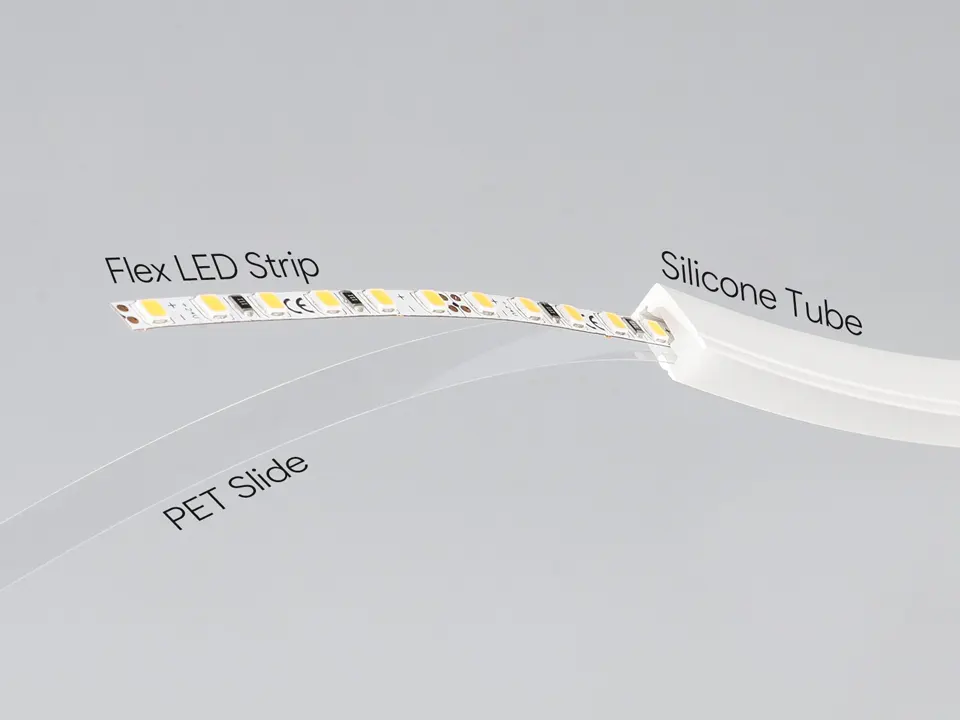
What Is LED Neon Flex and How Does It Work?
LED Neon Flex is becoming a popular choice for modern lighting solutions. But what exactly is it and how does it function? LED Neon Flex is a flexible LED lighting solution that mimics the appearance of traditional neon lights, but with added benefits.1 Unlike traditional glass neon tubes, it consists of SMD LED strips encapsulated […]
Read More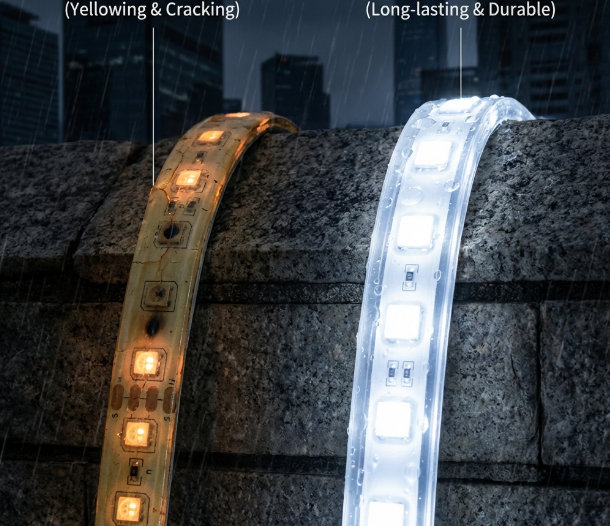
PU vs Silicone LED Neon Flex Lights: Which Is Better?
There is a growing debate among lighting professionals about the best materials for LED neon flex lights. Understanding the differences can help you make an informed choice. PU lights are less durable and tend to yellow over time1, especially when exposed to UV light and heat. Silicone, on the other hand, offers superior UV resistance […]
Read More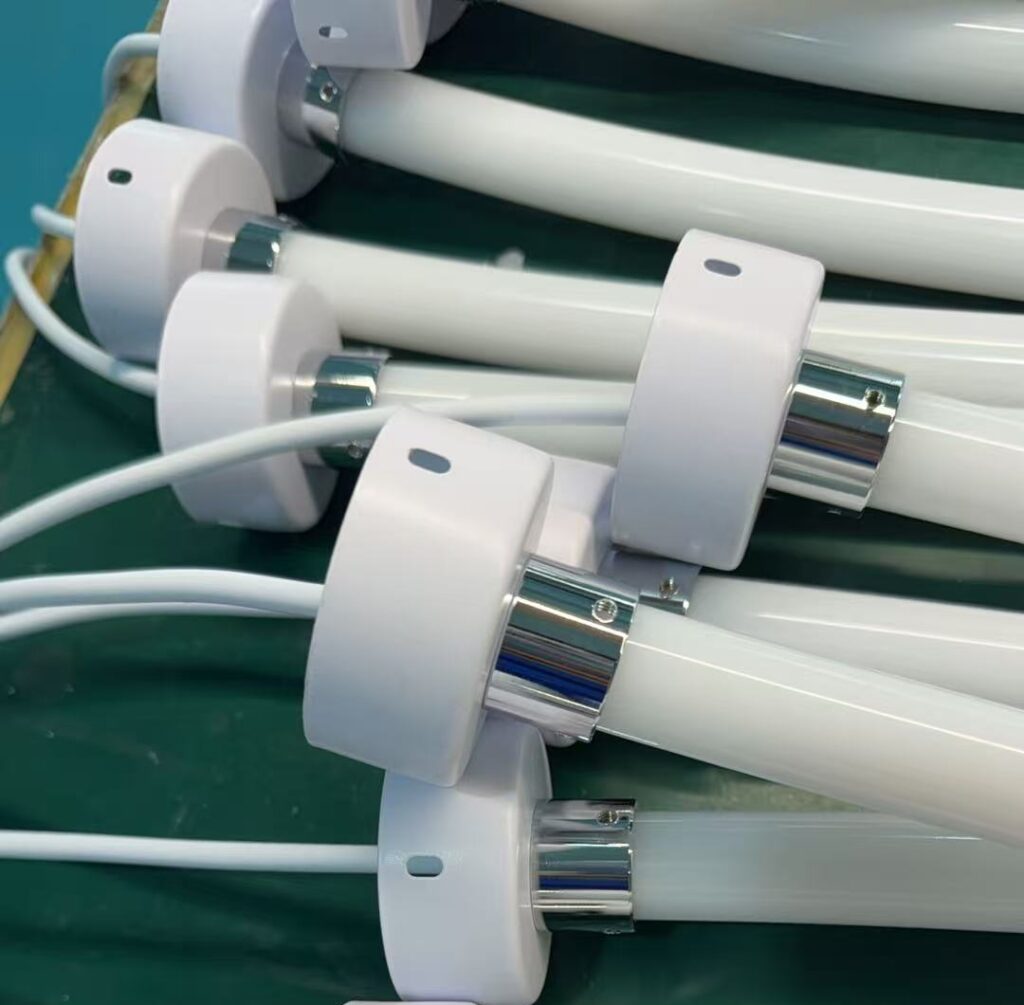
Does these diffusers make the strip waterproof?
The right diffuser can be the difference between a long-lasting lighting solution and a failed installation. Silicone diffusers can enhance the waterproof capabilities of LED strips when paired with proper components. To achieve this, you need end caps, specialized silicone sealants, and waterproof outlet terminals. When considering waterproofing, it’s not just about the diffuser. It’s […]
Read More
LED Strip Lights Specification Sheets: Are Yours Actually Protecting Your Project?
LED strip lights specification sheets look straightforward — a list of technical parameters that tells you what you're buying. But on large commercial and architectural lighting projects, an incomplete or poorly defined specification sheet doesn't just create confusion. It creates a risk chain that can run from design selection all the way through to a […]
Read More
Custom LED Neon Flex Signs: Are You Specifying Them Correctly for Outdoor Projects?
Specifying custom LED neon flex signs for an outdoor project looks straightforward — until the installation fails and nobody can agree on who is responsible. Most procurement teams focus on visual output and price, while the real risk quietly builds inside the specification document. Get the definition right early, and you avoid the most expensive […]
Read More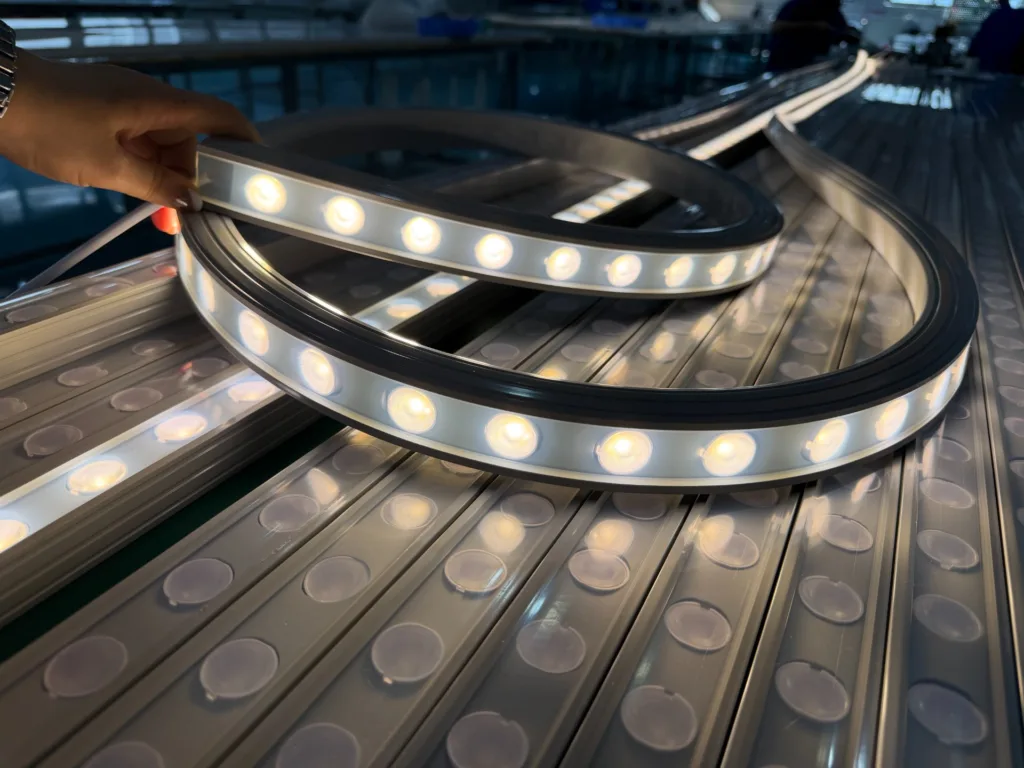
Outdoor LED Lighting: Why Outdoor Projects Fail Before Installation Even Begins
Outdoor LED lighting projects look straightforward on paper — buy the right fixtures, install them outside, and you're done. But in large-scale architectural facades, commercial complexes, hotels, landscape installations, and international engineering projects, the failures rarely come from the lighting itself. They come from a single, systematic mistake made weeks or months before the first […]
Read More
Commercial-Quality LED Neon Lights: How to Define, Specify, and Verify Them Before Mass Production?
Commercial-quality LED neon lights sound like a clear product requirement. But in real project environments, that phrase breaks down fast. Different stakeholders interpret it differently, suppliers pitch products under the same label, and procurement teams approve samples without ever establishing a shared standard — until the installation reveals the gap. "Commercial-quality LED neon lights" is […]
Read More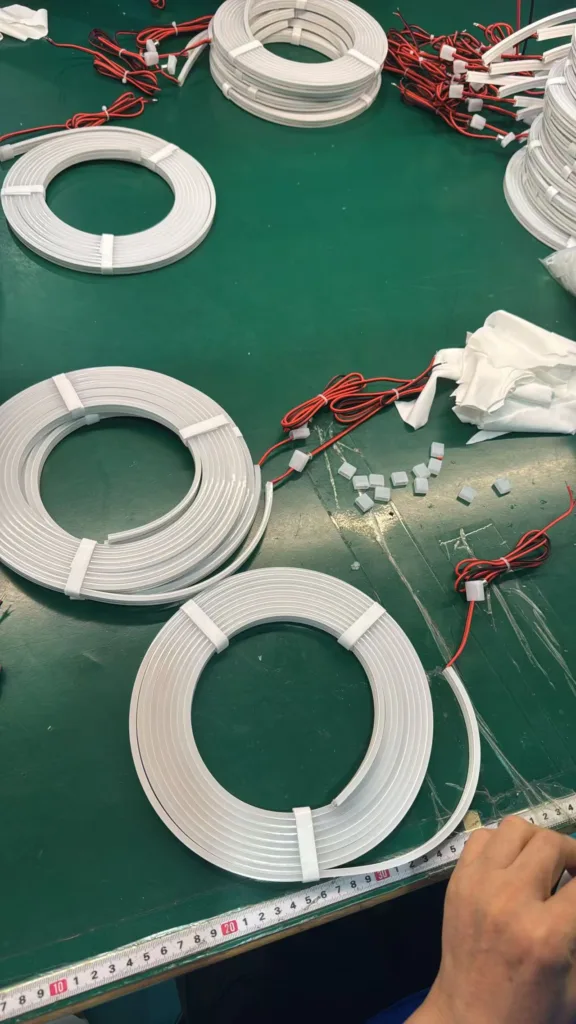
How to Identify the Type of LED Strip?
Identifying the type of LED strip sounds simple — until you're 2,400 meters into a commercial installation and realize the product doesn't match the design. LED strip misidentification is one of the most common causes of project rework, procurement disputes, and verification failures in large lighting projects. This guide shows you how to get it […]
Read More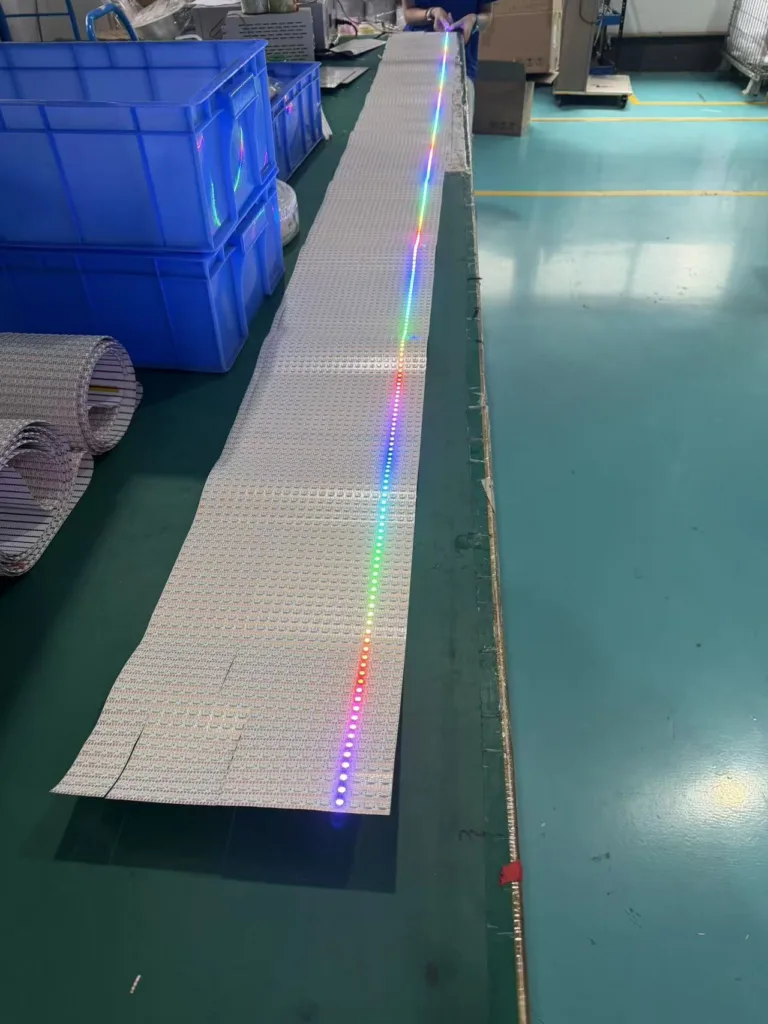
Can an Indoor LED Be Used Outdoors?
Getting into custom lighting sounds straightforward — adjust a standard fixture to match a client's shape, color, or size. But most teams that have worked through large-scale custom lighting projects quickly discover that the real difficulty isn't manufacturing a sample. It's translating a client's brief into a set of engineering standards that can actually be […]
Read More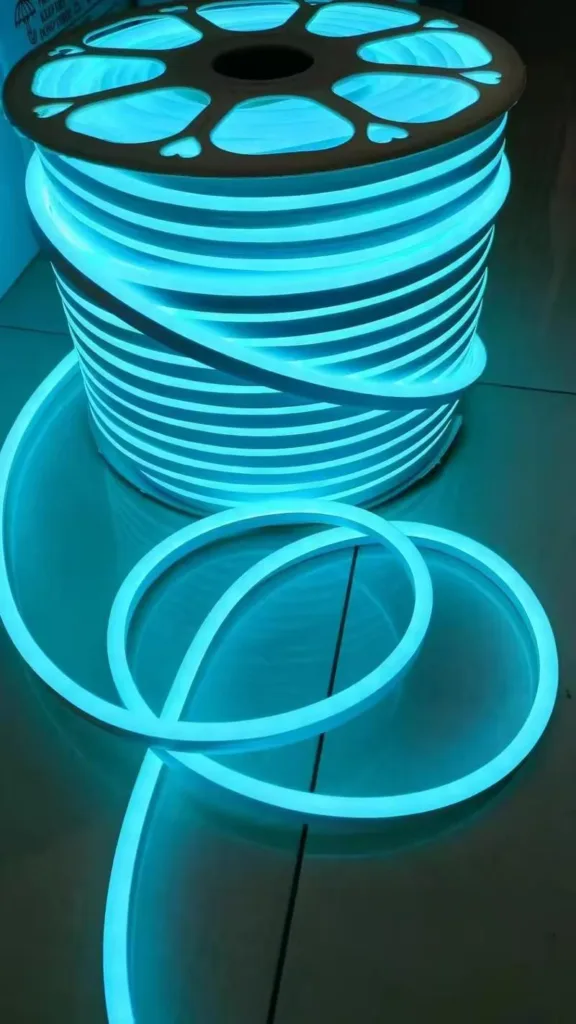
Can an Indoor LED Be Used Outdoors?
Using an indoor LED outdoors seems like a simple cost-saving shortcut — until the fixture fails three months into a two-year project. Water ingress, UV degradation, and thermal stress can destroy indoor-rated LEDs rapidly in outdoor environments, turning a small budget decision into a full replacement job. Indoor LEDs are not designed for outdoor use. […]
Read More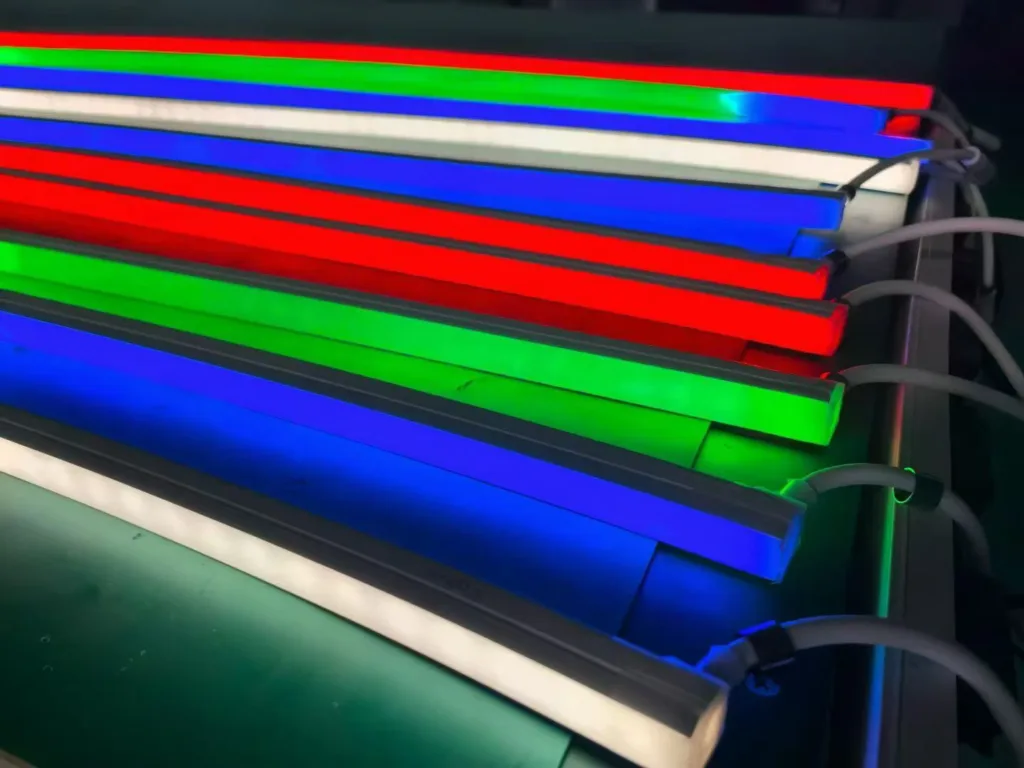
How to Choose Neon Sign Colors?
Neon sign colors seem like a straightforward design decision. But on large commercial, hospitality, and architectural projects, a vague color call in week one quietly compounds into a five-figure rework bill at final acceptance. The real question is not which color to pick — it is how precisely you define it before a single meter […]
Read More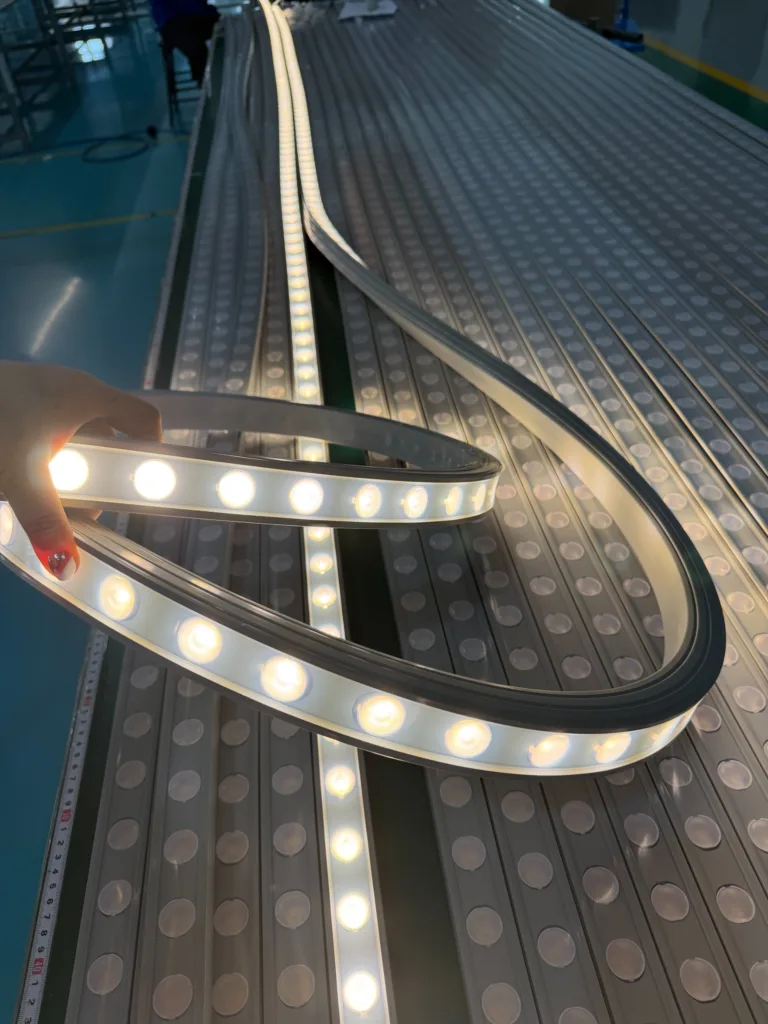
How Is an LED Manufactured?
Lighting projects fail at final acceptance far more often than they fail at the factory. If you are specifying, procuring, or commissioning LED lighting at scale, the question of how an LED is manufactured is not an academic exercise — it is a project-risk question. Understanding each manufacturing stage tells you exactly where the variables […]
Read More