

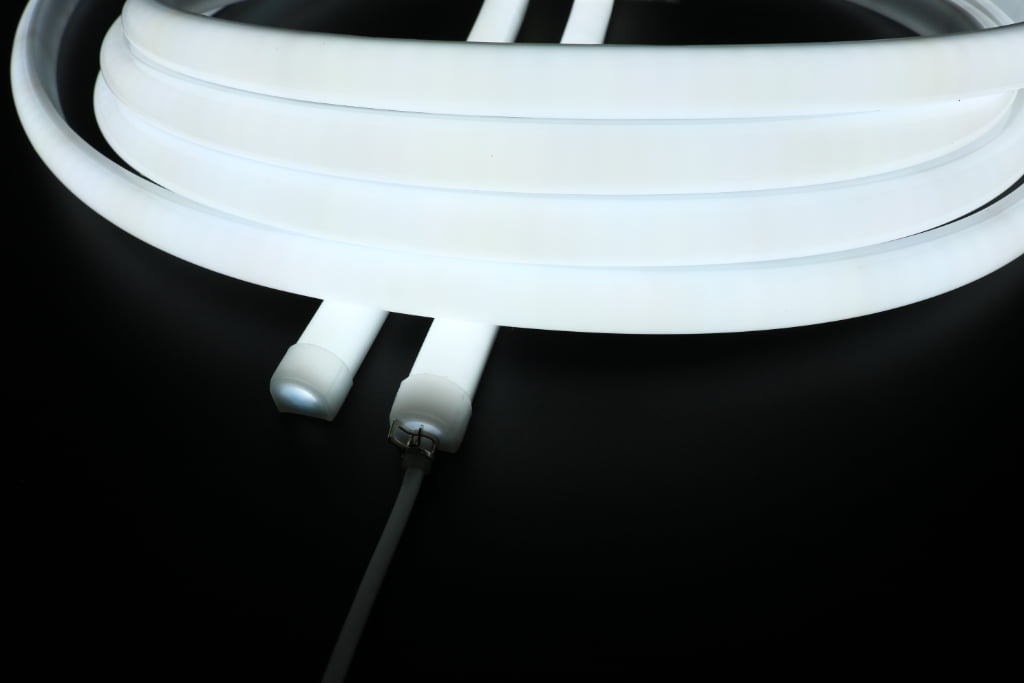
LED strips are great, but bare LEDs can look harsh and unprofessional. Without proper diffusion, you'll see obvious dotted light points that ruin the clean, seamless look you're aiming for.
LED strip silicone covers and diffuser1s are specialized protective sleeves that diffuse and soften LED light output. They're designed to either slide directly onto LED strips or snap into mounting channels, creating smooth, continuous lines of light while protecting the LEDs.
<sup id=](https://siluxa.com/wp-content/uploads/2026/03/QQ%E6%88%AA%E5%9B%BE20191031181805-scaled.jpg) 1 comparison" title="Before and after using LED strip [diffuser](https://en.wikipedia.org/wiki/Ring_flash)1" />
1 comparison" title="Before and after using LED strip [diffuser](https://en.wikipedia.org/wiki/Ring_flash)1" />
Let me share how we helped one of our German clients achieve the exact diffusion effect they wanted, and walk you through everything you need to know about LED strip silicone covers2 and diffuser1s.
What Types of LED Strip Silicone Diffusers Are Available?
The wrong diffuser1 choice can limit your installation options and produce disappointing results. I've seen many projects fail simply because of poor diffuser1 selection.
There are three main types of LED strip silicone diffuser%%%FOOTNOTE_REF1%%%s: 360° round tubes for omnidirectional lighting, flat-top covers for direct illumination, and [side-view diffusers](https://en.wikipedia.org/wiki/Diffuser(automotive))3](1s">https://en.wikipedia.org/wiki/Ring_flash)1s for maximum flexibility and bent installations.
<sup id=](https://siluxa.com/wp-content/uploads/2026/03/IMG_5293-scaled.jpg) 1s" title="Types of LED strip silicone [diffuser](https://en.wikipedia.org/wiki/Ring_flash)1s" />
1s" title="Types of LED strip silicone [diffuser](https://en.wikipedia.org/wiki/Ring_flash)1s" />
Deep Dive into Diffuser Types
When selecting the right diffuser1 for your project, you need to consider several key factors:
1. Round Tube Diffusers (360° Light Emission)
- Perfect for: Pendant lights, decorative installations
- Key benefits:
- Even light distribution in all directions
- Excellent for creating floating light effects
- Ideal for architectural highlights
- Limitations:
- May waste light in unwanted directions
- Higher material cost per meter
2. Flat-Top Diffusers
- Best suited for: Under-cabinet lighting, shelf lighting
- Advantages:
- Focused downward light projection
- Clean, professional appearance
- Easy installation in aluminum channels
- Drawbacks:
- Limited bending radius4
- Not suitable for complex curves
3. Side-View Diffusers
- Ideal for: Sign making, contour lighting
- Features:
- Maximum flexibility for tight bends
- Efficient light projection to the sides
- Perfect for creating complex shapes
- Considerations:
- Requires careful planning for mounting
- May need additional support in vertical installations
How Does Light Diffusion Technology Work in Silicone Covers?
After years of testing different formulations, I've learned that achieving perfect light diffusion is more complex than most people realize.
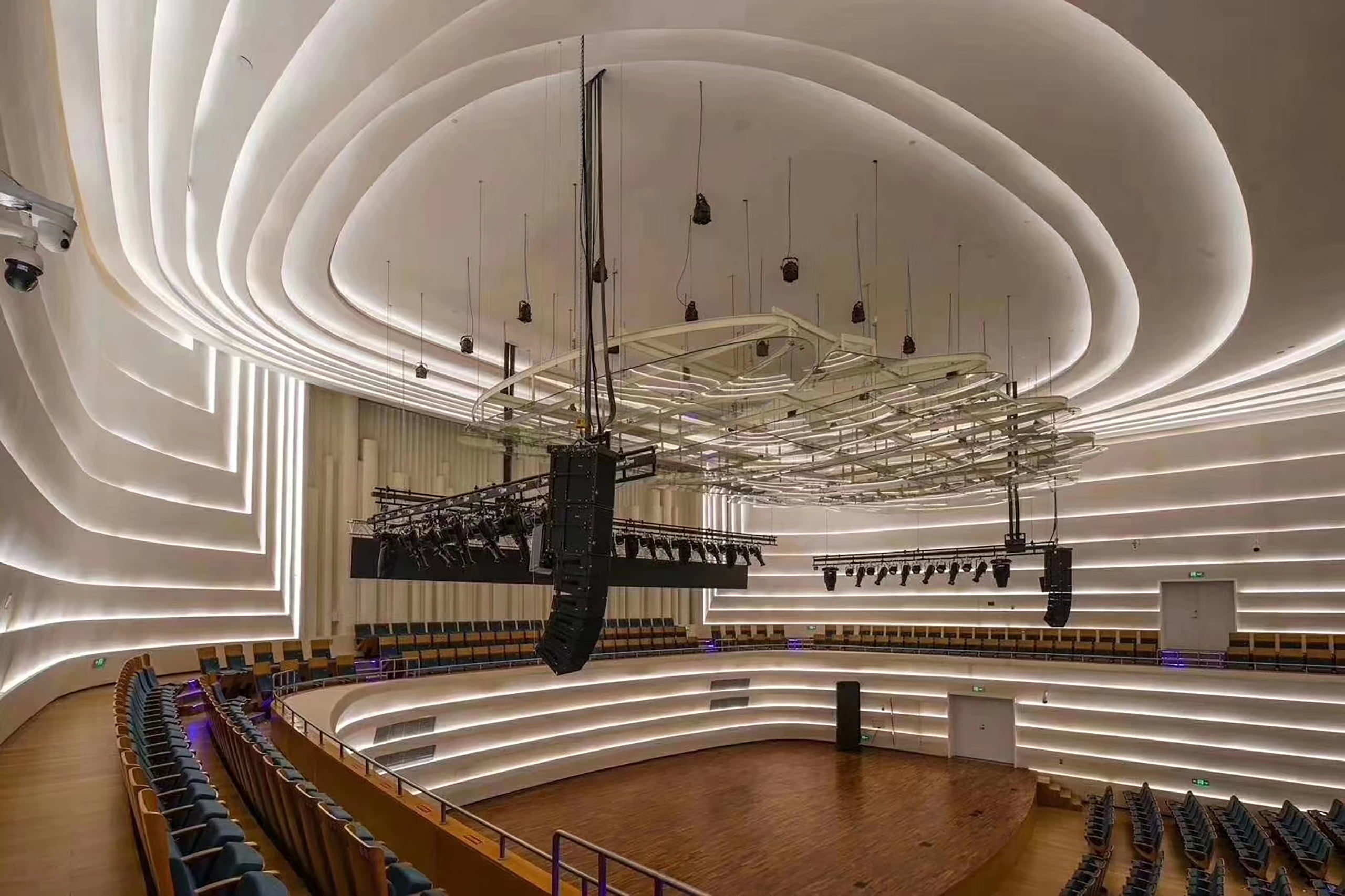
Light diffusion in silicone covers works through specialized diffusion particles5 mixed into the silicone material. The optimal ratio we've found is 10g of diffusion powder per 1kg of silicone to achieve professional-grade, dot-free illumination.
Understanding Diffusion Technology
The science behind effective LED diffusion involves several critical factors:
-
Particle Distribution
- Uniform mixing is crucial
- Particle size affects diffusion quality
- Concentration determines light transmission
-
Material Properties Property Impact on Performance Clarity Affects light transmission Durability Determines lifespan Heat resistance Ensures long-term stability -
Manufacturing Process
- Temperature control during extrusion
- Precise material ratios
- Quality control at each step
Through extensive testing and refinement, we've developed a proprietary blend that achieves optimal light diffusion while maintaining structural integrity and longevity.
How to Choose the Right Silicone Diffuser for Your Project?
Selecting the wrong diffuser1 can lead to wasted time and materials. I've helped countless clients avoid this costly mistake.
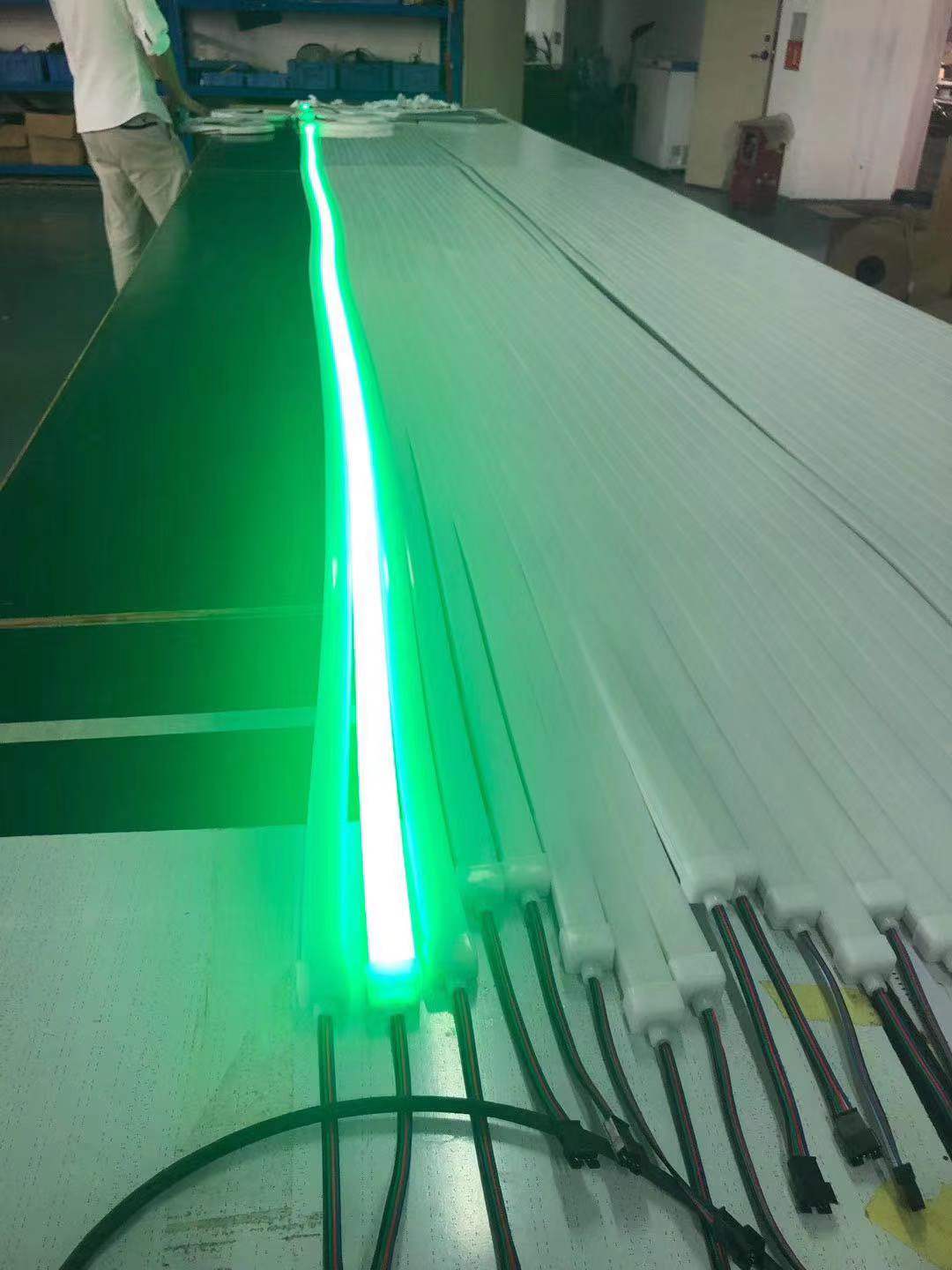
Choose your LED strip silicone diffuser1 based on three key factors: installation environment (indoor/outdoor), desired light effect (direct/indirect), and mounting requirements. Consider IP rating6 for outdoor use and bend radius for complex installations.
 1" />
1" />
Detailed Selection Criteria
Making the right choice involves considering multiple factors:
-
Environmental Considerations Factor Requirements Indoor Standard IP20 rating Outdoor Minimum IP65 rating Underwater IP68 rating required -
Installation Requirements
- Mounting surface type
- Required bend radius
- Access for maintenance
- Temperature fluctuations
-
Light Output Needs
- Desired brightness level
- Color temperature compatibility
- Beam angle requirements
- Diffusion density preferences
Conclusion
LED strip silicone covers2 and diffuser1s are essential for professional lighting installations, with options available for every application. Choose based on your specific needs for light distribution, installation flexibility, and environmental conditions.
Explore this resource to understand various LED diffuser types and their applications for optimal lighting solutions. ↩
Explore this link to understand how LED strip silicone covers enhance lighting quality and aesthetics. ↩
Understand the flexibility and efficiency of side-view diffusers for unique lighting designs. ↩
Discover how bending radius impacts the installation and performance of LED strip diffusers. ↩
Explore the role of diffusion particles in achieving high-quality, dot-free illumination. ↩
Learn about IP ratings and how they affect the suitability of LED diffusers for different environments. ↩