

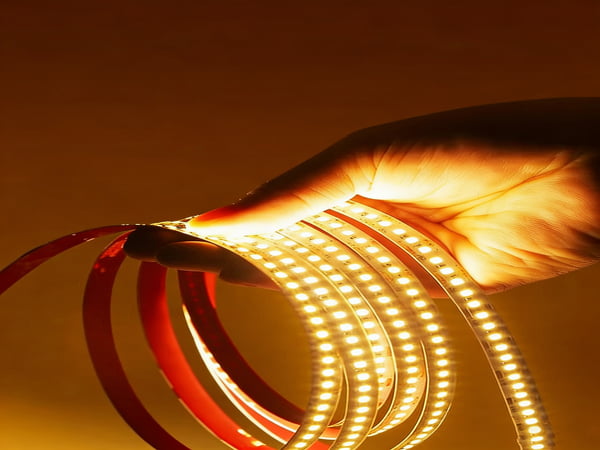
In today's competitive lighting market, finding reliable LED neon flex manufacturers1 has become increasingly challenging. With raw material costs soaring and quality standards varying widely, making the right choice is crucial for your business.
The best LED neon flex manufacturers1 combine advanced silicone technology2, strict quality control processes3, and comprehensive testing protocols. Top manufacturers should provide consistent product quality, competitive pricing, and excellent after-sales support4 while maintaining ISO and UL certifications5.
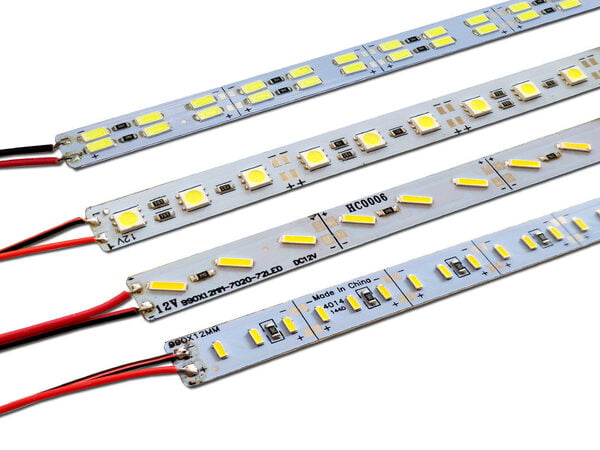
As someone who has been in the LED lighting industry for over a decade, I've witnessed firsthand how market pressures can impact product quality. Let me share some key insights about what makes a manufacturer truly stand out in this competitive landscape.
How Do Raw Material Costs Impact Product Quality?
Recent geopolitical tensions have caused significant spikes in copper and gold prices, putting pressure on manufacturers' margins. Some factories have started cutting corners by using thinner materials or lower-grade components.
Quality manufacturers maintain strict material standards despite rising costs. They use premium-grade silicone6, high-quality PCB boards, and certified LED chips7, ensuring product longevity and performance even under challenging conditions.

The Hidden Costs of Cutting Corners
When evaluating manufacturers, it's crucial to understand the long-term implications of their material choices:
Material Quality Comparison
| Component | Standard Grade | Premium Grade | Impact on Performance |
|---|---|---|---|
| Silicone | 70% purity | 100% food-grade | Better UV resistance, longer lifespan |
| LED Chips | Generic | Branded (Epistar/Nichia) | Consistent color, less degradation |
| PCB Board | 0.8mm thickness | 1.2mm thickness | Better heat dissipation |
The consequences of using inferior materials often don't show up immediately. Problems typically emerge after 1-2 months of installation, manifesting as:
- Excessive heat generation
- Premature LED failure
- Color fading and inconsistency
- Reduced weather resistance
What Makes a Manufacturer Industry-Leading?
The best manufacturers distinguish themselves through rigorous quality control and transparency in their production processes. They invest in advanced testing equipment and maintain strict manufacturing standards8.
Industry-leading manufacturers provide detailed product specifications, conduct thorough pre-shipment inspections, and offer comprehensive warranties. They maintain ISO 9001:2015 certification and regularly update their manufacturing processes to meet international standards.
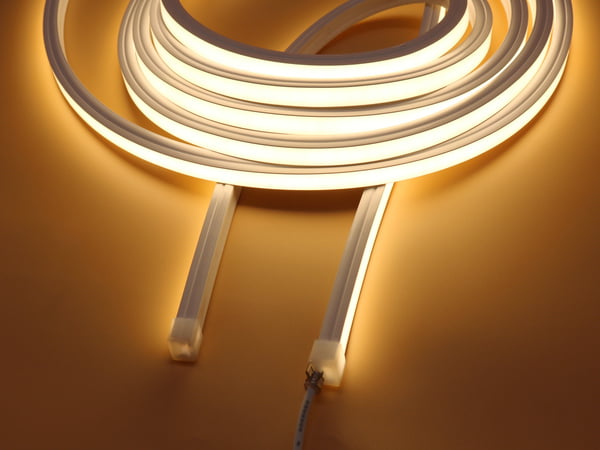
Key Quality Indicators
Quality manufacturers typically demonstrate excellence in several key areas:
Manufacturing Standards
-
Pre-production Material Testing
- Silicone durometer testing
- LED chip binning verification
- PCB thickness measurement
-
Production Process Controls
- Automated extrusion monitoring
- Real-time quality checkpoints
- Environmental condition control
-
Post-production Testing
- 48-hour aging tests
- Water resistance verification
- Color consistency checking
These manufacturers also maintain transparent communication channels, providing customers with:
- Detailed product specifications
- Material certificates
- Test reports
- Sample validation processes
What Should Buyers Look For in a Manufacturer?
Selecting the right manufacturer requires careful evaluation of their capabilities, reputation, and commitment to quality. Past performance and customer feedback9 are crucial indicators.
Look for manufacturers with at least 5 years of experience, ISO certification, and a track record of serving international clients. They should offer detailed documentation, maintain consistent communication, and provide comprehensive quality guarantees.
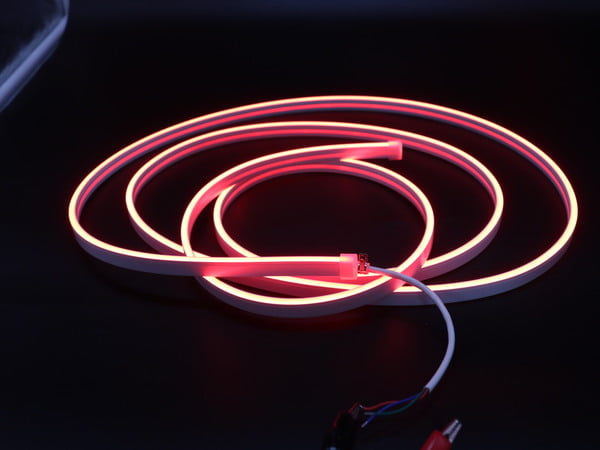
Evaluation Criteria
Consider these factors when selecting a manufacturer:
Manufacturing Capability Assessment
| Criteria | Minimum Standard | Ideal Standard |
|---|---|---|
| Production Capacity | 5000m/month | 20000m/month |
| Quality Control Staff | 5% of workforce | 10% of workforce |
| R&D Investment | 3% of revenue | 7% of revenue |
| Certification | CE, RoHS | CE, RoHS, UL, ETL |
Additional considerations should include:
- Financial stability
- Export experience
- Custom development capabilities
- After-sales support infrastructure
Conclusion
The best LED neon flex manufacturers1 prioritize quality over short-term profits, maintain transparent operations, and invest in continuous improvement. Choose partners who demonstrate consistent quality and long-term commitment to customer success.
Explore this link to discover leading manufacturers that prioritize quality and innovation in LED neon flex production. ↩
Learn about the benefits of advanced silicone technology in enhancing the durability and performance of LED neon flex. ↩
This resource provides insights into essential quality control processes that ensure high standards in LED manufacturing. ↩
Understanding after-sales support can help you choose manufacturers that prioritize customer satisfaction and product reliability. ↩
Understanding the significance of these certifications can help you choose reliable manufacturers committed to quality. ↩
Discover how premium-grade silicone contributes to the longevity and performance of LED products. ↩
Find out which LED chips are recommended for optimal performance and longevity in neon flex applications. ↩
This link outlines the critical manufacturing standards that ensure quality and reliability in LED products. ↩
Learn why customer feedback is crucial for evaluating the reliability and quality of LED manufacturers. ↩