

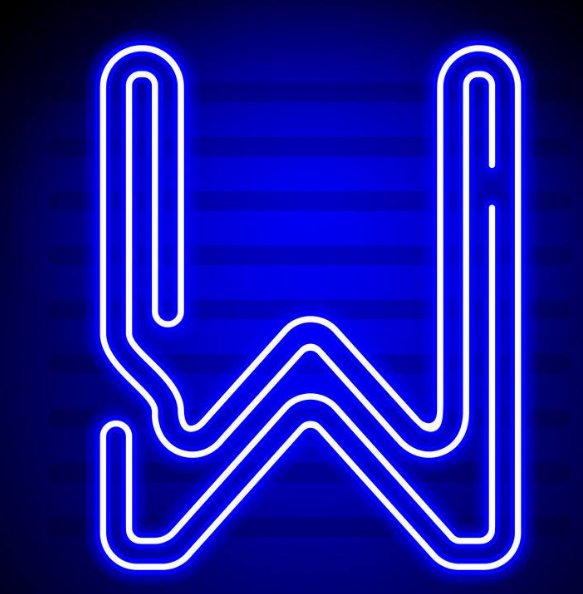
Are you tired of LED strips failing due to water damage? Traditional LED strips with secondary potting often develop bubbles and cracks at connection points, leading to costly replacements and maintenance nightmares.
A truly waterproof LED neon flex [1] requires one-piece extrusion technology [2] , where the silicone coating [3] acts like a seamless diving suit, completely isolating the LEDs from air and water. This achieves genuine IP67/IP68 ratings [4] through comprehensive thermal shock testing [5] .
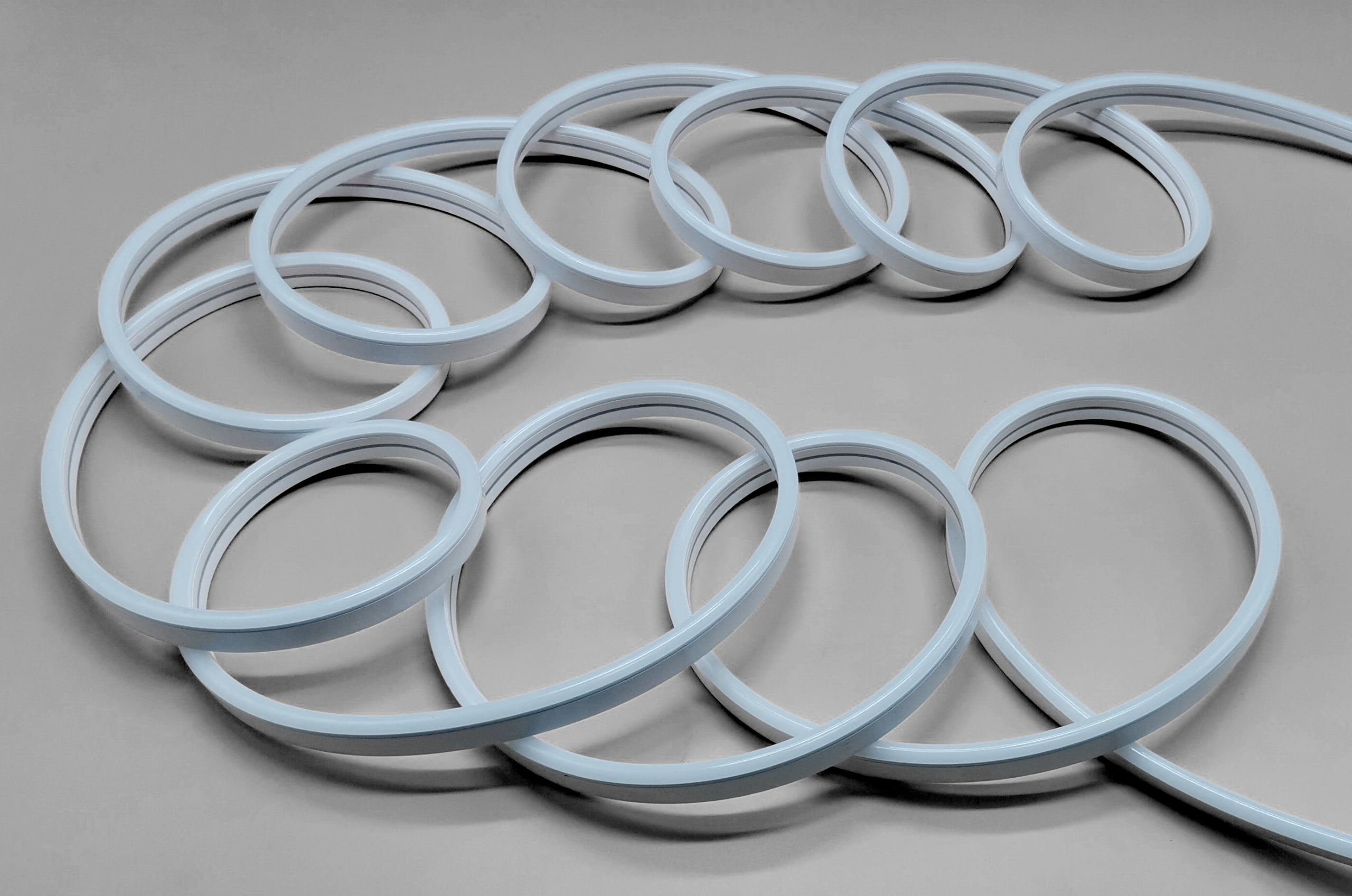
Let's dive deeper into why not all "waterproof" LED strips are created equal, and how to identify truly reliable outdoor lighting solutions that will stand the test of time and elements.
Why Do Traditional Waterproof LED Strips Often Fail?
I've seen countless projects where "waterproof" LED strips failed within months of installation. The problem? Most manufacturers rely on secondary potting methods that leave vulnerable points in the waterproofing.
Traditional waterproofing methods use silicone glue or resin applied after LED assembly, creating weak points at joints and connections. These areas are prone to bubbles, cracks, and eventual water infiltration, especially under temperature fluctuations1.
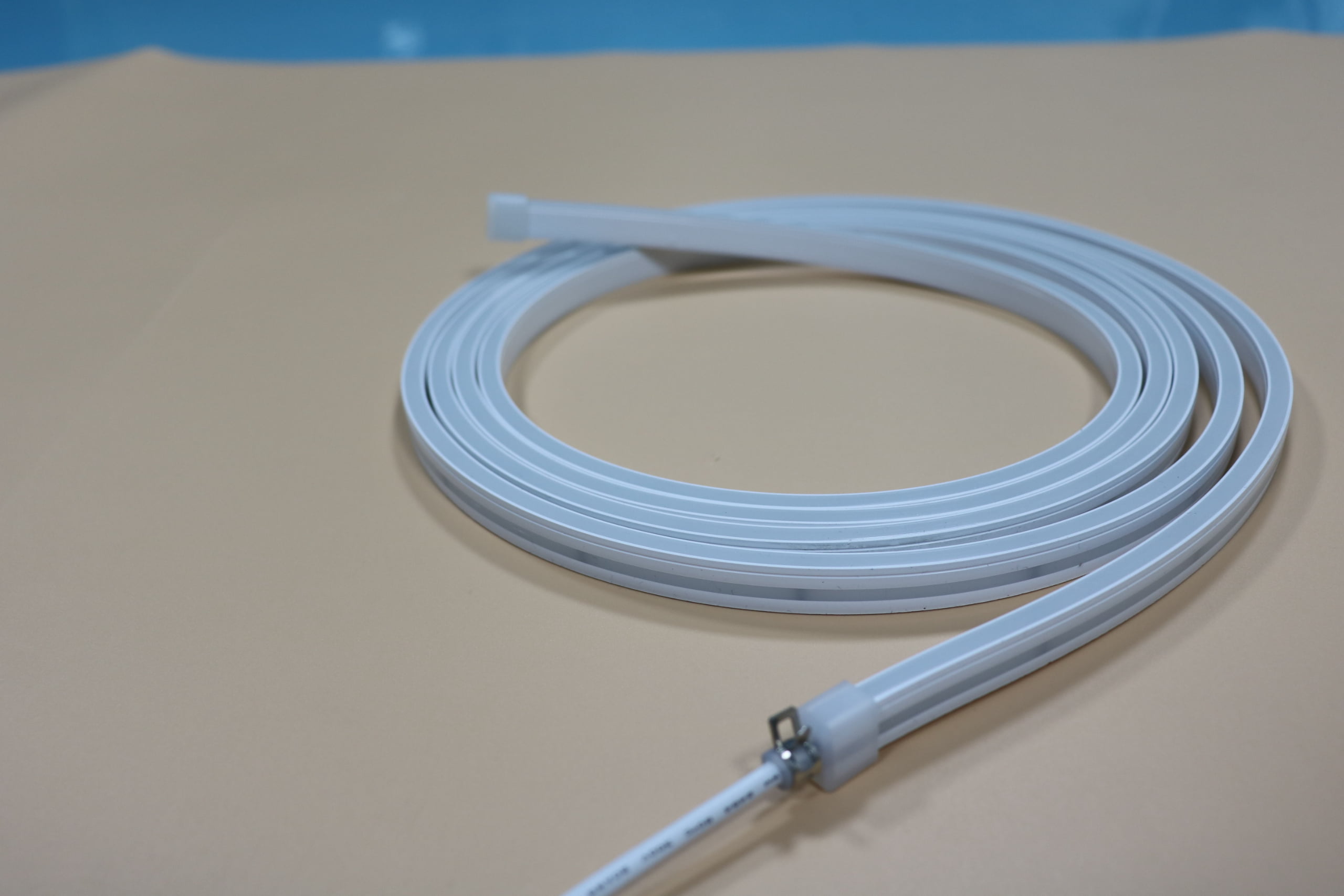
Understanding Waterproof Failure Points
Let's break down the key issues with traditional waterproofing methods:
1. Secondary Potting Problems
- Air Bubbles: During application of secondary sealants
- Trapped air creates weak points
- Bubbles expand/contract with temperature changes
- Eventually leads to cracking
- Adhesion Issues: Between different materials
- Poor bonding between sealant and LED strip
- Delamination under thermal stress
- Water seepage through microscopic gaps
2. Temperature Impact
| Temperature Range | Effect on Traditional Sealing | Effect on One-Piece Extrusion |
|---|---|---|
| -40°C to 0°C | Material contraction, seal breaking | Maintains flexibility and seal |
| 0°C to 40°C | Generally stable | Stable performance |
| 40°C to 60°C | Material expansion, potential delamination | Consistent integrity |
How Does One-Piece Extrusion Technology Solve These Problems?
After years of manufacturing experience, I've found that one-piece extrusion is the only reliable solution for truly waterproof LED neon flex2. Think of it like giving your LEDs a seamless wetsuit.
One-piece silicone extrusion creates a molecular bond around the LED components, eliminating weak points and ensuring consistent IP67/IP68 protection. This process results in a single, unified structure that maintains integrity even under extreme conditions.
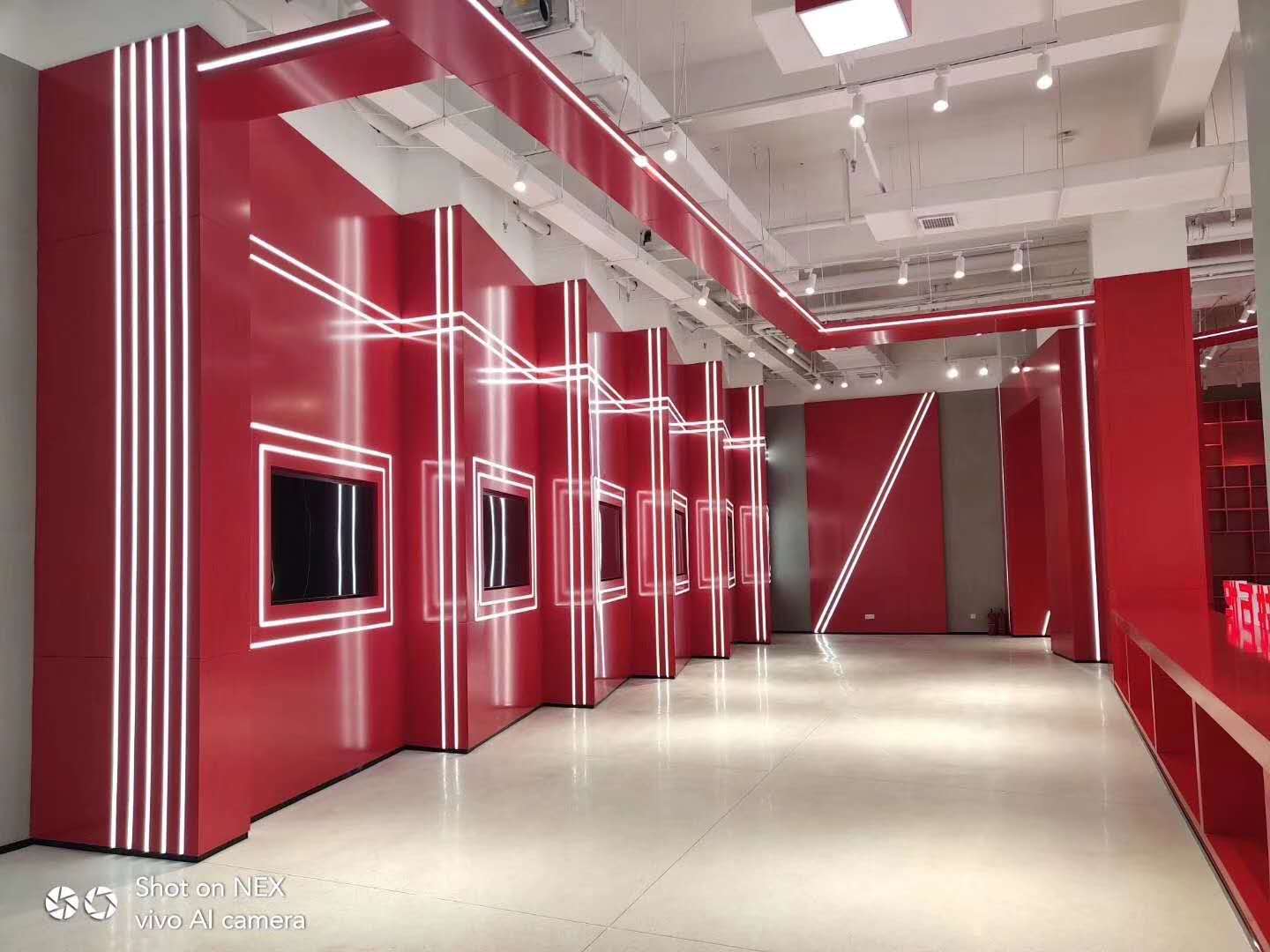
The Science Behind One-Piece Extrusion
The success of one-piece extrusion lies in its manufacturing process and material properties:
Manufacturing Excellence
-
Unified Structure
- Continuous silicone envelope
- No joints or seams
- Complete encapsulation of components
-
Quality Control
- Thermal shock testing (-40°C to +60°C)
- Underwater pressure testing
- UV resistance3 verification
- Salt spray endurance testing
Material Properties Table
| Property | Specification | Benefit |
|---|---|---|
| Molecular Weight | High-molecular silicone | Better durability |
| Shore Hardness | 60A-70A | Optimal flexibility |
| Temperature Range | -40°C to +60°C | Wide application scope |
| UV Resistance | >5 years | Long-term outdoor use |
How Can You Verify True IP67/IP68 Ratings?
Many suppliers claim IP67/IP68 ratings4, but I've learned that these claims need proper verification through standardized testing procedures.
Genuine IP67/IP68 ratings4 require passing rigorous thermal shock tests and extended submersion testing. Don't just trust quick demonstrations - ask for certified test reports5 showing performance under extreme temperature cycles.
Comprehensive Testing Protocols
To ensure genuine waterproof performance, we implement:
Testing Standards
-
Thermal Shock Testing
- Multiple cycles between -40°C and +60°C
- Rapid temperature transitions
- Minimum 500 cycle requirement
- Post-test functionality verification
-
Water Immersion Testing
- Continuous submersion at 1m depth
- Duration: >168 hours
- Pressure variation testing
- Salt water resistance testing
Performance Metrics Table
| Test Type | Duration | Pass Criteria |
|---|---|---|
| Thermal Shock | 500 cycles | No deformation or damage |
| Water Immersion | 168 hours | Zero water ingress |
| Salt Spray | 1000 hours | No corrosion or degradation |
| UV Exposure | 3000 hours | No yellowing or brittleness |
Conclusion
True waterproof LED neon flex2 requires one-piece silicone extrusion technology, comprehensive testing, and quality materials - not just marketing claims. Choose manufacturers who can prove their IP67/IP68 ratings4 through certified testing results.
Learn about the impact of temperature fluctuations on the performance of waterproof LED strips. ↩
Explore this link to understand the technology behind waterproof LED neon flex and its advantages. ↩
Find out how UV resistance affects the longevity and performance of outdoor LED lighting. ↩
Discover the significance of IP67/IP68 ratings and why they matter for waterproofing. ↩
Learn how to verify the authenticity of waterproof claims through certified test reports. ↩