
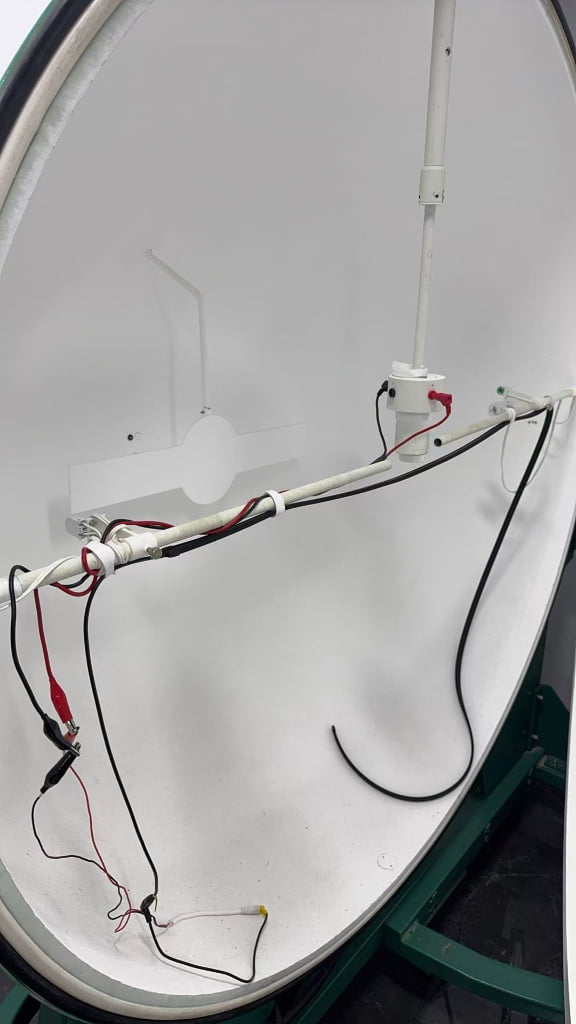
Without proper certifications, your outdoor lighting project could face serious delays or complete rejection by local authorities. I've seen entire installations get halted due to non-compliance with safety standards.
For outdoor silicone neon flex products to be considered reliable and safe for commercial use, they must pass key certifications including UL 2388/15981 for North America, CE for Europe, and IP68 waterproof testing2, along with specific flame retardancy requirements.
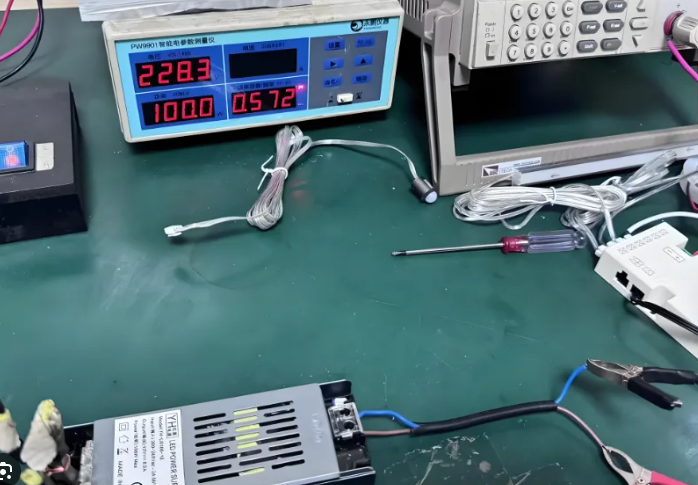
Understanding these certifications isn't just about checking boxes - it's about ensuring your project's success and safety. Let me share some real experiences that highlight why each certification matters.
Why is UL Certification Critical for North American Markets?
I once had a client whose entire project was delayed because their lighting didn't meet local fire safety codes3. The costly mistake could have been avoided with proper UL certification.
UL 2388 and UL 1598 certifications are mandatory for outdoor lighting products in North America. These standards specifically test for electrical safety, fire resistance (V0 grade), and environmental durability4 under various conditions.
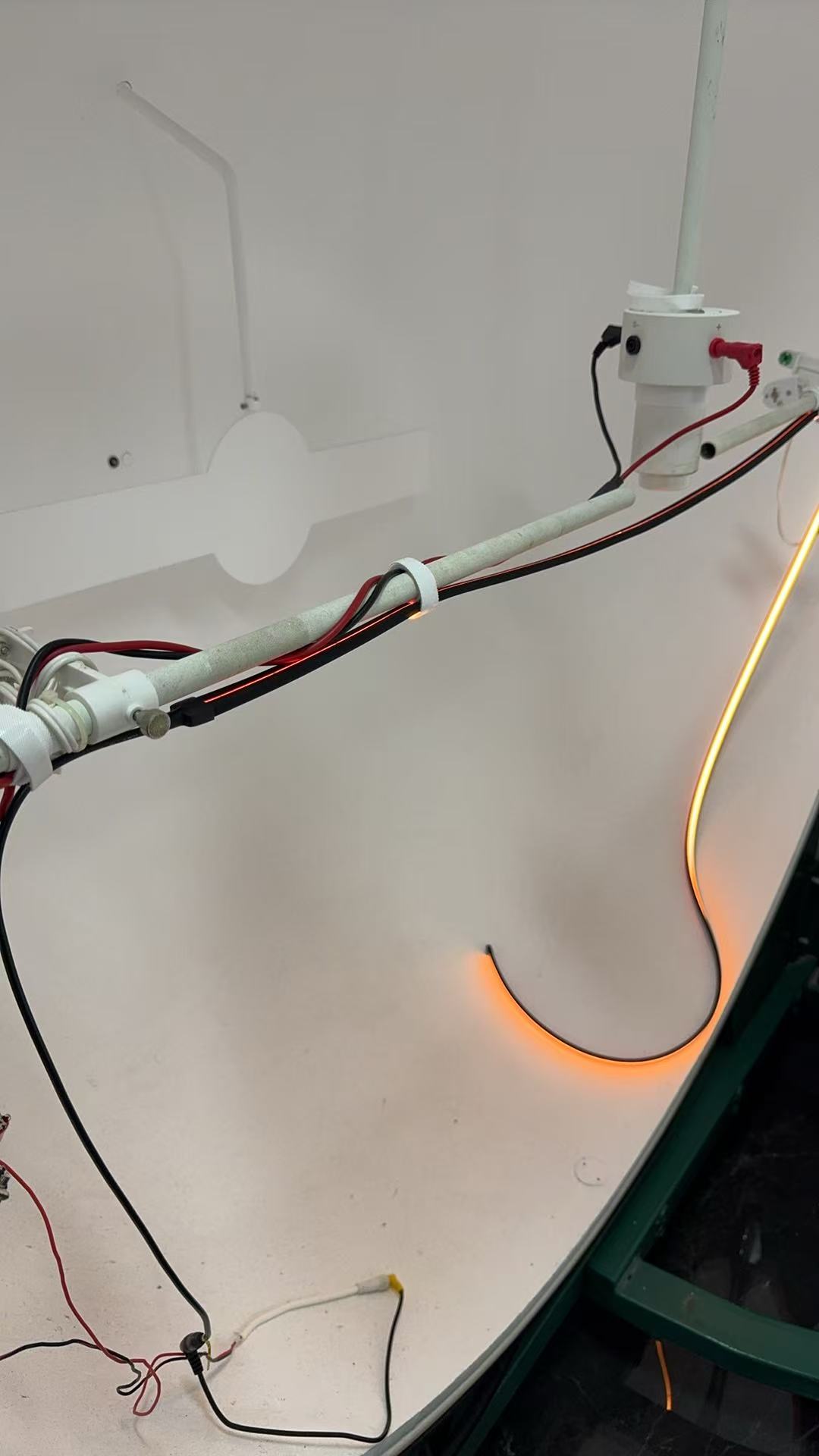
Diving deeper into UL certification requirements reveals several crucial aspects that many overlook. The testing process evaluates three main components:
Fire Safety Testing
- V0 Grade Flame Retardancy: Materials must self-extinguish within 10 seconds
- Vertical Burn Test: Ensures no burning particles drop during combustion
- Hot Wire Ignition: Tests resistance to high-temperature exposure
Environmental Durability
- Temperature Cycling: -40°C to +60°C exposure tests
- UV Resistance: 1000+ hours of accelerated weathering
- Salt Spray Resistance: Minimum 720 hours without degradation
The V0 grade requirement is particularly critical because it's often the deciding factor in passing local fire safety inspections. From my experience working with various projects, I've noticed that products lacking proper UL certification often face rejection during final inspections, leading to expensive replacements and project delays.
How Important is IP68 Testing for Outdoor Applications?
A recent project in a coastal area failed within months because the manufacturer only provided IP65 rated products, resulting in saltwater damage5 and system failure.
IP68 certification guarantees complete protection against dust and continuous water immersion beyond 1 meter depth. This is essential for outdoor installations, especially in harsh environments like coastal areas or regions with heavy rainfall.
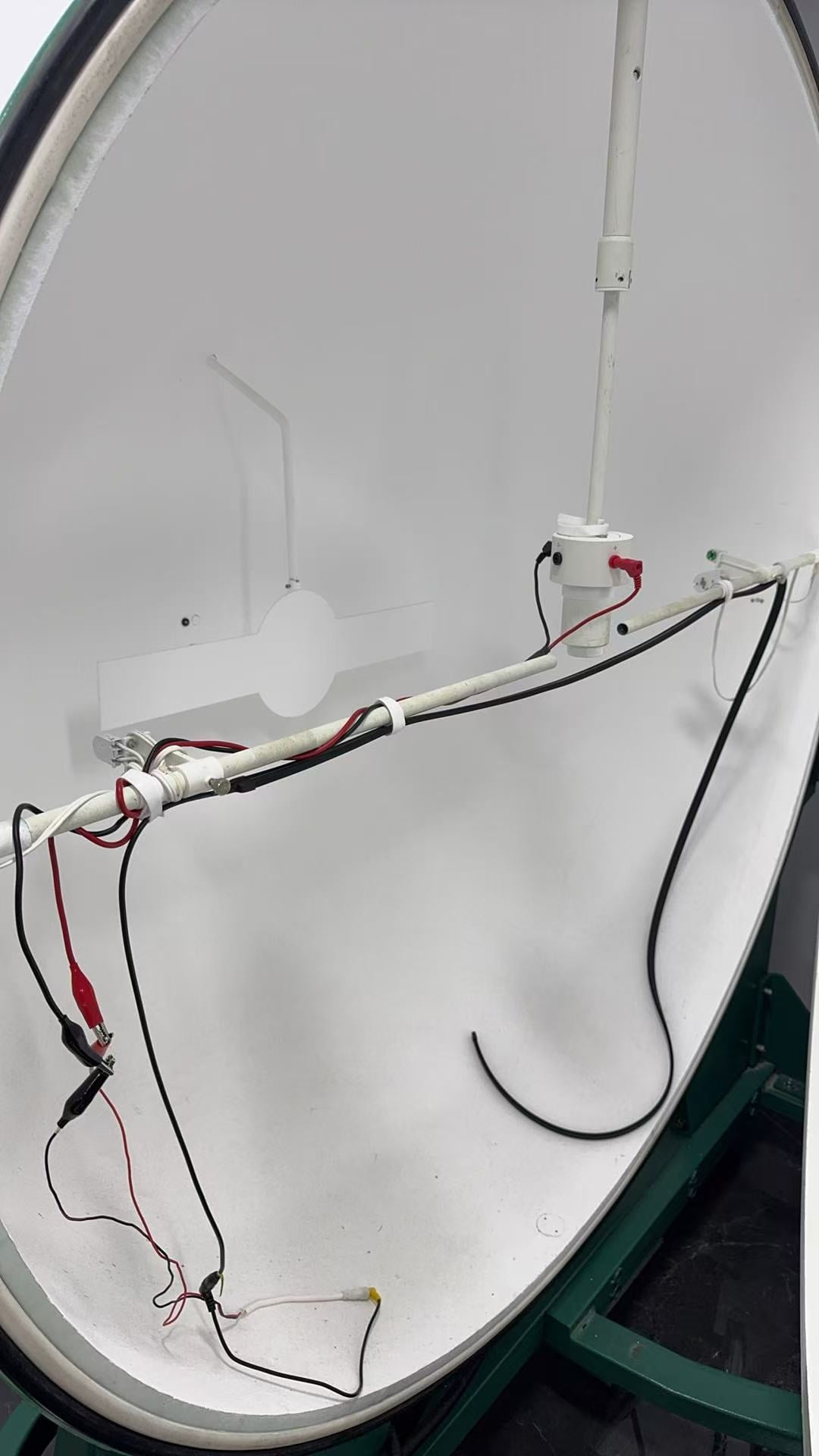
Understanding IP68 testing involves knowing the specific conditions products must withstand:
Water Resistance Testing Protocols
-
Immersion Testing
- Duration: Minimum 30 minutes
- Depth: >1 meter
- Temperature Variations: Tested at both high and low temperatures
-
Pressure Testing
- Static Pressure: 1.5 times rated depth pressure
- Dynamic Pressure: Tested with moving water
- Thermal Shock: Rapid temperature changes
The importance of proper IP68 certification becomes evident in long-term installations. Products with inferior water resistance typically show signs of failure within 6-12 months, while properly certified products maintain performance for 5+ years even in challenging environments.
What Makes CE Certification Essential for European Markets?
Several distributors lost significant investments when their non-CE certified products were rejected at European customs, highlighting the importance of proper documentation.
CE certification6 confirms compliance with European health, safety, and environmental protection standards. It's legally required for all lighting products sold in the EU/EEA and covers electromagnetic compatibility (EMC)7 and low voltage directive (LVD)8 requirements.
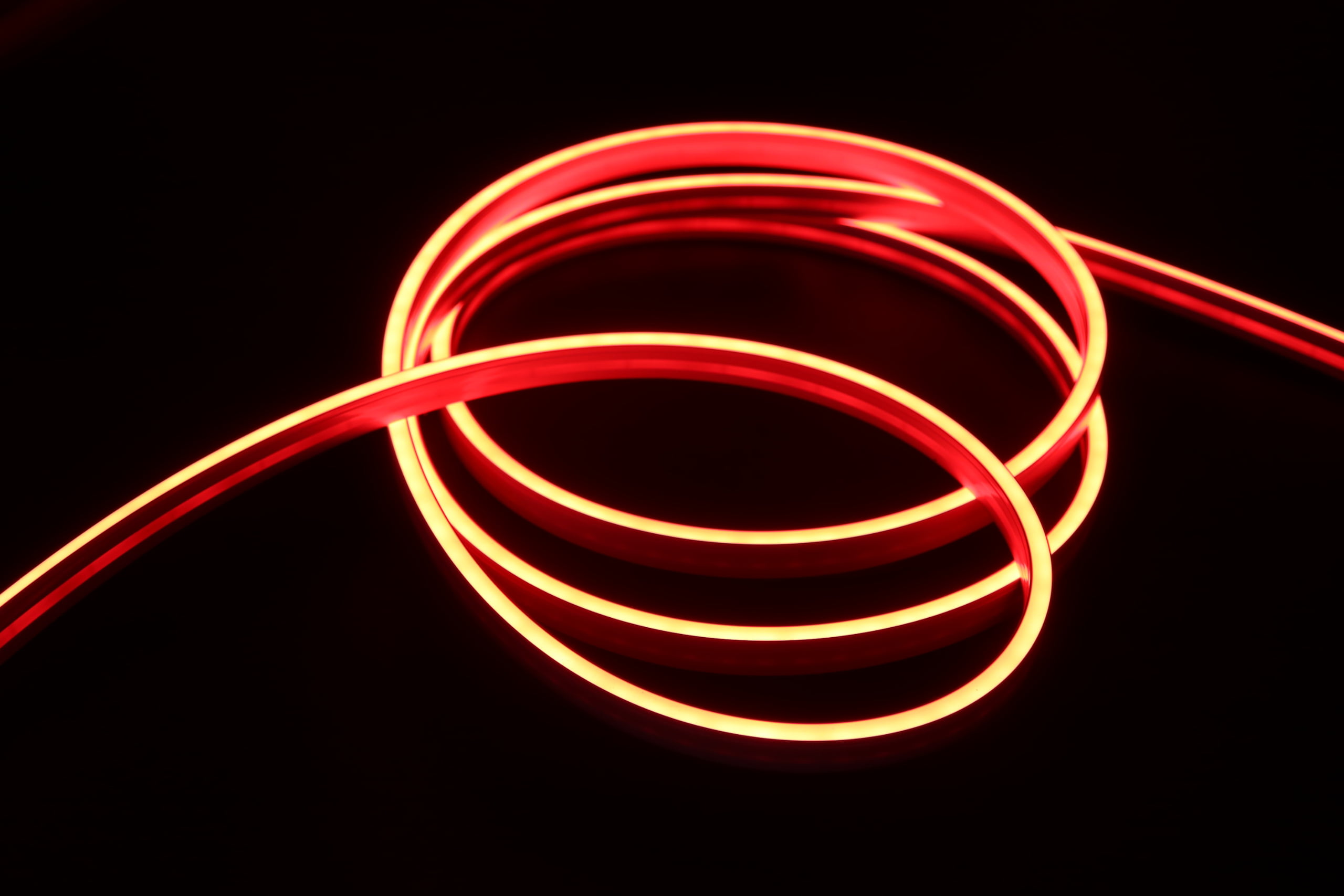
The CE certification6 process encompasses multiple crucial aspects:
EMC Testing Requirements
- Emission Limits
- Conducted emissions: 150 kHz to 30 MHz
- Radiated emissions: 30 MHz to 1 GHz
- Harmonic current emissions
Safety Testing Protocols
- Electrical Safety
- Insulation resistance >2MΩ
- Dielectric strength testing
- Ground continuity verification
- Material Safety
- RoHS compliance9
- REACH regulations adherence
- Chemical composition analysis
These requirements ensure that products not only function safely but also integrate seamlessly with existing electrical systems without causing interference.
Conclusion
Proper certification isn't just bureaucratic paperwork - it's your insurance against project failures, legal issues, and safety risks. Always verify UL, IP68, and CE certification6s before committing to any outdoor lighting project.
Understanding UL certifications can help ensure your outdoor lighting meets safety standards, preventing costly project delays. ↩
IP68 certification guarantees durability against water and dust, essential for outdoor installations in harsh conditions. ↩
Understanding fire safety codes can prevent project delays and ensure compliance with local regulations. ↩
Understanding environmental durability helps ensure your lighting can withstand harsh conditions and last longer. ↩
Preventing saltwater damage is crucial for coastal installations, ensuring longevity and reliability of your lighting. ↩
CE certification is crucial for compliance in Europe, ensuring your products meet health and safety standards. ↩
EMC ensures your lighting products won't interfere with other devices, crucial for safe and effective installations. ↩
LVD compliance is essential for safety in electrical installations, protecting users from electrical hazards. ↩
RoHS compliance ensures your products are free from hazardous substances, promoting safety and environmental responsibility. ↩