

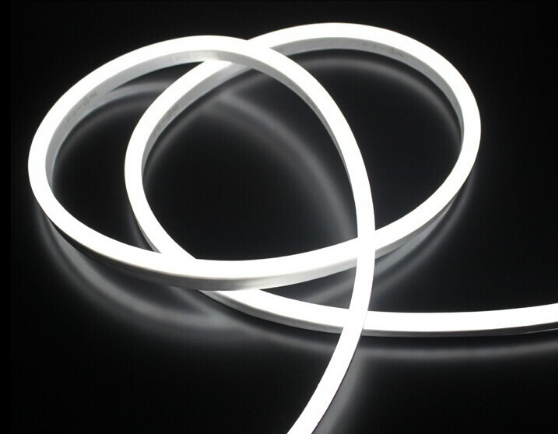
LED neon flex manufacturers face a critical choice between silicone and PVC materials. While PVC remains common, it comes with significant durability and environmental concerns that impact both performance and sustainability.
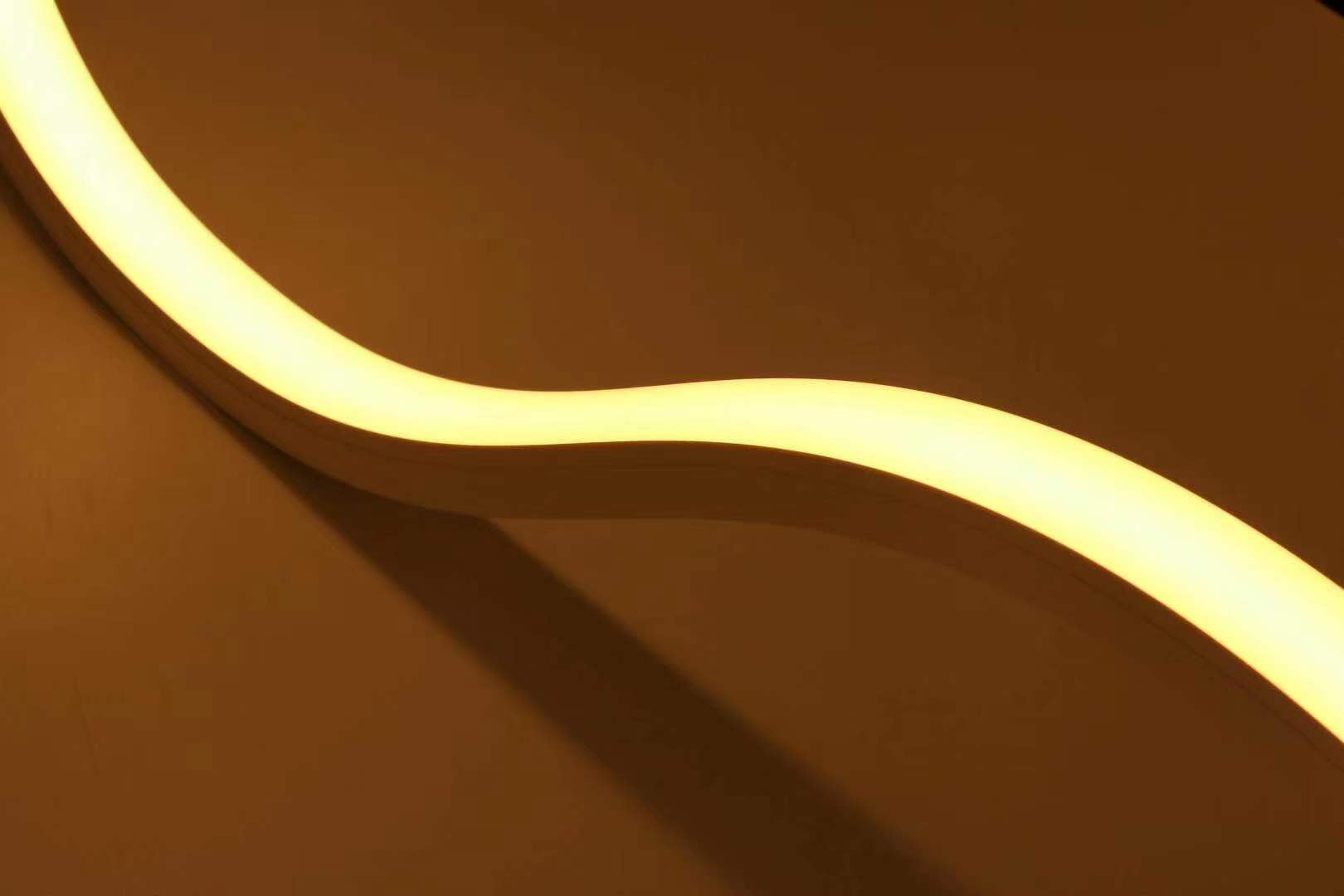
Silicone LED neon flex diffusers offer superior environmental friendliness, temperature resistance1 (-40°C to 260°C), flexibility for creative designs, and excellent light diffusion2 properties. With proper diffuser ratios, silicone achieves perfect uniform lighting3 while maintaining brightness.
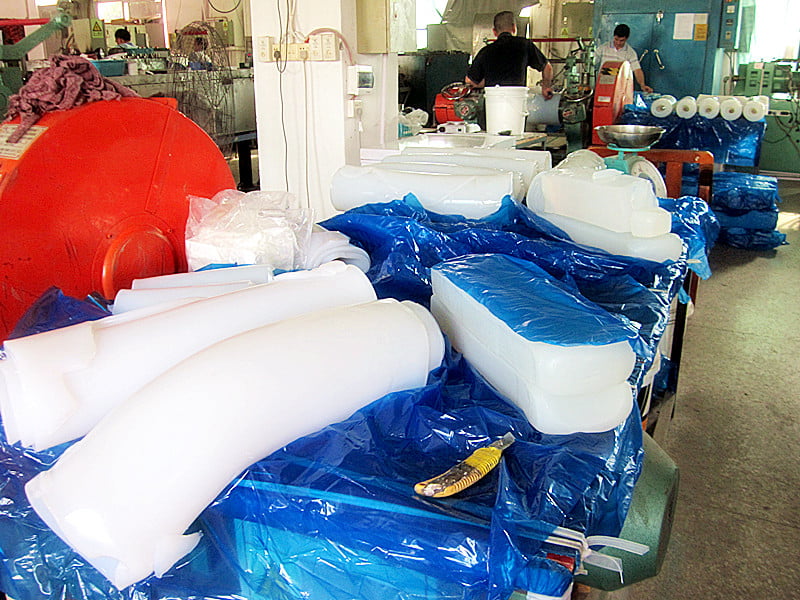
As a manufacturer focused on premium LED lighting solutions4, I've seen firsthand how material choice directly impacts product quality, longevity, and customer satisfaction5. Let's explore the key advantages that make silicone the superior choice for modern LED neon flex applications.
Why is Environmental Sustainability So Critical for LED Neon Materials?
The lighting industry faces increasing pressure to reduce environmental impact6. Traditional PVC materials contribute to plastic pollution and release harmful chemicals during production and disposal.
Silicone provides an eco-friendly alternative as it's fully recyclable, produces no toxic byproducts, and maintains its properties through multiple recycling cycles. This sustainability advantage has become crucial for environmentally conscious markets.
Dive Deeper: Environmental Benefits
The environmental advantages of silicone extend far beyond basic recyclability7. Through our manufacturing experience, we've documented several key sustainability metrics:
Material Lifecycle Comparison
| Aspect | Silicone | PVC |
|---|---|---|
| Recyclability | 100% recyclable | Limited recycling options |
| Toxic Emissions | None | Contains chlorine compounds |
| Production Impact | Lower energy consumption | Higher environmental footprint |
| Disposal Impact | Environmentally inert | Releases harmful substances |
Our testing shows silicone maintains its properties even after multiple recycling cycles, while PVC degrades significantly. This durability translates to less waste and lower replacement frequency, reducing the overall environmental impact6 throughout the product lifecycle.
How Does Temperature Resistance Impact LED Neon Performance?
Regular exposure to temperature extremes can severely compromise traditional PVC-based LED neon products, leading to cracking, yellowing, and premature failure.
Silicone maintains its flexibility and optical properties8 from -40°C to 260°C, preventing winter cracking and summer softening issues common with PVC. This temperature stability ensures consistent performance in all climates.

Dive Deeper: Temperature Performance
Our extensive testing in various environmental conditions has revealed crucial differences in material performance:
Temperature Response Characteristics
| Temperature Range | Silicone Performance | PVC Performance |
|---|---|---|
| Below -20°C | Maintains flexibility | Becomes brittle |
| -20°C to 40°C | Stable properties | Acceptable performance |
| Above 40°C | Retains shape | Softens significantly |
| Thermal cycling | No degradation | Progressive deterioration |
This superior temperature resistance1 has proven particularly valuable in projects across extreme climates, from arctic installations to desert environments, where traditional PVC solutions frequently fail.
What Makes Silicone Ideal for Creative Design Applications?
Design flexibility often determines project success in architectural lighting. Traditional materials can limit creative expression through their physical constraints.
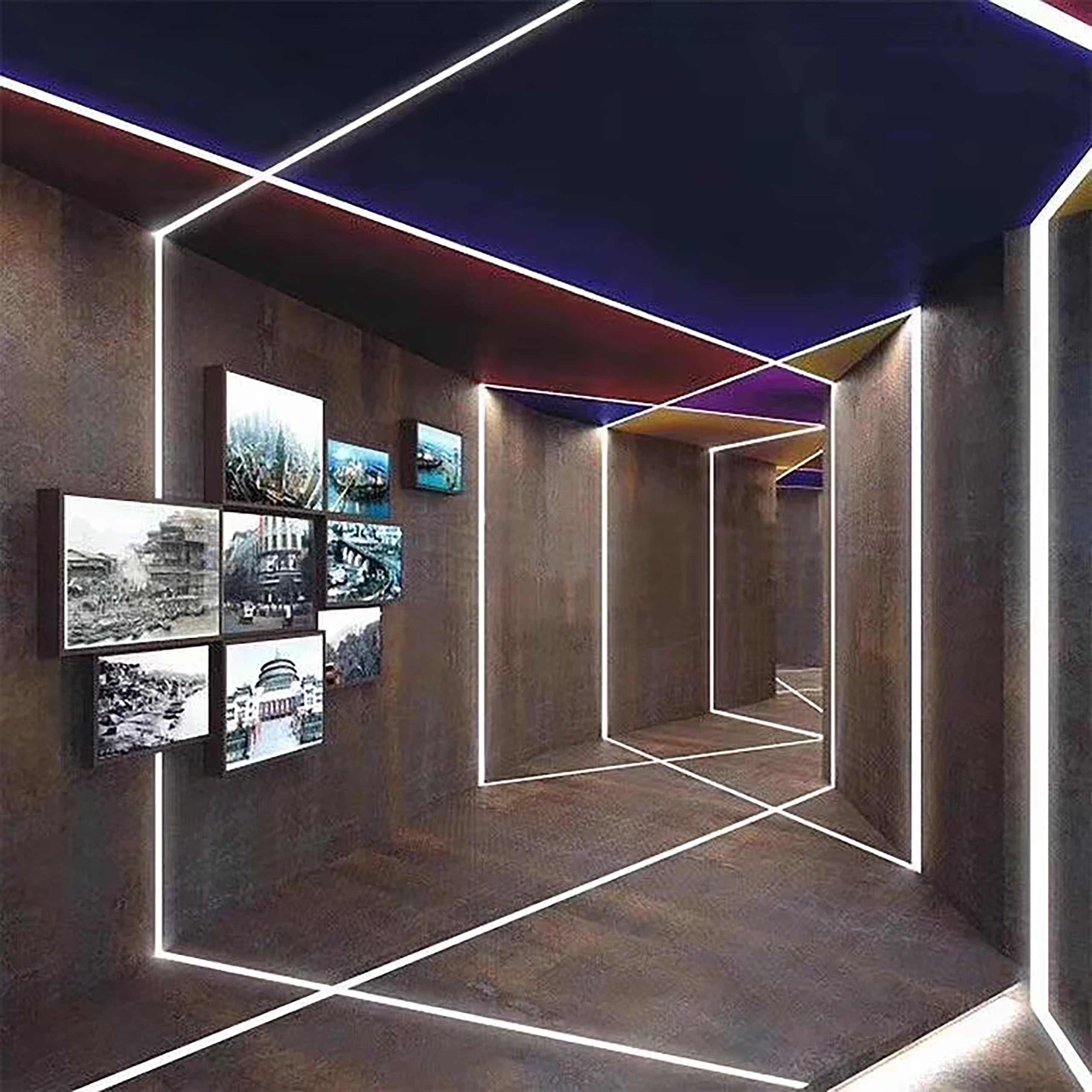
Silicone's natural flexibility and moldability enable complex shapes and designs impossible with PVC. This material property allows designers to create intricate patterns and custom installations while maintaining uniform light distribution.
Dive Deeper: Design Capabilities
The creative potential of silicone LED neon flex extends beyond basic flexibility. Our experience with custom projects has highlighted several key advantages:
Design Freedom Comparison
| Design Aspect | Silicone Capabilities | PVC Limitations |
|---|---|---|
| Minimum Bend Radius | 25mm | 60mm |
| 3D Forming | Excellent | Limited |
| Shape Retention | High | Medium to Low |
| Custom Profiles | Easily achievable | Restricted options |
These properties have enabled our clients to push creative boundaries in architectural lighting, creating installations that combine artistic vision with practical functionality.
How Does Light Diffusion Impact Visual Quality?
Poor light diffusion2 can result in visible hotspots and uneven illumination, compromising the aesthetic appeal of LED neon installations.
Silicone's superior optical properties8, enhanced by precisely calculated diffuser ratios (approximately 10g per unit), achieve perfect linear light distribution while maintaining optimal brightness levels.

Dive Deeper: Optical Performance
Through extensive research and development, we've optimized our silicone formulation for superior light diffusion2:
Light Distribution Characteristics
| Aspect | Silicone Performance | PVC Performance |
|---|---|---|
| Hotspot Visibility | None | Often visible |
| Light Uniformity | >95% | 70-85% |
| Color Consistency | Excellent | Variable |
| Long-term Stability | No yellowing | Gradual degradation |
Our precise control over the diffuser ratio has been particularly appreciated by clients in high-end markets like Germany and Japan, where visual quality standards are exceptionally high.
Conclusion
Silicone's combination of environmental sustainability9, temperature resistance1, design flexibility10, and superior light diffusion2 makes it the clear choice for premium LED neon flex applications, delivering lasting value and performance.
Understand how temperature resistance affects the performance and longevity of LED neon products. ↩
Explore how light diffusion impacts the visual quality and aesthetics of LED installations. ↩
Understand the techniques used to achieve uniform lighting with silicone materials. ↩
Learn what sets premium LED lighting solutions apart and the role of material choice in quality. ↩
Explore the relationship between material quality and customer satisfaction in the lighting industry. ↩
Investigate the environmental consequences of using PVC compared to eco-friendly silicone. ↩
Discover the recyclability of silicone and its benefits over traditional PVC materials. ↩
Learn about the superior optical properties of silicone that enhance lighting performance. ↩
Learn about the critical role of sustainability in modern lighting solutions and its impact on the environment. ↩
Discover how silicone's properties enable unique and flexible design options for lighting projects. ↩