

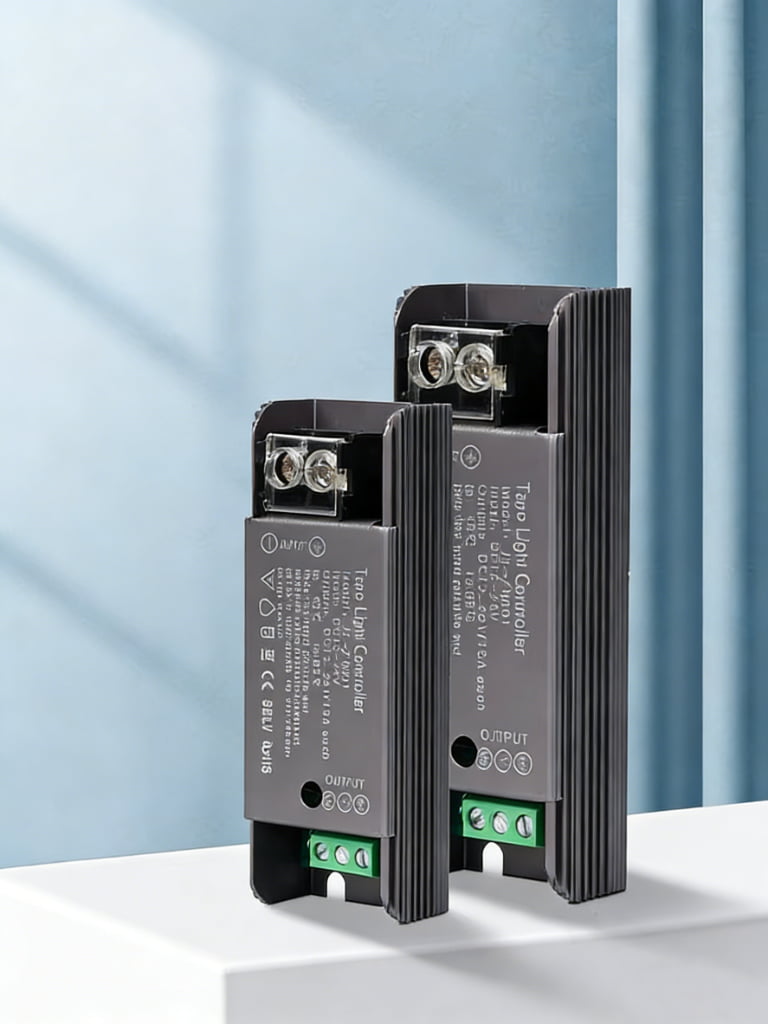
Burned-out LED strip1s, flickering lights, and overheating issues - these frustrating problems often stem from one overlooked culprit: improperly matched or low-quality power adapter2s. As a manufacturer, I've seen countless projects fail due to this simple oversight.
The key to successful neon flex installation is selecting a power adapter2 with at least 25% higher wattage3 than your total LED power consumption. For example, a 60W LED strip1 should use a minimum 75W adapter to ensure stability and longevity.
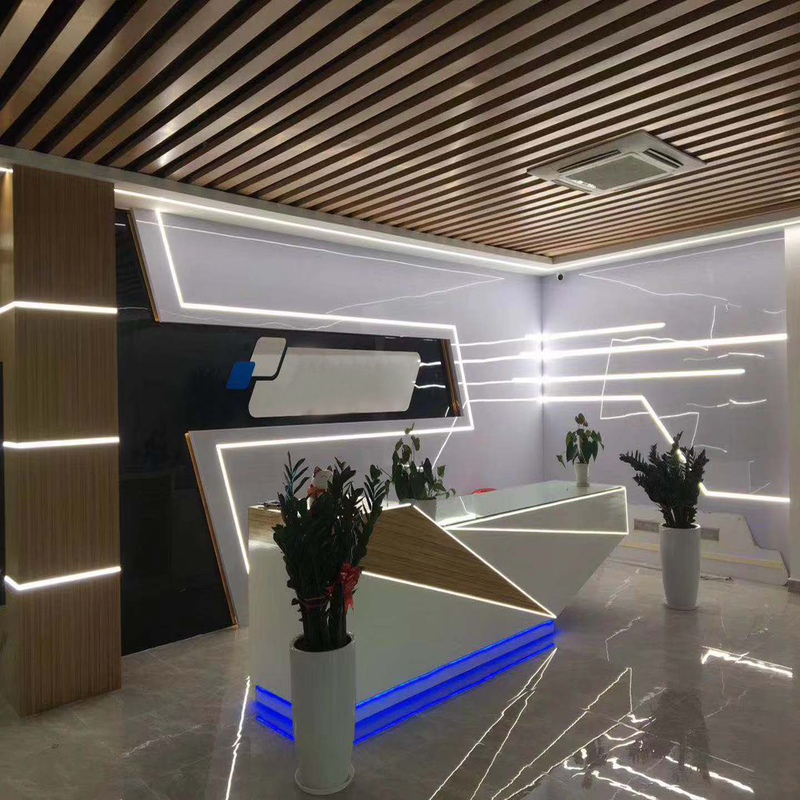
Let me share a real customer case that demonstrates why proper power adapter2 selection is crucial for your LED project's success and long-term reliability4.
Why Does Power Adapter Rating Matter for LED Installation?
Many customers initially focus solely on matching the adapter's wattage3 to their LED strip1's power consumption. This approach seems logical but can lead to serious problems down the line.
Running a power adapter2 at 100% capacity continuously stresses the components, reduces efficiency, and can cut the lifespan by more than 50%. This stress increases significantly in high-temperature environments.
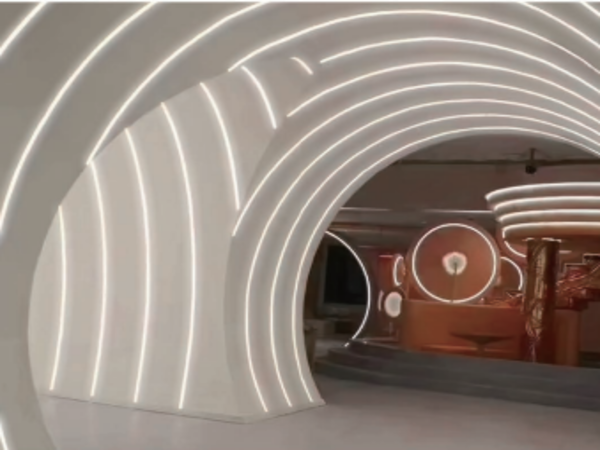
When it comes to power adapter2 selection, several critical factors need consideration beyond just matching wattage3 numbers. Here's a detailed breakdown of why proper sizing matters:
1. Temperature Management
- Operating Temperature Range: Power adapters running at full capacity generate more heat
- Component Stress: Higher temperatures accelerate the aging of electronic components
- Efficiency Impact: Heat reduces power conversion efficiency, creating a negative feedback loop
2. Long-term Reliability
| Factor | Impact of Proper Sizing | Impact of Undersizing |
|---|---|---|
| Lifespan | 5+ years typical | 2-3 years or less |
| Stability | Consistent output | Voltage fluctuations |
| Maintenance | Minimal required | Frequent replacements |
3. Cost Implications
The initial savings from choosing a lower-rated adapter often lead to higher long-term costs through:
How to Calculate the Right Power Adapter Size?
The question of proper sizing comes up frequently in our customer consultations. Here's our field-tested recommendation based on years of experience.
Use this simple formula: Required Adapter Wattage = Total LED Strip Power × 1.25. For instance, if your LED strip1 consumes 60W, choose a 75W or higher-rated adapter.
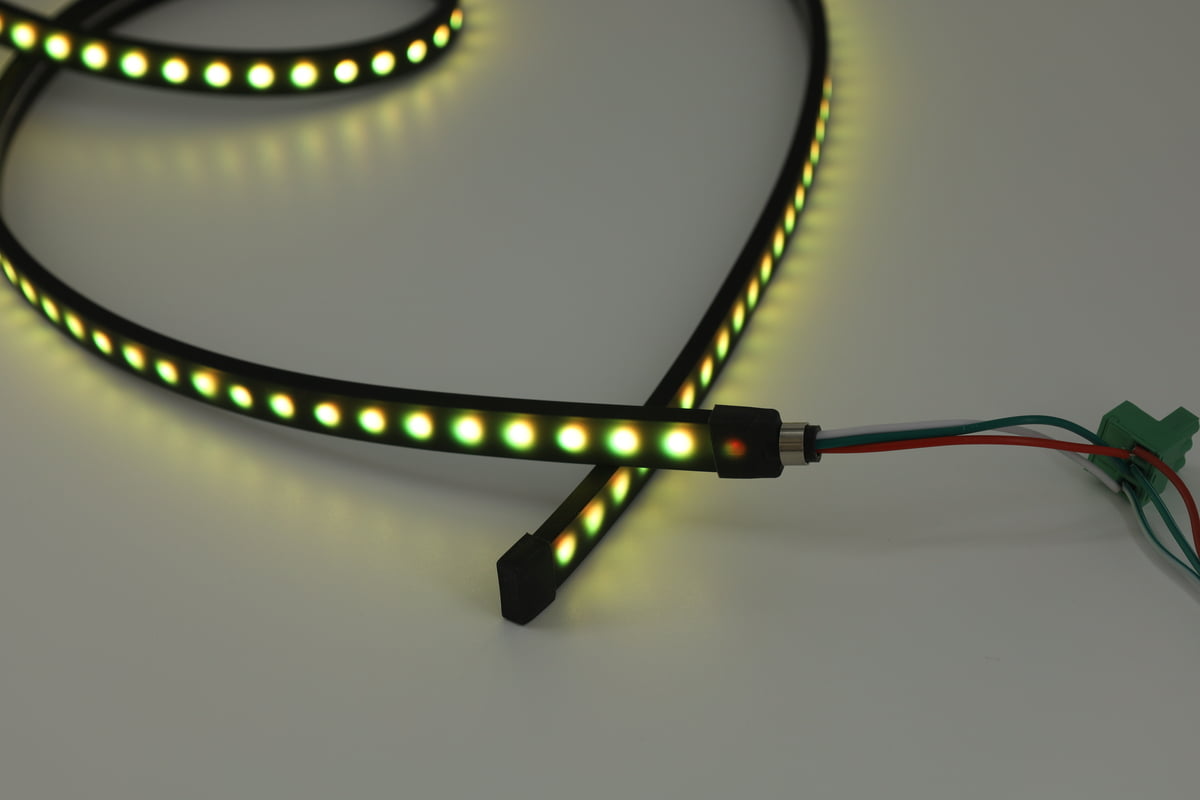
Understanding the proper sizing calculation involves several key considerations:
Power Calculation Factors
-
Base Power Consumption
-
Environmental Factors
- Ambient temperature range
- Installation location (indoor/outdoor)
- Ventilation conditions
-
Usage Patterns
- Daily operation hours
- Dimming requirements
- Control system compatibility
A comprehensive approach to power adapter2 selection should consider all these factors to ensure optimal performance and longevity of your LED installation.
What Are the Signs of an Undersized Power Adapter?
Many installers overlook early warning signs of power adapter2 problems until it's too late. Being proactive can save both time and money.
Common symptoms include LED flickering, inconsistent brightness, strips running noticeably hot, or sections failing prematurely. These issues typically appear within the first few months of operation.
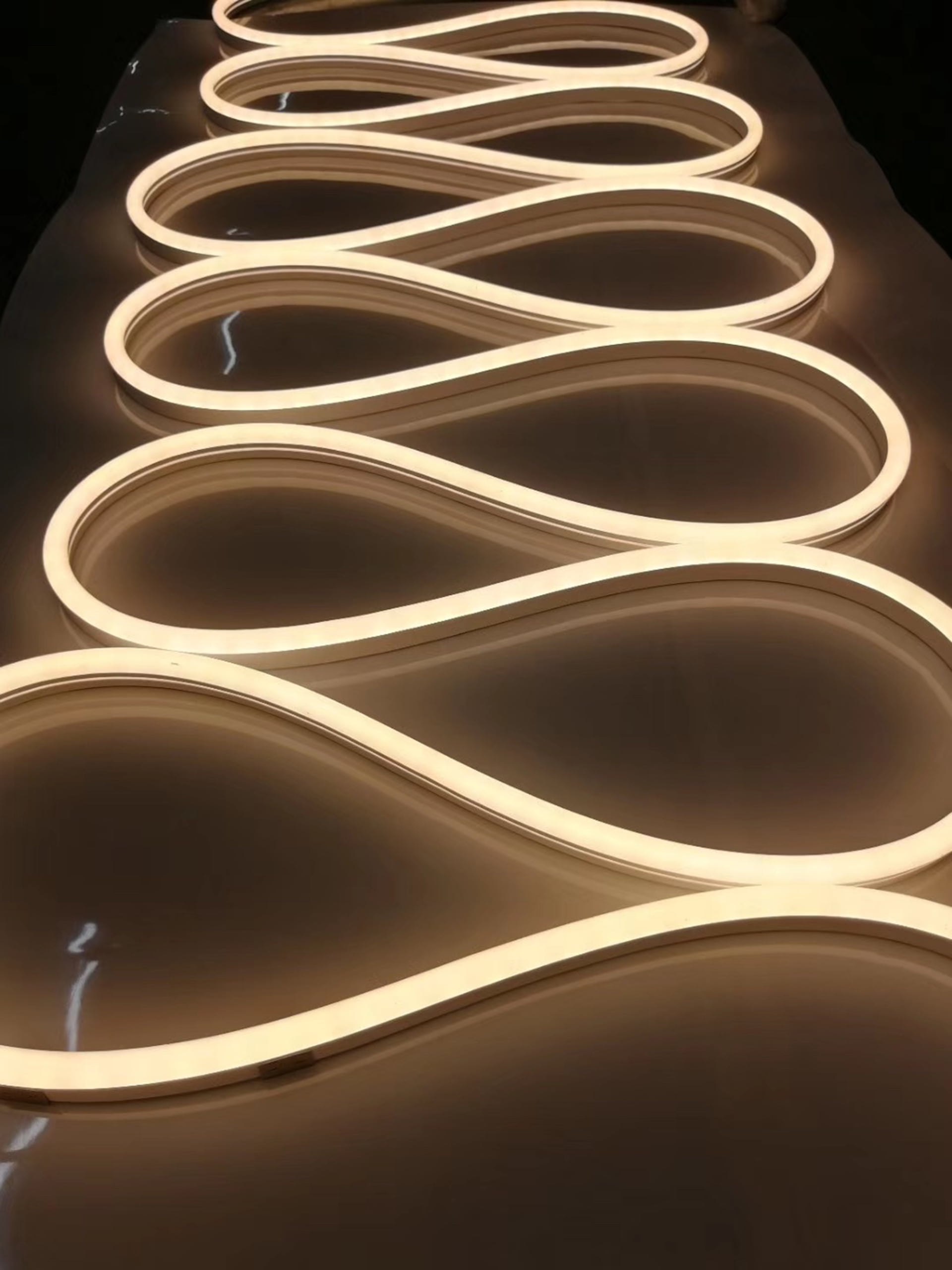
Let's dive deeper into the warning signs and their implications:
Physical Indicators
-
Temperature Issues
- Adapter housing feels hot to touch
- Surrounding area shows heat damage
- Burning smell during operation
-
Performance Problems
- Voltage instability
- Current fluctuations
- Intermittent operation
-
Visual Symptoms Symptom Possible Cause Recommended Action Flickering Voltage instability Upgrade adapter Dimming Current limitation Check power rating Color shift Heat damage Replace adapter
Conclusion
Choosing the right power adapter2 isn't just about matching numbers - it's about ensuring your LED installation's longevity and reliability. Always size up by at least 25% and consider environmental factors for optimal performance.
Exploring LED strip functionality and power needs can help you make informed decisions for your projects. ↩
Understanding the significance of a suitable power adapter can prevent common LED issues and enhance performance. ↩
Learn how wattage affects performance and longevity of LED installations to avoid costly mistakes. ↩
Understanding the link between adapter sizing and reliability can save you from frequent replacements. ↩