

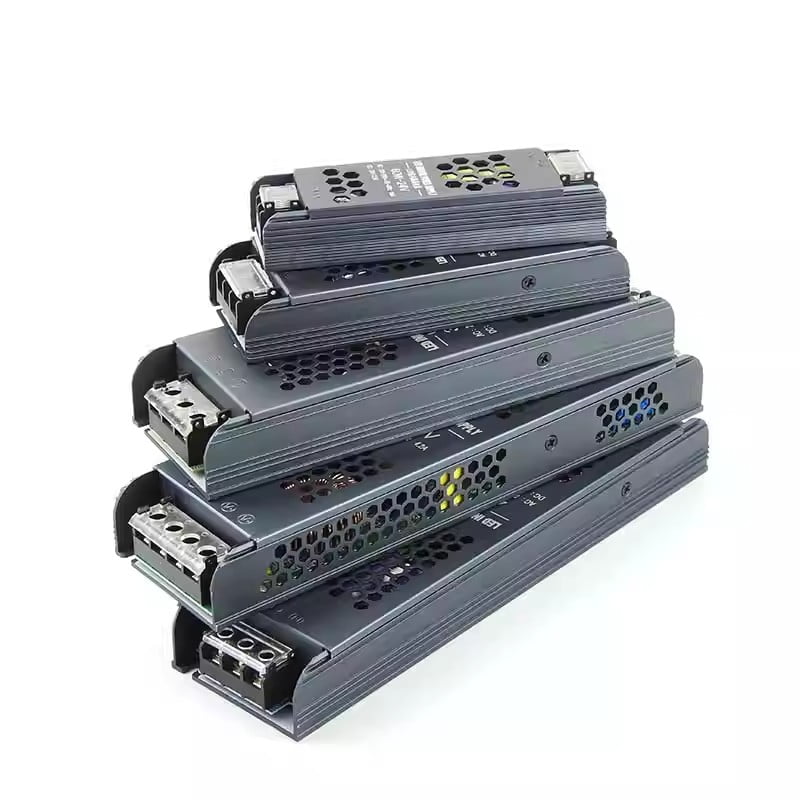
I've seen many projects fail because of improper power supply selection1. Just last month, a client approached me after their outdoor signage project started malfunctioning within six months of installation, all due to undersized power supplies.
When selecting a power supply for neon strip lights2, always choose one rated at least 20% higher than your total LED load. For example, if your strip lights consume 200W, opt for a minimum 240W power supply to ensure system longevity and stability.
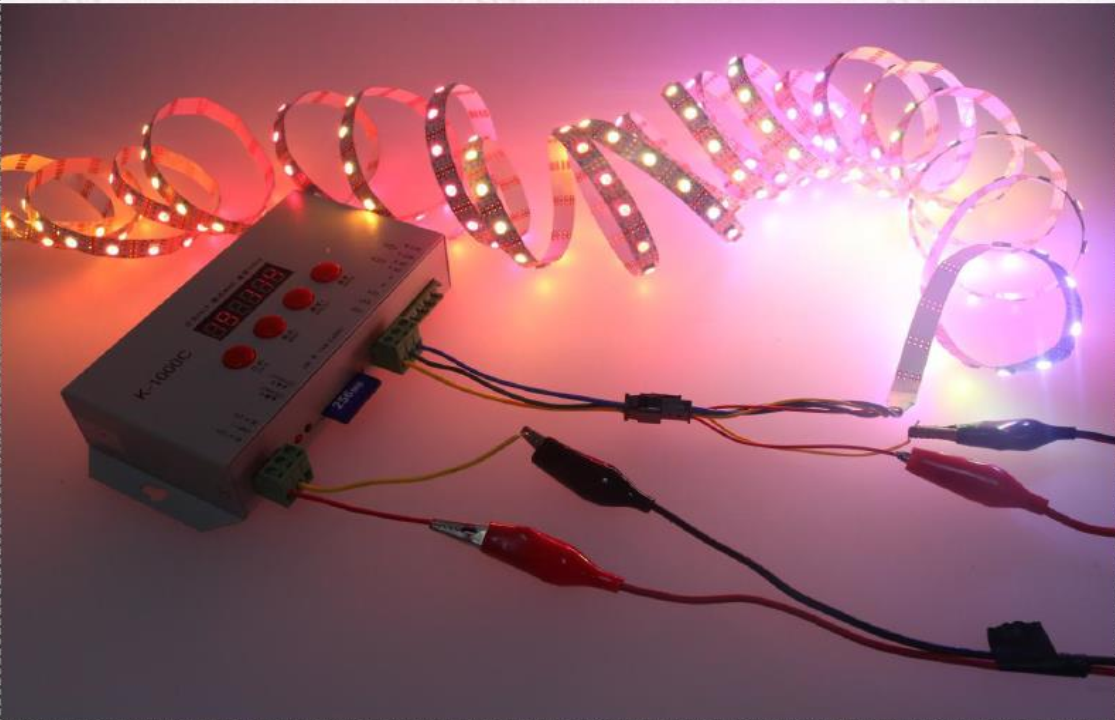
Let me share some critical insights from my decade of experience in LED lighting projects that will help you avoid costly mistakes and ensure your installation runs reliably for years.
Why Can't I Just Match the Power Supply to My LED Strip's Wattage?
Many of my clients initially think they can simply match their power supply rating to their LED strip's power consumption. This seemingly logical approach can lead to premature system failure and expensive repairs.
Running a power supply at 100% capacity continuously stresses internal components, especially electrolytic capacitors3, leading to accelerated aging and potential failure. This stress is particularly problematic in outdoor installations where temperatures fluctuate significantly.
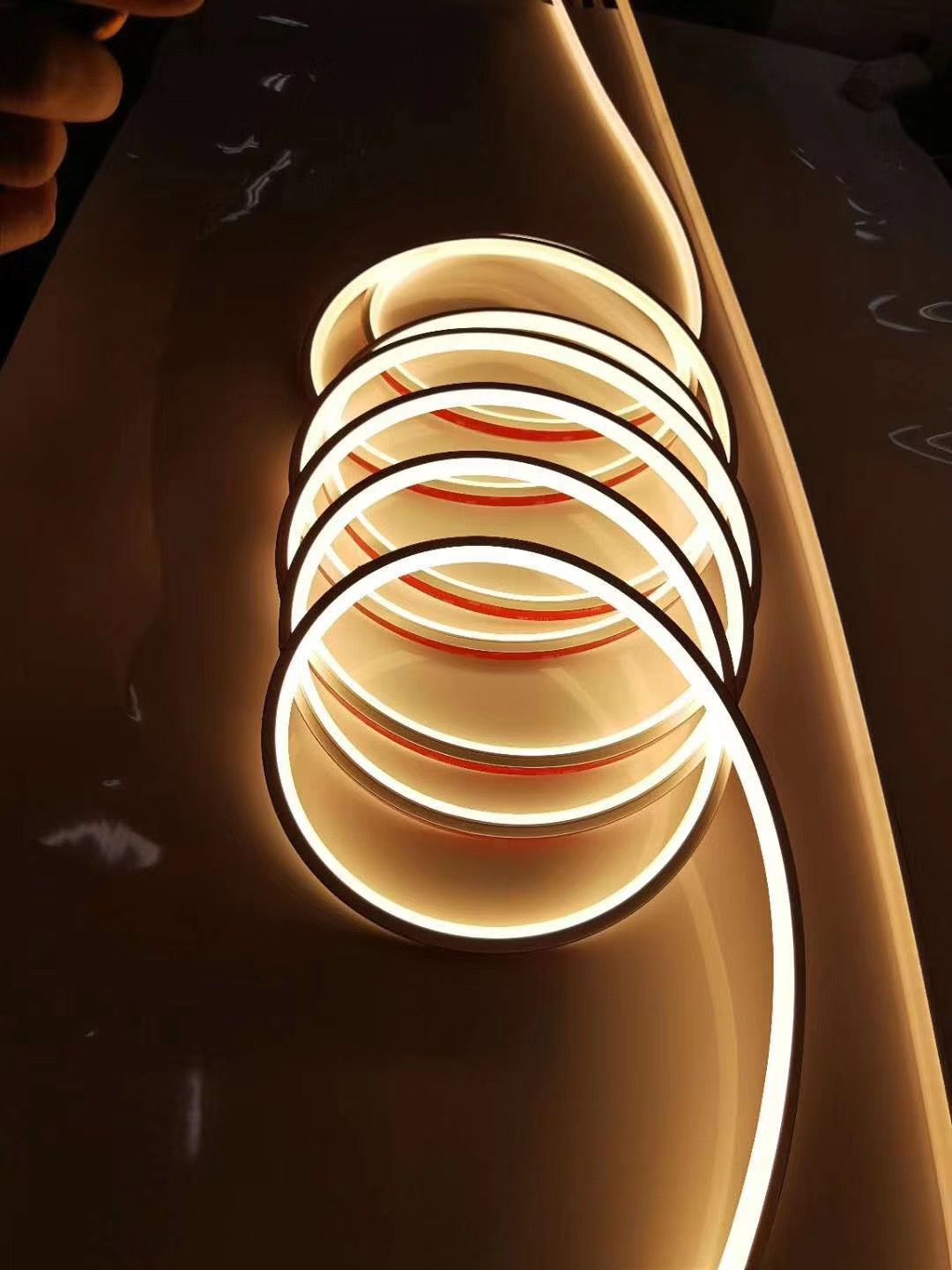
Understanding power supply selection1 requires diving deeper into several critical factors:
1. Temperature Impact on Performance
Operating temperature significantly affects power supply longevity. High-quality power supplies use premium components rated for extended operation at elevated temperatures:
- Standard grade: Reliable operation up to 40°C
- Industrial grade: Stable performance up to 60°C
- Military grade: Can handle extreme conditions up to 85°C
2. Load Capacity Considerations
| The relationship between load capacity and power supply lifespan follows an exponential curve: | Load Level | Expected Lifespan |
|---|---|---|
| 100% Load | 3-5 years | |
| 80% Load | 5-7 years | |
| 60% Load | 7-10 years |
3. Component Quality Matters
Not all power supplies are created equal. Key differentiating factors include:
- Capacitor brands (Rubycon vs. generic)
- Cooling design (passive vs. active)
- Protection circuits (OVP, OCP, SCP)
What Are the Real Costs of Undersizing Power Supplies?
I've witnessed countless projects where trying to save money on power supplies led to significant expenses down the line. One recent client learned this lesson the hard way.
Undersized power supplies can lead to voltage fluctuations4, reduced LED brightness, premature aging of components, and complete system failure. The replacement costs, including labor and downtime, often exceed 5-10 times the initial savings.
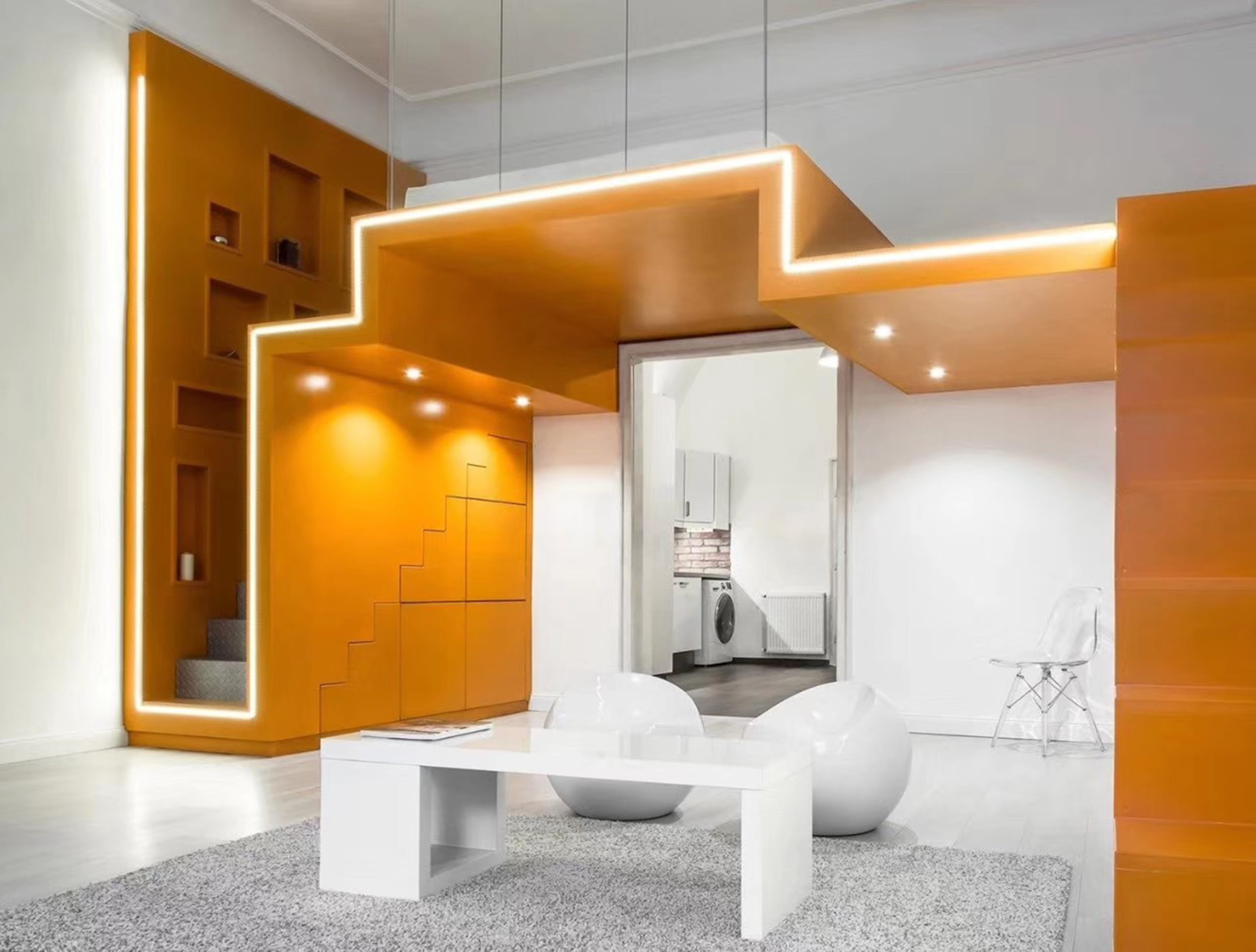
Let's break down the hidden costs of power supply failure:
1. Direct Replacement Costs
Beyond the power supply itself, consider:
- Emergency shipping costs
- Installation labor
- System downtime
- Potential damage to LED strips
2. Business Impact
Failed lighting systems can affect:
- Store front visibility
- Brand image
- Customer experience
- Safety compliance
3. Long-term Reliability
Quality power supplies offer:
- Better surge protection
- More stable output
- Lower operating temperatures
- Longer warranty periods
How Do Environmental Factors Affect Power Supply Selection?
After working with installations across various climates, I've learned that environmental conditions play a crucial role in power supply performance.
Environmental factors like ambient temperature, humidity, and ventilation can reduce a power supply's effective output by up to 30%. Always factor in these conditions when sizing your power supply.
Consider these environmental factors5 when selecting power supplies:
1. Temperature Derating
High temperatures significantly impact power supply performance:
- Every 10°C increase above rated temperature
- Requires 10-15% power derating
- Affects component lifespan exponentially
2. Installation Location
| Different locations require different considerations: | Location Type | Special Requirements |
|---|---|---|
| Indoor | Basic ventilation | |
| Outdoor | IP67 rating, surge protection | |
| Coastal | Corrosion resistance |
3. Altitude Considerations
Higher altitudes affect cooling efficiency:
- Above 2000m: Derate by 5%
- Above 3000m: Derate by 10%
- Above 4000m: Special cooling needed
Conclusion
Choose a power supply rated at least 20% above your LED strip's power requirements, consider environmental factors5, and invest in quality components to ensure long-term reliability and avoid costly failures.
Understanding power supply selection is crucial for ensuring longevity and reliability in LED installations. ↩
Choosing the right power supply for neon strip lights is essential for optimal performance and durability. ↩
Learn how electrolytic capacitors affect power supply longevity and reliability in LED systems. ↩
Learn about the detrimental effects of voltage fluctuations on LED brightness and lifespan. ↩
Explore how environmental conditions can significantly affect power supply performance and reliability. ↩