
LED strip lights falling off your wall is frustrating and costly. Many people rely solely on adhesive backing, only to face disappointment when their beautiful lighting setup starts peeling away within months.
The best way to install LED strips without adhesive is using aluminum channels/profiles1. These U-shaped tracks not only securely hold the strips but also act as crucial heat sinks, extending LED lifespan2 by up to 30% through proper heat dissipation.
Let me share a real story that changed how I view LED strip installation forever. A client once lost thousands on a project when their LED strips started falling off just weeks after installation. This experience taught us both valuable lessons about proper mounting techniques.
Why do LED strips fall off walls even with strong adhesive?
The sticky backing on LED strips often fails because most surfaces like wallpaper, wood, or painted walls aren't ideal for long-term adhesion. Heat buildup from the LEDs can also weaken the adhesive over time.
The main reason LED strips detach is thermal cycling3 - the repeated heating and cooling as lights turn on and off. This causes the adhesive to expand and contract, eventually losing its grip. Surface dust, humidity, and temperature variations accelerate this process.
Dive deeper: When I first started in LED lighting, I thought stronger adhesive was the solution. However, years of experience have taught me that proper mounting is about managing three critical factors:
Heat Management
The LED junction temperature needs to stay below 85°C for optimal performance. Direct wall mounting can cause:
- Phosphor degradation from heat buildup
- Color shifting
- Reduced brightness
- Premature LED failure
Surface Compatibility
| Different surfaces require different mounting approaches: | Surface Type | Challenges | Recommended Solution |
|---|---|---|---|
| Wallpaper | Poor adhesion, heat damage | Aluminum profile with clips | |
| Concrete | Dusty surface, moisture | Aluminum profile with screws | |
| Wood | Material expansion | Aluminum profile with flexible mount |
Installation Environment
Environmental factors heavily impact mounting success:
- Temperature fluctuations
- Humidity levels
- UV exposure
- Air circulation
What's the best alternative to adhesive mounting?
Many DIY enthusiasts struggle with unreliable tape solutions that seem secure at first but fail over time. This frustration often leads to repeated reinstallation attempts and damaged walls.
The most reliable solution is using aluminum profiles (channels) with proper mounting clips. These provide mechanical support, heat dissipation, and professional finish while protecting the LED strip from environmental factors4.
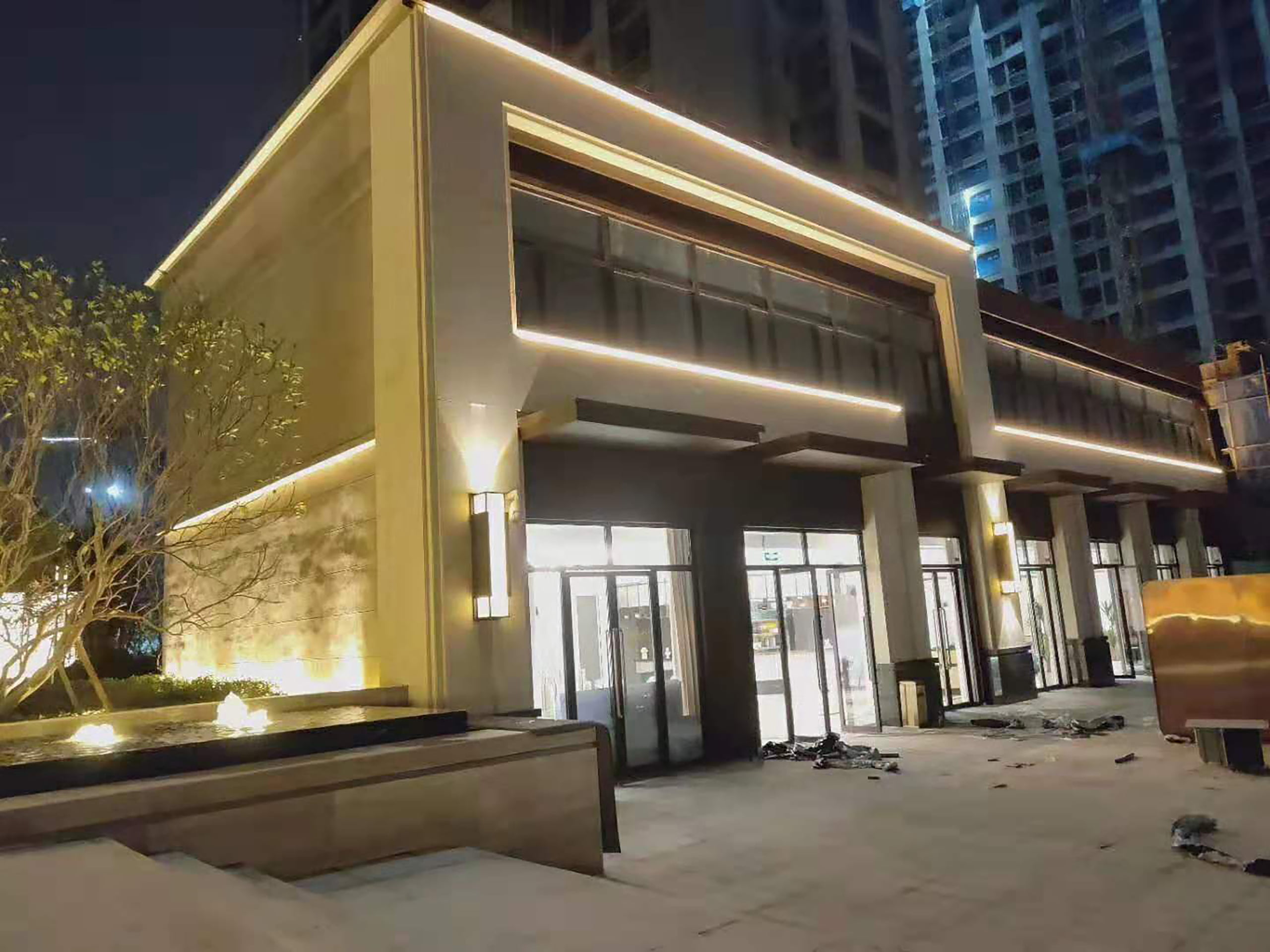
Dive deeper: Through extensive testing and real-world applications, I've identified key advantages of aluminum profile systems5:
Thermal Benefits
Temperature measurements show that aluminum profiles can:
- Reduce LED junction temperature by 10-20°C
- Extend LED lifespan2 by over 30%
- Maintain consistent color quality
- Prevent premature failure
Installation Flexibility
| Modern profile systems offer various mounting options: | Mounting Type | Best For | Key Benefits |
|---|---|---|---|
| Surface Mount | Visible lighting | Easy installation, clean look | |
| Recessed | Hidden lighting | Professional finish, protection | |
| Suspended | Pendant lighting | Adjustable height, modern aesthetic |
The profile system also allows for:
- Easy LED strip replacement
- Better wire management
- Protection from physical damage
- Professional light diffusion
How do I choose the right mounting solution for my project?
The wrong mounting choice can lead to costly repairs and disappointed clients. I've seen beautiful lighting designs ruined by poor installation decisions.
Select mounting solutions6 based on three key factors: installation location (indoor/outdoor), surface material, and lighting purpose. For most indoor applications, a basic aluminum profile with clips provides the ideal balance of security and heat management7.
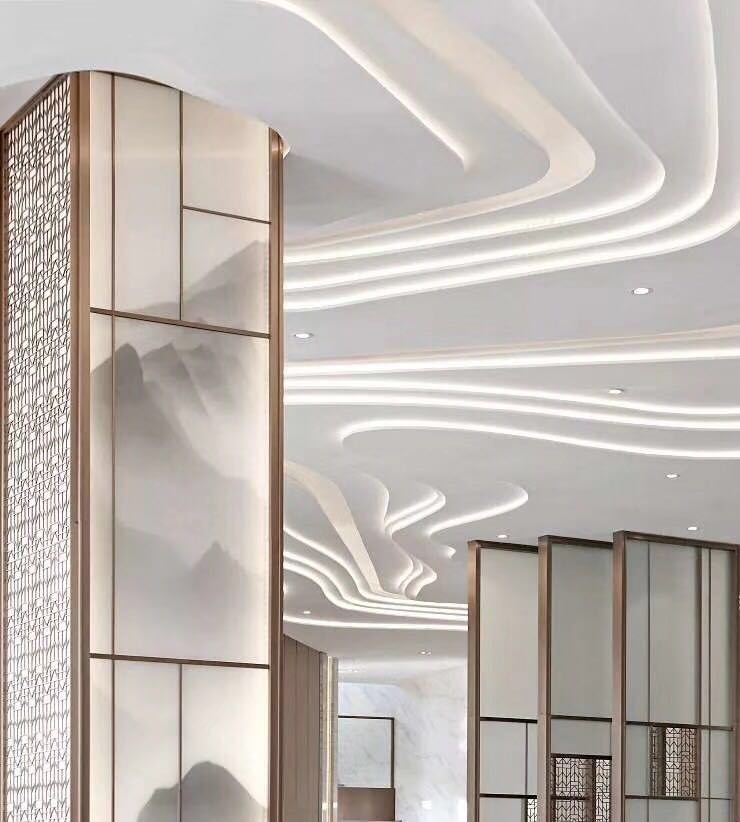
Dive deeper: My experience with hundreds of installations has shown that successful mounting depends on careful consideration of:
Application Requirements
| Different scenarios need different approaches: | Application | Profile Type | Installation Method |
|---|---|---|---|
| Cove Lighting | Deep channel | Screw mount | |
| Under Cabinet | Slim profile | Magnetic mount | |
| Outdoor Signs | IP-rated housing | Bracket mount |
Environmental Factors
Consider these critical elements:
- Temperature range exposure
- Moisture levels
- UV exposure
- Physical access for maintenance
- Vibration exposure
The right profile system should address all these factors while providing:
- Proper heat dissipation
- Protection from physical damage
- Easy maintenance access
- Professional appearance
Conclusion
Forget unreliable adhesive mounting - aluminum profiles are the professional solution for secure, long-lasting LED strip installation. They protect your investment while ensuring optimal performance through proper heat management7.
Explore how aluminum channels enhance LED strip installations by providing secure mounting and heat dissipation. ↩
Learn effective strategies to prolong the lifespan of your LED lights and improve their performance. ↩
Understand the impact of thermal cycling on LED performance and how to mitigate its effects. ↩
Explore critical environmental factors that can affect the performance and installation of LED lighting. ↩
Learn about the benefits of using aluminum profile systems for a professional and durable LED installation. ↩
Get insights into various mounting solutions that ensure secure and effective LED strip installations. ↩
Find out how to manage heat effectively to enhance the performance and longevity of your LED lights. ↩