

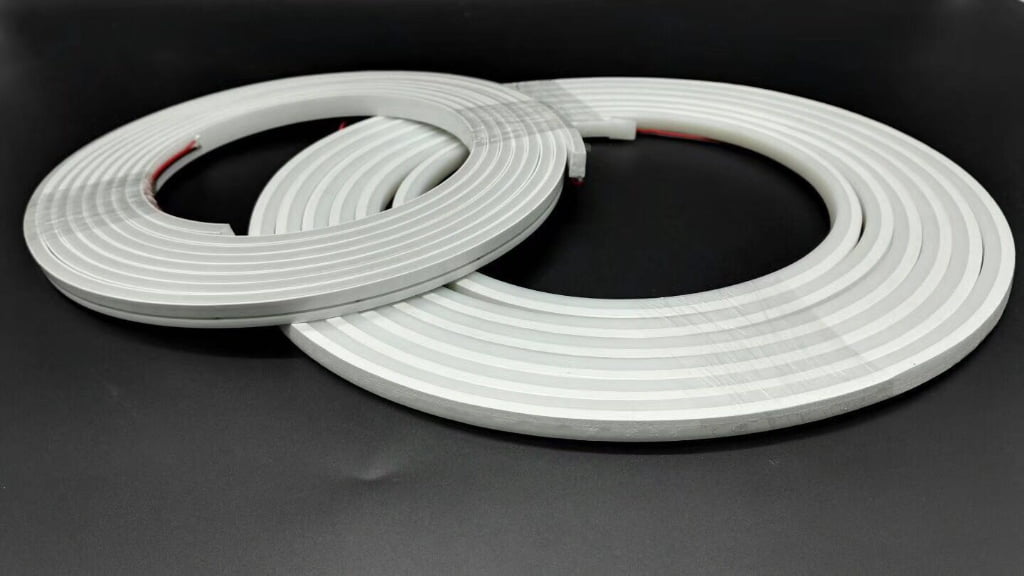
Water damage in LED strip covers is a common but serious issue that can ruin your lighting installation. I've seen countless cases where poor-quality silicone tubes shrink over time, exposing the LED strips to moisture.
The key to preventing LED strip silicone cover failures lies in post-curing technology1 and proper material formulation2. Post-curing releases internal stress3 and stabilizes the silicone, preventing shrinkage that leads to water ingress and exposed LEDs.
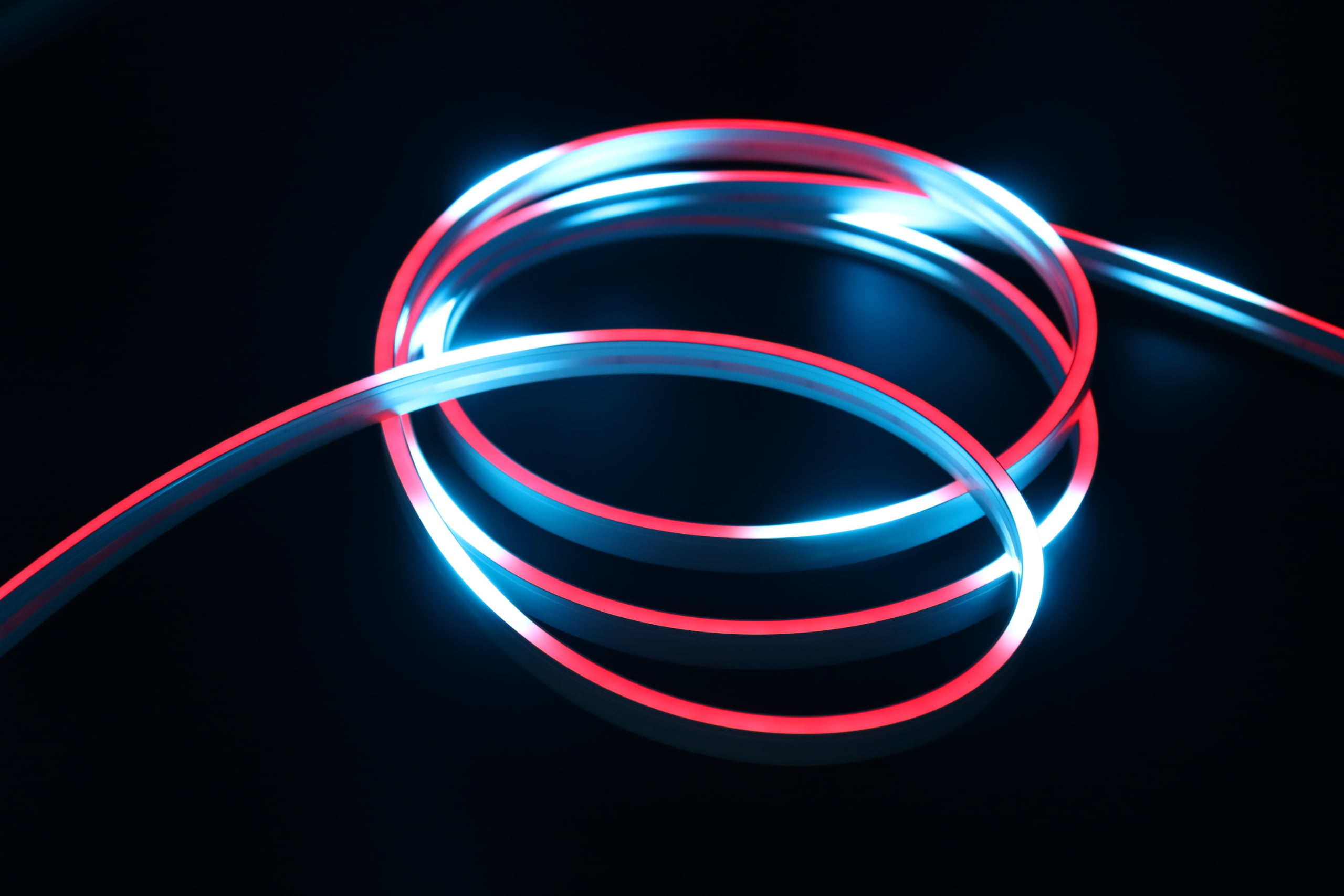
As someone who has spent years manufacturing LED strip silicone covers, I've learned that proper material science and manufacturing processes make all the difference between a failed installation and one that lasts for years. Let me share what really matters.
Why Do LED Strip Silicone Covers Shrink Over Time?
I recently had a customer send me their failed LED installation - the silicone tubes had shrunk significantly after just 6 months, exposing the LED strips to rain and moisture. This is a textbook case of poor manufacturing processes.
Silicone shrinkage occurs due to internal stress3 built up during the high-temperature extrusion process. Without proper post-curing treatment, the silicone will gradually contract over time, potentially shrinking 2-3% in length within the first year.
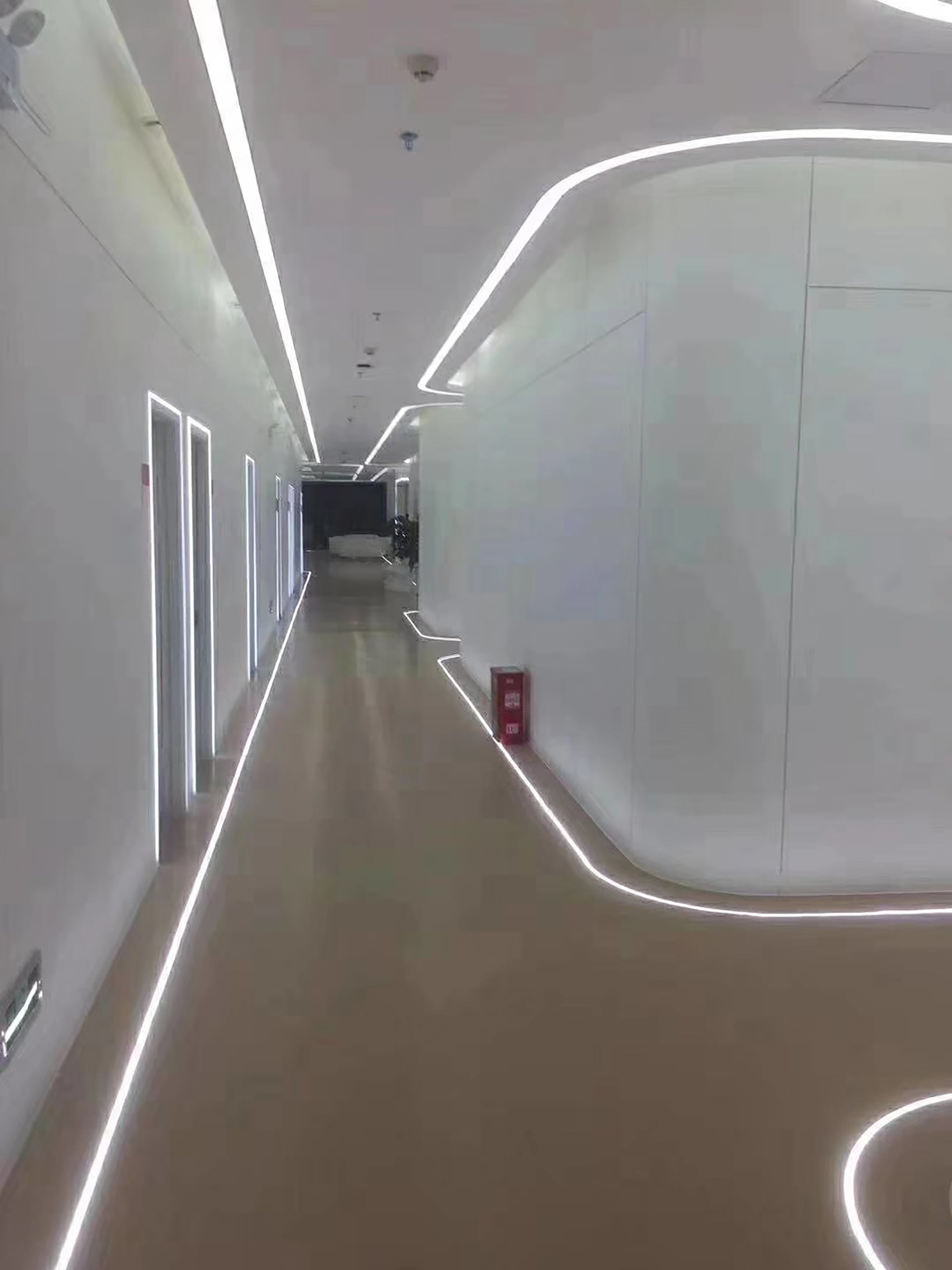
The science behind silicone shrinkage4 is fascinating yet complex. Let me break it down:
Key Factors Affecting Silicone Stability
-
Material Formulation
- Base silicone composition
- Crosslinking agent ratio
- Catalyst type and concentration
-
Processing Parameters
- Extrusion temperature profile
- Cooling rate control
- Post-cure conditions
-
Environmental Factors Factor Impact Prevention UV Exposure Accelerates degradation UV stabilizers Temperature cycling Increases shrinkage Proper post-cure Moisture exposure Affects dimensional stability5 Optimized formulation
The real solution lies in implementing a rigorous post-curing process. By subjecting the silicone covers to controlled temperature and time conditions after extrusion, we can release the internal stress3 before the product reaches the customer. This process, while adding to manufacturing time and cost, ensures long-term dimensional stability5 and prevents moisture ingress.
How Can You Identify Quality Silicone LED Covers?
After seeing hundreds of failed installations, I've learned to spot the warning signs of poor-quality silicone covers before they're even installed.
Quality silicone LED covers should have consistent wall thickness, uniform texture, and proper certification markings. Look for post-cure certification, shore hardness ratings of 65±5A, and dimensional tolerance specifications of ±0.2mm.
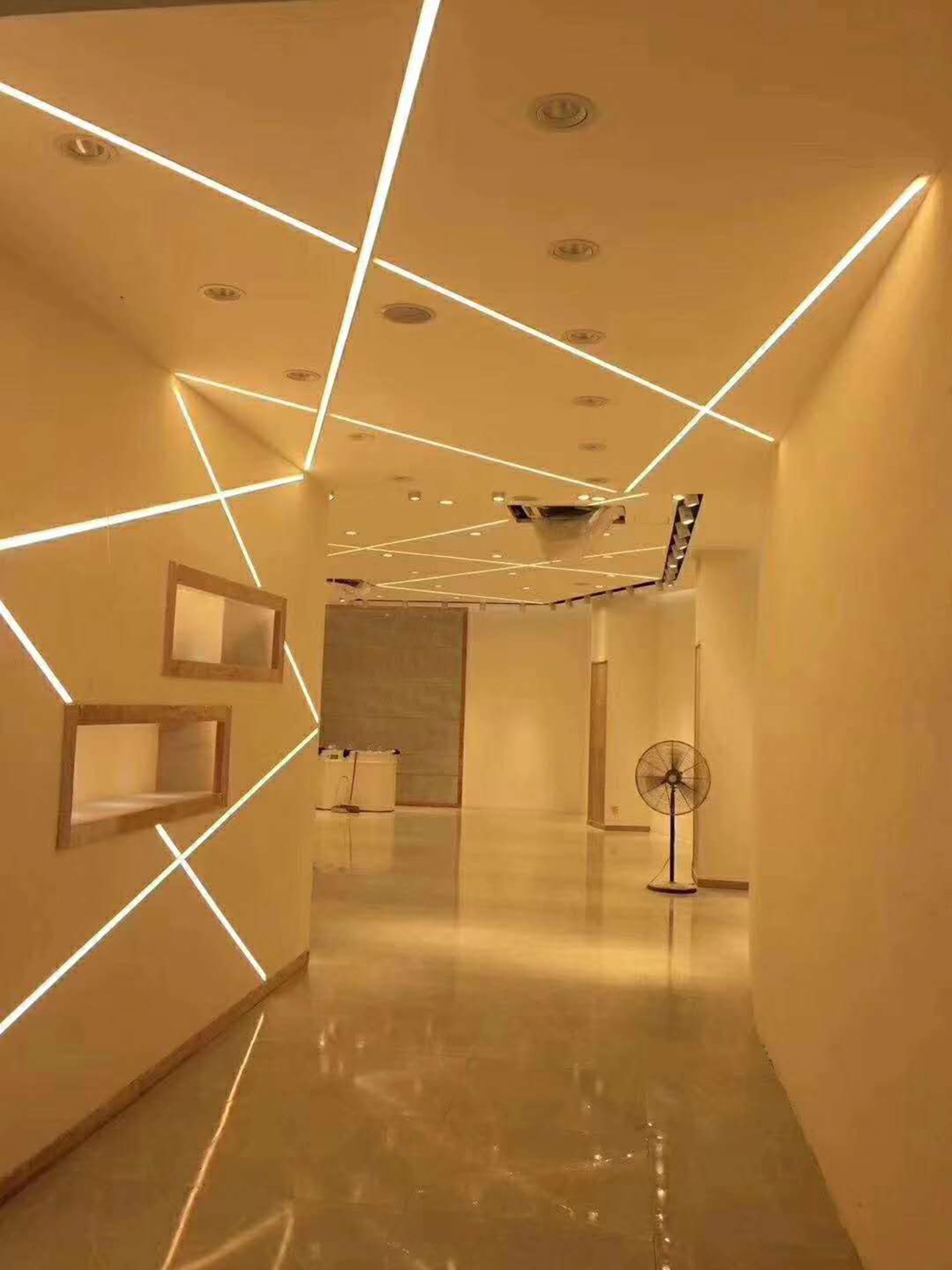
Understanding quality indicators6 requires knowledge of both material properties and manufacturing processes. Here's what professionals look for:
Critical Quality Indicators
Physical Properties
- Shore Hardness7: 65±5A
- Elongation: >300%
- Tensile Strength: >7MPa
Manufacturing Excellence
| Aspect | Standard | Impact |
|---|---|---|
| Wall Thickness | ±0.1mm variation | Even light diffusion |
| Surface Finish | No visible defects | Aesthetic appearance |
| End Sealing | Double-sealed ends | Water resistance |
The manufacturing process must include strict quality control at each step. We implement 100% visual inspection and regular dimensional checking during production. Additionally, samples from each batch undergo accelerated aging tests8 to verify long-term stability.
What's The Future of LED Strip Silicone Covers?
Having worked with leading lighting designers and manufacturers, I've seen the industry's direction shifting toward more sophisticated solutions.
The future of LED strip silicone covers lies in smart materials9 that can self-heal, change color with temperature, and integrate IoT sensors. Advanced manufacturing techniques like 3D-printed molds10 and nano-coating technologies are already revolutionizing the industry.
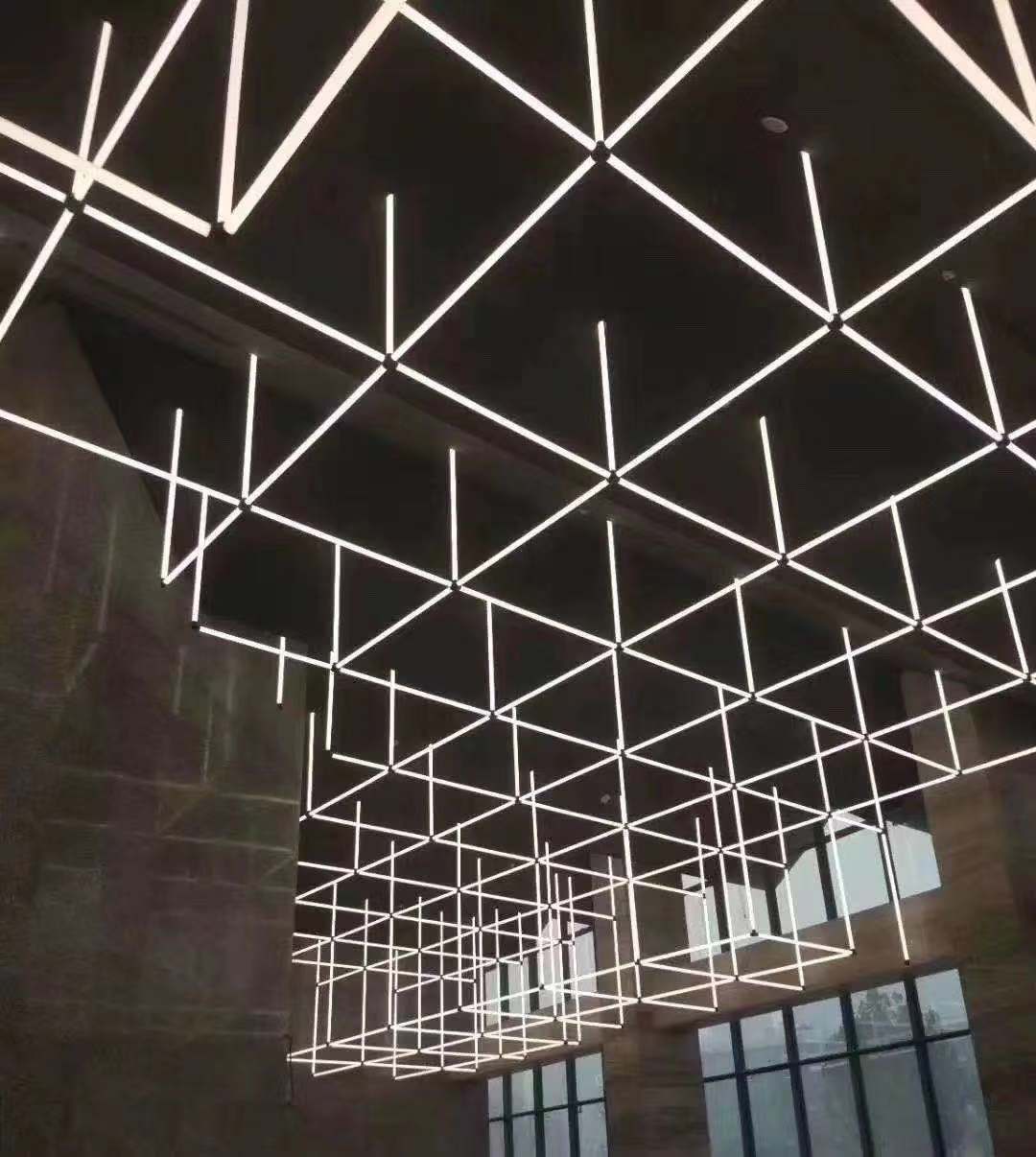
The evolution of LED strip covers is driven by both technological advances and market demands. Consider these emerging trends:
Innovation Directions
Material Technology
-
Self-healing Silicones
- Automatic micro-crack repair
- Extended product lifespan
- Reduced maintenance costs
-
Smart Integration Feature Benefit Application Temperature sensing Safety monitoring Industrial settings Color-changing Visual feedback Architectural lighting IoT connectivity Remote monitoring Smart buildings
The integration of these technologies with traditional silicone manufacturing requires new approaches to quality control and testing. We're currently developing protocols for validating these advanced features while maintaining the core reliability that customers expect.
Conclusion
Proper post-curing technology1 and material formulation2 are essential for reliable LED strip silicone covers. By understanding and implementing these critical factors, we can ensure long-lasting, water-resistant installations that meet modern lighting demands.
Explore this link to understand how post-curing technology enhances silicone durability and prevents water damage. ↩
Learn about the importance of material formulation in silicone products and its impact on longevity. ↩
Understanding internal stress can help you appreciate the importance of proper manufacturing processes. ↩
Discover the science behind silicone shrinkage and how it affects LED installations. ↩
Find out how to ensure dimensional stability in silicone covers for better performance. ↩
Explore the key quality indicators that can help you choose the best silicone LED covers. ↩
Learn why Shore Hardness ratings are crucial for assessing silicone quality and performance. ↩
Discover how accelerated aging tests ensure the long-term reliability of silicone products. ↩
Explore the future of LED technology with smart materials that enhance functionality and performance. ↩
Learn about the innovative use of 3D-printed molds in improving silicone cover production. ↩