

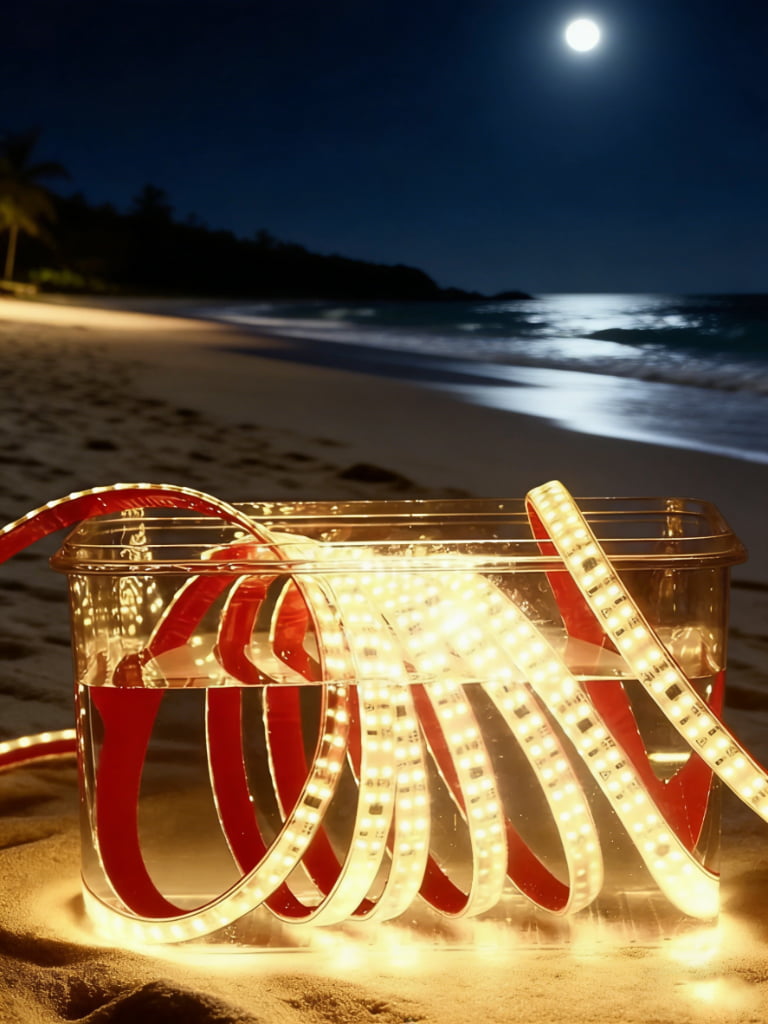
Many customers face a frustrating issue - their "waterproof" LED strips show condensation or even algae growth inside after just months of outdoor use. This common but serious problem can significantly reduce the lifespan of your lighting installation.
To achieve true IP67/IP68 water resistance1 in LED neon flex, you need a solid silicone extrusion2 structure with no hollow cavity, combined with anti-wicking cable glands3 and proper sealing at wire entry points. This prevents the "breathing effect4" that draws moisture inside over time.
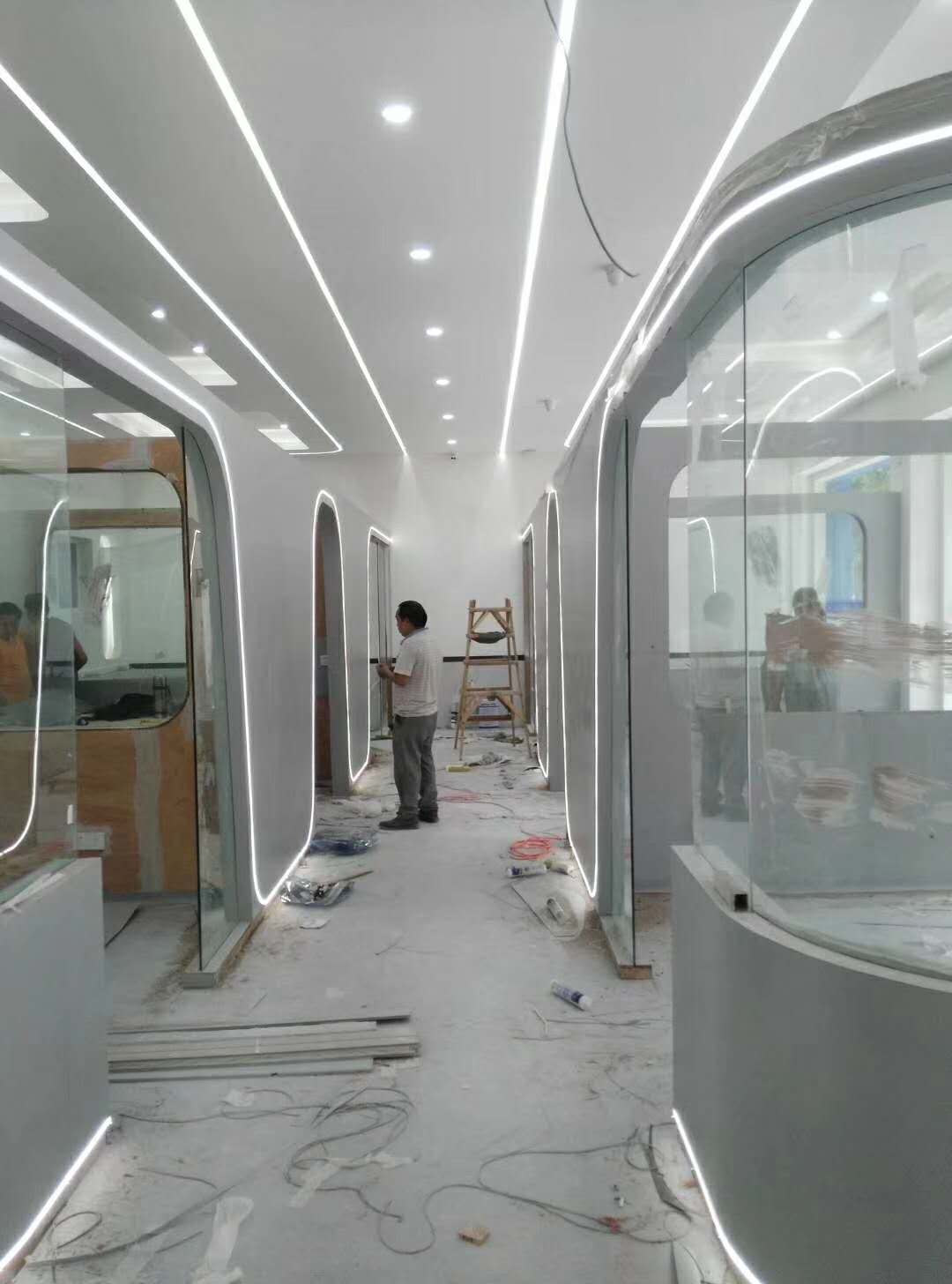
The real challenge with outdoor LED lighting isn't just keeping water out initially - it's maintaining that seal over years of temperature cycles and environmental exposure. Let's explore why traditional hollow designs fail and how proper engineering solves this issue.
Why Do "Waterproof" LED Strips Still Get Moisture Inside?
Your LED strip isn't just leaking - it's actually breathing. When powered on, the internal air expands and escapes through tiny gaps. When cooling, it creates negative pressure that draws humid air back in. This cycle repeats daily.
The breathing effect4 occurs because traditional hollow LED strips contain an air cavity. As internal temperatures cycle between hot and cold during use, this creates a pump-like effect that gradually draws moisture inside through wire entry points and microscopic gaps.
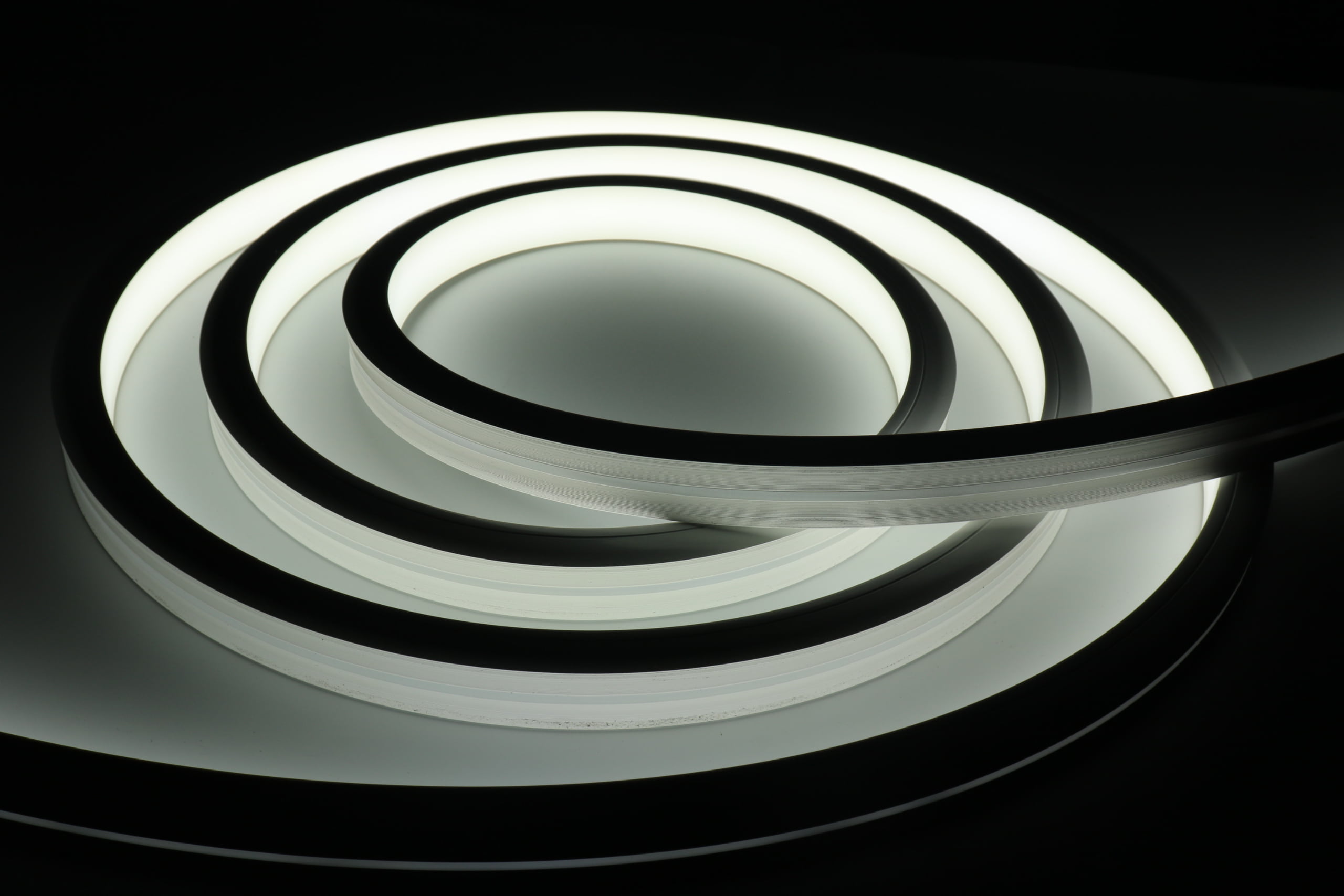
The Physics Behind LED Strip "Breathing"
Understanding the mechanism behind moisture infiltration is crucial for preventing it. Here's a detailed breakdown of the process:
Temperature Cycle Effects
-
Heating Phase
- Strip powers on and warms up
- Internal air expands
- Pressure forces air out through tiny gaps
-
Cooling Phase
- Strip powers off and cools
- Internal air contracts
- Creates vacuum effect
- Draws in humid external air
This cycle creates several problems:
- Continuous moisture accumulation
- Potential algae growth
- Corrosion of internal components
- Reduced light output
- Shortened lifespan
How Do We Achieve True IP68 Protection?
I've spent years developing solutions to this persistent problem. The answer lies not in better sealants, but in completely rethinking the structural design of LED neon flex.
The solution is threefold: using solid silicone extrusion2 with no air cavity, implementing anti-wicking cable glands3 at wire entry points, and conducting thermal cycle testing5 to verify seal integrity. This eliminates the breathing effect4 entirely.
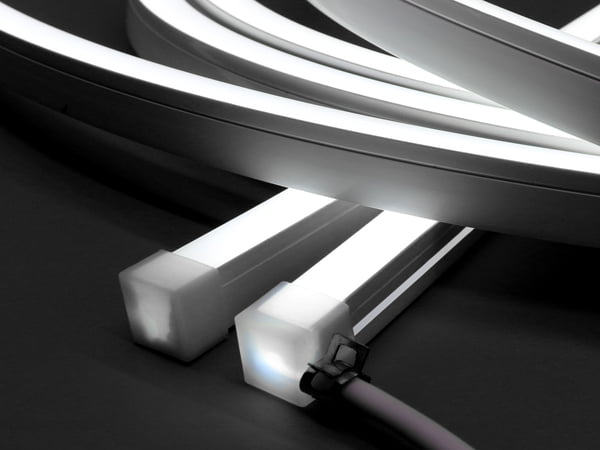
Engineering the Perfect Seal
Our approach to achieving genuine IP68 protection6 involves multiple layers of protection:
1. Solid Silicone Construction
- Full silicone encapsulation
- No internal air cavity
- Complete PCB embedment
- Elimination of breathing effect4
2. Wire Entry Protection
- Anti-wicking cable glands
- Secondary silicone sealing
- Capillary break design
- Strain relief integration
3. Verification Testing
- Thermal cycle testing
- Pressure differential monitoring
- Extended submersion tests
- Environmental aging simulation
The effectiveness of this design has been proven through extensive field testing. In one notable case study, samples were subjected to continuous power cycling in high humidity conditions for several weeks, showing no internal condensation - while traditional hollow designs showed moisture accumulation within days.
Conclusion
True IP68 protection6 isn't just about passing a simple water immersion test - it requires understanding and addressing the complex physics of thermal cycling and moisture infiltration through innovative engineering solutions.
Understanding IP67/IP68 ratings is crucial for ensuring your LED lights withstand outdoor conditions effectively. ↩
Discover how solid silicone extrusion can enhance the durability and water resistance of LED strips. ↩
Explore the role of anti-wicking cable glands in preventing moisture ingress in LED lighting systems. ↩
Learn about the breathing effect to prevent moisture issues in your LED installations and enhance their longevity. ↩
Understand the importance of thermal cycle testing in ensuring the reliability of LED products in varying temperatures. ↩
Learn about IP68 protection standards to ensure your outdoor lighting is truly waterproof and durable. ↩