

We've all been there - pushing LED strips into silicone tubes only to have them get stuck halfway through. Not only does this waste time, but it can also damage expensive LED strips. I've seen countless projects delayed by this seemingly simple task.
The key to smooth LED strip installation lies in choosing silicone profiles1 with properly treated inner walls and adequate clearance space. The profile should have a frosted/slick internal treatment, at least 0.2mm tolerance space, and optimized point-contact structure2 to minimize friction.
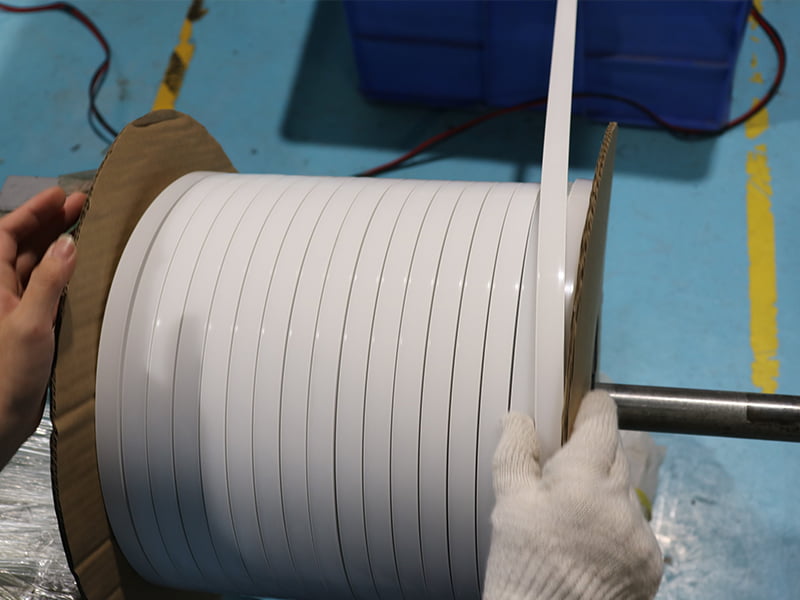
Let me share what I've learned over years of manufacturing silicone LED profiles and working with installers to solve these common challenges. Understanding these key factors will help you avoid costly installation headaches.
Why Do LED Strips Get Stuck Inside Silicone Tubes?
I've had customers call me in frustration when their beautiful, crystal-clear silicone tubes turn into installation nightmares. Their LED strips get stuck halfway through, forcing them to either abandon the project or risk damaging the electronics.
The two main culprits are high friction3 on untreated inner walls and insufficient clearance space for LED solder points. Without proper internal treatment and tolerance design, even premium-looking profiles can lead to installation failures.
Let's dive deeper into the technical aspects that make or break a successful installation:
1. Internal Wall Treatment
The inner surface texture of silicone profiles1 significantly impacts installation ease:
- Untreated surfaces: High friction coefficient, causing LED strips to stick
- Frosted/slick treatment: Creates microscopic air pockets reducing surface contact
- Lubricant additives: Permanent solution vs temporary powder coatings
2. Clearance Space Design
| Critical dimensions that affect installation: | Component | Minimum Clearance | Recommended Clearance |
|---|---|---|---|
| LED Strip Base | 0.1mm | 0.2mm | |
| Solder Points | 0.2mm | 0.3mm | |
| Wire Connections | 0.3mm | 0.4mm |
3. Contact Structure
Profile design strategies:
- Point contact: Reduces friction through minimal surface contact
- Ridge patterns: Creates guided channels for smooth insertion
- Compression zones: Provides secure fitting while maintaining easy installation
What Features Should You Look for in Quality Silicone Profiles?
After countless manufacturing iterations and customer feedback, I've identified the critical features that separate professional-grade profiles from problematic ones.
Quality silicone profiles1 should have internally frosted surfaces, precisely calibrated clearance spaces, and engineered contact points. These features ensure smooth installation while maintaining proper LED strip retention.
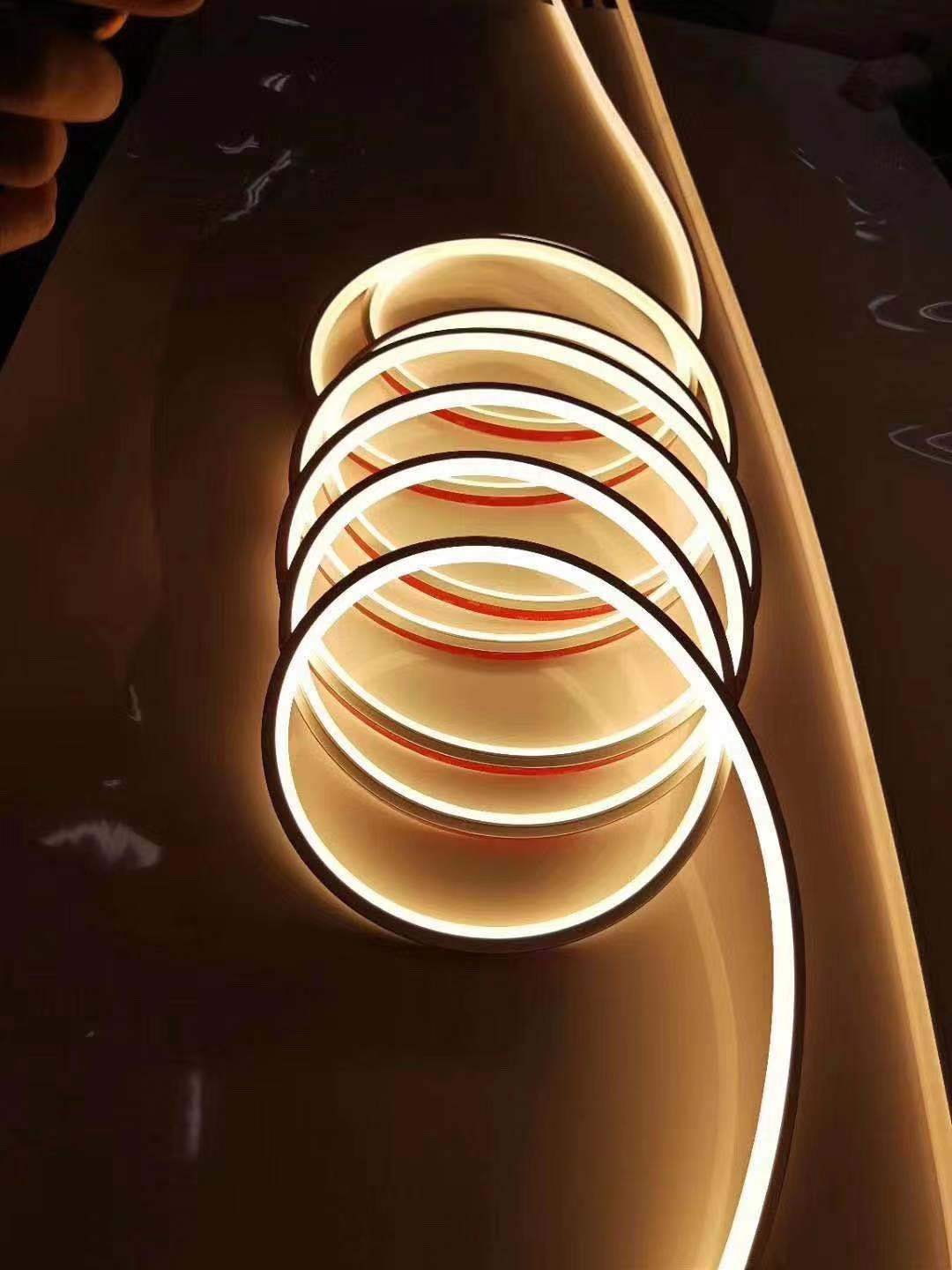
Understanding the manufacturing process helps explain why these features matter:
Material Selection Impact
Different silicone compounds affect profile performance:
- High-molecular silicone: Better dimensional stability
- Food-grade materials: Consistent texture and aging resistance
- UV-resistant formulations: Prevents yellowing and brittleness
Manufacturing Precision
| Quality control measures that ensure consistency: | Process Step | Critical Parameter | Acceptable Tolerance |
|---|---|---|---|
| Extrusion | Internal diameter | ±0.1mm | |
| Surface treatment | Friction coefficient | <0.3 | |
| Cooling | Temperature control | ±2°C |
Testing Standards
Verification procedures for installation compatibility4:
- Pull-through force testing
- Repeated installation cycles
- Environmental stress testing
How Can You Test Profile Quality Before Large-Scale Installation?
Throughout my years working with contractors, I've developed a simple yet effective testing protocol that saves time and prevents costly mistakes.
Before committing to a full project, test a 1-2 meter section of profile by checking inner wall treatment, measuring actual clearance space, and performing a sample installation. This quick validation can prevent major installation problems.
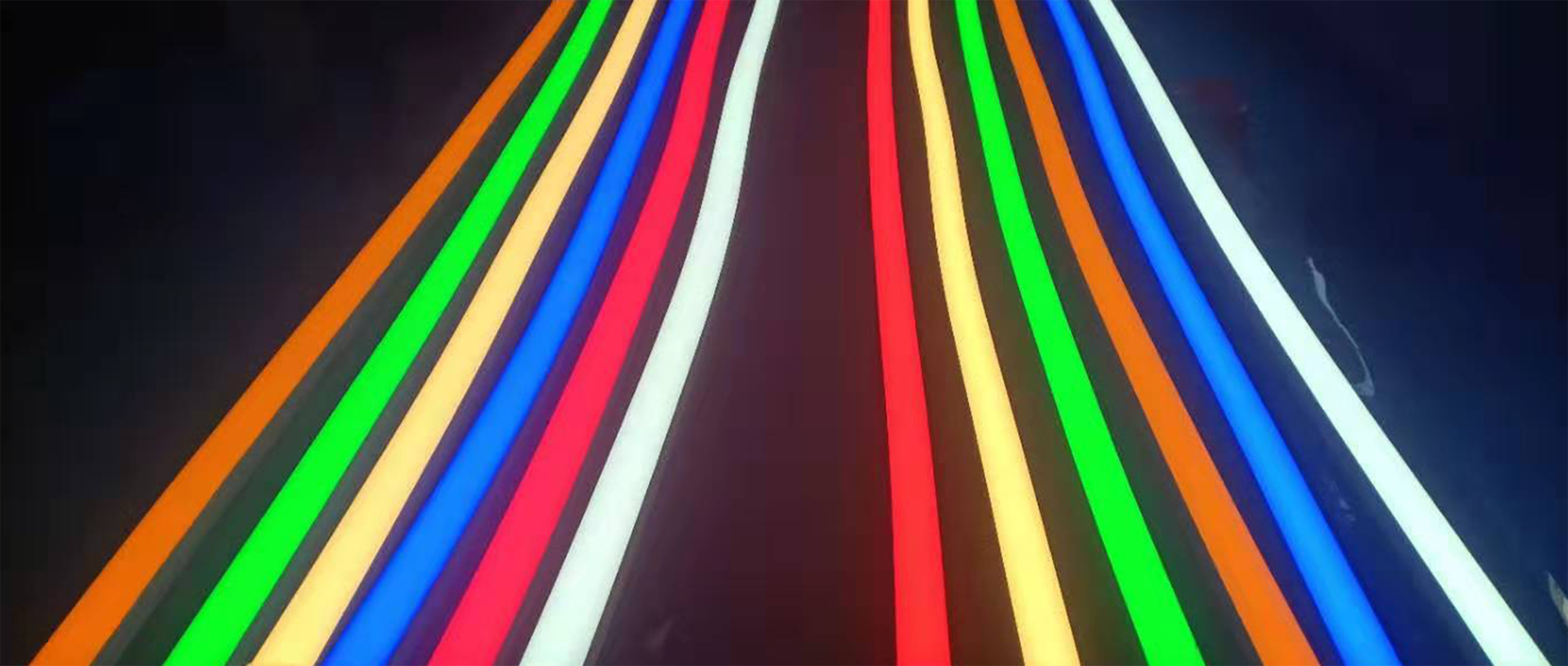
Testing best practices include:
Visual Inspection
Key checkpoints:
- Inner wall texture consistency
- Presence of anti-stick coating
- Dimensional uniformity
Physical Testing
| Critical measurements: | Test Type | Acceptance Criteria | Warning Signs |
|---|---|---|---|
| Push Force | <2N/meter | >5N/meter | |
| Retention | No slipping | Excessive grip | |
| Recovery | No deformation | Permanent marks |
Environmental Factors
Consider testing under:
- Different temperature conditions
- Varying humidity levels
- UV exposure scenarios
Conclusion
Successful LED installations depend more on profile design details than LED brightness. Choose profiles with proper internal treatment, adequate clearance, and optimized contact structure2 to ensure smooth, damage-free installations.
Explore this link to discover top-rated silicone profiles that ensure smooth LED strip installations. ↩
Understand how contact structure influences installation ease and LED strip retention. ↩
Discover the factors contributing to high friction and how to avoid them in your projects. ↩
Explore methods to verify that silicone profiles are compatible for successful LED strip installations. ↩