

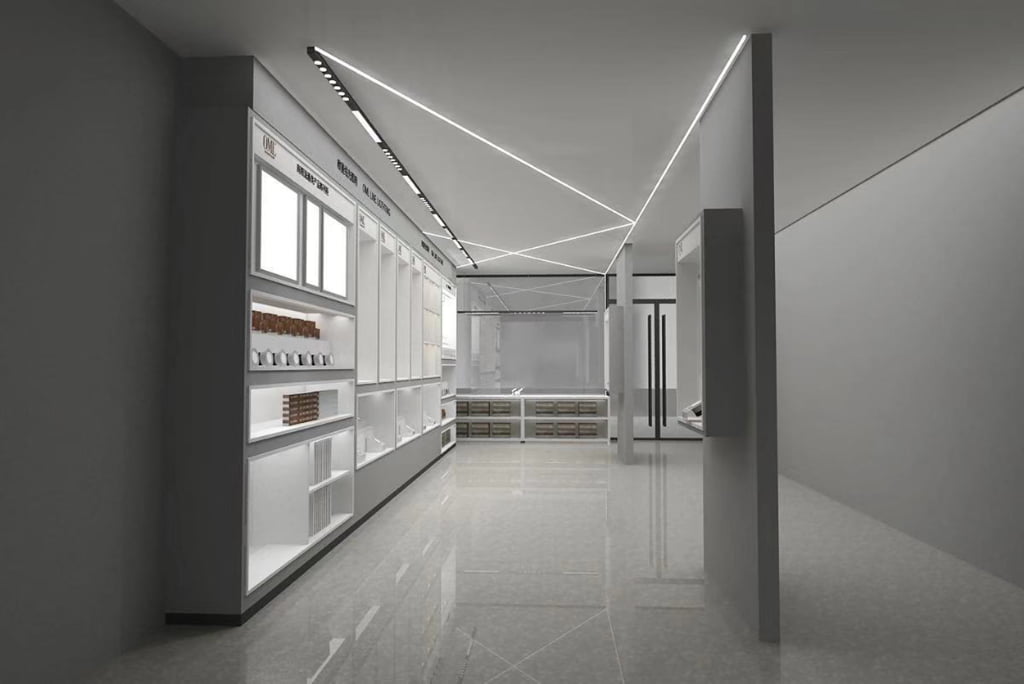
I've heard this complaint countless times: "Why does my LED neon look like cheap Christmas lights? The dots are so visible!" This spotty appearance is a deal-breaker for luxury hotels and premium retail spaces.
To achieve true dotless LED neon1, you need two critical parameters: high LED density2y](https://arxiv.org/pdf/2510.11123)%%%FOOTNOTE_REF_3%%% (120-144 LEDs/m) and optimal silicone diffusion4 rate. When LED pitch is smaller than effective diffusion thickness5, light rays merge perfectly into a continuous line.
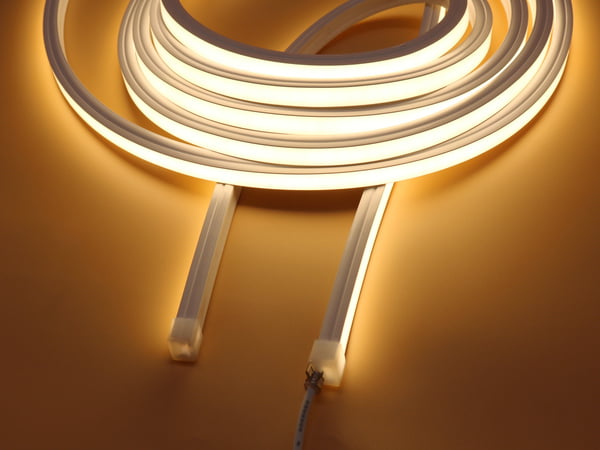
Let me share my decade of experience in LED neon manufacturing to help you understand why some products fail quality inspections and how to ensure your next project delivers that premium, seamless lighting effect.
Why Do Some LED Neon Products Show Visible Dots?
Many clients get frustrated when their LED neon installations reveal obvious spotting effects. This issue isn't just about aesthetics - it can lead to project rejections and damage your reputation with high-end clients.
The spotty appearance in LED neon occurs when there's insufficient LED density3 (under 100 LEDs/meter) or poor silicone diffusion4. These factors prevent proper light mixing6, causing visible individual light sources instead of a smooth, continuous line.
Diving Deeper: Understanding LED Density and Diffusion
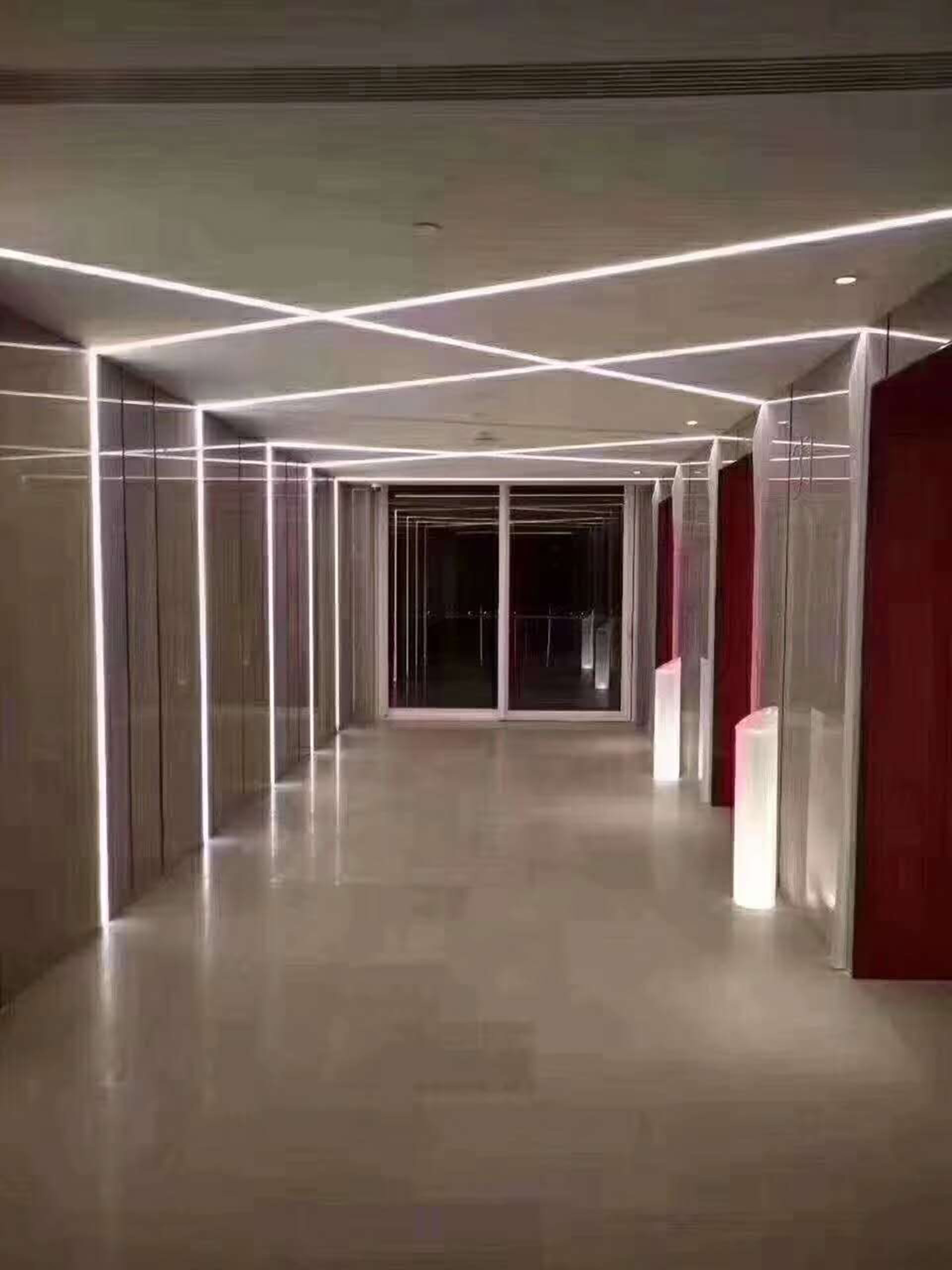
The science behind dotless LED neon1 involves two critical components working in harmony:
1. LED Density (Pitch Distance)
- Standard Density (60-72 LEDs/m)
- Lower cost but visible dots7
- Larger gaps between LEDs
- Unsuitable for premium projects
- High Density (120-144 LEDs/m)
- Perfect light mixing6
- No visible dots7
- Professional-grade results
2. Silicone Diffusion Properties
| Factor | Impact on Light Quality |
|---|---|
| Thickness | Determines light mixing6 distance |
| Formula | Affects diffusion efficiency |
| Consistency | Controls uniformity |
The key physical principle is: LED pitch must be less than or equal to the effective diffusion thickness5 of silicone. Think of it like mixing paint - the closer the droplets, the more seamless the blend.
What Makes Professional-Grade Silicone Diffusion Different?
Poor diffusion is the hidden culprit behind many failed LED neon installations. It's not just about brightness - it's about light quality and consistency.
Professional-grade silicone diffusion4 requires precise chemical formulation and thickness control. The silicone must have high opacity and uniform particle distribution to scatter light effectively, eliminating any trace of individual LED sources.

Diving Deeper: The Science of Silicone Diffusion
The effectiveness of silicone diffusion4 depends on several key factors:
Material Composition
-
Base Silicone
- High-molecular-weight silicone
- Optical-grade clarity
- UV resistance properties
-
Diffusion Additives
- Specialized particles for light scattering
- Uniform distribution
- Long-term stability
Manufacturing Process
| Process Step | Quality Impact |
|---|---|
| Mixing | Particle distribution |
| Extrusion | Layer consistency |
| Curing | Optical properties |
The interaction between these elements creates what we call the "effective diffusion zone" - the optimal distance where light rays completely merge before reaching the surface.
Why Is Cost Higher for True Dotless LED Neon?
When clients see higher prices for dotless LED neon1, they often question the difference. But in premium commercial spaces, the cost difference is justified by superior results.
Quality dotless LED neon1 costs more because it requires higher LED density3 (nearly double the components), premium silicone materials8, and precise manufacturing processes. This investment delivers the flawless, high-end appearance that luxury projects demand.

Diving Deeper: Value Proposition Analysis
Let's break down the cost-quality relationship9:
Component Cost Comparison
| Feature | Standard LED Neon | Premium Dotless |
|---|---|---|
| LED Density | 60-72/m | 120-144/m |
| Silicone Grade | Basic | Optical-grade |
| Manufacturing | Standard | Precision-controlled |
The real value isn't just in the materials - it's in the certainty of results. When you're working on a million-dollar commercial project, the last thing you want is to risk rejection due to visible LED dots.
Conclusion
In high-end commercial lighting, success isn't measured by brightness alone but by achieving perfect visual consistency. Understanding the relationship between LED density3 and silicone diffusion4 is crucial for delivering premium results that meet exacting standards.
Learn about the advantages of dotless LED neon for luxury lighting applications. ↩
Discover why high LED density is essential for professional-grade LED neon installations. ↩
Understanding LED density is crucial for achieving seamless lighting effects in premium projects. ↩
Explore how silicone diffusion can enhance light quality and eliminate visible dots in LED neon. ↩
Explore the concept of effective diffusion thickness and its impact on light mixing. ↩
Understand the importance of light mixing for achieving a seamless and professional look. ↩
Find solutions to avoid visible dots and ensure a smooth lighting effect in your projects. ↩
Understand the role of premium silicone in achieving high-quality LED neon lighting. ↩
Discover the cost-quality relationship and why investing in quality is essential for success. ↩