

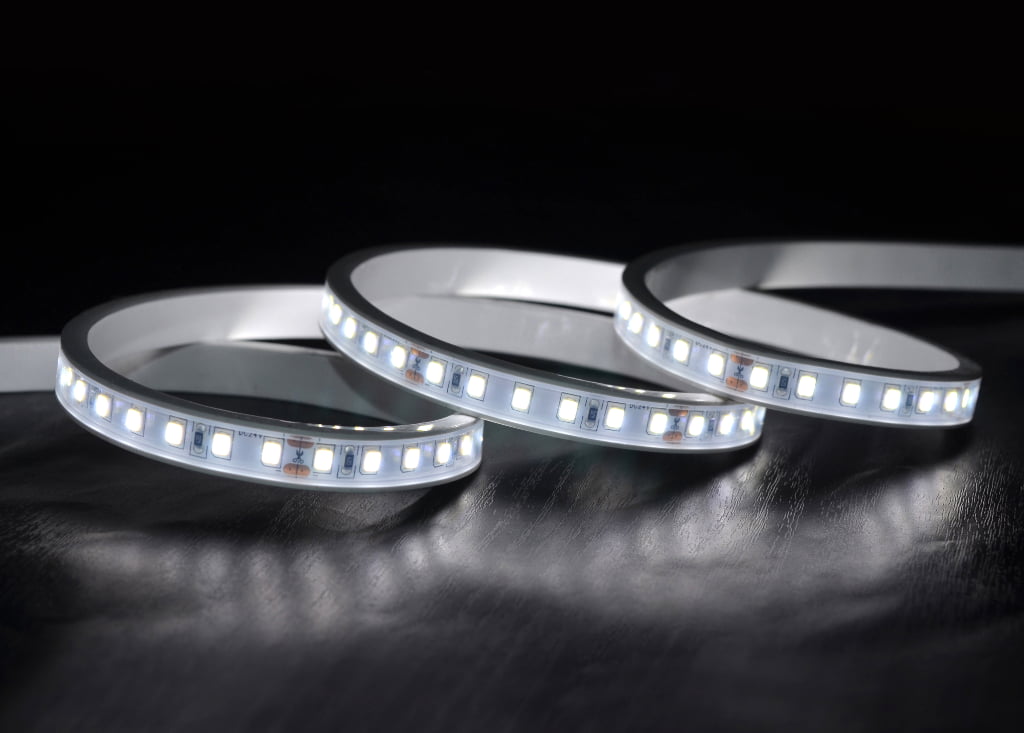
Last year, a customer came to us frustrated with their RGB neon lights failing during dynamic effects. The lights would freeze, flicker randomly, or show wrong colors. Their supplier had no solution. This is a common but solvable problem.
The key to stable RGB neon flex1 performance lies in proper signal transmission2. Without the right signal amplification3 and protection measures, RGB lights longer than 5 meters will likely experience data errors, causing sections to freeze or display incorrect colors.
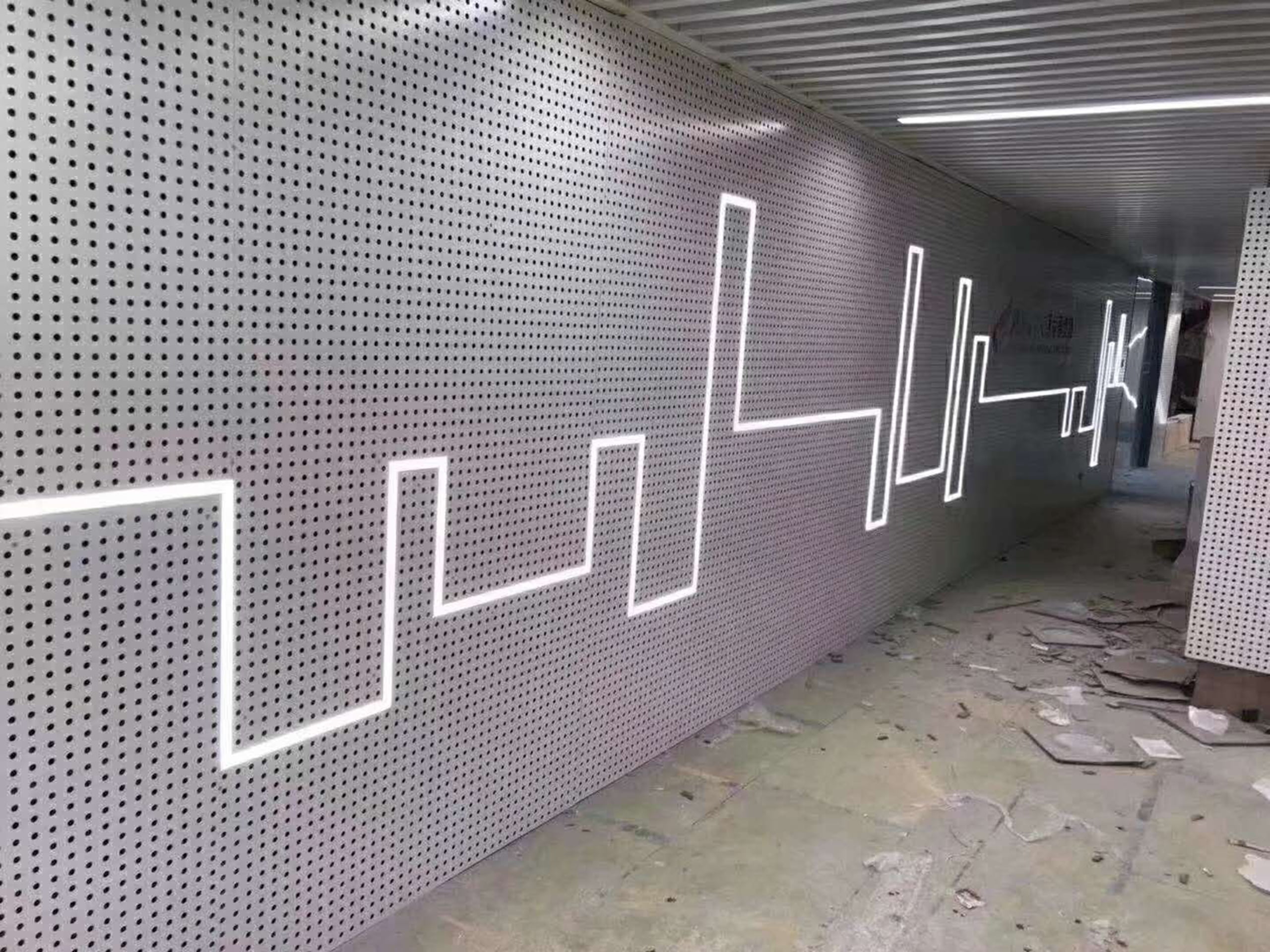
When it comes to RGB neon flex1 lights, especially those with addressable ICs, the stability of the data signal is crucial for reliable operation. Let me share what I've learned from helping hundreds of customers solve their RGB lighting issues.
What Causes RGB Neon Flex Lights to Malfunction?
I've seen many projects where beautiful RGB installations start acting up after a few weeks. The symptoms are always similar - frozen sections, random flickering, or color mismatches. The root cause? Signal interference.
RGB neon flex1 malfunctions are primarily caused by four factors: excessive cable length without signal amplification3, improper shielding, poor connections, and incorrect serial connections without signal regeneration. These issues lead to data corruption4 and unstable performance.
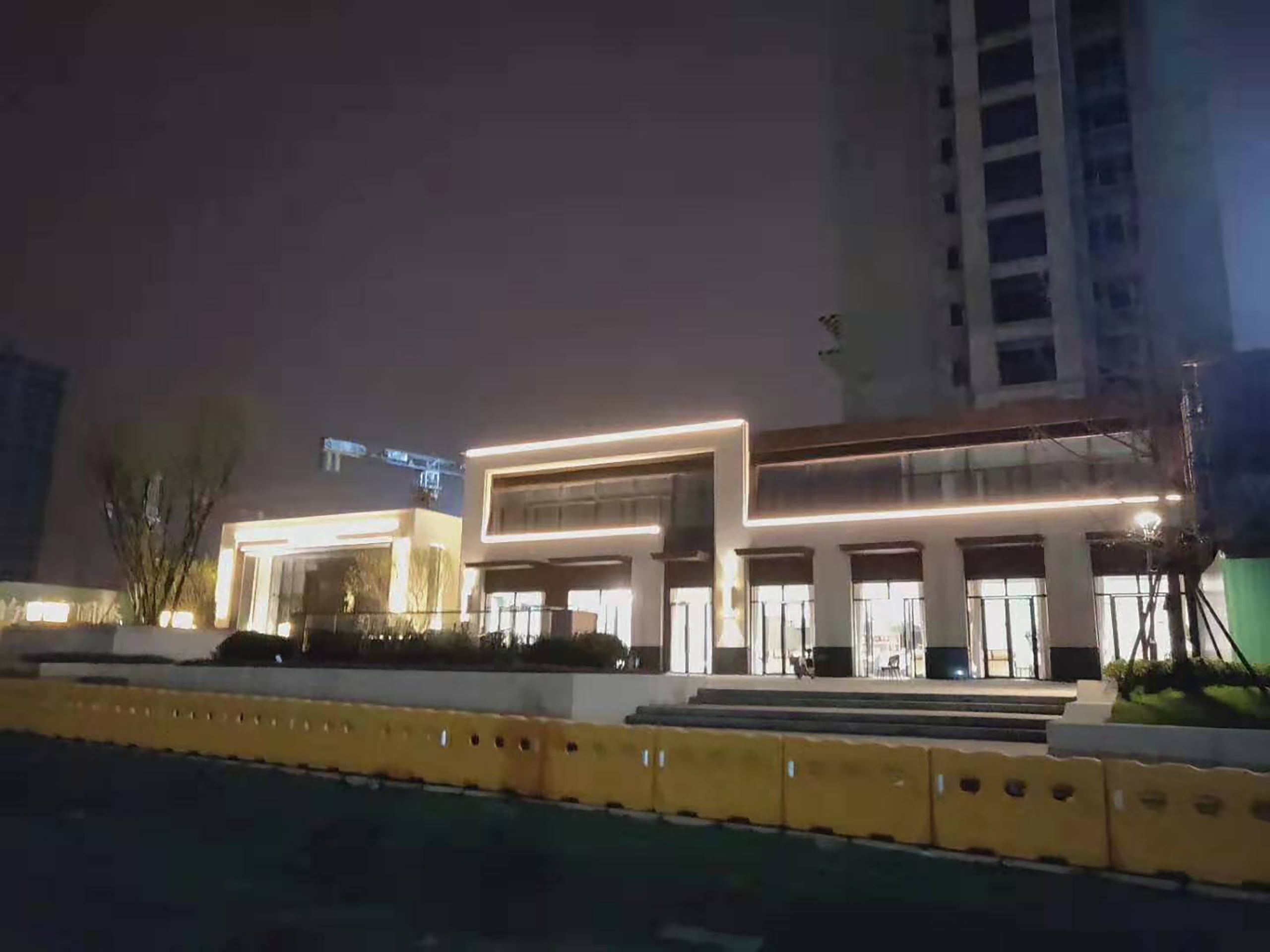
Understanding Signal Degradation in RGB Systems
Signal integrity is the backbone of any RGB lighting system. Here's what I've observed in my years of manufacturing and troubleshooting:
1. Distance Limitations
- Short Range (<5m): Generally stable, minimal signal loss
- Medium Range (5-10m): Requires signal amplification3
- Long Range (>10m): Needs multiple amplifiers and careful planning
2. Common Signal Issues
| Problem | Cause | Solution |
|---|---|---|
| Color Freezing | Signal dropout | Add amplifiers every 5m |
| Random Flickering | EMI interference5 | Use shielded cables |
| Wrong Colors | Data corruption | Improve grounding |
| Intermittent Issues | Poor connections | Use quality connectors |
Our testing has shown that implementing proper signal management can extend stable operation from just a few hours to over 5 years of continuous use.
How Do We Ensure RGB Neon Flex Reliability?
In my factory, we've developed strict quality control measures6 after analyzing thousands of RGB installations. Prevention is always better than troubleshooting.
Our solution includes mandatory signal amplifiers for runs over 5 meters, 72-hour dynamic testing before shipping, and comprehensive system design consultation. This approach has resulted in a 99.8% success rate in long-term installations.
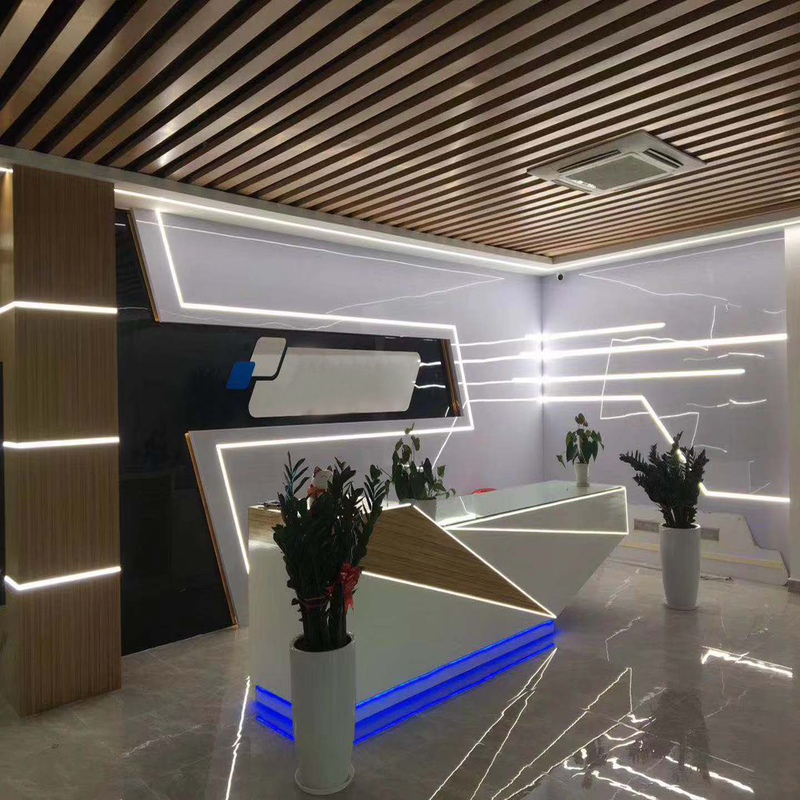
Our Four-Step Quality Assurance Process
The success of an RGB installation depends on careful planning and thorough testing. Here's our proven approach:
1. Pre-Installation Planning
- System layout review
- Power distribution calculation
- Signal path optimization
- Component compatibility check
2. Technical Specifications
| Feature | Specification | Benefit |
|---|---|---|
| Signal Amplifier | Every 5m | Maintains data integrity |
| Operating Temperature | -40°C to +60°C | All-weather reliability |
| IP Rating | IP68 | Complete waterproofing |
| Lifespan | >50,000 hours | Long-term stability |
The difference between a successful and problematic RGB installation often comes down to these technical details.
What Makes Professional RGB Neon Flex Different?
After years of manufacturing experience, I've learned that quality RGB systems require more than just bright LEDs. It's about system stability7.
Professional RGB neon flex1 systems incorporate built-in signal protection, industrial-grade ICs, and proper shielding. These features typically increase initial costs by 15-20% but reduce long-term maintenance costs8 by up to 80%.
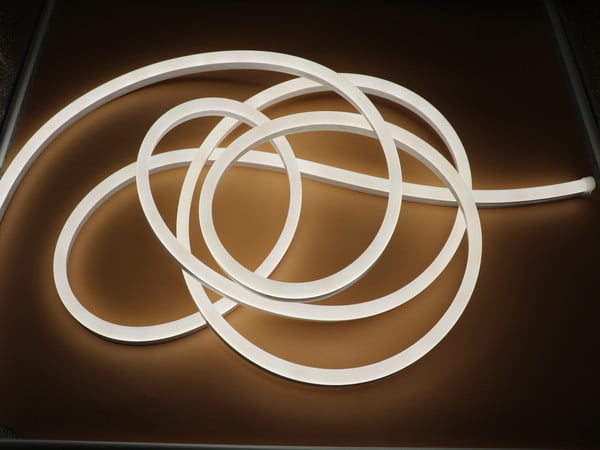
Professional vs. Standard RGB Systems
Success in RGB installations comes from understanding the entire system, not just individual components. Our approach focuses on:
Key Differentiators
| Feature | Standard Systems | Professional Systems |
|---|---|---|
| Signal Protection | Basic/None | Multi-layer |
| Testing Duration | 1-2 hours | 72+ hours |
| Technical Support | Limited | Comprehensive |
| System Design | Generic | Custom-planned |
This comprehensive approach has helped us maintain a return rate below 0.1% for our RGB installations.
Conclusion
Successful RGB neon flex1 installations require proper signal management, quality components, and systematic testing. By following these guidelines, you can achieve reliable, long-lasting dynamic lighting effects.
Explore the advantages of RGB neon flex lights for vibrant and dynamic lighting solutions. ↩
Learn how signal transmission impacts the reliability and quality of RGB lighting systems. ↩
Understand the critical role of signal amplification in preventing data errors in RGB installations. ↩
Discover the common causes of data corruption and how to prevent them for stable RGB performance. ↩
Find out how EMI interference can disrupt your RGB lighting and ways to mitigate it. ↩
Explore best practices in quality control to ensure long-lasting RGB lighting solutions. ↩
Learn strategies to enhance system stability for reliable RGB lighting installations. ↩
Discover ways to minimize maintenance costs while maximizing the performance of RGB lighting. ↩