

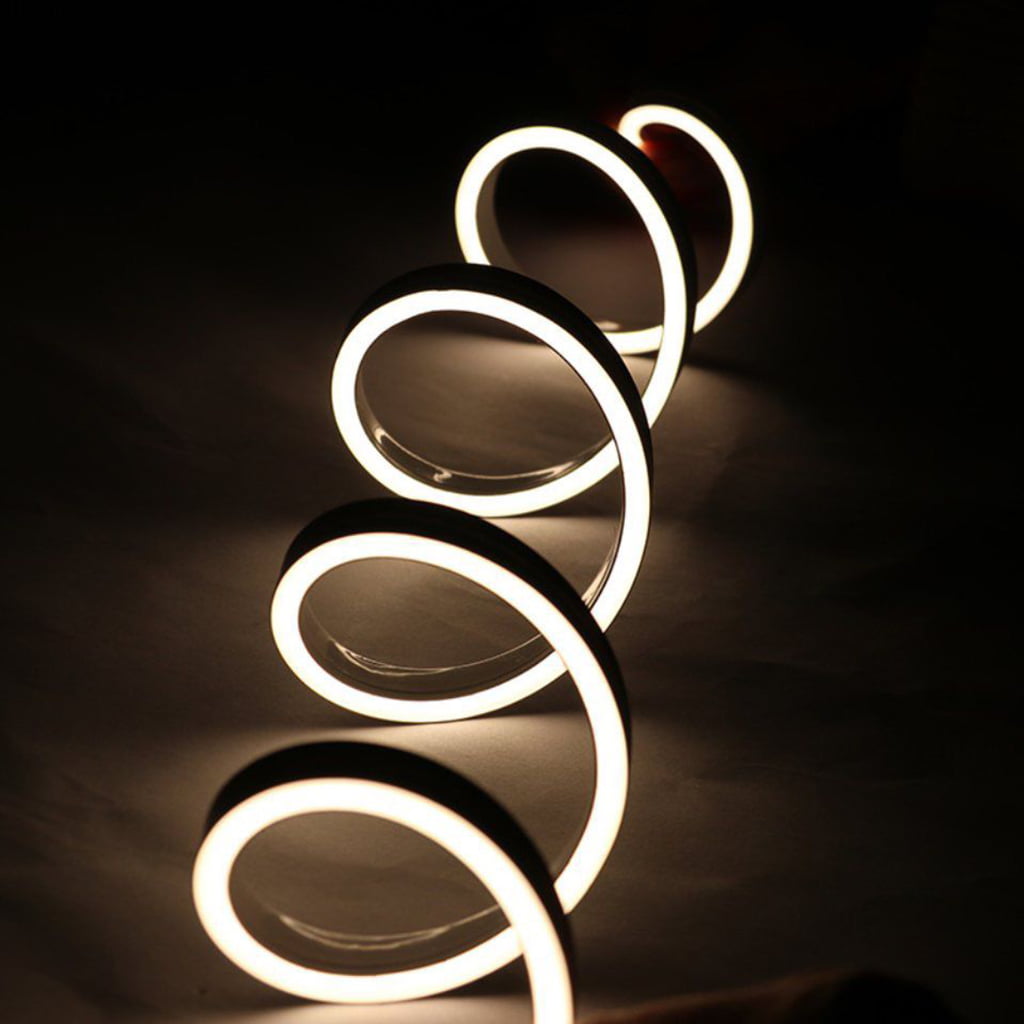
Have you ever cut your LED neon strip lights1 at the marked cutting points, only to find that section no longer works? This frustrating experience is more common than you think, and it's not always user error.
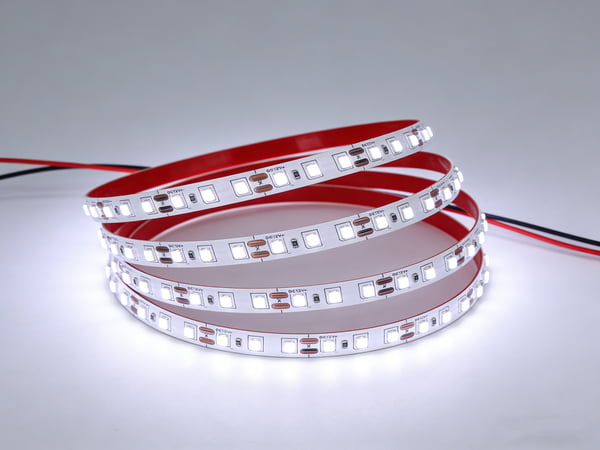
The key to properly cutting LED neon strip lights1 is to identify the actual PCB solder pads2 inside, rather than relying solely on external cutting marks. Use side lighting to locate internal components and verify alignment before making any cuts.
Understanding the manufacturing process and proper cutting techniques can help prevent costly mistakes. Let me share my expertise from years of manufacturing experience to help you achieve perfect cuts every time.
Why Do LED Strips Stop Working After Cutting?
It's a heart-sinking moment when you carefully cut along the marked line, only to find your expensive LED strip has gone dark. This common problem stems from a manufacturing challenge that many suppliers face but few discuss.
During production, the outer silicone sleeve and internal PCB are manufactured separately. If alignment isn't precisely controlled, the printed external marks can be misaligned with the internal PCB solder pads2 by 2-3mm, leading to circuit damage when cut.

This seemingly small misalignment can have devastating effects on your LED strip's functionality. Let's break down the potential issues and solutions:
Understanding the Impact of Misalignment
-
Critical Components at Risk:
- Current limiting resistors
- LED solder pads
- Circuit paths
-
Consequences of Improper Cutting: Issue Impact Prevention Damaged resistors Irregular brightness Verify internal alignment Broken solder pads Section failure Use side-lighting technique Severed circuits Complete failure Follow proper cutting protocol -
Professional Solutions:
- Side Light Alignment Inspection
- Infrared Alignment Printing
- Pre-cut service options
How Can You Ensure Perfect Cuts Every Time?
Many DIY enthusiasts and even professional installers make the mistake of trusting the external marks blindly. This approach can lead to costly mistakes and project delays.
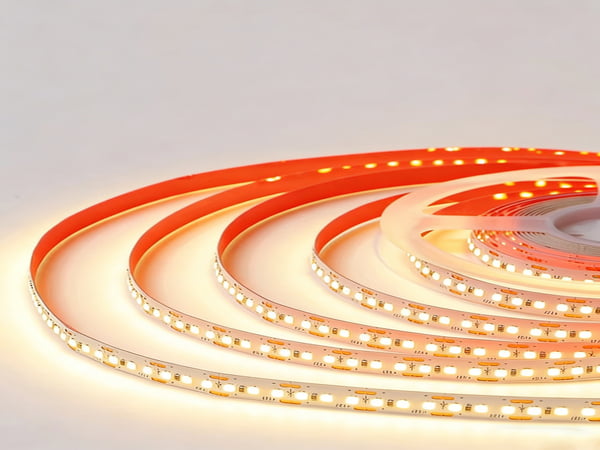
The most reliable method is to use a bright flashlight to illuminate the strip from the side before cutting. This reveals the actual position of internal components through the silicone, allowing you to mark and cut with precision.
Let's examine the professional cutting process in detail:
Professional Cutting Protocol
-
Pre-Cut Verification: Step Purpose Tool Required Power testing Verify working sections Power supply Side illumination Locate internal components Bright flashlight Mark verification Confirm cutting points Permanent marker -
Cutting Best Practices:
- Use sharp scissors designed for LED strips
- Cut at 90-degree angles
- Apply firm, steady pressure
- Cut slightly outside marked lines
-
Post-Cut Testing:
- Immediately test cut sections
- Check for any damage
- Verify connection points
What Are The Professional Alternatives to DIY Cutting?
For those working on larger projects, cutting strips yourself might not be the most efficient approach. There are professional solutions available that can save time and reduce waste.
Many manufacturers offer custom pre-cutting services3 where strips are cut to your exact specifications during production. This service ensures perfect cuts and can significantly reduce installation time and potential errors.

Consider these professional options:
Factory Pre-Cut Services
-
Benefits: Advantage Impact on Project Cost Consideration Precision cuts Reduced waste Volume-based pricing Quality assurance Faster installation Setup fees may apply Factory testing Guaranteed performance Minimum order quantities -
Applications:
- Large commercial projects
- Standardized installations
- High-precision requirements
-
Planning Requirements:
- Detailed measurements
- Installation layout
- Connection points
Conclusion
Successful LED strip cutting requires understanding both the internal structure and proper technique. Whether choosing DIY methods or professional services, proper alignment verification is crucial for achieving optimal results.
Explore this resource to learn essential techniques for cutting LED neon strip lights without damaging them. ↩
Understanding PCB solder pads is crucial for ensuring your LED strips work correctly after cutting. ↩
Find out how custom pre-cutting services can save time and reduce waste in your projects. ↩