

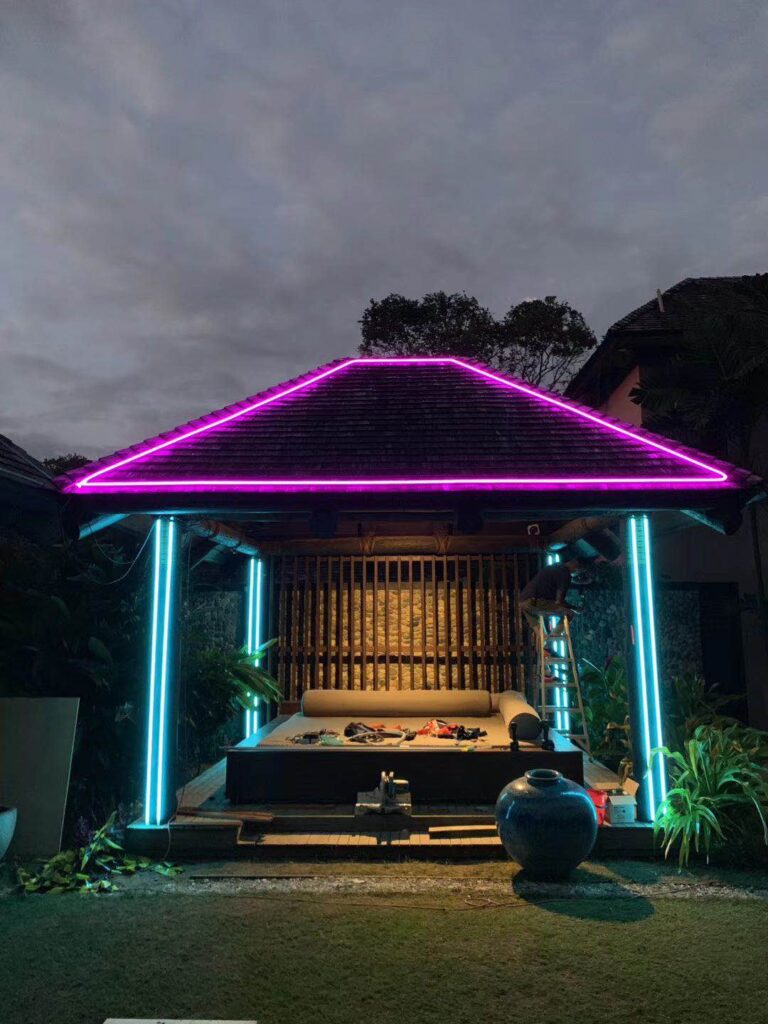
Many stunning public art installations lose their impact within months due to flickering lights, water damage, or color shifts. This degradation turns breathtaking designs into urban eyesores that fail to fulfill their artistic vision.
The key to successful architectural lighting lies in selecting high-quality LED systems1 with precise color control, proper weatherproofing, and proven long-term stability. Professional-grade solutions can maintain consistent performance for 5+ years even in harsh outdoor conditions.
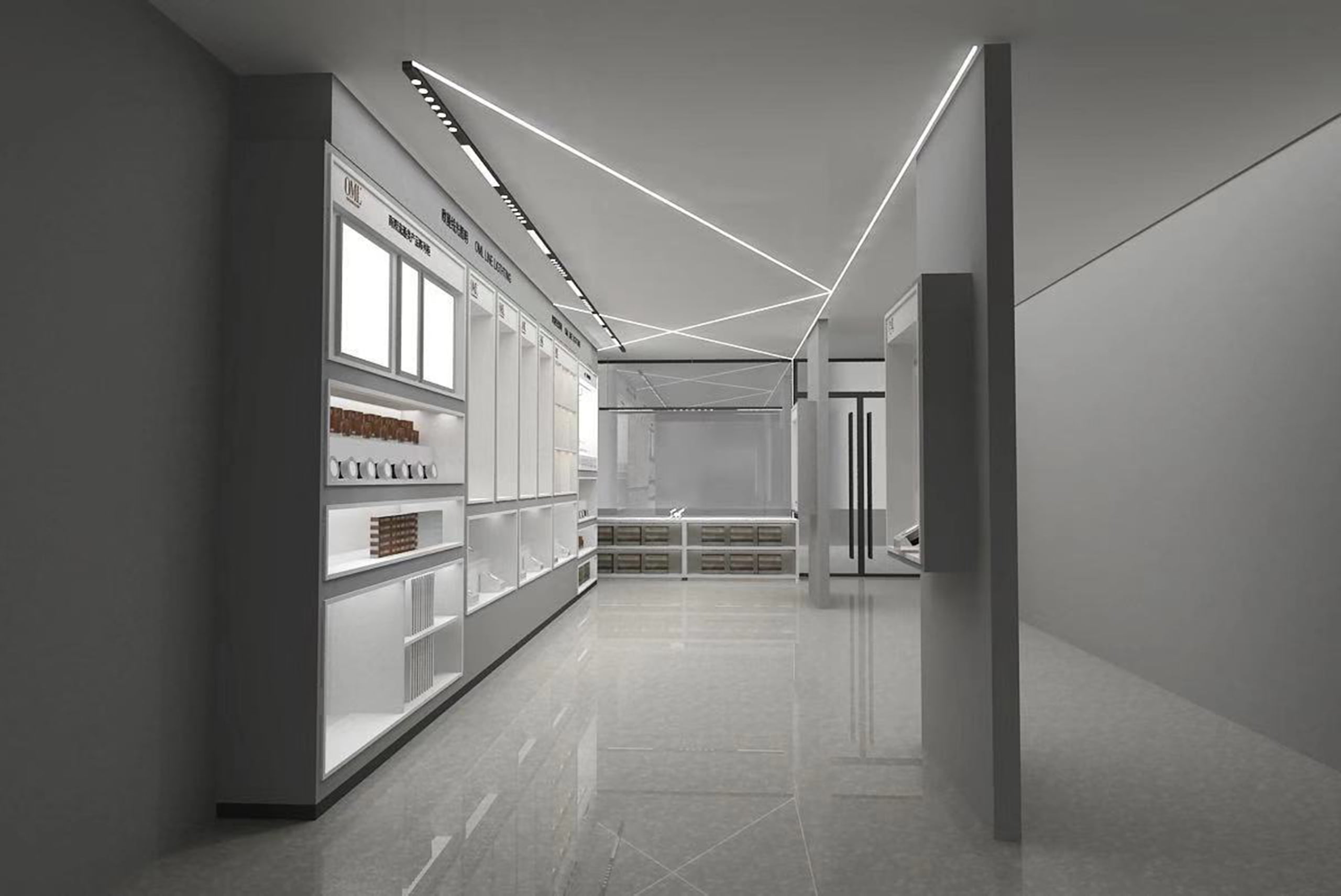
I've seen countless examples of expensive outdoor installations compromised by poor lighting choices. Let me share what I've learned about creating lasting architectural impact2 through proper LED implementation.
How Does UV Exposure Affect Outdoor LED Performance?
One of the most heartbreaking sights is watching a pristine white LED installation slowly turn yellow or green over time. This color shift can completely destroy the artist's intended expression and make public art look cheap and neglected.
UV radiation3 causes accelerated aging in standard silicone encapsulants, leading to yellowing and clouding that alters light output. Professional-grade fumed silicone4 maintains optical clarity for 5+ years, preserving the original color temperature and artistic vision.
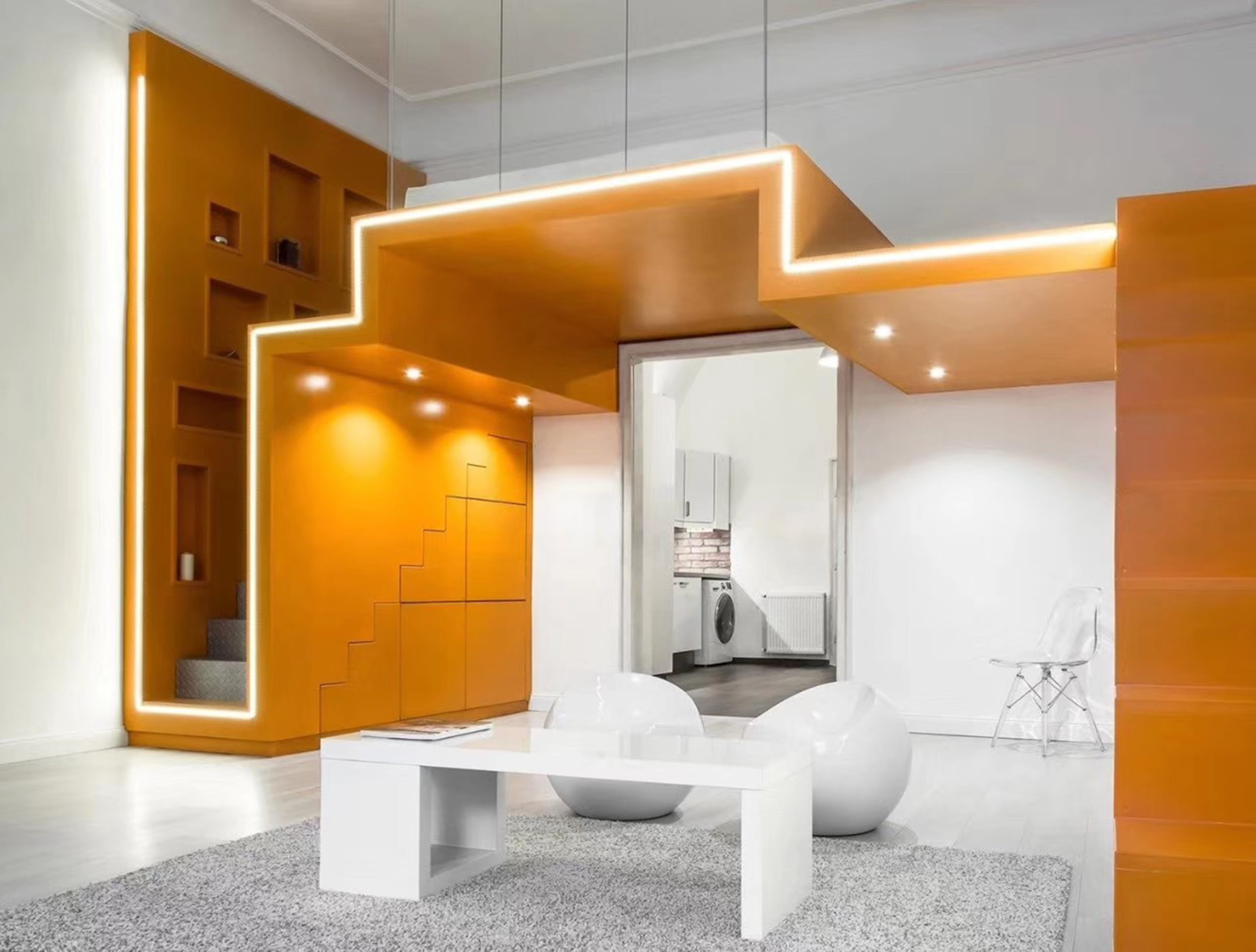
When it comes to UV protection for outdoor LEDs, material selection5 is critical. Here's what we've learned through extensive testing:
Material Performance Comparison
| Encapsulant Type | UV Resistance | Color Stability | Lifespan |
|---|---|---|---|
| Standard Silicone | Poor | Visible yellowing within 1 year | 1-2 years |
| Optical Grade Silicone | Moderate | Slight yellowing after 2-3 years | 2-3 years |
| Fumed Silicone | Excellent | Maintains clarity for 5+ years | 5+ years |
The initial cost difference between standard and high-grade materials is minimal compared to the long-term benefits of stable performance. Our testing shows that proper material selection5 can extend useful life by 300% or more in challenging outdoor environments.
Why is Color Consistency Critical in Architectural Lighting?
I once witnessed a massive facade lighting project where different sections gradually developed visible color variations, creating an unintended patchwork effect that compromised the entire design.
Color consistency in LED lighting requires strict binning control (SDCM ≤3) and single-batch sourcing for each project. This ensures uniform appearance across large installations and maintains the designer's intended visual impact.
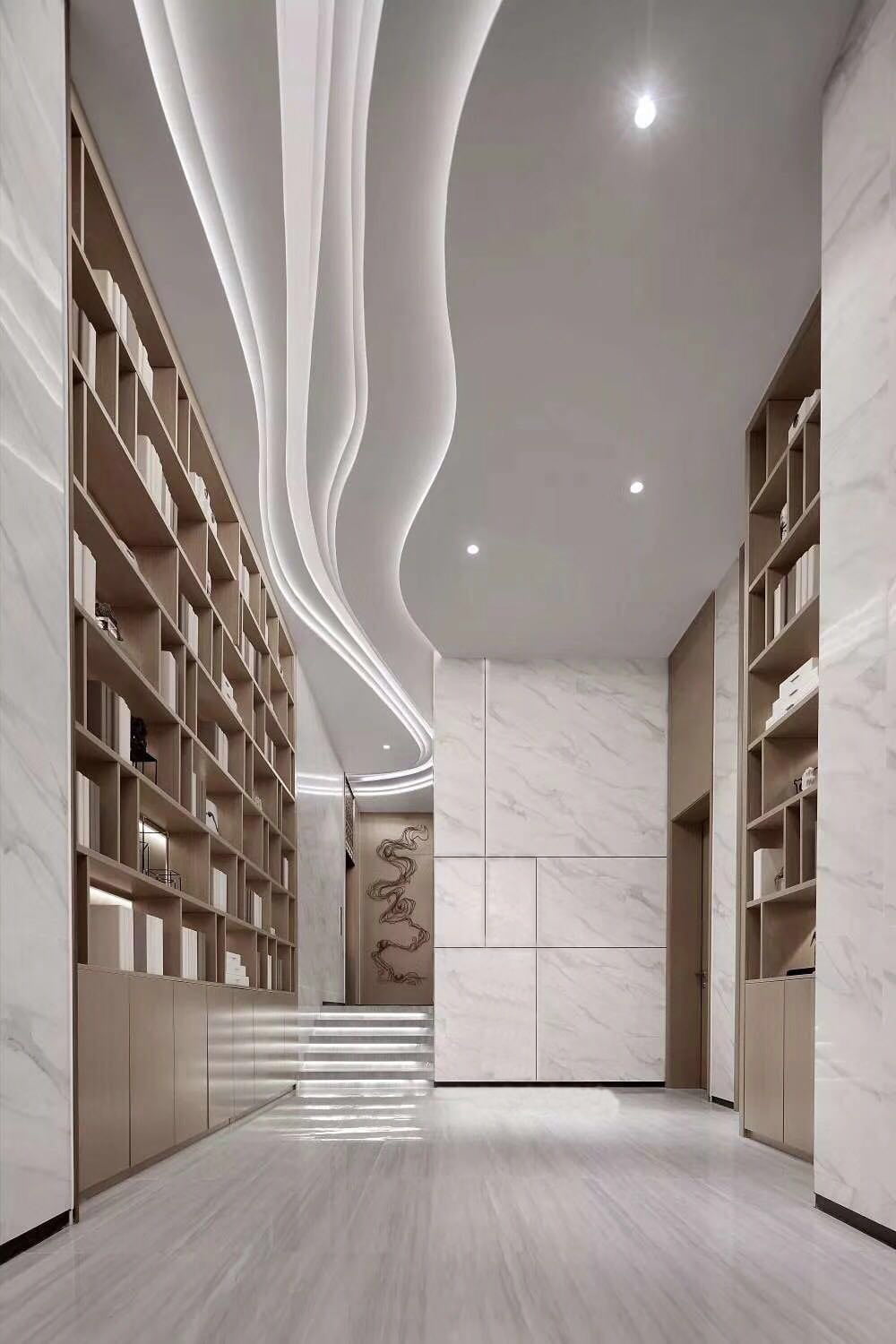
Understanding color consistency6 requires examining several key factors:
Color Control Parameters
MacAdam Ellipses7 (SDCM)
- Step 1-2: Virtually imperceptible difference
- Step 3-4: Barely noticeable in direct comparison
- Step 5+: Visible variation to average observers
Binning Strategies
- Standard Binning: Mixed bins, visible variations
- Tight Binning: 3-step MacAdam, minimal variation
- One Bin Only: Perfect consistency, higher cost
Our experience shows that investing in tight color control pays dividends in long-term project success. We maintain strict 3-step MacAdam ellipse standards and implement One Bin Only policies for critical installations.
How Do Temperature Cycles Impact LED Longevity?
Many lighting failures occur because manufacturers don't account for the stress of daily temperature swings on LED components and enclosures.
Thermal cycling between day and night can cause seal failures, connection issues, and premature aging. Professional LED systems require extensive temperature cycle testing8 and properly engineered thermal management to ensure long-term reliability.
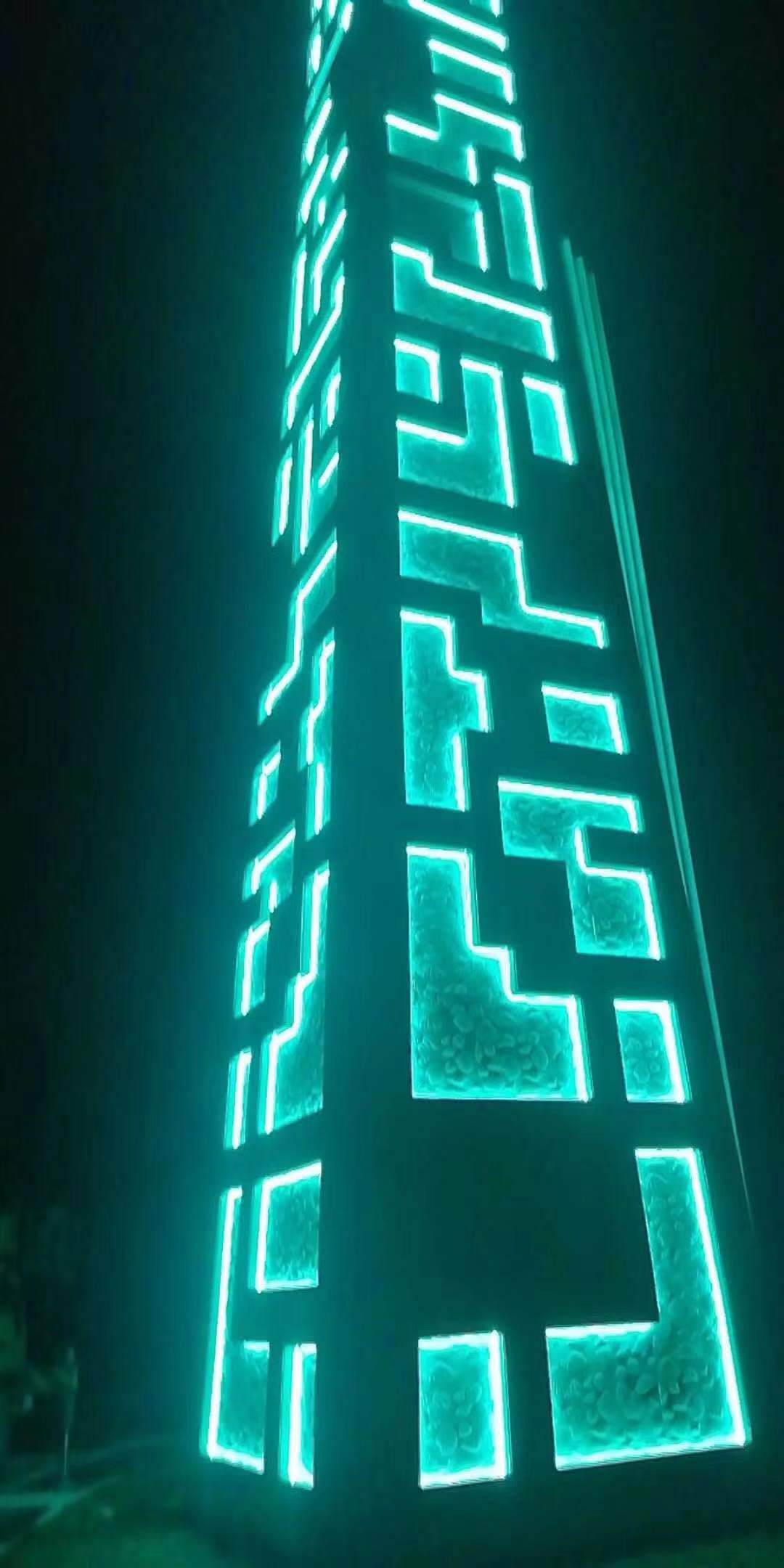
Our approach to thermal management includes:
Critical Testing Parameters
| Test Type | Duration | Temperature Range | Purpose |
|---|---|---|---|
| Thermal Shock | 48 hours | -40°C to +60°C | Verify seal integrity |
| Cycle Testing | 1000 hours | -20°C to +40°C | Simulate real conditions |
| Heat Soak | 168 hours | +60°C | Accelerated aging |
We've found that comprehensive thermal testing can identify potential failure modes that might not appear until months or years after installation. This testing regimen helps ensure our products maintain consistent performance throughout their rated lifetime.
Conclusion
Creating lasting architectural impact2 through LED lighting requires careful attention to material selection5, color consistency6, and environmental durability. Success comes from understanding these factors and implementing appropriate solutions from the start.
Explore how high-quality LED systems can enhance outdoor installations and ensure longevity. ↩
Discover strategies for using LED lighting to enhance architectural designs. ↩
Learn about the impact of UV radiation on LED longevity and how to mitigate its effects. ↩
Discover the advantages of fumed silicone in preserving LED performance and color. ↩
Explore the critical factors in choosing materials for outdoor LED installations. ↩
Understand the significance of color consistency in maintaining the visual impact of lighting designs. ↩
Delve into the concept of MacAdam Ellipses and their role in achieving color accuracy. ↩
Learn about the importance of temperature cycle testing in ensuring LED reliability. ↩