

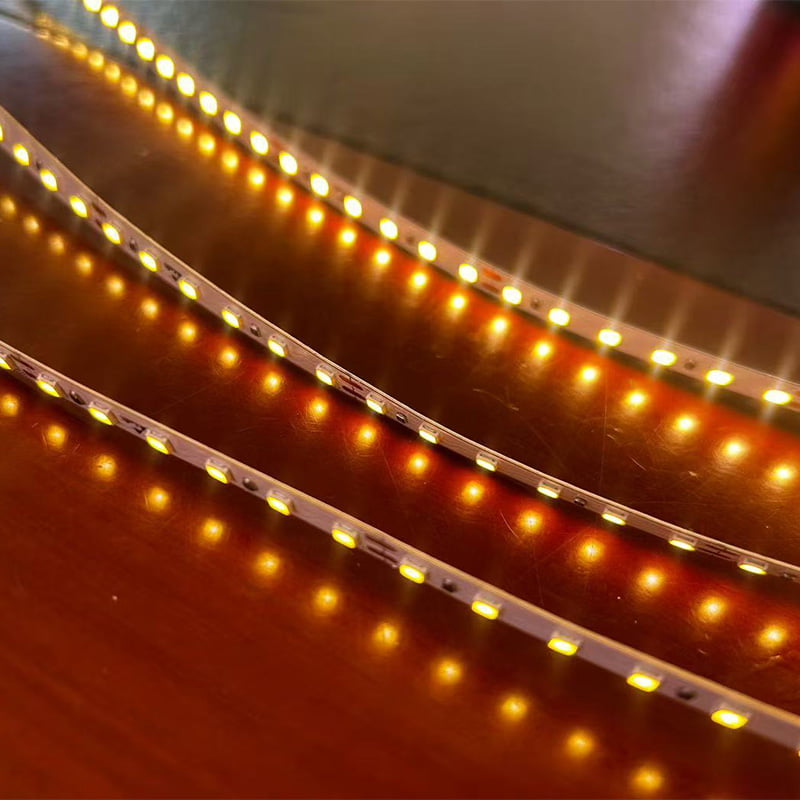
Last year, a customer approached me about costs, thinking regular LED strips1 were cheaper. But they hadn't considered the full picture - especially installation costs2. Let me break down the real differences between these lighting options.
The key difference is that neon flex lights3 are easier to install and more durable than LED strips1. While LED strips1 require multiple installation steps and components, neon flex can be installed directly with mounting clips, saving significant time and labor costs.
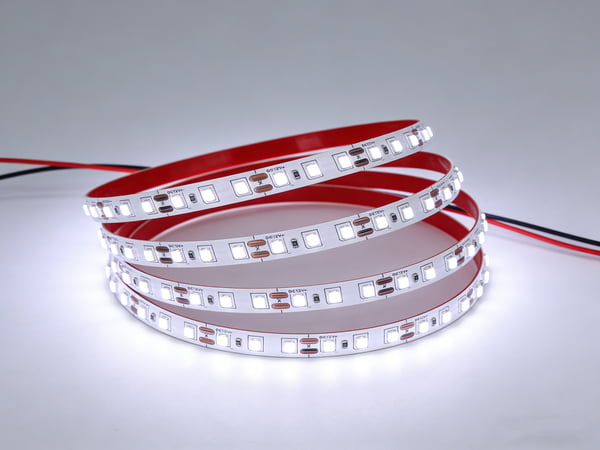
When choosing between LED strips1 and neon flex lights3, many focus solely on unit price. But there's much more to consider - from installation complexity4 to long-term durability5. Let me share what I've learned from years of working with both technologies.
How do installation costs2 compare between LED strips1 and neon flex?
Installing LED strips1 is like assembling a puzzle with multiple pieces. You need adhesive backing, aluminum channels, and diffuser covers. Each step increases both time and risk of mistakes.
Neon flex installation requires only mounting clips - no adhesive tape, no channels, no diffusers. This simpler process typically reduces installation time by 30% compared to LED strips1, especially in large commercial projects.
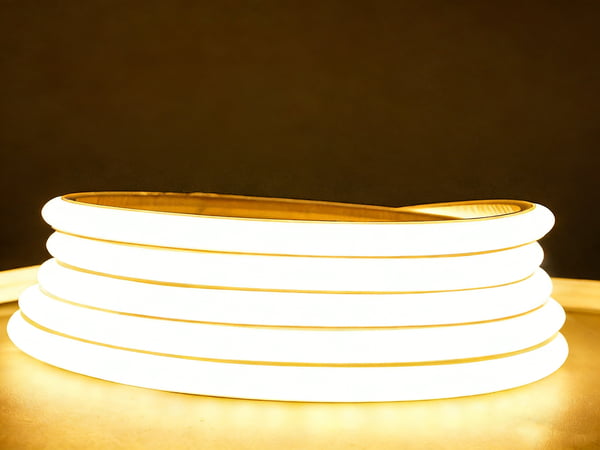
The installation cost difference becomes particularly significant in large-scale projects. Here's a detailed breakdown:
LED Strip Installation Process:
-
Surface Preparation
- Clean mounting surface
- Apply primer if needed
- Wait for drying time
-
Component Installation
- Install aluminum channels
- Apply adhesive tape
- Mount LED strips1
- Attach diffuser covers
-
Potential Issues
- Adhesive failure in humid conditions
- Uneven light distribution
- Gap between strips
- Diffuser cover fitting problems
Neon Flex Installation Process:
-
Direct Mounting
- Attach mounting clips
- Press neon flex into clips
-
Benefits
- No surface preparation needed
- Consistent light output
- Weather-resistant installation
- Minimal failure points
What makes neon flex more durable than LED strips1?
Traditional LED strips1 are vulnerable to moisture, dust, and physical damage. I've seen countless installations fail within months due to these issues.
Neon flex lights feature a solid silicone body that provides IP68 waterproofing and UV resistance. This construction allows them to withstand harsh environments, from coastal areas to extreme temperatures (-40°C to +60°C), lasting 5+ years.

The durability5 advantage of neon flex comes from its innovative design and construction:
Material Composition:
- Outer Layer: High-molecular silicone
- Inner Layer: UV-resistant compounds
- Core: Flexible PCB with reinforced connections
Environmental Protection:
| Feature | LED Strip | Neon Flex |
|---|---|---|
| Water Resistance | IP65 (with coating) | IP68 (fully sealed) |
| UV Protection | Limited | Complete |
| Temperature Range | -20°C to +45°C | -40°C to +60°C |
| Impact Resistance | Low | High |
Maintenance Requirements:
- LED Strips: Regular cleaning, occasional resealing
- Neon Flex: Simple wipe-down, no resealing needed
How do long-term costs compare?
When comparing initial prices, LED strips1 often seem more economical. But this surface-level comparison misses crucial long-term factors.
While LED strips%%%FOOTNOTE_REF1%%% might cost 30-40% less initially, neon flex typically provides 40% lower [total cost of ownership](https://en.wikipedia.org/wiki/Drake(musician))6 over 5 years due to reduced maintenance, longer lifespan, and fewer replacements needed.
Let's break down the total cost of ownership6 over a 5-year period for a typical commercial project:
Initial Costs:
-
Materials
- LED Strips: Base cost + channels + diffusers + adhesives
- Neon Flex: Base cost + mounting clips
-
Labor
- LED Strips: Complex installation (typically 2-3 days)
- Neon Flex: Simple installation (typically 1-2 days)
Ongoing Costs:
-
Maintenance
- LED Strips: Quarterly checks, occasional repairs
- Neon Flex: Annual inspection only
-
Replacement
- LED Strips: Partial replacement every 2-3 years
- Neon Flex: Generally maintains performance for 5+ years
Conclusion
While LED strips1 might seem cheaper initially, neon flex offers superior value through easier installation, better durability5, and lower maintenance costs. The real savings come from reduced labor costs and longer service life.
Learn about the complexities of LED strip installation and how it affects overall project costs. ↩
Understanding installation costs can help you budget better for your lighting projects. ↩
Explore the advantages of neon flex lights, including durability and ease of installation, to make an informed choice. ↩
Understanding installation complexity can help you choose the right lighting solution for your project. ↩
Discover the materials and design that make neon flex lights last longer in various environments. ↩
Get insights into long-term savings and maintenance costs associated with each lighting option. ↩