

Many buyers focus solely on LED chip specifications when selecting strip lights. However, they overlook the true determinant of longevity - the PCB board that serves as the foundation.
The PCB (Printed Circuit Board)1 acts as both the skeleton and blood vessels of LED strips. Its copper thickness2 directly impacts heat dissipation3 and electrical resistance, which ultimately determines the lifespan of the LED chips.
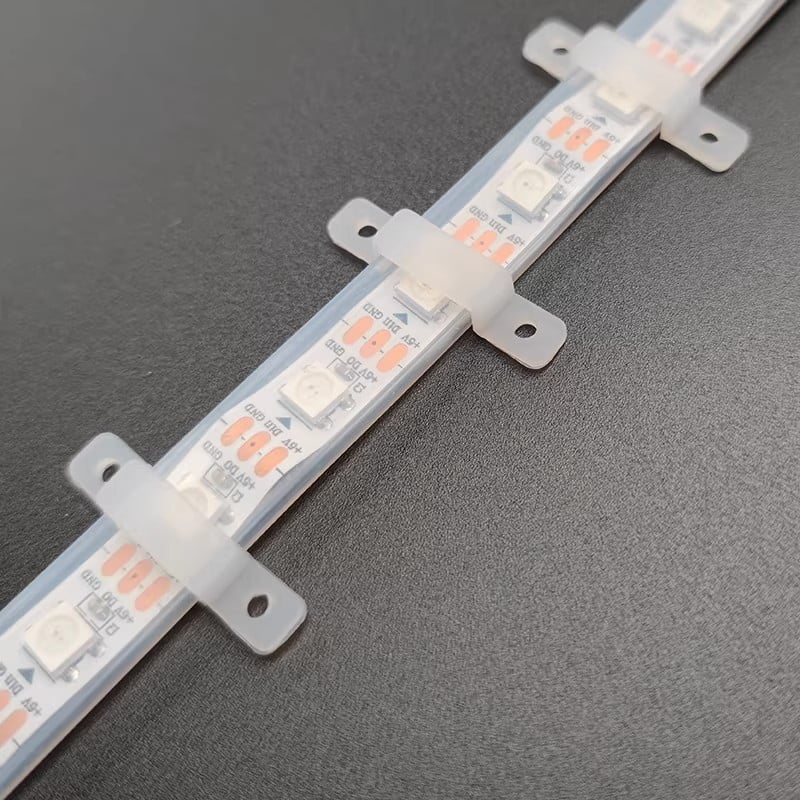
I've seen countless cases where choosing the wrong PCB leads to premature failure. Let me share what I've learned about selecting the right PCB for long-lasting LED strips.
Why Does Copper Thickness Matter in LED Strip PCBs?
To cut costs, some manufacturers use PCBs with thin 1oz copper foil. While this works initially, problems emerge quickly with high-power strips (≥10W/m).
Thicker copper foil (2-3oz) reduces electrical resistance and improves heat dissipation3. This keeps LED chips cooler, preventing rapid light degradation and extending overall lifespan by maintaining stable operating temperatures.
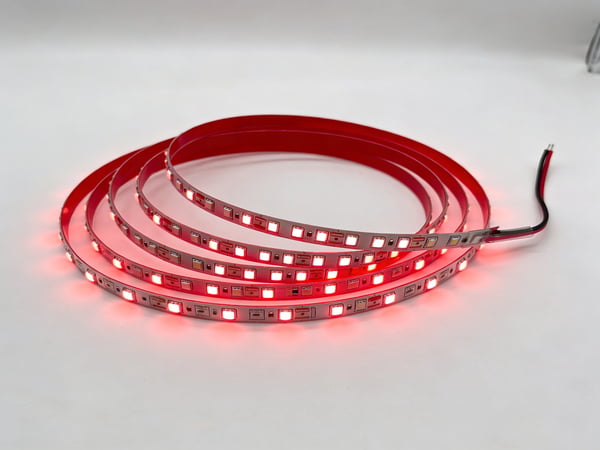
Let me dive deeper into the technical aspects:
Temperature Impact on LED Performance
Heat Generation
| Copper Thickness | Running Temperature (2 hours) | Impact on Lifespan |
|---|---|---|
| 1oz PCB | ~68°C | Accelerated degradation |
| 3oz PCB | ~42°C | Stable performance |
Performance Over Time
- Higher temperatures accelerate LED chip aging4
- Every 10°C increase roughly halves the LED lifespan
- Proper heat management can extend life by 3-5 times
Optimal PCB Design Elements
- Double-sided rolled copper construction
- Optimized thermal pathway design
- Enhanced electrical conductivity
- Strategic heat dissipation3 patterns
How Do You Choose the Right PCB for Your LED Strips?
Budget constraints often push buyers toward cheaper options with thinner PCBs. However, this seemingly small detail can make or break your lighting project.
For professional applications, always select LED strips with at least 2oz copper PCB for powers above 10W/m. This ensures stable performance and prevents premature failure due to thermal stress.
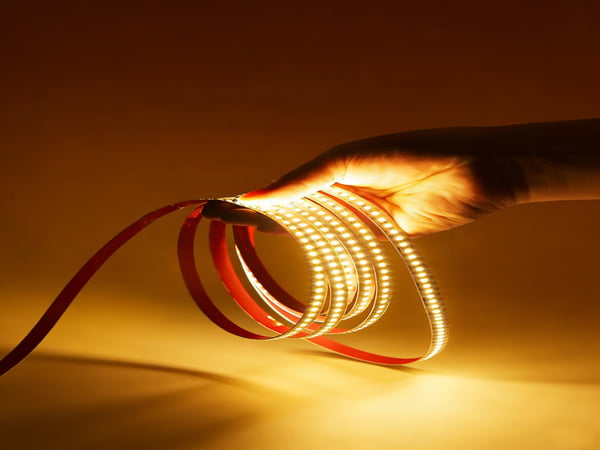
Understanding PCB specifications requires technical knowledge. Here's what to consider:
Key PCB Selection Criteria
Power Requirements
- Low power (<10W/m): 1oz copper may suffice
- Medium power (10-15W/m): 2oz copper recommended
- High power (>15W/m): 3oz copper essential
Environmental Factors
- Ambient temperature range
- Installation location (enclosed/open)
- Runtime requirements
- Moisture exposure
The right PCB choice becomes even more critical in challenging environments like outdoor installations or enclosed fixtures where heat buildup is a concern.
What Are the Long-term Benefits of Quality PCBs?
Many customers initially hesitate at the higher cost of premium PCBs. However, the long-term advantages far outweigh the initial investment.
Quality PCBs with appropriate copper thickness2 can extend LED strip lifespan by 2-3 times, maintain consistent brightness, and reduce maintenance costs through improved reliability.
Let's examine the real-world benefits:
Lifetime Value Analysis
Cost Comparison
- Initial investment: 20-30% higher
- Maintenance costs: 50-70% lower
- Replacement frequency: Reduced by 60%
- Overall ROI: Significantly higher
Performance Benefits
- Stable color consistency
- Minimal light output degradation
- Reduced power consumption
- Lower failure rates
These advantages become particularly apparent in large-scale installations where replacement costs and downtime can be substantial.
Conclusion
While LED chips determine initial brightness, PCB quality controls longevity and stability. Investing in proper PCB specifications ensures reliable performance and superior long-term value for your lighting projects.
Understanding the role of PCBs can help you make informed decisions for long-lasting LED strips. ↩
Explore how copper thickness impacts heat dissipation and LED lifespan for better lighting choices. ↩
Learn about the critical role of heat dissipation in enhancing LED performance and longevity. ↩
Discover the factors that affect LED chip aging to improve your lighting solutions. ↩