

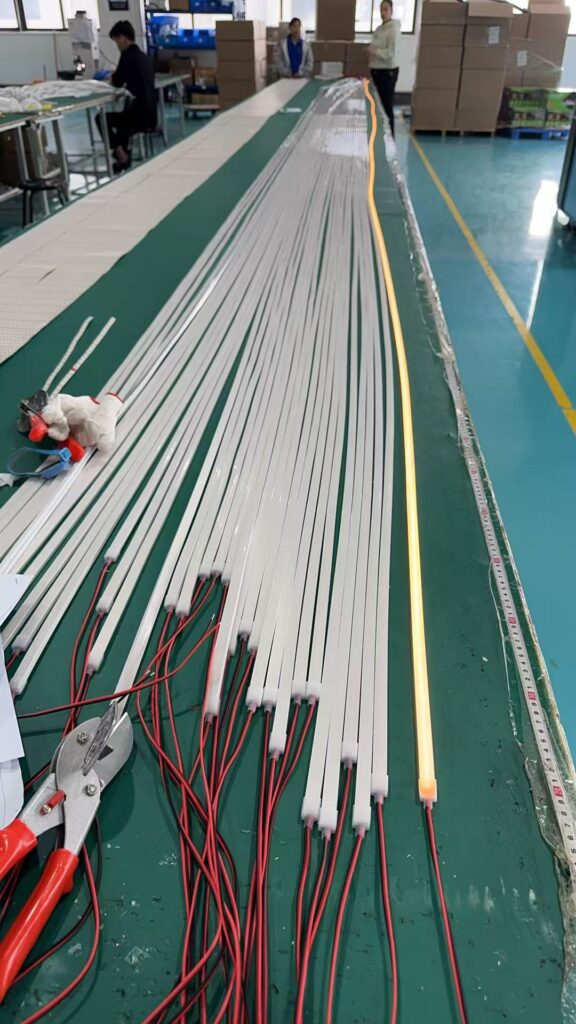
Every year, countless LED projects fail due to strip lights getting stuck halfway through silicone diffuser1s. This common but frustrating issue can damage LEDs and waste valuable time and materials.
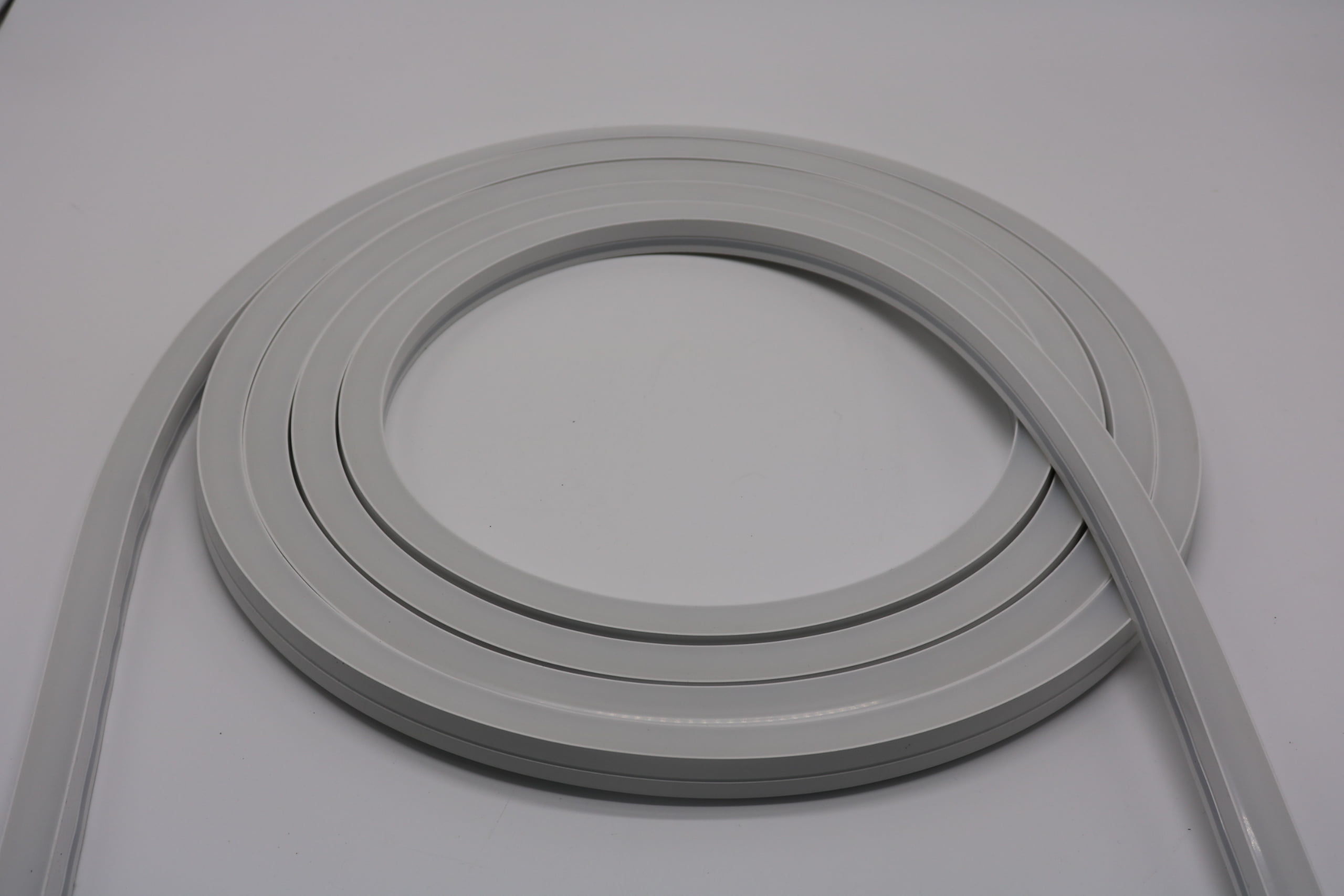
The key to smooth LED strip installation2 lies in the silicone diffuser1's internal design. Quality diffusers feature nano-coating treatment3, ribbed internal structures4, and precise mold polishing to reduce friction and prevent jamming.
I've spent years helping customers solve LED installation challenges. Let me share what I've learned about preventing stuck LED strips and ensuring smooth installations every time.
What Causes LED Strips to Get Stuck in Silicone Diffusers?
Many installers blame their technique when LED strips jam, but the real culprit is usually poor diffuser manufacturing. Rough internal surfaces and high friction coefficients make threading nearly impossible.
LED strips typically get stuck due to two main manufacturing defects: rough internal surfaces from low-quality molds and high friction from lack of anti-static or lubricating agents. Quality diffusers use specialized coatings and precise manufacturing to prevent these issues.
Diving Deeper: The Technical Details
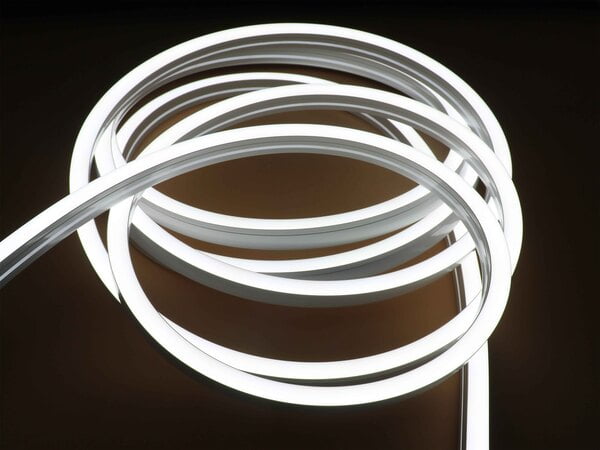
The science behind smooth LED installation comes down to three key factors:
1. Internal Surface Treatment
- Nano-coating Technology
- Creates microscopic lubricating layer
- Reduces friction coefficient by up to 60%
- Maintains effectiveness over product lifetime
2. Internal Structure Design
- Ribbed Architecture
- Minimizes contact surface area
- Creates point contact instead of surface contact
- Allows easier threading even with thicker LED strips
3. Manufacturing Precision
| Process Step | Quality Standard | Impact |
|---|---|---|
| Mold Polishing | Mirror finish grade | Ultra-smooth surface |
| Quality Control | 100% testing | Consistent performance |
| Material Selection | Premium silicone | Optimal flexibility |
Last year, a customer came to us after repeatedly experiencing stuck LED strips with other suppliers. Our engineering team demonstrated how our advanced manufacturing process eliminates these issues through precise quality control5 and innovative design features.
How Can You Prevent LED Strips from Getting Stuck?
Poor installation techniques6 can damage even the highest quality diffusers. Understanding proper handling methods is crucial for successful projects.
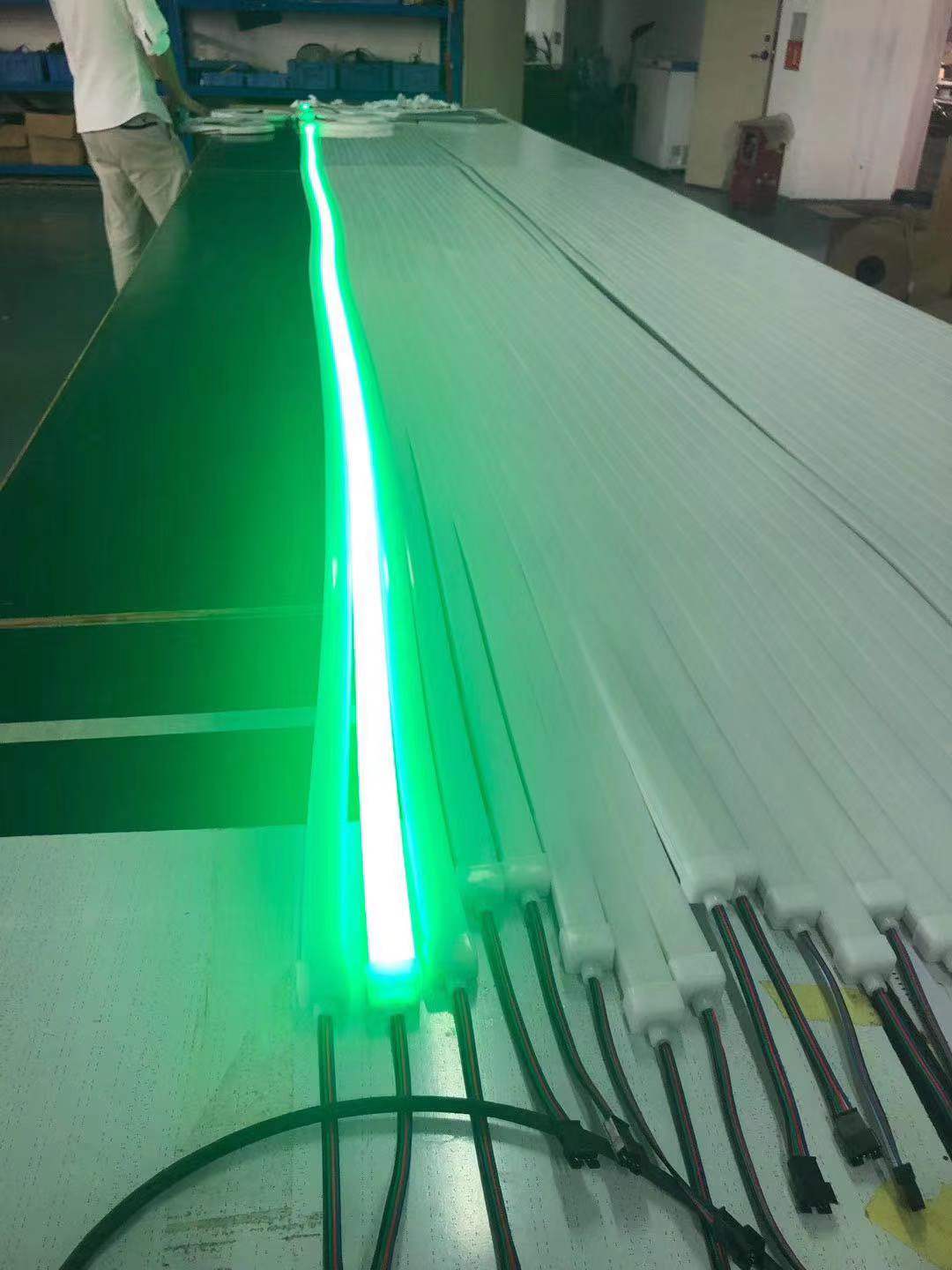
To prevent LED strips from getting stuck, use a thin steel wire as a pull-through guide and apply industrial talcum powder7 for additional lubrication. Never force stuck strips as this can damage both the LED strip and diffuser.
Diving Deeper: Installation Best Practices
Success in LED strip installation2 requires both quality materials and proper technique. Here's our comprehensive approach:
Environmental Considerations
- Humidity Control
- Keep workspace humidity below 60%
- Use dehumidifiers if necessary
- Store materials in dry conditions
Installation Tools
| Tool | Purpose | Usage Tips |
|---|---|---|
| Guide Wire | Lead strip through diffuser | Use 0.5-1mm diameter wire |
| Talcum Powder | Reduce friction | Apply sparingly |
| Pulling Tool | Maintain steady tension | Avoid jerking motions |
We've found that combining these techniques with our advanced diffuser design results in consistently successful installations. One of our customers, who previously struggled with multiple failed installations, reported zero issues after implementing these practices with our products.
What Makes a Quality Silicone Diffuser Different?
Many manufacturers cut corners on internal finishing, leading to installation nightmares. Understanding quality indicators helps you choose the right product.
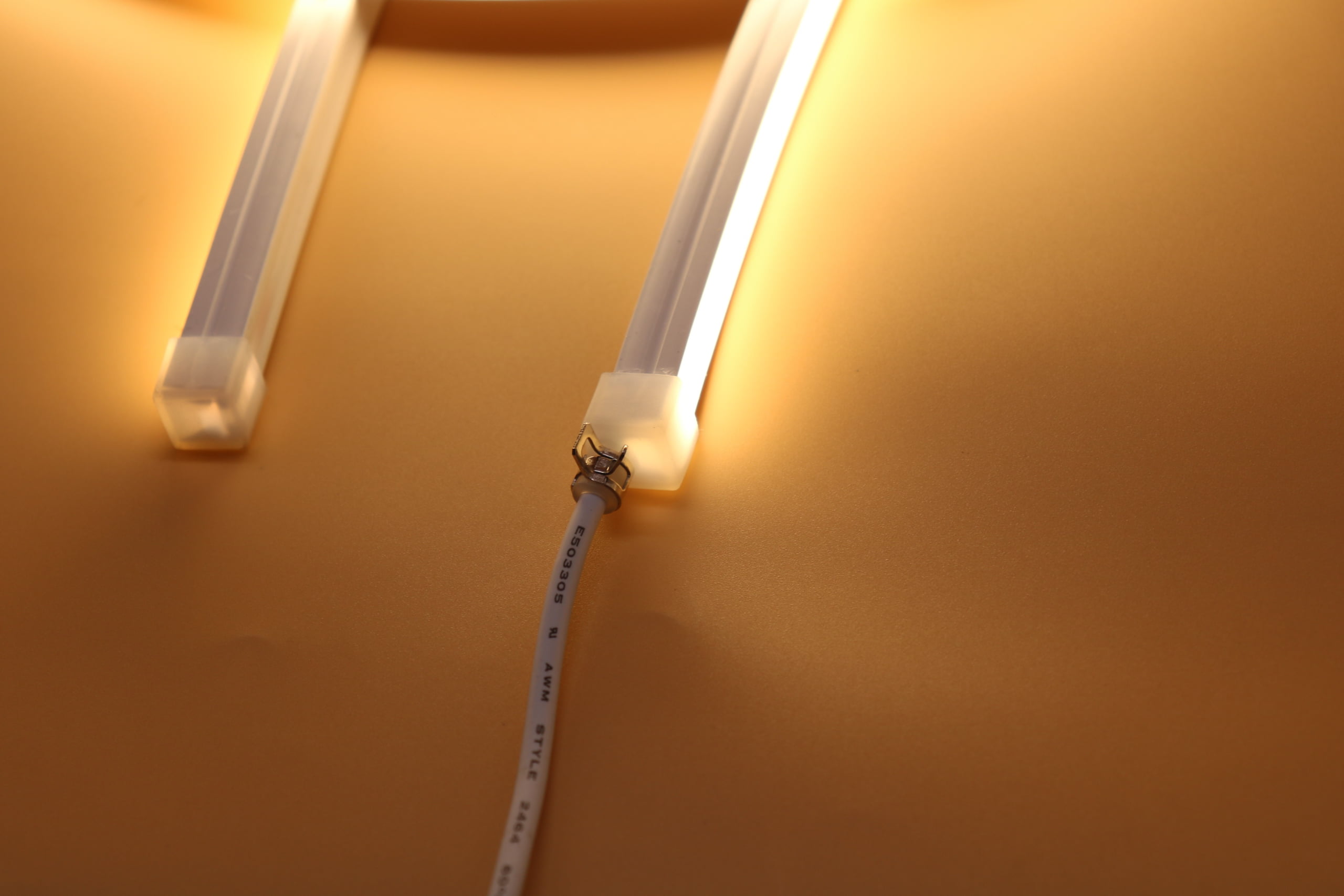
Quality silicone diffuser1s feature precision-polished internal surfaces, specialized friction-reducing treatments, and carefully engineered internal structures. These features ensure smooth LED strip installation2 and long-term performance.
Diving Deeper: Manufacturing Excellence
The difference between standard and premium diffusers lies in the details of manufacturing:
Quality Indicators
- Surface Finish
- Mirror-like internal finish
- Consistent texture throughout
- No visible manufacturing marks
Testing Standards
| Test Parameter | Standard Requirement | Our Standard |
|---|---|---|
| Surface Roughness | ≤0.4μm | ≤0.2μm |
| Pull Force | ≤5N | ≤3N |
| Consistency | ±10% variation | ±5% variation |
Through rigorous testing and quality control5, we ensure every meter of diffuser meets these exacting standards. This attention to detail has helped countless customers avoid the frustration of failed installations.
Conclusion
Successful LED strip installation2 depends on quality diffuser manufacturing and proper installation techniques6. Choose suppliers who prioritize internal surface quality and provide comprehensive installation guidance.
Understanding silicone diffusers can help you choose the right product for your LED projects. ↩
Explore this resource to learn essential techniques for a successful LED strip installation. ↩
Discover the benefits of nano-coating treatment for smoother LED strip installations. ↩
Learn how ribbed structures enhance the performance of silicone diffusers. ↩
Understand how quality control ensures the reliability of silicone diffusers. ↩
Get insights into installation techniques that can prevent common issues during setup. ↩
Learn how talcum powder can reduce friction and improve installation success. ↩