

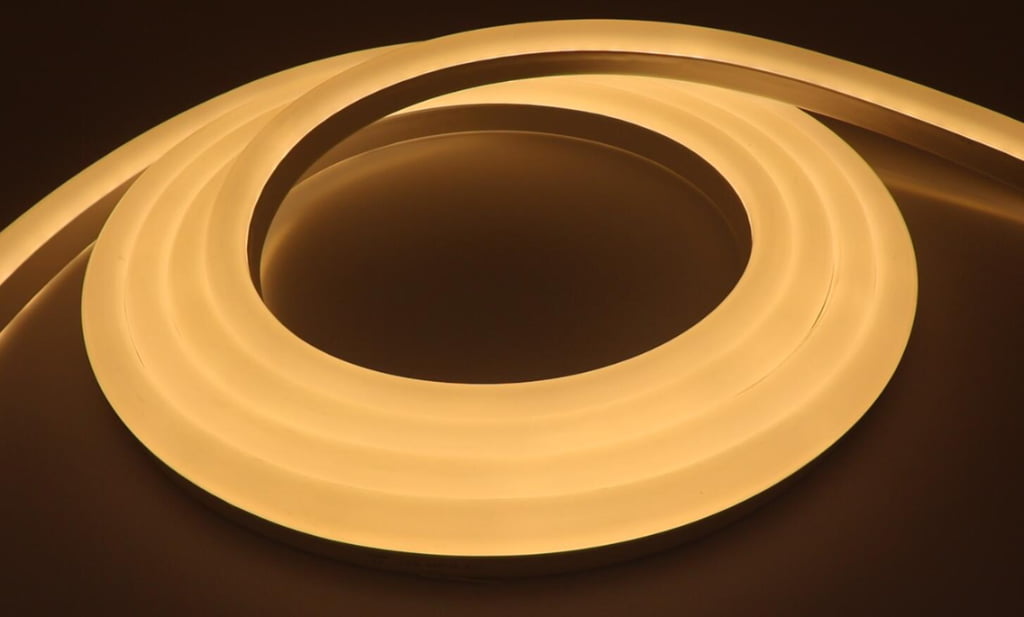
Many customers are frustrated with 1800K ultra warm LED strips that appear dim and muddy rather than creating that desired warm, candlelight ambiance. The issue often lies not in the color temperature, but in the quality of the light spectrum.
To achieve that authentic warm glow similar to candlelight, LED strips need both high CRI1 (Color Rendering Index2) ≥90 and strong R9 values ≥503. Without these specs, even 1800K strips can look dull and lifeless instead of creating intimate atmosphere4.
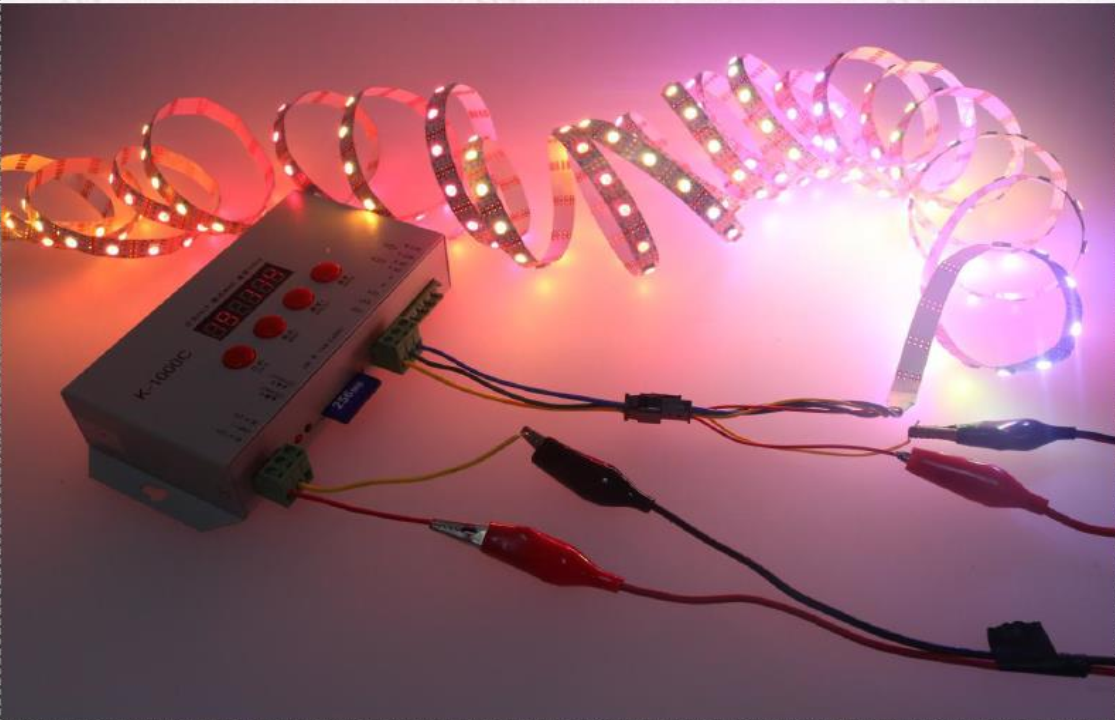
As a manufacturer focused on premium lighting solutions5, I've spent years researching why some ultra warm LEDs fail to deliver that cozy ambiance customers seek. Let me break down the two critical factors that make or break the quality of warm LED lighting.
Why Does Color Rendering Index2 (CRI) Matter for Ultra Warm LEDs?
When customers complain about their ultra warm LED strips looking "dirty" or "muddy," the first thing I check is the CRI rating. Low-quality strips often have CRI values of only 70-80, which becomes very noticeable at warm color temperatures.
CRI measures how accurately colors appear under LED light compared to natural light6. For ultra warm LEDs (1800K), you need CRI ≥907 to maintain color vibrancy8 and transparency, since these strips naturally produce less blue light. Lower CRI results in dull, gray-looking illumination.
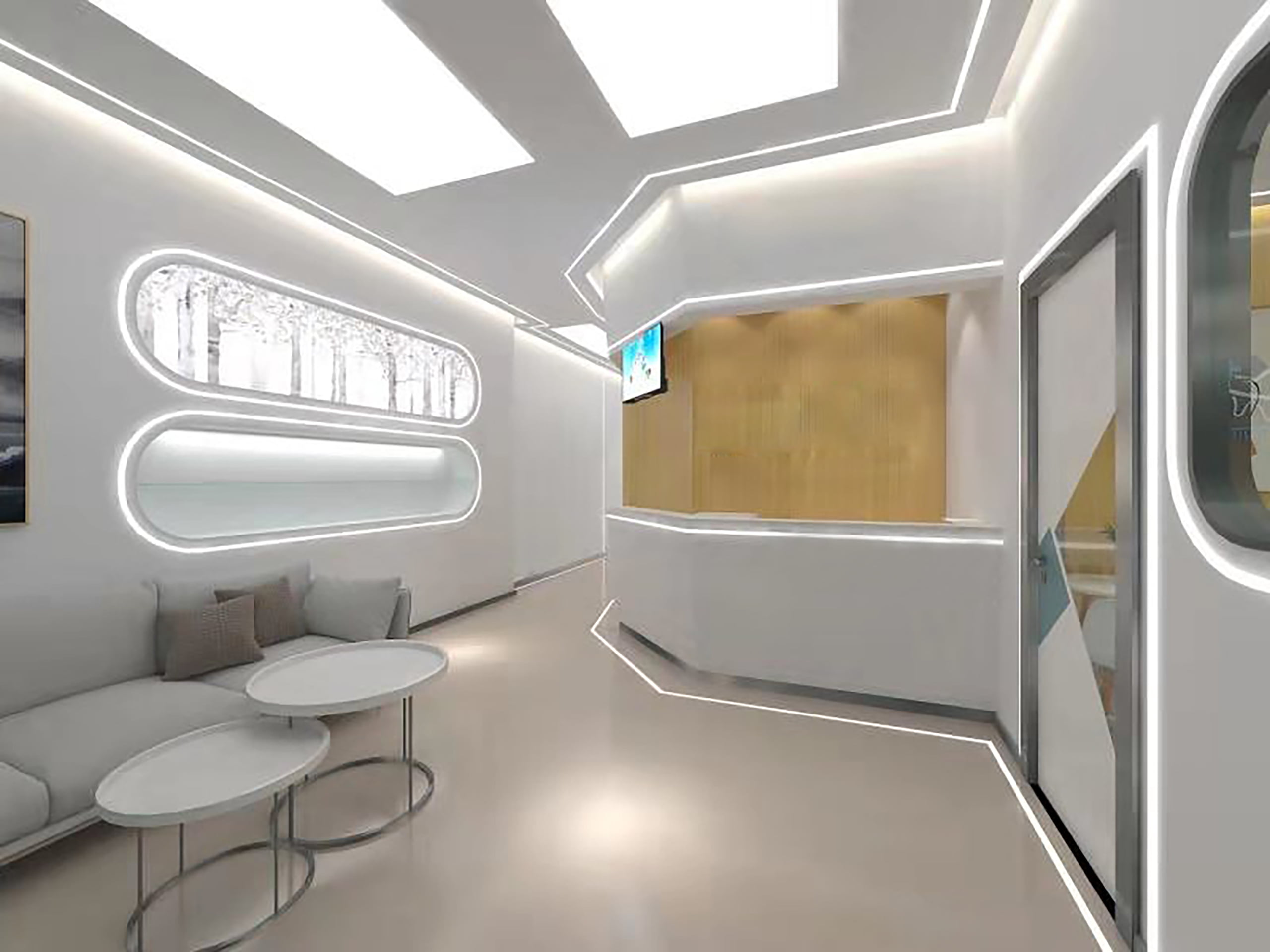
Understanding CRI Impact on Ultra Warm LEDs
The relationship between CRI and perceived light quality becomes even more critical for ultra warm LEDs:
Effects of Different CRI Levels at 1800K
| CRI Level | Visual Impact | Best Applications |
|---|---|---|
| 70-80 CRI | Muddy appearance, gray cast on materials | Basic utility lighting |
| 80-90 CRI | Improved clarity, some color shifting | General commercial use |
| 90+ CRI | True color rendering, transparent warm glow | High-end hospitality, residential |
I've seen countless projects where switching from 80 CRI to 90+ CRI ultra warm strips completely transformed the space from looking dim and artificial to having that sought-after candlelit ambiance.
What Role Does R9 Value Play in Warm LED Performance?
In my experience consulting on luxury hospitality projects, R9 value is often the hidden factor that makes or breaks the success of ultra warm LED installations. Many customers don't even know to ask about it.
R9 measures how well an LED renders saturated red colors. Even LED strips advertising "CRI 80+" can have R9 values near zero or negative, resulting in lifeless wood tones and unhealthy-looking skin tones. For natural-looking warmth, R9 should be ≥50.
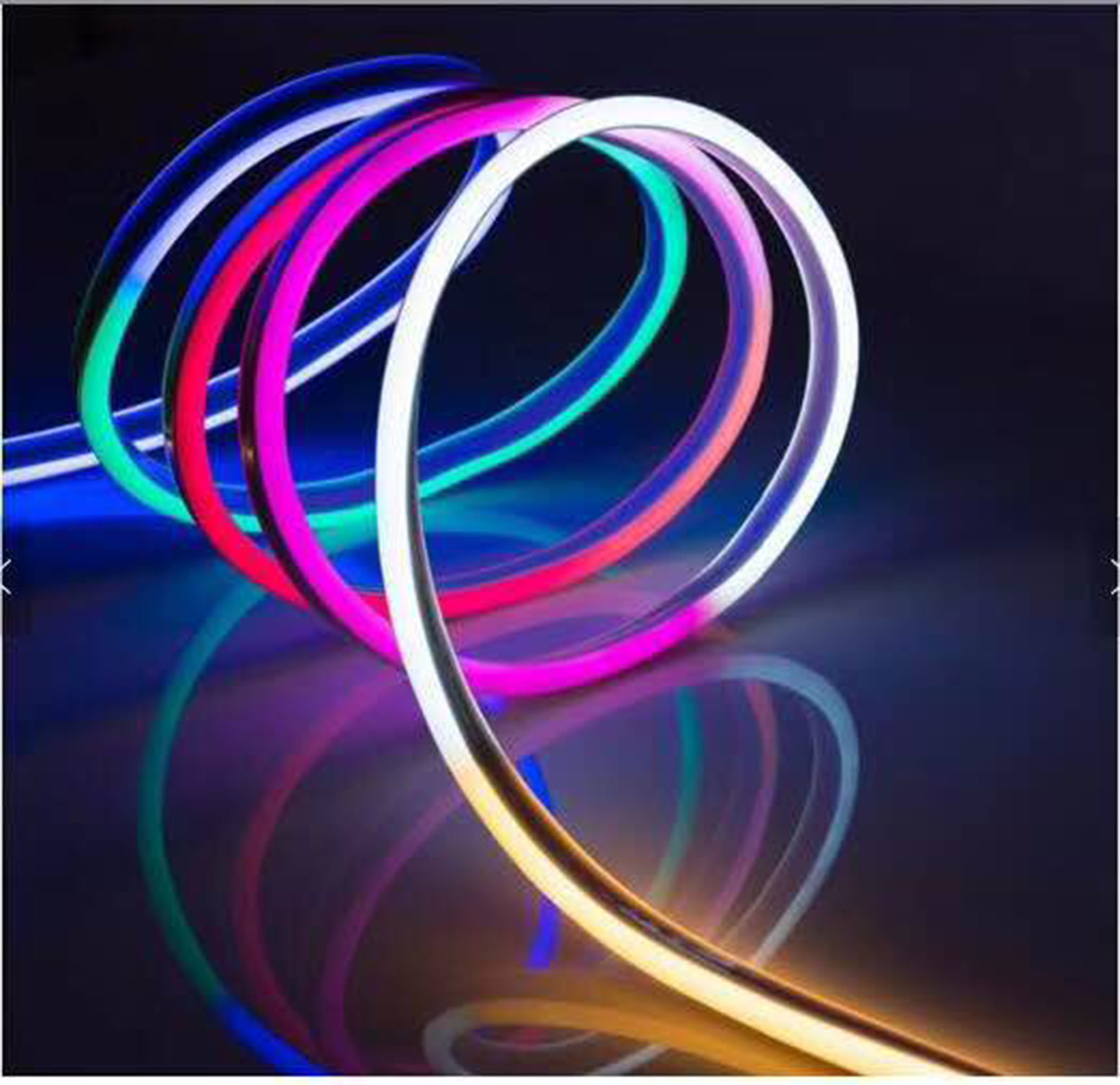
Deep Dive into R9 Impact
The importance of R9 in ultra warm LEDs can't be overstated. Here's what I've observed across hundreds of installations:
R9 Effects on Different Materials
| Material | Low R9 Impact | High R9 Impact |
|---|---|---|
| Wood | Appears gray and flat | Reveals rich, warm grain |
| Skin tones | Looks pale and lifeless | Natural, healthy glow |
| Fabrics | Muted reds and browns | Vibrant, rich colors |
| Food | Unappetizing appearance | Appetizing warm tones |
We've conducted numerous side-by-side comparisons where the only difference was R9 value. The results consistently show that high R9 values are essential for achieving that authentic candlelight warmth customers desire.
How Does Spectral Distribution Affect Ultra Warm LED Quality?
Through years of product development, I've learned that achieving premium warm lighting isn't just about hitting certain specifications - it's about optimizing the entire light spectrum.
Quality ultra warm LEDs require careful engineering of the entire spectral power distribution9. This means ensuring smooth transitions between wavelengths rather than sharp peaks and valleys, which can cause certain colors to appear unnaturally emphasized or muted.
Understanding Spectral Quality
The science behind spectral distribution directly impacts how we perceive light quality:
Key Aspects of Spectral Distribution
| Feature | Impact on Light Quality | Why It Matters |
|---|---|---|
| Spectral Continuity | Prevents color gaps | Natural color transition |
| Balanced Peaks | Avoids over-emphasis | Even illumination |
| Smooth Falloff | Reduces harsh effects | Comfortable viewing |
In our lab testing, we've found that optimizing these spectral characteristics results in ultra warm light that maintains clarity and depth while providing the desired cozy atmosphere.
Conclusion
Creating high-quality ultra warm LED strips isn't just about achieving 1800K color temperature - it requires careful attention to CRI, R9 values, and spectral distribution to deliver that authentic, cozy candlelight glow customers desire.
High CRI lights enhance color vibrancy and clarity, making them ideal for residential and hospitality settings. ↩
Understanding CRI helps you choose LED lights that accurately render colors, enhancing your space's ambiance. ↩
R9 values are essential for rendering warm colors accurately, impacting the overall warmth and appeal of your lighting. ↩
Learn about lighting solutions that foster intimacy and warmth, perfect for dining or relaxation spaces. ↩
Discover what sets premium lighting apart and how it can elevate your space's aesthetic. ↩
Understanding the differences can help you select LED lights that mimic the beauty of natural light. ↩
A high CRI ensures vibrant colors and true-to-life illumination, crucial for creating inviting environments. ↩
Explore how CRI and R9 values contribute to the vibrancy of colors in your lighting design. ↩
Exploring spectral distribution can reveal how light quality impacts color perception and ambiance in your space. ↩