

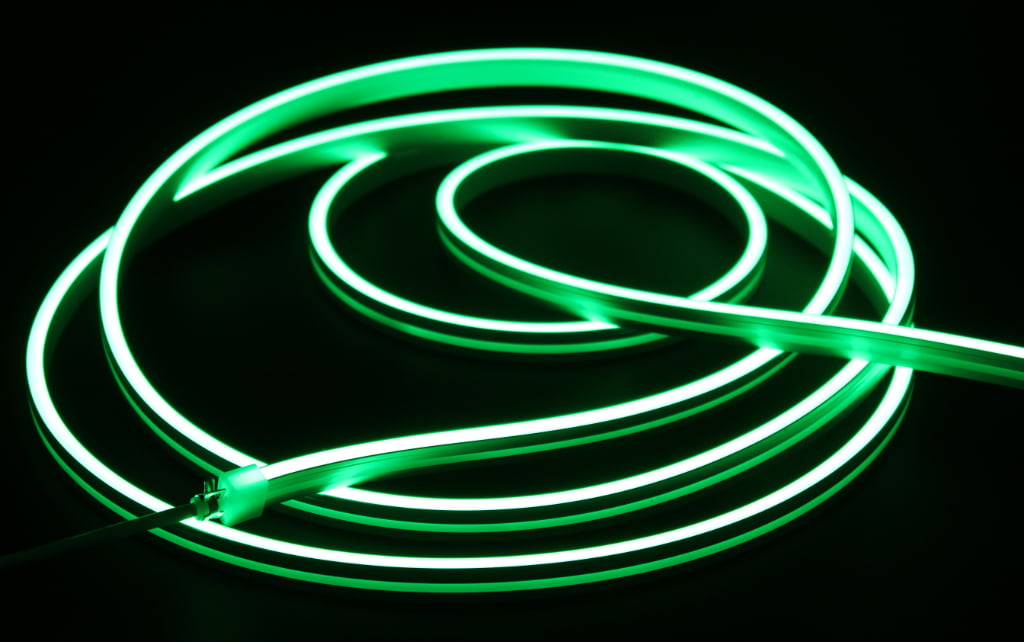
Ever installed a pristine white LED strip only to find it giving off an unsightly greenish tint? This frustrating color shift can ruin your entire lighting project, wasting both time and money.
The green tint in LED strips1 typically occurs when using low-quality PVC tubing2 for waterproofing. This happens because PVC material has a slight blue-green base color and poor light transmission, which distorts the original pure white light spectrum.
I recently helped a client who faced this exact issue. Their outdoor LED installation looked "contaminated" despite using high-quality LED strips. Let me share what I discovered about this common problem and how we solved it.
How Does Housing Material Affect LED Light Quality?
Many lighting projects fail not because of the LEDs themselves, but due to poor choices in protective housing. When your clean white light suddenly looks dirty and green, you're likely dealing with a material interference issue.
The housing material's optical properties directly impact light quality. Low-grade PVC tubing can reduce light transmission by up to 30% and add color distortion due to its inherent blue-green tint and uneven light diffusion properties.
Let's dive deeper into why this happens and what you can do about it. The interaction between LED light and housing material involves several critical factors:
1. Material Base Color Impact
- PVC Tubing
- Natural blue-green tint
- Yellows with age
- Increases color distortion over time
- High-Quality Silicone
- Nearly colorless
- UV-resistant
- Maintains clarity long-term
2. Light Transmission Properties
| Property | Low-Grade PVC | High-Quality Silicone |
|---|---|---|
| Transparency | 70-80% | 93-95% |
| Light Diffusion | Uneven | Uniform |
| Color Shift | Significant | Minimal |
3. Environmental Factors
The problem becomes even more pronounced in:
- Outdoor installations
- High-temperature environments
- Areas with high UV exposure
What's The Solution to Prevent Green Tint in LED Strips?
The frustration of seeing your white LEDs turn green can be overwhelming. I've seen countless projects compromised by this issue, but there's a clear path to avoiding it.
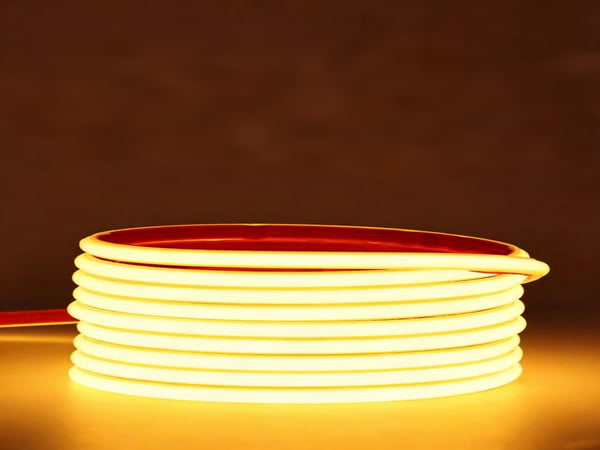
The solution lies in using high-transparency silicone housing with at least 93% light transmission rate and neutral color properties. This material preserves the original LED color temperature while providing superior environmental protection.
The key to achieving perfect light quality lies in understanding and controlling these technical aspects:
Material Selection Criteria:
-
Optical Properties
- Light transmission rate >93%
- Neutral color base
- Uniform diffusion characteristics
-
Physical Properties
- UV resistance
- Temperature stability (-40°C to +60°C)
- Impact resistance
-
Manufacturing Process
- Controlled wall thickness
- Precise extrusion parameters
- Quality control at molecular level
By focusing on these aspects, we've helped numerous clients achieve their desired lighting effects without compromise. The difference in results between standard PVC and high-quality silicone3 housing is immediately apparent - pure, clean white light that maintains its intended color temperature.
Conclusion
Don't let poor housing materials ruin your LED lighting project. Invest in high-quality silicone3 housing to ensure your white LED strips maintain their pure, intended color without any unwanted green tinting.
Understanding the causes of green tint can help you avoid this common issue in your lighting projects. ↩
Learn about the impact of low-quality materials on LED performance and how to choose better alternatives. ↩
Discover why high-quality silicone is essential for maintaining the integrity of your LED lighting. ↩