

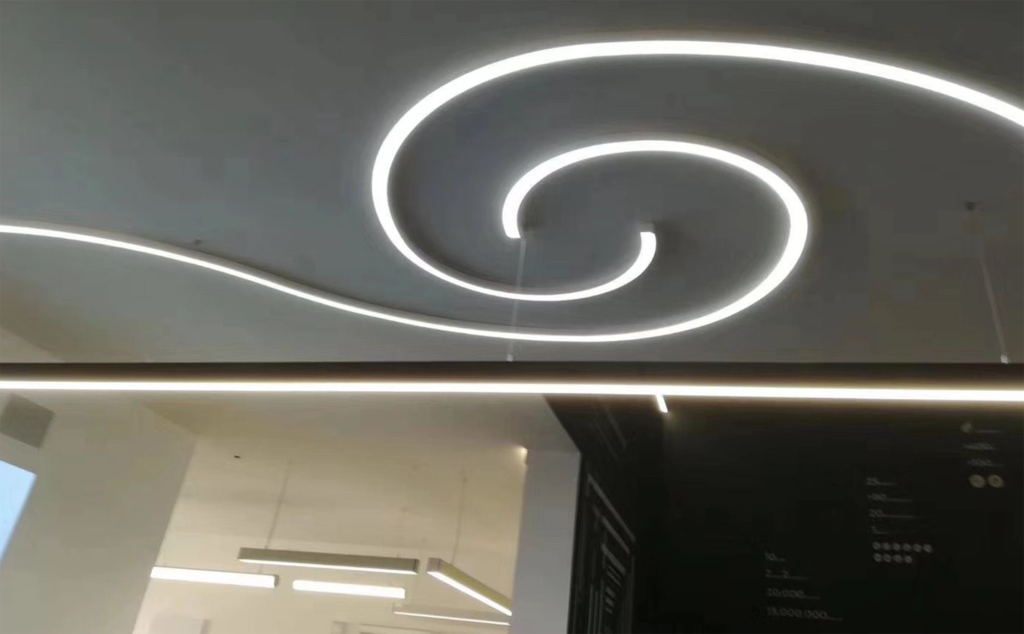
Many lighting contractors face frustrating issues with 3D bendable LED strips1 - flickering, poor contact, and dead spots appear shortly after installation. The problem isn't the silicone exterior, but rather the internal PCB design2.
True 3D bendable neon flex requires specialized PCB design2 with serpentine traces3 that can handle multi-directional stress. Simply making thinner PCBs or reducing copper thickness leads to stress concentration4 and failure at bending points.
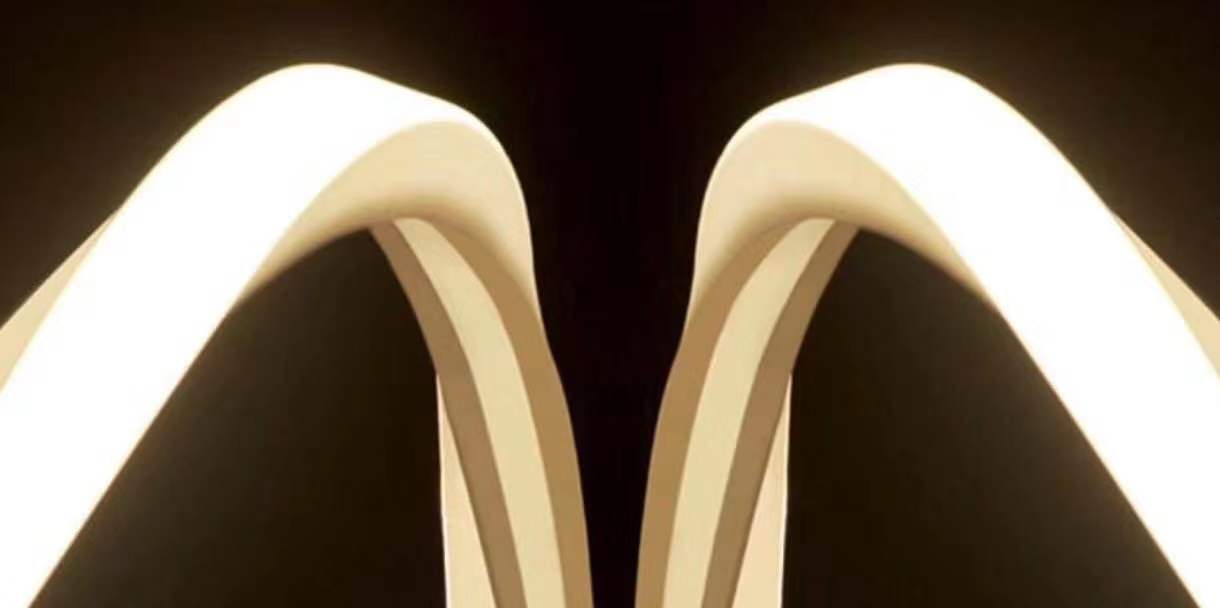
Let me share why traditional 3D LED strips fail and how proper engineering solves these challenges. After working with numerous lighting projects, I've identified the key factors that determine long-term reliability.
Why Do Regular 3D LED Strips Fail Under Complex Bending?
I've seen many projects where standard "3D bendable" LED strips start failing within weeks of installation. The strips flicker, lose connection, or develop dead spots, especially at bending points.
The main issue is that most manufacturers simply make thinner PCBs or reduce copper thickness. While this allows initial bending, it creates stress concentration4 points when the strip experiences combined side-bending, top-bending and torsional forces.

When we analyze failed LED strips under a microscope, we consistently find micro-cracks in copper traces and solder pad delamination5 at these stress points. This explains why many strips work fine as samples but fail after installation.
Traditional straight PCB traces can't distribute mechanical stress effectively. When bent in multiple directions, the copper foil develops fatigue cracks at fixed points where stress concentrates. I've worked with many clients who had to repeatedly repair or replace strips due to this fundamental design flaw.
Our Innovative Solution: Serpentine Trace Design
- Traces follow a spring-like serpentine pattern
- Allows expansion during stretching
- Compresses during bending/twisting
- Distributes stress across the entire length
- Reduces metal fatigue6 compared to straight traces
Enhanced Solder Pad Structure
- 30% larger pad area to reduce edge stress
- High-ductility7 silver solder paste for better flexibility
- Reinforced connection points for mechanical durability
What Makes a Truly Reliable 3D Bendable LED Strip?
Most lighting designers learn the hard way that "bendable" doesn't always mean "reliably bendable." I've helped many clients troubleshoot failed installations.
A properly engineered 3D bendable LED strip must incorporate stress-compensating PCB design2, optimized copper ductility7, enlarged solder pads, and enhanced solder joint toughness8 - not just thinner materials.
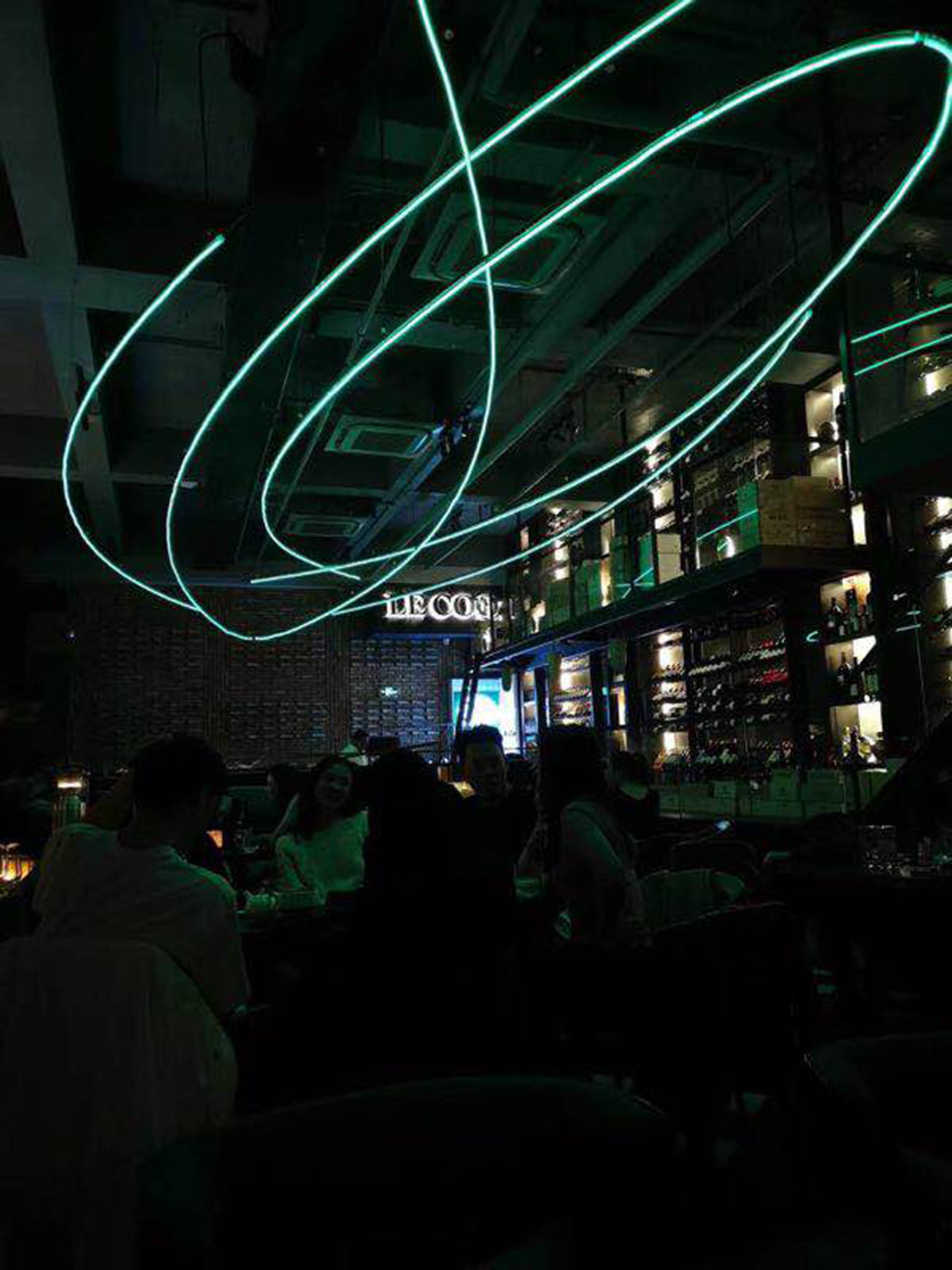
Let me share a real project example. We worked with a museum that needed LED strips installed along a complex spiral sculpture. Previous attempts with standard 3D strips resulted in flickering and dead sections. Our stress-compensating design underwent over 100 multi-directional bending cycles at the same point without any performance degradation.
The key factors we considered:
-
Trace Layout
- Serpentine pattern for stress distribution
- Optimized curve radius
- Balanced copper thickness
-
Material Selection
-
Structural Design
- Enlarged solder pads
- Reinforced connection points
- Multi-layer stress distribution
Conclusion
True 3D bendable LED neon flex requires comprehensive engineering beyond just making components thinner. Our stress-compensating design ensures reliable performance in complex architectural installations.
Explore this link to understand the challenges faced by contractors and how to overcome them. ↩
Learn about the critical role of PCB design in ensuring the reliability of LED strips. ↩
Discover how serpentine traces can enhance the durability of LED strips under stress. ↩
Understanding stress concentration can help you choose better LED strip designs. ↩
Find out how solder pad delamination affects LED strip performance and longevity. ↩
Explore the concept of metal fatigue and its implications for LED strip reliability. ↩
Learn why ductility is crucial for the performance of LED strips in complex installations. ↩
Discover the importance of solder joint toughness in ensuring long-lasting LED strip performance. ↩