

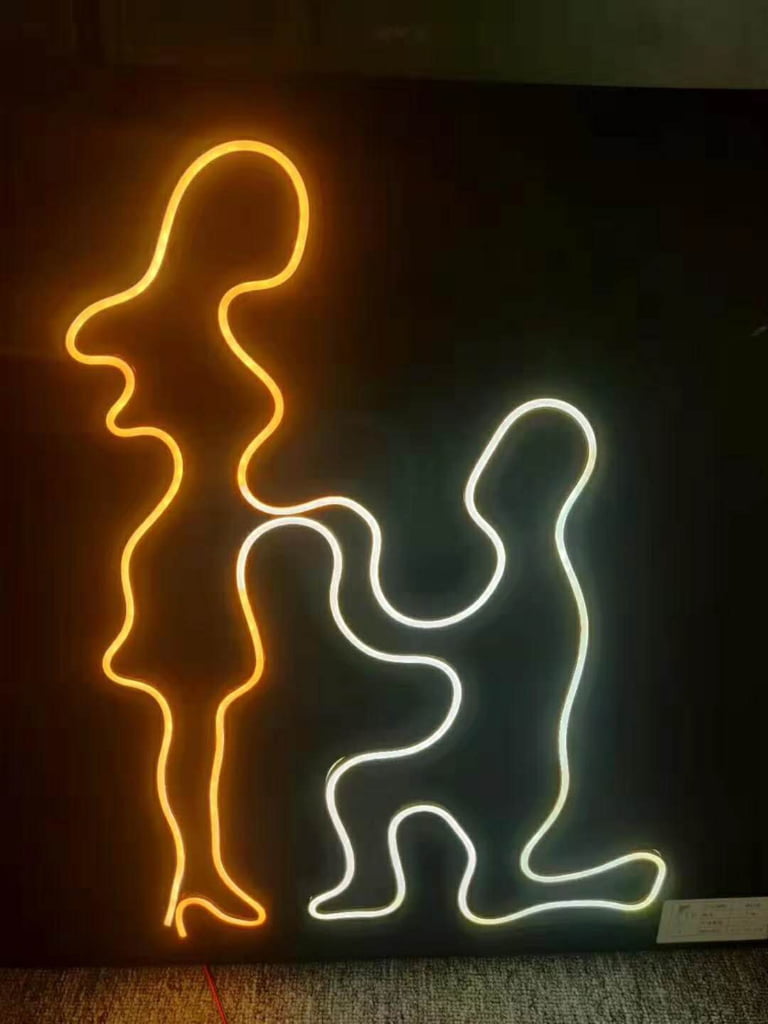
Many sign makers face a frustrating problem - their bright LED strips become significantly dimmer once covered with silicone tubes, especially colored ones. This light loss can seriously impact the final look of neon signs.
The key to maintaining brightness in LED neon signs lies in the silicone cover's light transmittance1 and color pigment control2. High-quality silicone covers should maintain at least 85% light transmittance1 while providing even diffusion and accurate coloring.
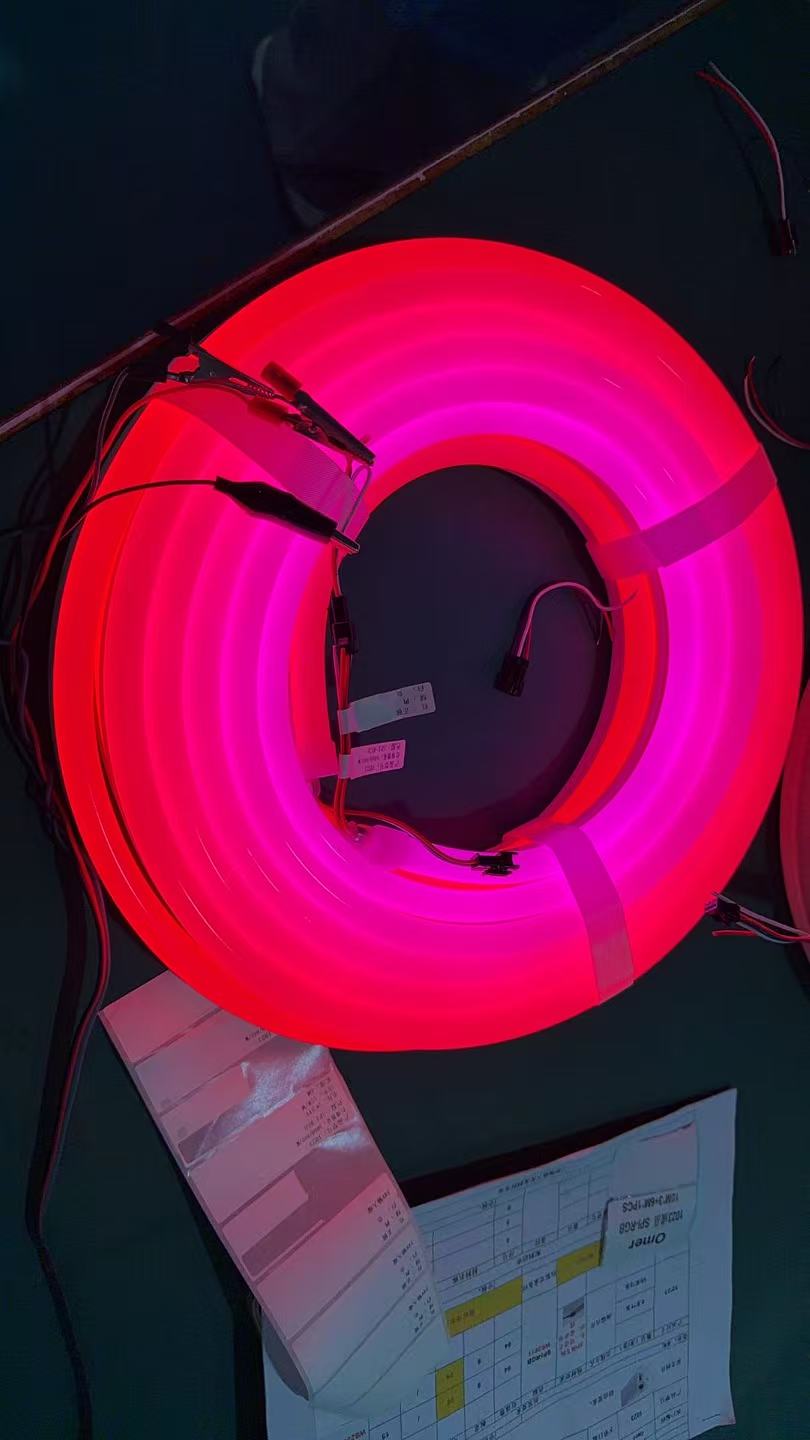
Let me share what I've learned after testing hundreds of silicone covers and helping clients troubleshoot their neon sign projects. The right silicone cover can make or break your LED neon sign's visual impact.
Why Do Some LED Strips Lose Brightness with Silicone Covers?
I've seen many projects where beautiful LED strips suddenly look dull and lifeless once covered. The frustration of seeing your carefully planned design lose its vibrancy is all too real.
The main culprit behind brightness loss is poor-quality silicone covers using excessive diffusers and uneven color pigments. Low-grade covers can reduce light output by 30-40%, turning a bright 1000lm LED strip into a dim 600-700lm display.
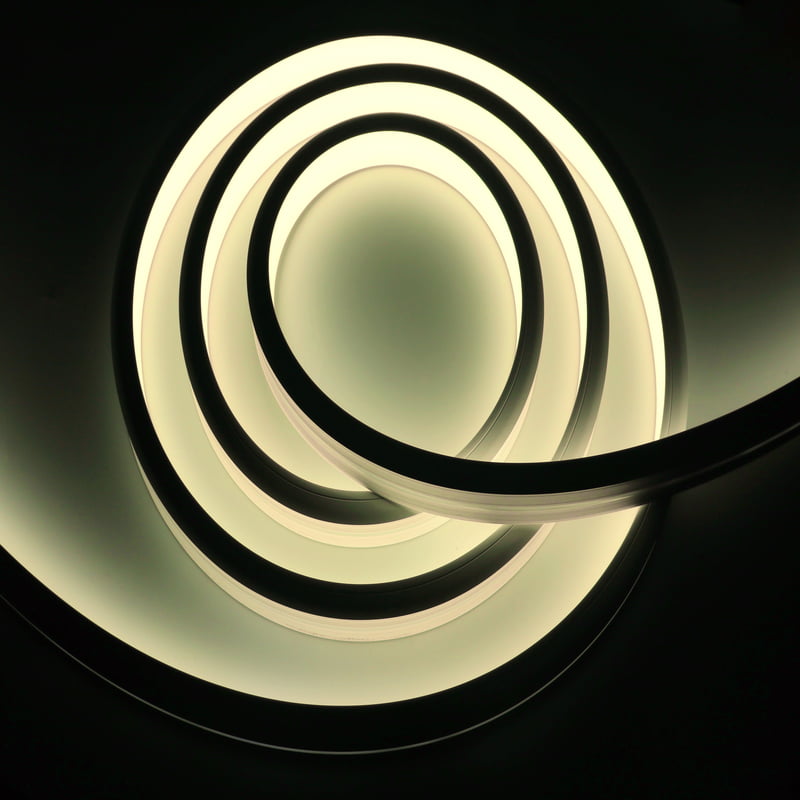
Understanding Light Loss Factors
When examining silicone covers for LED strips, several key factors contribute to light loss:
1. Diffuser Quality
- Poor Quality
- Large particle size
- Uneven distribution
- Excessive concentration
- High Quality
- Nano-sized particles
- Uniform distribution
- Optimal concentration
2. Color Pigment Control
| Aspect | Impact on Light Output |
|---|---|
| Concentration | Higher pigment levels = More light absorption |
| Distribution | Uneven mixing = Inconsistent appearance |
| Particle Size | Larger particles = More light scatter |
The science behind light transmission through silicone is complex, but the impact on your projects is simple - poor quality covers waste energy and compromise visual appeal.
How Can Color Accuracy Be Maintained While Preserving Brightness?
One of the most common complaints I hear is about warm white LEDs looking bluish or colors appearing muddy when covered. This color shift can ruin the intended design aesthetic.
The solution lies in spectral matching3 - carefully calibrating color pigments to work with specific LED wavelengths. Professional-grade silicone covers use precisely controlled pigment ratios and advanced diffusion technology to maintain color accuracy.

Color Management Technology
Modern silicone cover manufacturing requires sophisticated color management:
Spectral Analysis Process
- LED wavelength measurement
- Pigment spectral matching3
- Sample verification testing
- Production batch control
Critical Parameters
| Parameter | Target Range | Impact |
|---|---|---|
| Light Transmittance | ≥85% | Brightness maintenance |
| Color Consistency | ΔE ≤2 | Visual uniformity |
| Diffusion Rate | 92-95% | Dot-free appearance |
This scientific approach ensures your neon signs maintain both brightness and color accuracy throughout their lifecycle.
What Should You Look for When Choosing Silicone Covers?
After seeing countless projects compromised by poor material choices, I've learned that selecting the right silicone cover is crucial for success.
Quality silicone covers should provide documented light transmittance1 data, color matching certificates, and weathering test results4. Look for manufacturers who can demonstrate at least 85% light transmittance1 and offer custom solutions5 for specific applications.
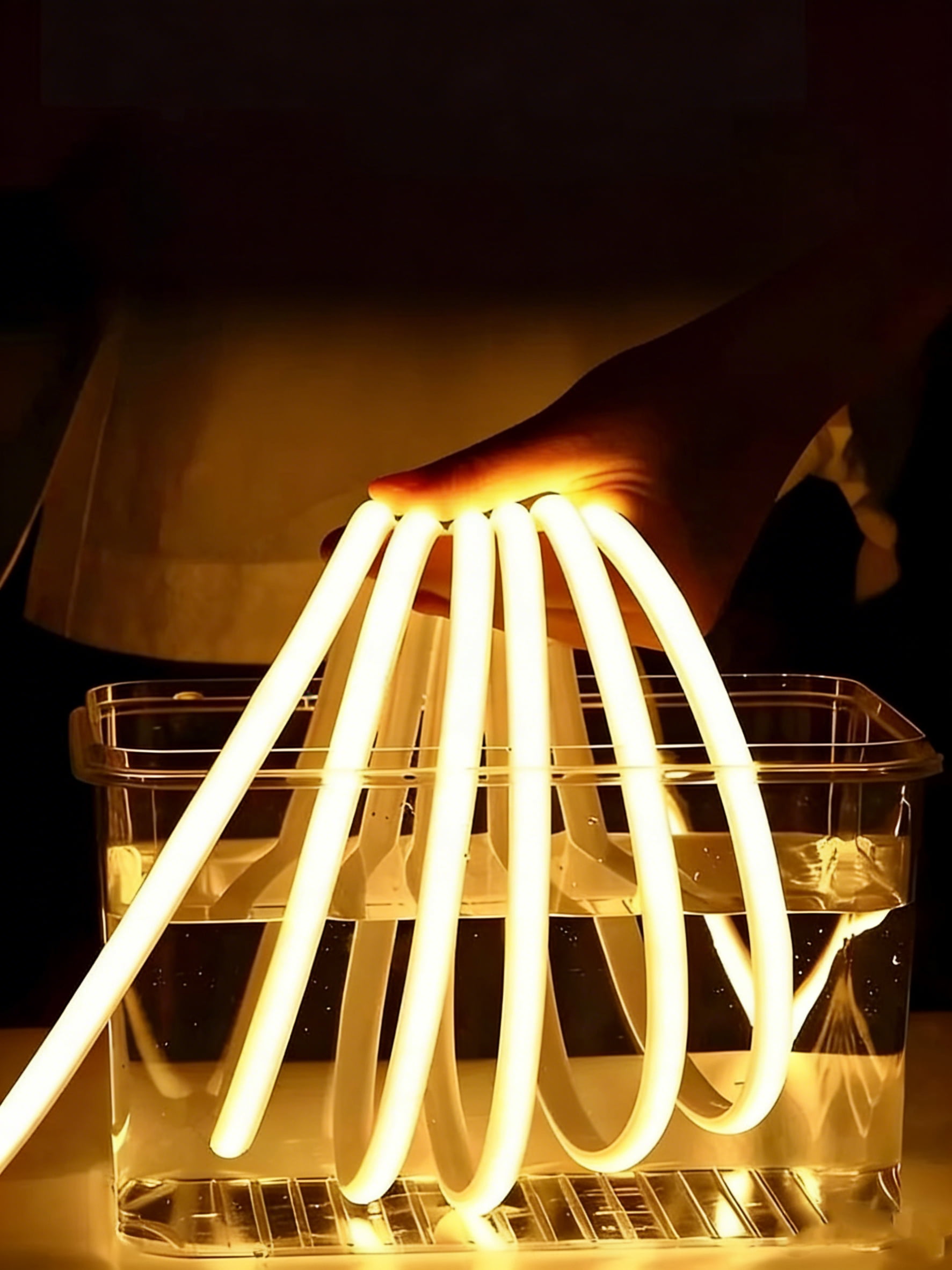
Selection Criteria Guide
To help you make informed decisions, consider these key factors:
Technical Specifications
| Property | Standard Grade | Premium Grade |
|---|---|---|
| Light Transmittance | 70-80% | ≥85% |
| UV Resistance | 1-2 years | 5+ years |
| Temperature Range | -20°C to +45°C | -40°C to +60°C |
| Color Consistency | ΔE ≤3 | ΔE ≤2 |
Application Considerations
- Indoor vs Outdoor Use
- UV protection6 requirements
- Temperature resistance needs
- Moisture exposure levels
- Viewing Distance
- Diffusion requirements
- Brightness needs
- Color saturation balance
Conclusion
Choosing the right silicone cover is crucial for LED neon sign success. Focus on light transmittance1, color accuracy, and quality certifications to ensure your projects maintain their intended visual impact.
Understanding light transmittance is essential for ensuring your LED neon signs maintain brightness and visual appeal. ↩
Explore how color pigment control can enhance the vibrancy and accuracy of your LED neon signs. ↩
Discover how spectral matching can improve color accuracy and brightness in LED neon signs. ↩
Explore the significance of weathering tests in ensuring the durability and performance of silicone covers. ↩
Explore how custom solutions can enhance the effectiveness and aesthetic of your LED neon signs. ↩
Understanding UV protection can help you select silicone covers that maintain performance in outdoor applications. ↩