

Creating artistic neon signs isn't just about brightness - the real challenge lies in achieving smooth, precise bends. Many sign makers struggle with kinked corners, light leakage, and constant readjustments during installation.
The key to perfect neon sign bending lies in the silicone hardness1 (Shore A). The ideal range is 50-60A - softer materials collapse while harder ones kink or spring back. This guide explains how to select the right neon flex for flawless artistic results.
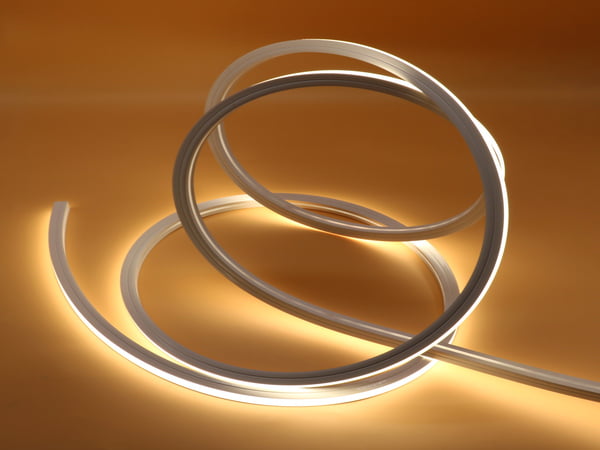
Let me share my experience testing various neon flex products and developing solutions for challenging artistic projects. Understanding the science behind silicone hardness1 has transformed how I approach custom signage.
Why Does Shore A Hardness Matter for Neon Flex Bending?
I've seen countless projects fail because the neon flex was either too soft or too rigid. The wrong hardness leads to crushed corners, visible seams, and endless reinstallation attempts.
Shore A hardness2 between 50-60 provides the optimal balance - flexible enough to bend smoothly while maintaining structural integrity. Below 45A causes collapse, above 65A creates kinks and springback in tight curves.
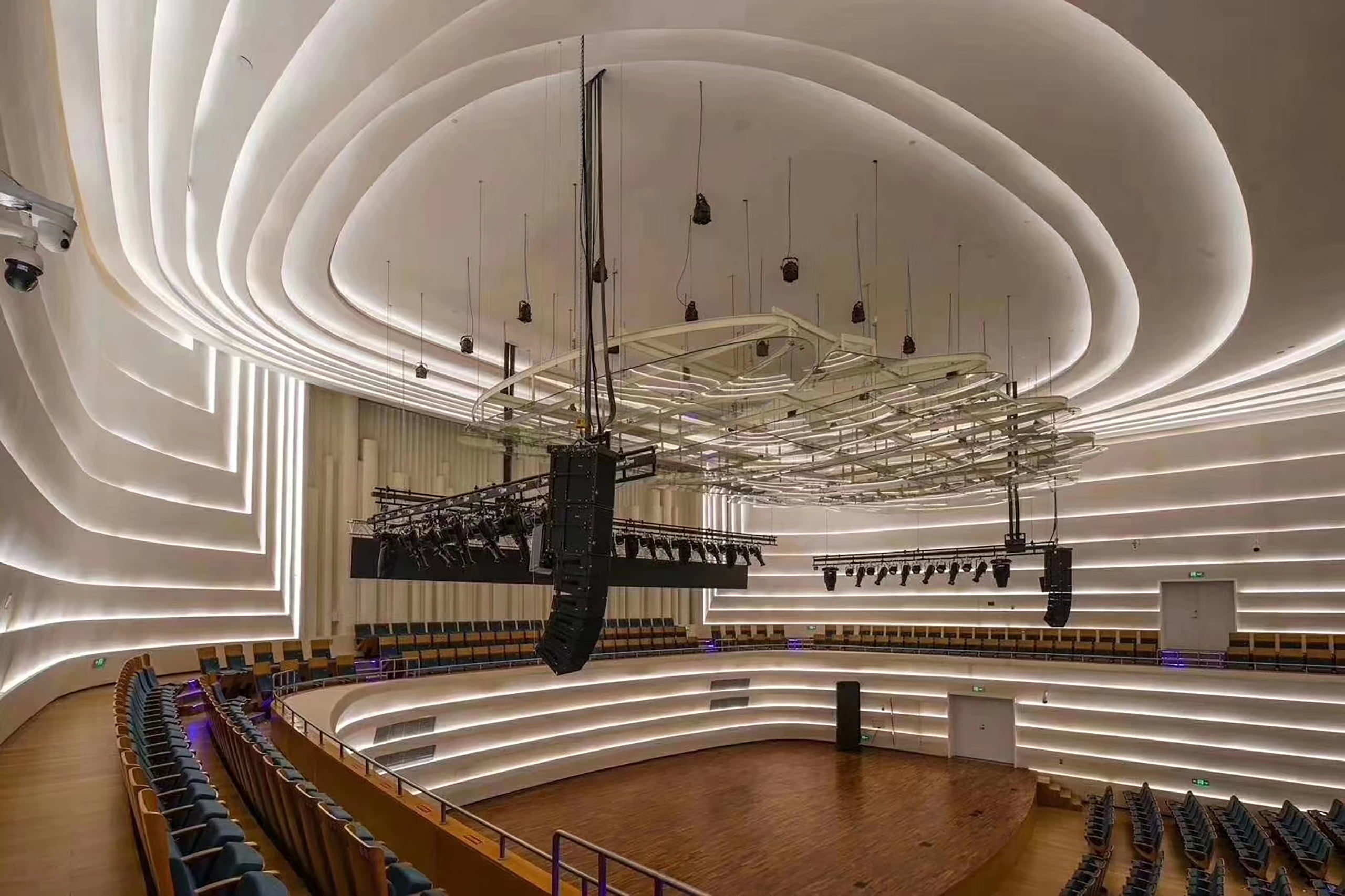
Through extensive testing and real-world applications, I've identified the critical factors affecting bending performance3:
Impact of Different Shore A Values
| Hardness Range | Bending Performance | Common Issues |
|---|---|---|
| Below 45A | Too soft, unstable | Cavity collapse, LED compression |
| 50-60A | Optimal flexibility | Clean bends, maintains shape |
| Above 65A | Too rigid | Kinking, springback, white marks |
Our testing revealed that 70A silicone shows visible deformation at 2cm radius bends, with internal wrinkles at 90° angles. This explains why many artistic signs have imperfect corners. We've optimized our design by:
- Thinning side walls for increased flexibility
- Adding reinforcement ribs to prevent collapse
- Creating buffer space to protect LED strips
How Small Can Neon Flex Actually Bend?
Traditional thick-backed neon flex often fails at tight radiuses, requiring multiple cuts or excessive adhesive. This compromises both efficiency and aesthetics.
With proper design and material selection, quality neon flex can achieve smooth 1cm radius bends while maintaining consistent brightness and clean edges - no sectioning or repeated gluing required.
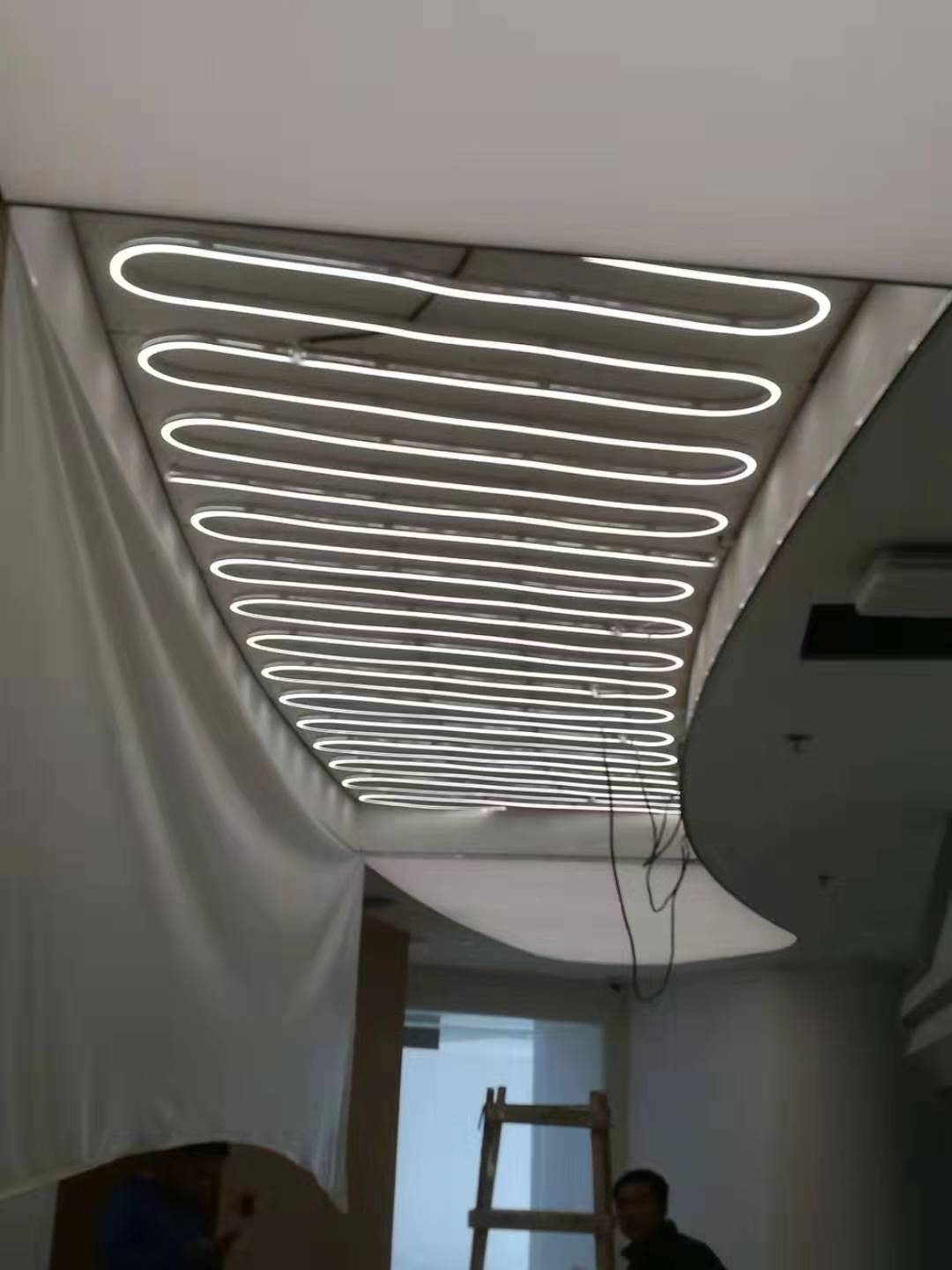
Let me share a challenging project that pushed the limits of neon flex bending4:
Case Study: Ultra-Small Radius Cursive Sign
We developed a special ultra-soft (45-48A) version with:
- Enhanced flexibility through optimized cross-section
- Controlled sidewall rebound
- Protected internal cavity
- Balanced structural support
The results exceeded expectations:
- Natural bending at 1cm radius
- No surface collapse or wrinkles
- Significantly reduced installation time
- Long-term shape retention
- Consistent brightness throughout curves
Key Design Elements for Small Radius Bending
| Feature | Purpose | Benefit |
|---|---|---|
| Thin sidewalls | Increase flexibility | Smoother curves |
| Base reinforcement | Prevent collapse | Stable light output |
| Cavity design | Protect LED strip | No dark spots |
| Balanced hardness | Control rebound | Easy installation |
Conclusion
The perfect neon flex combines precise Shore A hardness2, optimized structure, and thorough testing. Focus on the 50-60A range for most applications, with specialized versions for extreme bends.
Learn about silicone hardness and its impact on the quality and longevity of neon signs, crucial for any sign maker. ↩
Understanding Shore A hardness is crucial for selecting the right neon flex, ensuring optimal bending performance and durability. ↩
Discover the key factors that affect bending performance, helping you achieve better results in your neon sign projects. ↩
Explore the techniques and materials that lead to flawless neon flex bending, enhancing your artistic signage projects. ↩