

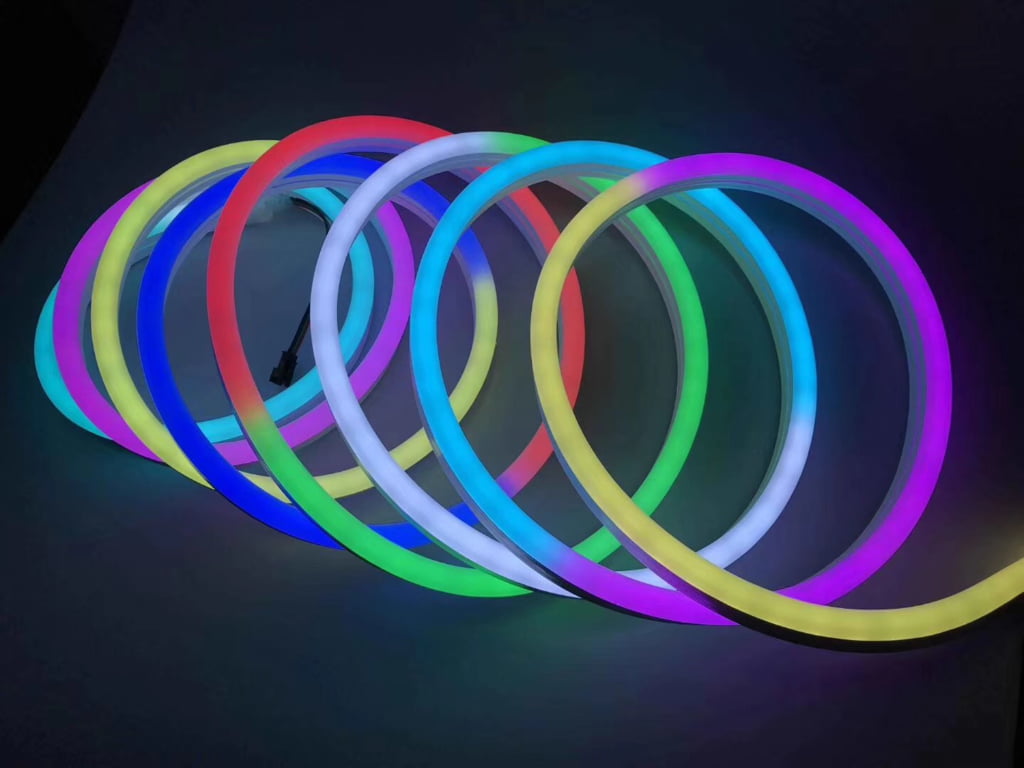
When installing complex neon lighting designs, flickering issues often emerge after repeated adjustments. This common problem frustrates installers and raises concerns about product quality.
The root cause usually lies in PCB fatigue resistance1, not power supply or soldering issues as commonly assumed. The key difference comes down to the copper foil structure2 used in the LED strip's circuit board.
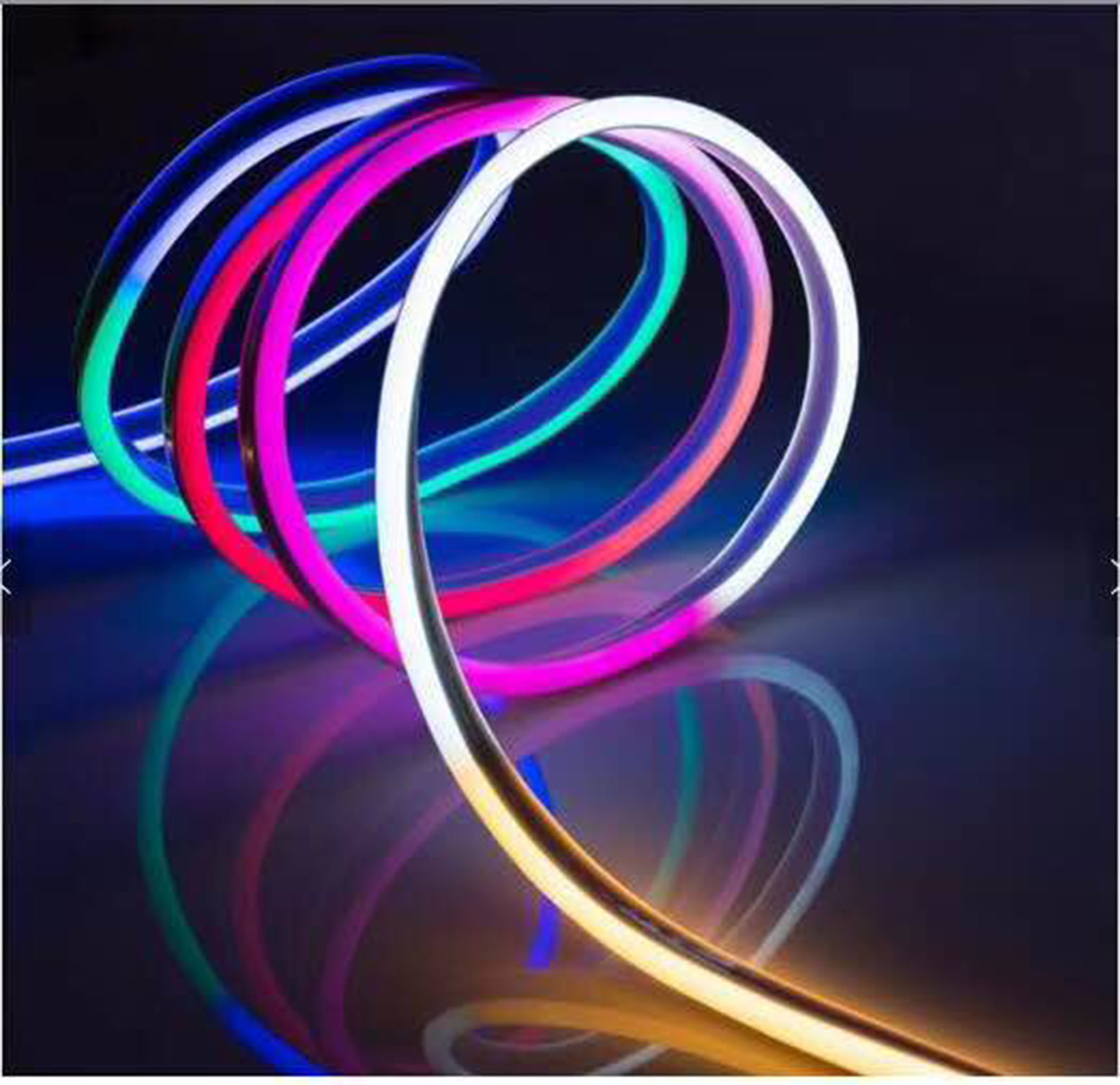
Understanding the underlying material science can help you avoid costly maintenance and ensure long-lasting installations. Let's examine why copper foil choice matters and how it impacts your project's reliability.
What Makes Some LED Neon Strips More Durable Than Others?
Most budget LED strips use basic electrolytic copper3 (ED copper) foil, which has a columnar crystal structure. While cheaper, this material often develops microcracks after repeated bending.
Premium LED neon flex uses 3oz rolled annealed copper4 (RA copper) with a layered molecular structure, providing superior flex durability. RA copper can withstand 500+ bends while maintaining stable current, compared to ED copper failing after just 50 bends.
Dive Deeper: The Science Behind Copper Foil Performance
The durability difference between ED and RA copper goes beyond just material choice - it's about fundamental structural engineering. Here's a detailed breakdown:
Material Properties Comparison
| Property | Electrolytic Copper (ED) | Rolled Annealed Copper (RA) |
|---|---|---|
| Crystal Structure | Columnar/Vertical | Layered/Horizontal |
| Flex Life | ~50 bends | 500+ bends |
| Cost | Lower | Higher |
| Heat Distribution | Less uniform | More uniform |
The 3oz RA copper we use (approximately 105μm thick) provides several key advantages:
- Lower circuit resistance for more stable power delivery
- Better heat dissipation preventing hotspots
- Enhanced mechanical strength for installation handling5
- Superior fatigue resistance during thermal cycling
This material choice directly impacts long-term reliability, especially in challenging applications like outdoor architectural lighting where temperature fluctuations and mechanical stress are constant factors.
How Does Solder Joint Design Impact LED Strip Reliability?
Poor solder joint design6 is often overlooked but can lead to premature failure, especially in flexible lighting installations that require frequent adjustments.
We incorporate 3% silver content in our lead-free solder composition, enhancing joint ductility and thermal fatigue resistance. This specialized formula maintains connection integrity even after repeated flexing and temperature cycles.
Dive Deeper: The Role of Enhanced Solder Joints
The science of solder joint reliability involves multiple factors working together:
Key Solder Joint Characteristics
| Feature | Benefit | Impact on Longevity |
|---|---|---|
| Silver Content | Enhanced ductility | Reduces crack formation |
| Joint Design | Stress distribution | Prevents separation |
| Thermal Management | Heat cycling resistance | Extends operational life |
Our enhanced solder joint design6 considers:
- Optimal pad geometry for stress distribution
- Controlled solder volume for consistent joints
- Strategic component placement for mechanical stability
- Thermal expansion matching between materials
These engineering decisions might seem minor, but they significantly impact the product's ability to maintain electrical continuity during installation and throughout its service life.
Conclusion
Choosing LED neon flex with premium copper foil and enhanced solder joints isn't just about durability - it's about ensuring your lighting installations remain flicker-free and reliable for years to come.
Understanding PCB fatigue resistance can help you choose better lighting solutions and avoid flickering issues. ↩
Explore how different copper foil structures impact the durability and reliability of LED strips. ↩
Learn about the limitations of electrolytic copper and why it may not be the best choice for LED applications. ↩
Discover the advantages of rolled annealed copper for long-lasting and reliable LED lighting solutions. ↩
Understanding mechanical strength can help you choose LED products that withstand installation stresses. ↩
Understanding solder joint design can help you ensure better performance and longevity in LED installations. ↩