


Many LED strip installers face a frustrating problem - inconsistent diffuser sizes leading to installation nightmares. Either the LED strip won't fit, or it's too loose, causing uneven lighting. Even worse, end caps may leak due to poor fits.
The key to reliable LED neon flex installations lies in controlling silicone shrinkage1 during extrusion. Professional manufacturers use laser measurement systems2 to maintain tight tolerances of ±0.2mm or better, ensuring consistent LED strip fit and waterproof end cap sealing.
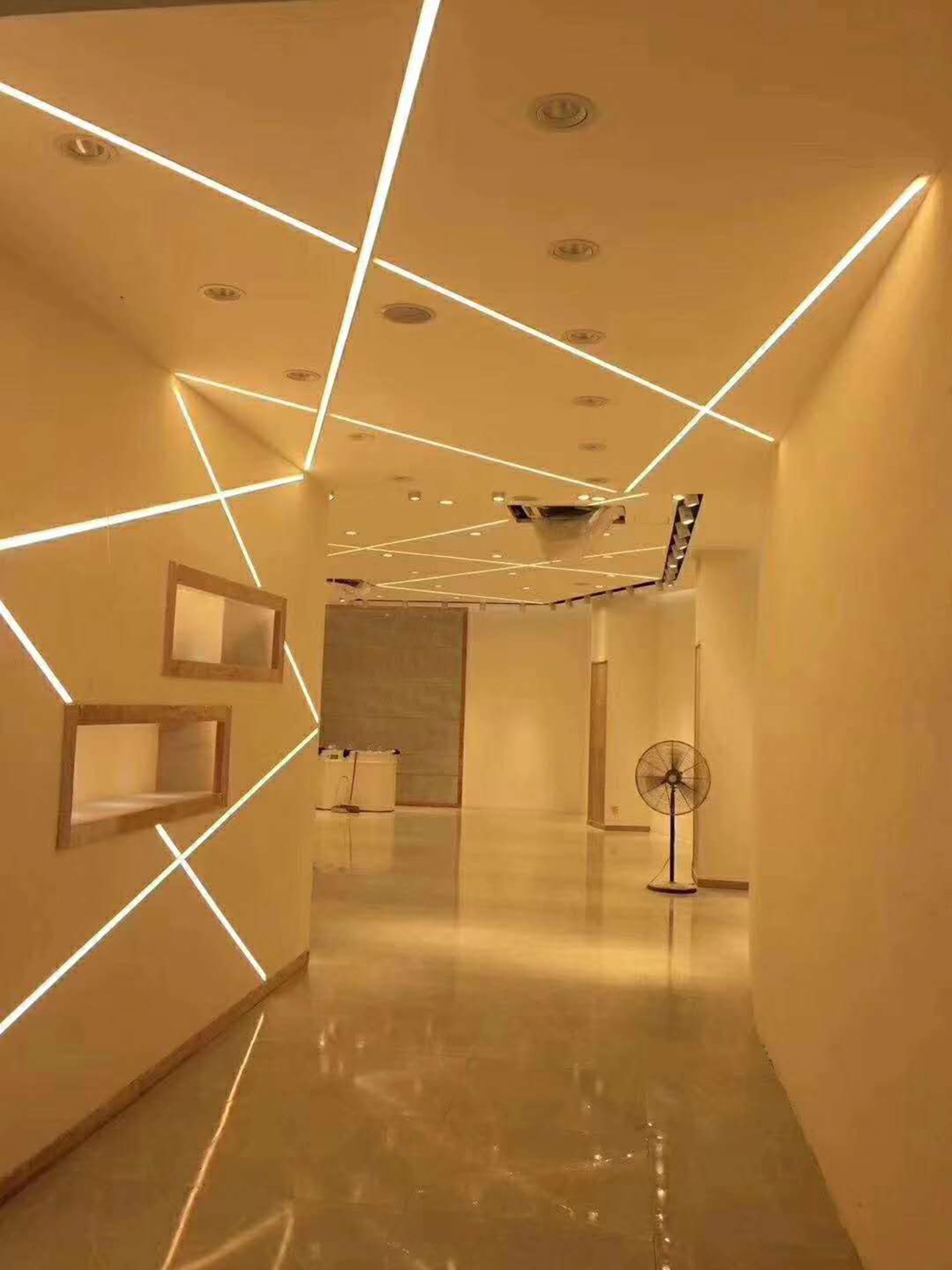
Let me share why size consistency is critical for successful LED neon flex projects, based on my experience working with contractors and architects worldwide.
What Causes Inconsistent Sizes in Silicone LED Diffusers?
When silicone is extruded at high temperatures (160-200°C), the cooling process can lead to unpredictable shrinkage. Without proper controls, even small variations in production parameters create major size inconsistencies.
Silicone diffuser size variations stem from four main factors: extrusion speed fluctuations3, die head pressure changes, cooling water temperature instability, and raw material batch differences. Without laser monitoring, tolerances can exceed ±0.5mm.

The impact of inconsistent sizing goes far beyond mere inconvenience. Let me break down the technical aspects and real-world implications:
Temperature Control Impact
- Die Head Temperature
- Optimal Range: 160-200°C
- Effect of Variation: ±0.3mm size change per 10°C shift
- Solution: PID-controlled heating zones
Cooling Process Parameters
- Water Temperature Zones
- Initial cooling: 40-45°C
- Secondary cooling: 25-30°C
- Final stabilization: 18-22°C
- Critical Factors
- Flow rate consistency
- Temperature gradient control
- Exposure time management
Quality Control Measures
- Real-time laser measurement
- Automated data logging
- Statistical process control
- Regular calibration checks
This level of precision control isn't just about meeting specifications - it's about ensuring every installation succeeds first time, every time. When working with high-end architectural projects, even a 0.5mm variance can mean the difference between a perfect fit and a complete reinstallation.
How Do Size Variations Affect Installation and Performance?
Poor size control can turn what should be a straightforward installation into a costly nightmare. I've seen countless projects derailed by inconsistent diffuser dimensions.
Installation problems caused by size variations include: difficult LED strip insertion, unstable light direction due to loose fits, compromised waterproofing from poor end cap sealing, and potential structural damage in recessed applications.
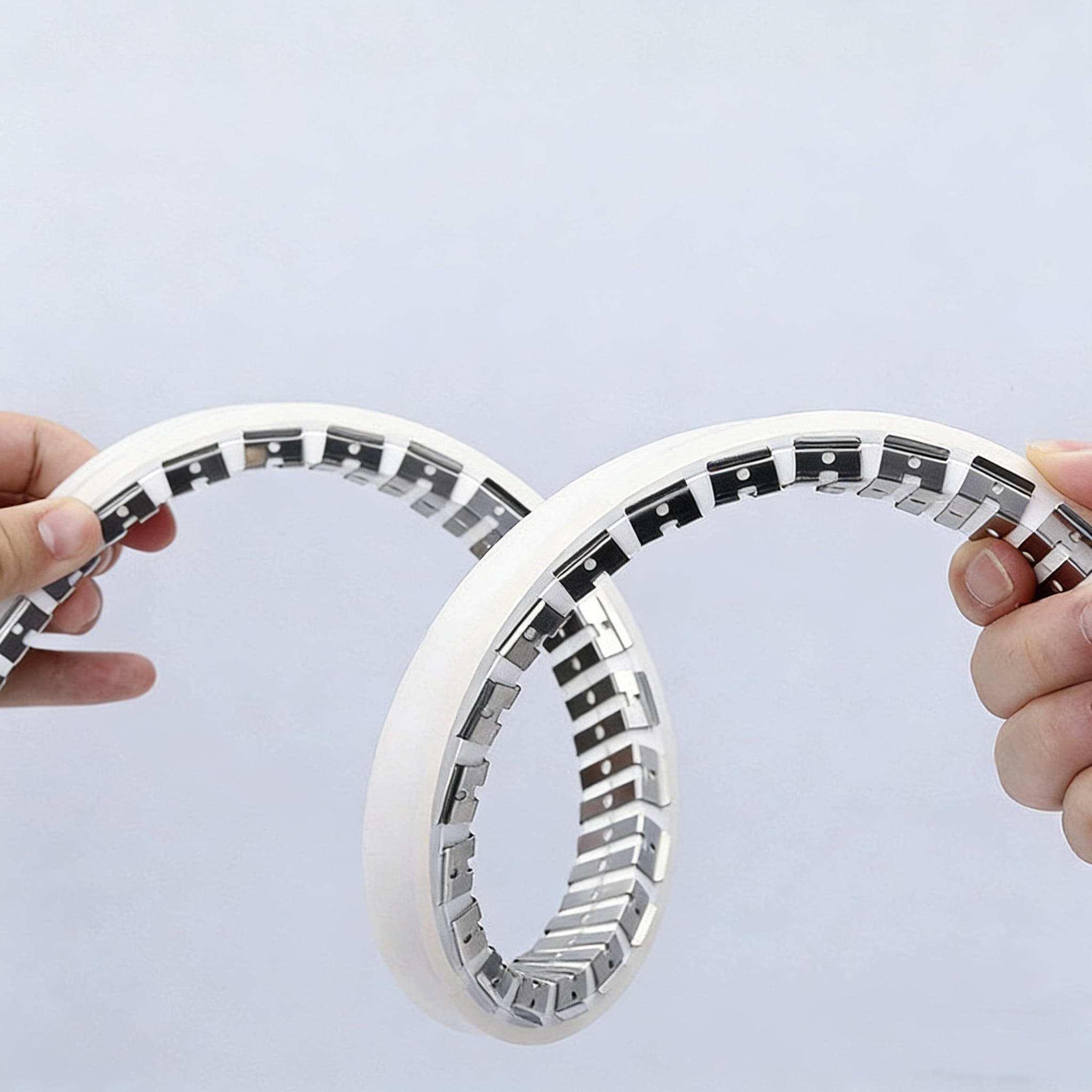
Understanding the relationship between manufacturing precision and installation success is crucial. Here's a detailed analysis of the impact:
Installation Impact Analysis
- Labor Costs
- Standard Installation: 2-3 hours
- Problem Installation: 6-8 hours
- Rework Required: 30% of poor tolerance cases
Performance Metrics
| Aspect | Good Tolerance (±0.2mm) | Poor Tolerance (±0.5mm) |
|---|---|---|
| Light Consistency | Uniform | Spotty/Uneven |
| IP Rating | Maintained | Compromised |
| Lifespan | 50,000+ hours | 20,000-30,000 hours |
| Installation Time | Standard | 2-3x longer |
The consequences extend beyond immediate installation issues - they affect long-term performance, maintenance requirements, and ultimately, client satisfaction4. Through years of manufacturing experience, we've learned that maintaining tight size tolerances is not just about quality control - it's about protecting our customers' reputation and business success.
Conclusion
Precise size control in silicone LED neon flex manufacturing isn't just a technical specification - it's the foundation of successful lighting installations and long-term project reliability.
Understanding silicone shrinkage is crucial for ensuring consistent LED installations and avoiding costly errors. ↩
Explore how laser measurement systems enhance precision in manufacturing, leading to better product quality and installation success. ↩
Learn about the impact of extrusion speed on product quality and how to mitigate issues in manufacturing. ↩
Learn how maintaining precision in manufacturing can enhance client satisfaction and project outcomes. ↩