

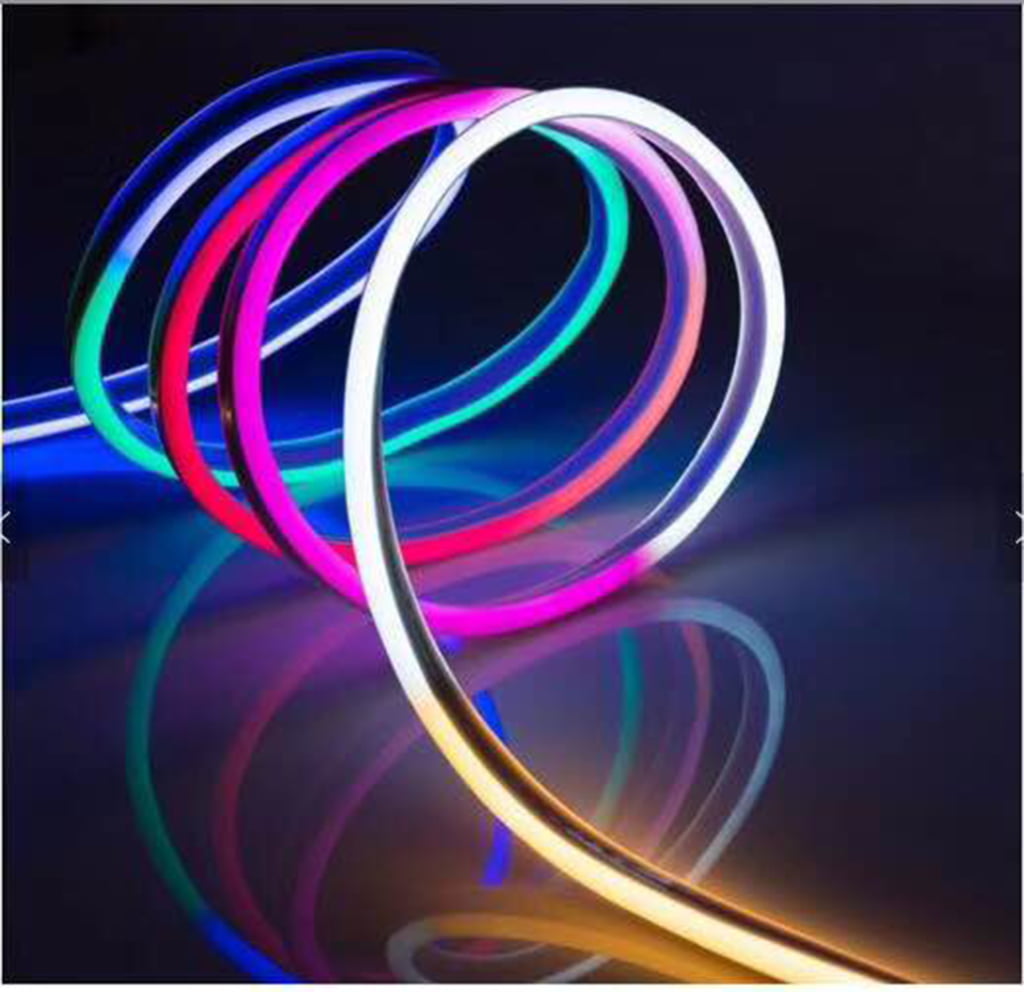
The wrong diffuser can ruin your entire lighting project with uneven light spots and shadows. Many installers struggle with cheap diffusers that crack, yellow, or create visible LED dots.
A silicone LED strip diffuser1 is a specialized optical component that evenly distributes LED light while providing UV protection and flexibility. High-quality silicone diffusers maintain 95% light transmission while eliminating individual LED dots for a clean, professional look.
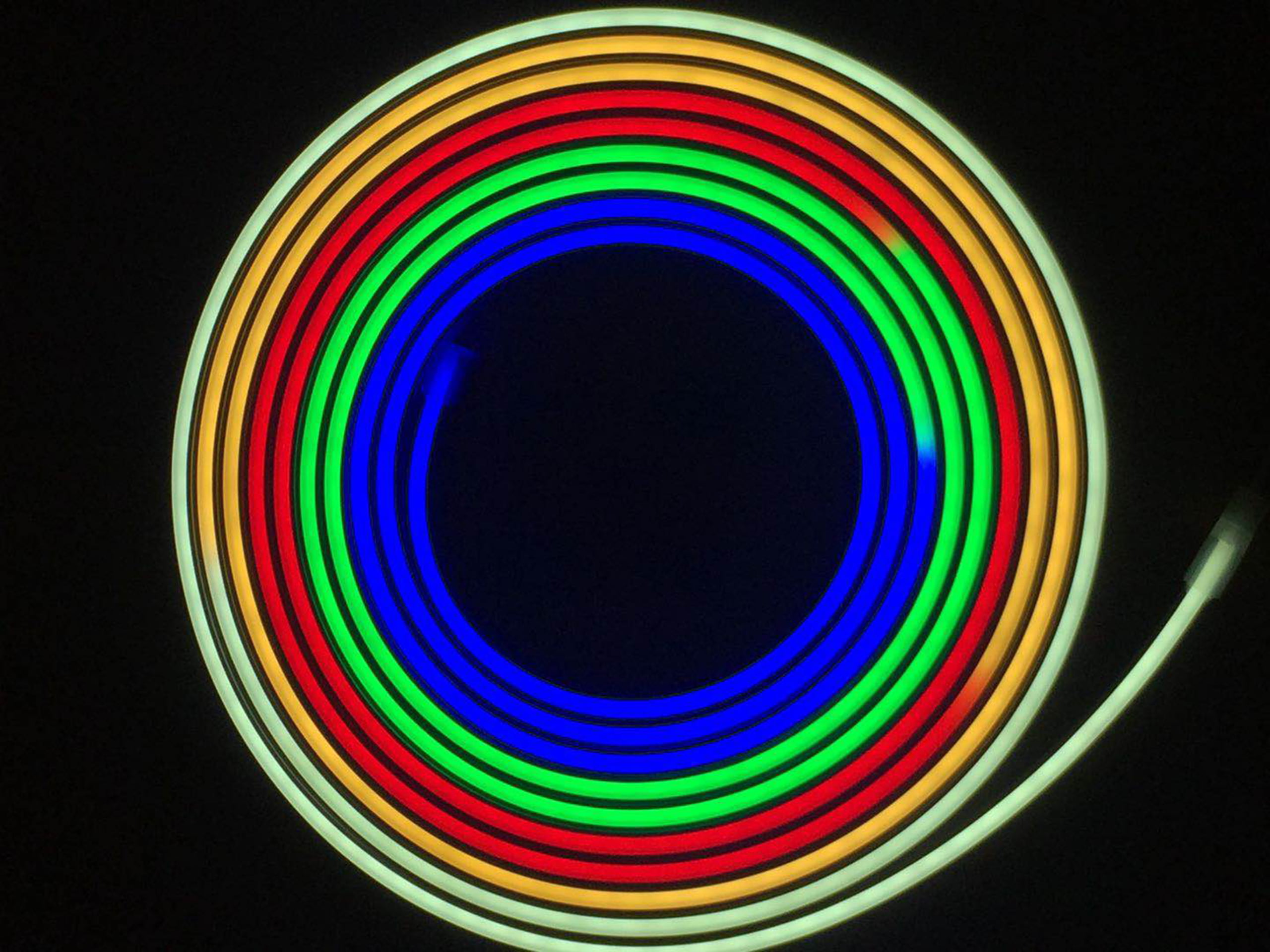
Let me share my decade of experience in silicone LED manufacturing to help you understand why proper diffusion matters and how to choose the right solution for your project.
What Makes Silicone the Ideal Material for LED Diffusers?
Poor diffuser material choice leads to yellowing, brittleness, and light loss. I've seen countless projects fail because installers tried to save money on low-grade plastic diffusers.
Silicone is the optimal LED diffuser material due to its high light transmission2 (95%+), UV resistance3, temperature stability4 (-40°C to +60°C), and inherent flexibility. Unlike acrylic or PC diffusers, silicone maintains its optical properties for 5+ years.
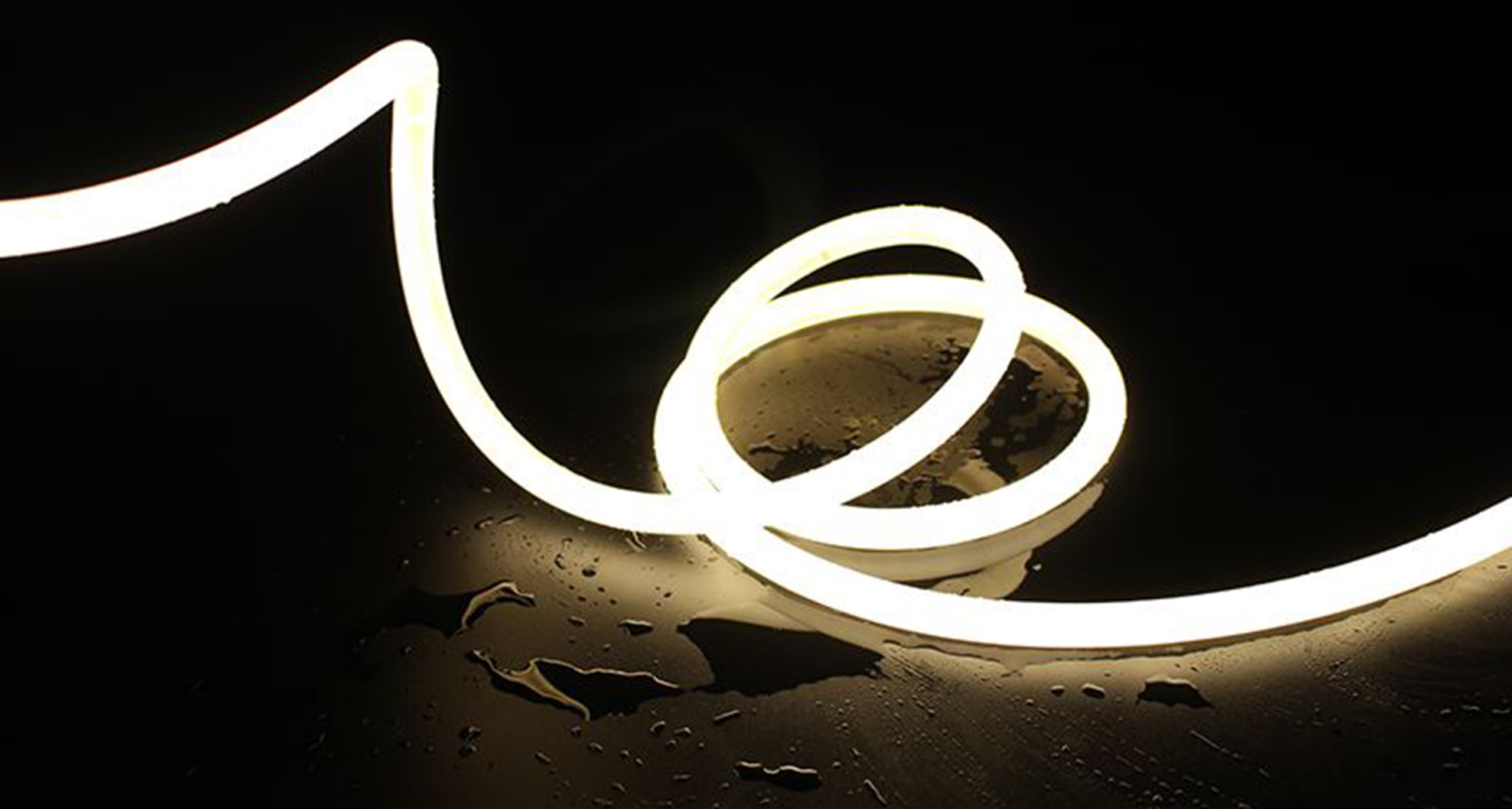
Understanding Silicone Diffuser Technology
The key to effective LED diffusion lies in the molecular structure and manufacturing process. Here's a detailed breakdown:
Material Composition
- Base Silicone: High-molecular-weight silicone polymer
- Diffusing Agents: Micro-particle additives
- UV Stabilizers: Prevents yellowing
- Optical Enhancers: Maintains light transmission
Manufacturing Process Control
| Process Stage | Critical Parameters | Quality Impact |
|---|---|---|
| Mixing | Temperature, Speed | Particle Distribution |
| Extrusion | Pressure, Rate | Surface Quality |
| Curing | Time, Temperature | Optical Properties |
Through precise control of these parameters, we achieve uniform light distribution while maintaining structural integrity. This is especially crucial in co-extrusion processes where multiple layers must bond perfectly.
How Do You Prevent Cracking in Multi-Layer Diffusers?
I recently encountered a challenging case where black-base/white-diffuser tubes were cracking at the interface during installation. This common problem frustrates many lighting professionals.
To prevent cracking in multi-layer diffusers5, manufacturers must control cross-linking at the interface through precise temperature management, pressure balancing, and extended molecular diffusion time during co-extrusion.
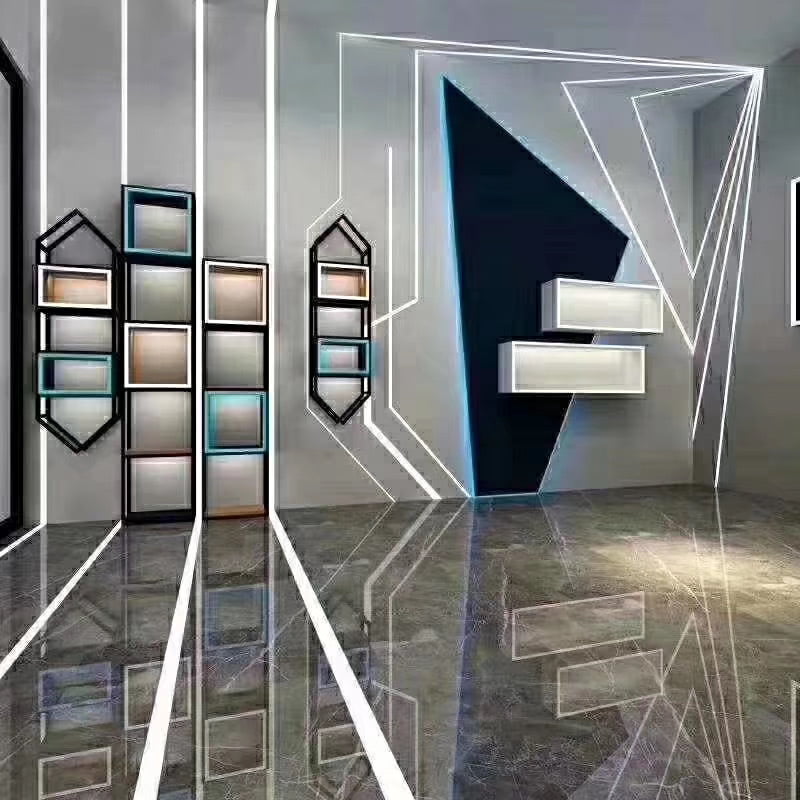
Advanced Manufacturing Solutions
Our experience has led to several breakthrough improvements:
Temperature Control
- Three-zone precision heating
- Stabilized interface reaction window
- Prevented premature curing
Material Flow Optimization
| Parameter | Old Process | Improved Process |
|---|---|---|
| Interface Length | Standard | Extended 50% |
| Flow Balance | Variable | Synchronized |
| Molecular Diffusion | Limited | Enhanced |
These improvements resulted in a 300% increase in interface strength, completely eliminating delamination issues even under extreme bending conditions.
What Are the Key Specifications for Choosing a Diffuser?
Many buyers focus solely on price, overlooking critical performance specifications that determine long-term success.
Essential specifications include light transmission rate6 (>90%), bend radius (<30mm), UV stability (5+ years), operating temperature range (-40°C to +60°C), and impact resistance7 (Shore A hardness 40-60).
Specification Analysis
Understanding these specifications requires considering your application:
Environmental Factors
- Indoor vs Outdoor Use
- Temperature Extremes
- UV Exposure
- Chemical Exposure
Performance Requirements
| Parameter | Indoor Rating | Outdoor Rating |
|---|---|---|
| UV Resistance | Standard | Enhanced |
| Temperature Range | -20°C to +45°C | -40°C to +60°C |
| Water Resistance | IP65 | IP68 |
| Impact Protection | Medium | High |
These specifications ensure your diffuser maintains optimal performance throughout its intended lifespan while meeting application-specific requirements.
Conclusion
Choosing the right silicone LED strip diffuser1 comes down to understanding material properties, manufacturing quality8, and application requirements. Focus on proven specifications and manufacturing processes to ensure long-term project success.
Explore the advantages of silicone LED strip diffusers for optimal light distribution and durability. ↩
Learn how high light transmission enhances lighting quality and efficiency in your projects. ↩
Discover the significance of UV resistance in prolonging the lifespan of LED diffusers. ↩
Understand how temperature stability ensures reliable performance in various environments. ↩
Gain insights into common issues with multi-layer diffusers and how to overcome them. ↩
Find out the optimal light transmission rates to look for when selecting LED diffusers. ↩
Learn why impact resistance is essential for maintaining diffuser integrity in demanding applications. ↩
Explore the relationship between manufacturing quality and the effectiveness of LED diffusers. ↩