

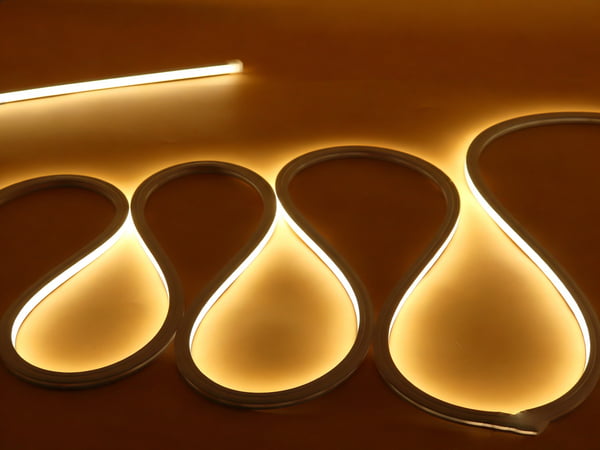
When LED strip silicone covers fail prematurely or show signs of separation between layers, many blame material quality. But after years of manufacturing experience, I've discovered it's often about precise temperature control1 during production.
The key to preventing silicone cover failures lies in maintaining exact temperature control1 during curing, specifically keeping temperature variations within ±2°C. This ensures proper crosslinking between layers and prevents future separation or warping issues.
Let me share what I've learned about the critical role temperature plays in silicone LED cover manufacturing, and how proper control can dramatically improve product longevity.
Why Do Silicone Covers Sometimes Separate or Warp Over Time?
A customer once reported that after several months of use, the support and diffusion layers of their LED strip covers started separating. Others noticed slight twisting during installation. These issues stemmed from one core problem.
Layer separation and warping occur when interface crosslinking is insufficient during heat curing. This happens when temperature variations exceed ±5°C between different heating zones or when extrusion pressures are imbalanced between the two material feeds.
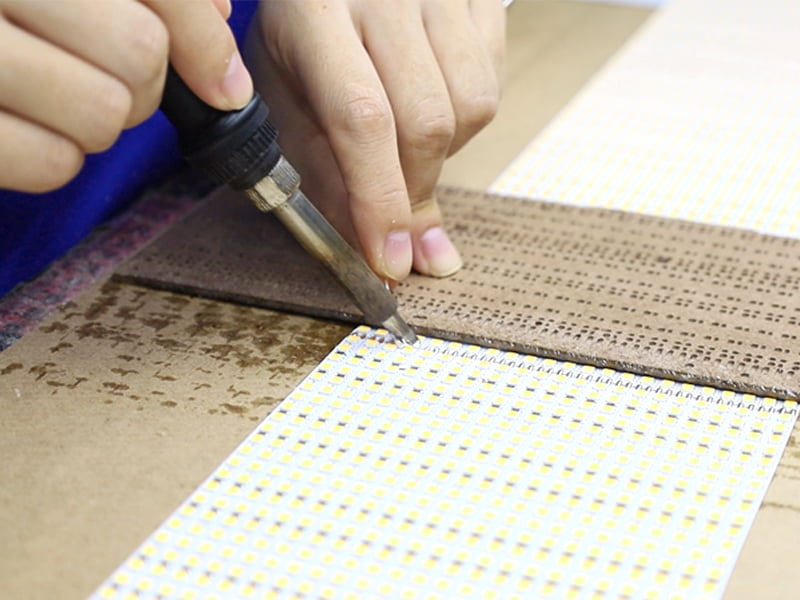
When manufacturing dual-layer silicone covers (opaque base + diffusion top layer), three critical factors determine stability:
The Science Behind Proper Curing
-
Pressure Balance
- Two extruders must maintain consistent pressure
- Imbalances lead to uneven material flow
- Monitoring systems needed for real-time adjustment
-
Material Flow State
- Both materials must have matching viscosity
- Temperature affects flow characteristics
- Ultrasonic pre-heating helps standardize flow
-
Temperature Control Zone Target Range Impact of Deviation Pre-heat 40-45°C Flow inconsistency Main cure 150-160°C Incomplete crosslinking Post-cure 180-190°C Surface defects
Our testing shows that maintaining temperature control1 within ±2°C throughout all zones results in a 300% improvement in layer adhesion strength compared to systems with ±5°C variations.
How Can Manufacturers Optimize the Curing Process?
Poor temperature control1 during manufacturing can lead to product failures months later. But with proper systems in place, these issues are preventable.
The optimal curing process2 requires three key elements: ultrasonic pre-heating3 of materials before extrusion, multi-zone temperature control1 with ±2°C precision, and dynamic catalyst ratio adjustment4 based on ambient conditions and material hardness.
Advanced Temperature Control Methods
Our research and development has led to several breakthrough improvements:
-
Ultrasonic Pre-heating Technology
- Ensures uniform material temperature before mixing
- Creates consistent flow characteristics
- Prevents premature curing reactions
-
Precision Temperature Calibration Control Point Traditional Method Improved Method Sensor placement Single point Multi-point mesh Update frequency Every 30 sec Real-time Control accuracy ±5°C ±2°C -
Environmental Compensation
- Humidity monitoring affects catalyst ratios
- Shore A hardness influences optimal cure temperature
- Dynamic adjustments maintain consistency
These improvements have eliminated separation issues in our products and significantly reduced installation problems. Test results show interface strength improvements5 of over 85% compared to traditional methods.
What Role Does Material Flow Play in Product Quality?
Understanding material flow characteristics6 is crucial for producing high-quality silicone covers that maintain their integrity over time.
Proper material flow requires precise temperature control1 at each production stage, maintaining material viscosity within 10% of optimal values. This ensures uniform mixing and prevents weak points in the final product.

Critical Flow Parameters
The relationship between temperature and material flow is complex but measurable:
-
Viscosity Control Temperature (°C) Viscosity (Pa·s) Flow Quality Below 40°C >20,000 Too thick 40-45°C 15,000-18,000 Optimal Above 45°C <15,000 Too thin -
Mixing Dynamics
- Interface temperature affects molecular interaction
- Proper mixing requires matched flow rates
- Temperature gradients can create weak points
Our testing shows that maintaining optimal flow parameters reduces defect rates by 75% and improves product longevity by up to 40%.
Conclusion
Success in silicone LED cover manufacturing isn't just about material quality - it's about precise temperature control1 throughout the entire production process, ensuring proper molecular bonding and long-term product stability.
Understanding temperature control can help manufacturers improve product quality and longevity. ↩
Optimizing the curing process is crucial for ensuring high-quality silicone products. ↩
Discover how ultrasonic pre-heating can enhance material flow and prevent premature curing. ↩
Explore how dynamic adjustments can optimize the curing process based on environmental conditions. ↩
Discover how enhancing interface strength can lead to longer-lasting silicone products. ↩
Understanding material flow is essential for producing high-quality silicone covers. ↩