
Recently, a client reported their outdoor brand neon sign showing uneven illumination after just one summer. Some sections had noticeably yellowed, seriously compromising their brand's visual identity and color consistency.
The key to preventing LED neon color shifting lies in using high-grade silicone materials with superior weatherability. Quality silicone should be vapor-phase produced rather than precipitation-based, offering better heat resistance and UV stability for consistent illumination over years.
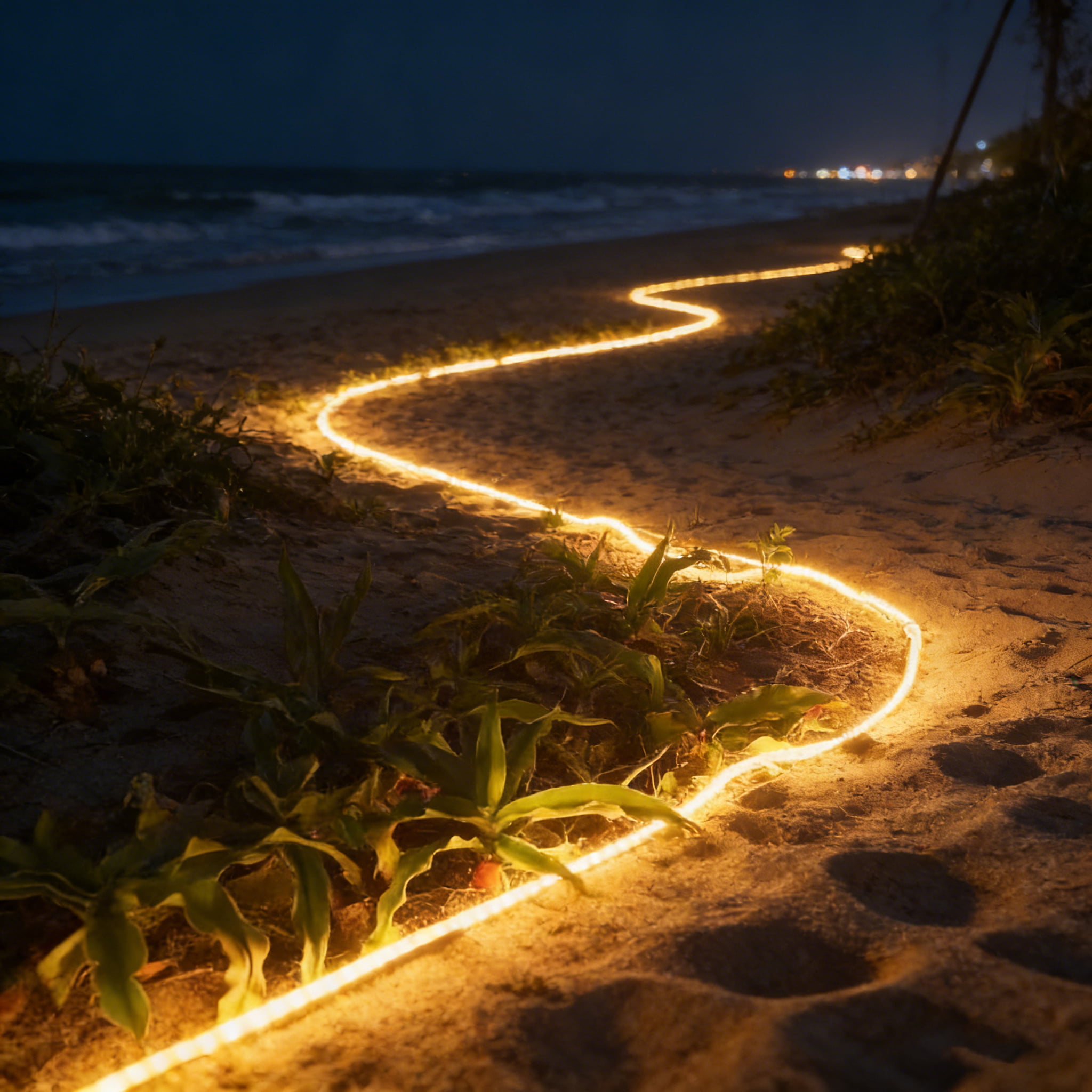
As an LED neon manufacturer for over a decade, I've seen how material quality directly impacts long-term performance. Let me share some critical insights about preventing color shifting in outdoor LED installations.
Why Do LED Neon Signs Turn Yellow Over Time?
I've witnessed many cases where cheaper LED neon signs start yellowing within months of installation, especially in hot climates. This rapid degradation frustrates both installers and end clients.
Color shifting in LED neon signs occurs when low-grade silicone materials break down under heat (80-100°C) and UV exposure. The degradation of cross-linking structures and additives leads to reduced light transmission, color temperature drift, and accelerated yellowing.
Diving Deeper: Understanding Material Impact on Color Stability
The choice of silicone material significantly affects the long-term performance of LED neon signs. Here's a detailed breakdown of the key factors:
Material Composition Comparison
| Feature | Low-Grade Silicone | High-Grade Silicone |
|---|---|---|
| Production Method | Precipitation | Vapor-phase |
| Molecular Structure | Less stable | Highly stable |
| Heat Resistance | Up to 70°C | Up to 120°C |
| UV Resistance | Basic | Enhanced |
| Color Stability | 1-2 years | 3-5 years |
The superior molecular structure of vapor-phase silicone provides several advantages:
- Better heat dissipation preventing accelerated aging
- Enhanced UV resistance maintaining original transparency
- Stable cross-linking structure reducing yellowing risk
- Consistent light transmission preserving brand colors
How Can You Ensure Long-term Color Stability?
After analyzing hundreds of outdoor installations, I've found that proper material selection at the beginning is crucial for maintaining consistent illumination quality.
To ensure long-term color stability, choose LED neon products made with vapor-phase silicone, tested for 1000+ hours of UV exposure, and backed by a 3-5 year anti-yellowing warranty. Proper installation and operating conditions are also essential.
Diving Deeper: Quality Assurance Measures
Our approach to ensuring color stability involves multiple layers of quality control:
Testing and Verification Protocol
| Test Type | Parameters | Duration | Purpose |
|---|---|---|---|
| UV Aging | UV-340 lamp | 1000 hours | Yellowing resistance |
| Heat Cycling | -40°C to +60°C | 500 cycles | Thermal stability |
| Salt Spray | 5% NaCl solution | 1000 hours | Outdoor durability |
| Color Shift | ΔE measurement | Continuous | Color consistency |
We implement these measures because:
- Regular testing ensures batch-to-batch consistency
- Documented results provide reliable performance predictions
- Standardized protocols enable quality comparisons
- Long-term monitoring helps improve product development
Conclusion
Investing in high-grade silicone LED neon with proven UV stability and heat resistance is crucial for maintaining brand color consistency in outdoor signage applications over multiple years.