


When installing LED strip diffusers, nothing is more frustrating than seeing cracks appear at the bending points. I've seen this happen countless times, especially with dual-color co-extrusion tubes.
The key to preventing silicone diffuser cracks1 lies in proper molecular bonding2 at the interface. When two different colored silicones are co-extruded, they need sufficient time and optimal conditions to form chemical cross-links rather than just physical bonds.
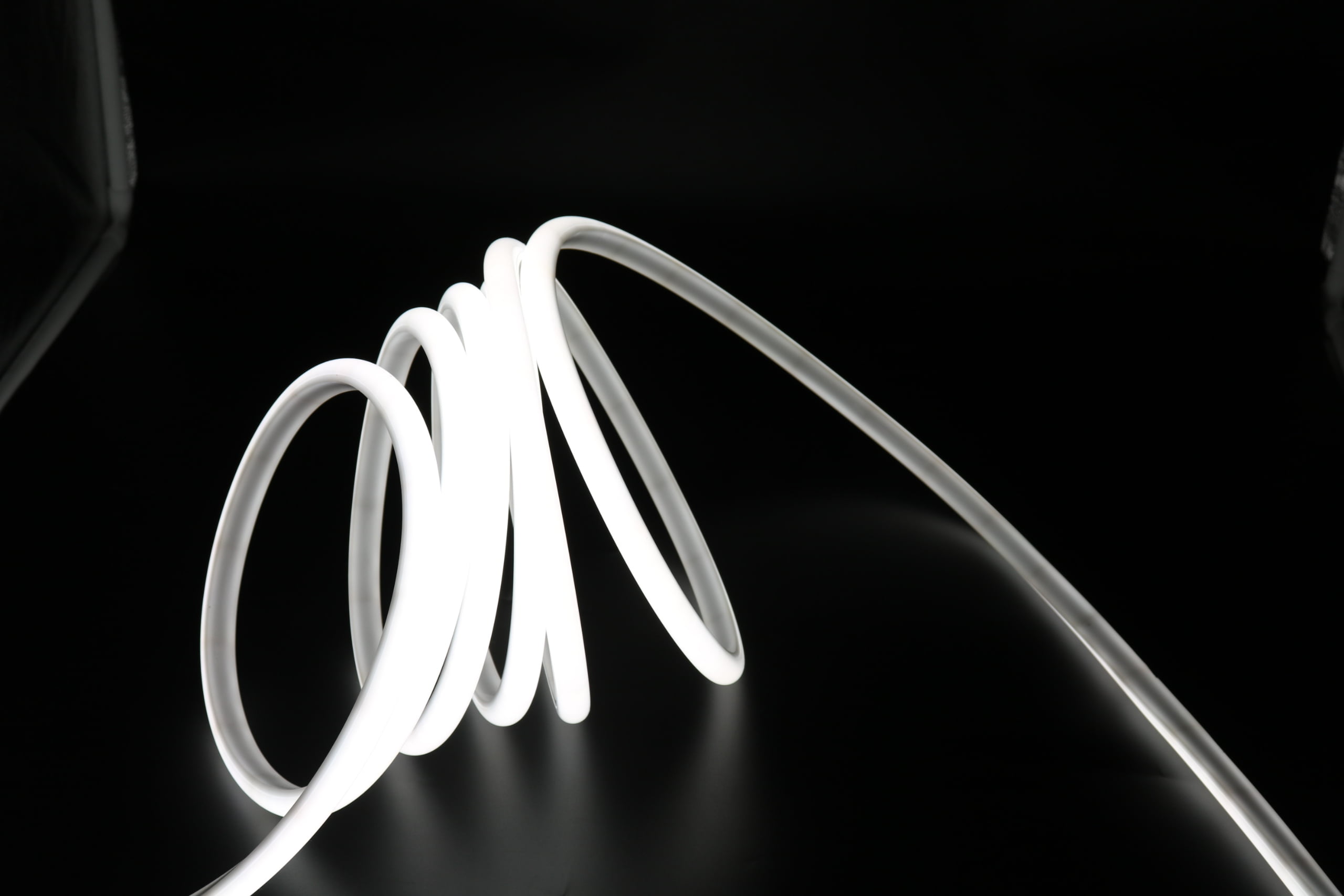
Let me share what I've learned from years of manufacturing silicone LED covers, and how we solved this common but complex problem through advanced engineering.
Why Do Silicone Diffusers Crack at the Color Interface?
I recently worked with a luxury hotel project where the black base and white diffusion layers started showing microscopic cracks during installation. This highlighted a critical manufacturing issue.
Cracks occur when the two silicone materials don't properly cross-link at their interface. This happens if there are mismatches in flow rate, temperature, or pressure during co-extrusion, causing the materials to cure before proper molecular integration.
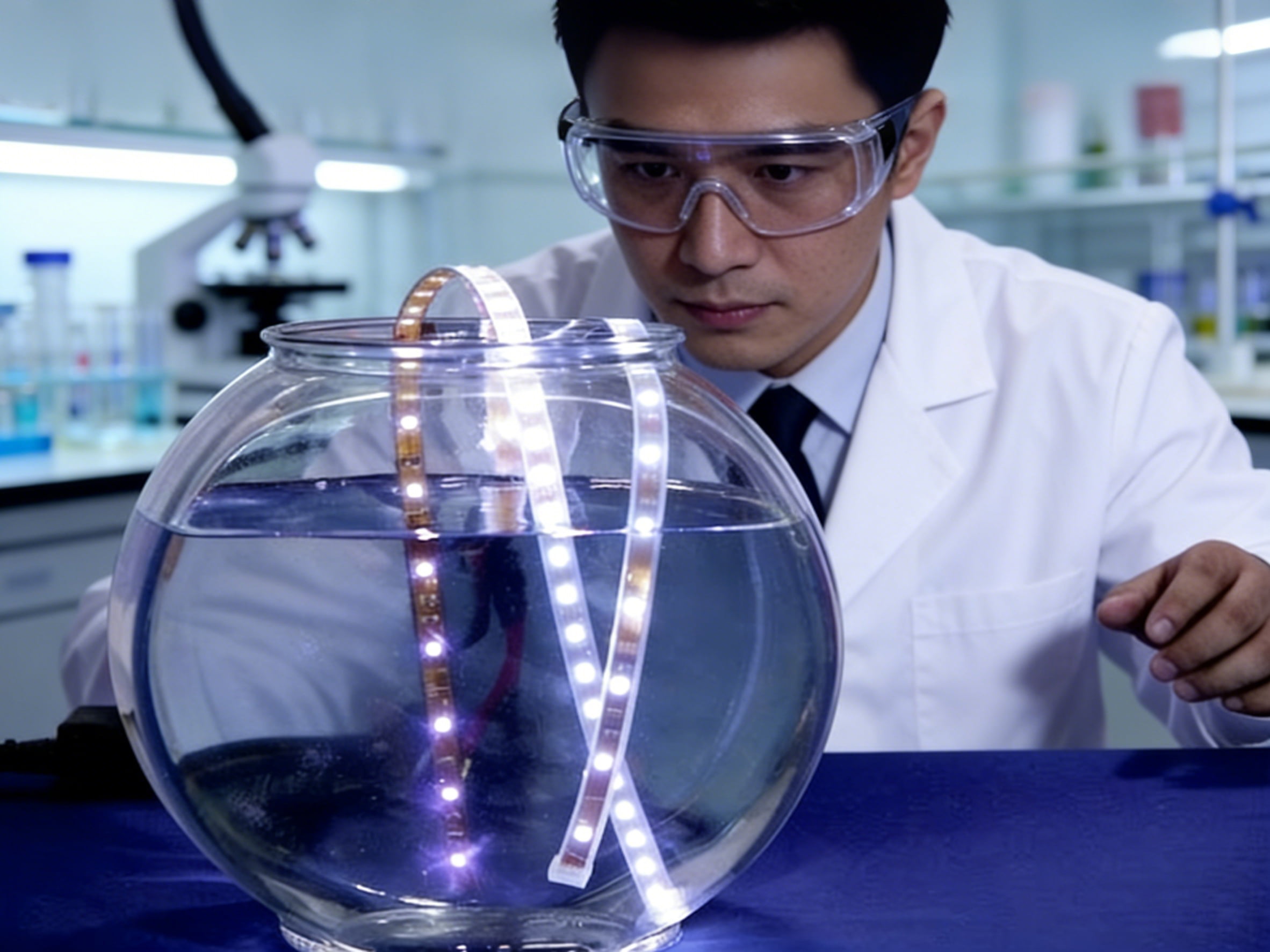
The science behind this is fascinating. When manufacturing dual-color silicone covers3, we're not just sticking two materials together - we're creating a molecular fusion. Here's what happens during co-extrusion:
Material Flow Dynamics
- Flow Rate Balance
- Optimal: Synchronized flow of both materials
- Problem: Uneven flow creates weak bonding zones
- Solution: Precision-controlled dual extruders
Temperature Control
Critical Zones
- Entry Zone: 120-140°C
- Mixing Zone: 150-170°C
- Die Zone: 160-180°C
Pressure Management
| Phase | Pressure Range | Purpose |
|---|---|---|
| Initial | 15-20 MPa | Material softening |
| Middle | 25-30 MPa | Interface mixing |
| Final | 20-25 MPa | Shape formation |
How Did We Solve the Cracking Issue?
After numerous failed attempts, our engineering team finally cracked the code (pun intended) to prevent diffuser separation.
The solution involved redesigning the die head structure to extend the co-extrusion bonding zone4, implementing three-stage temperature control5, and synchronizing the pressure between both extruders. This ensures complete molecular fusion before curing.
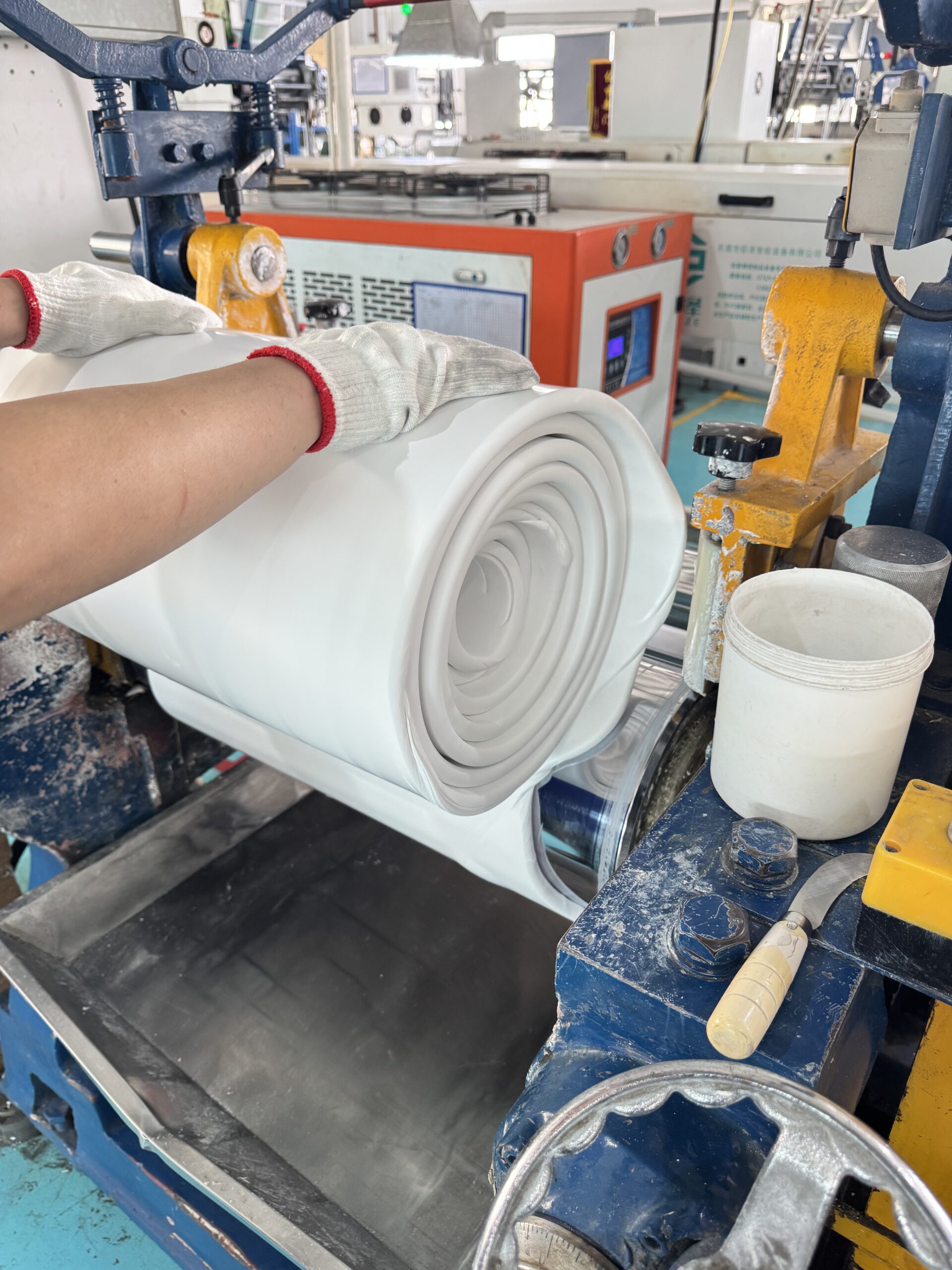
Our breakthrough came from understanding that perfect dual-color co-extrusion requires precise control at every stage:
Die Head Optimization
- Extended mixing chamber length by 40%
- Redesigned flow channels for uniform pressure
- Added temperature monitoring points
- Implemented variable gap control
The results have been remarkable:
- Zero delamination in bend tests
- 300% improvement in interface strength
- Consistent quality across different color combinations
- Reduced waste rate from 8% to under 1%
Process Control Innovation
- Real-time viscosity monitoring
- Adaptive pressure adjustment
- Temperature mapping across 12 zones
- AI-powered parameter optimization
These improvements have transformed our manufacturing process, allowing us to produce silicone covers that maintain their integrity even under extreme bending conditions.
Conclusion
Success in dual-color silicone extrusion isn't about simply combining materials - it's about creating perfect conditions for molecular fusion, ensuring durability that lasts.
Understanding the causes of silicone diffuser cracks can help you prevent them in your projects. ↩
Explore the importance of molecular bonding in silicone materials for better manufacturing outcomes. ↩
Investigate the challenges in dual-color silicone cover manufacturing to enhance your production strategies. ↩
Learn about the co-extrusion bonding zone to enhance your knowledge of silicone production techniques. ↩
Discover how temperature control impacts the quality of silicone products and prevents defects. ↩