

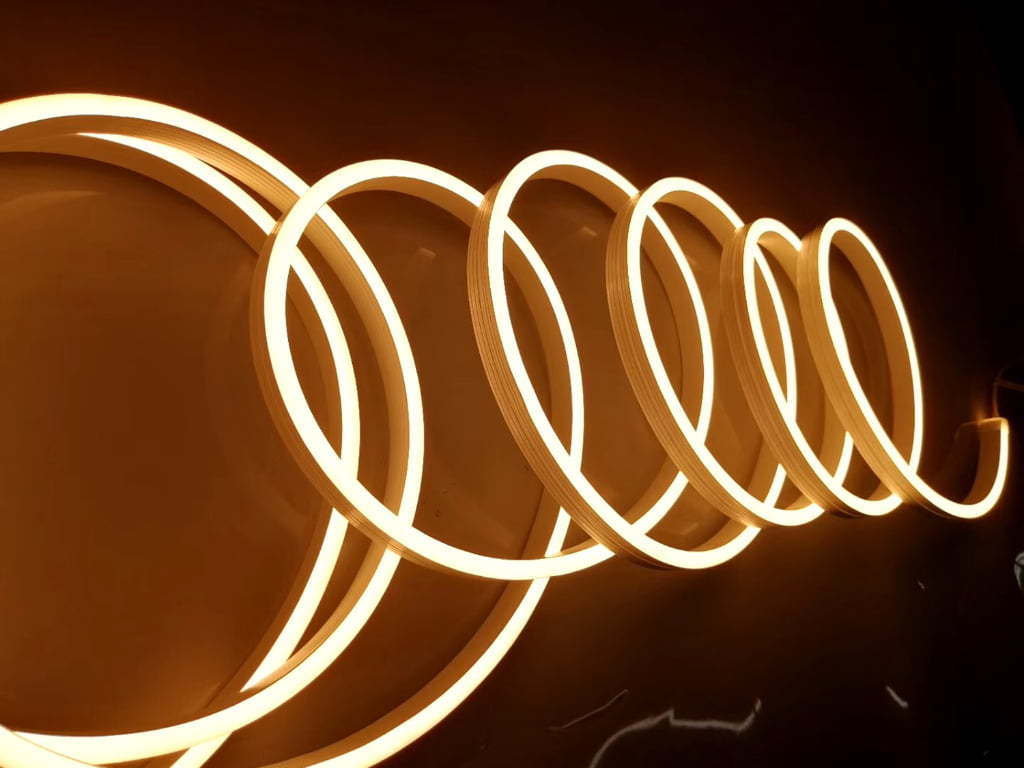
LED strip silicone covers looking cloudy and yellow after just a few months of outdoor use? This common but frustrating issue can make your premium lighting installation look cheap and dim.
The yellowing of LED strip silicone covers1 is primarily caused by using low-grade precipitated silicone materials that oxidize under heat and UV exposure. High-purity fumed silicone with UV stabilizers2 can prevent yellowing for 5+ years.
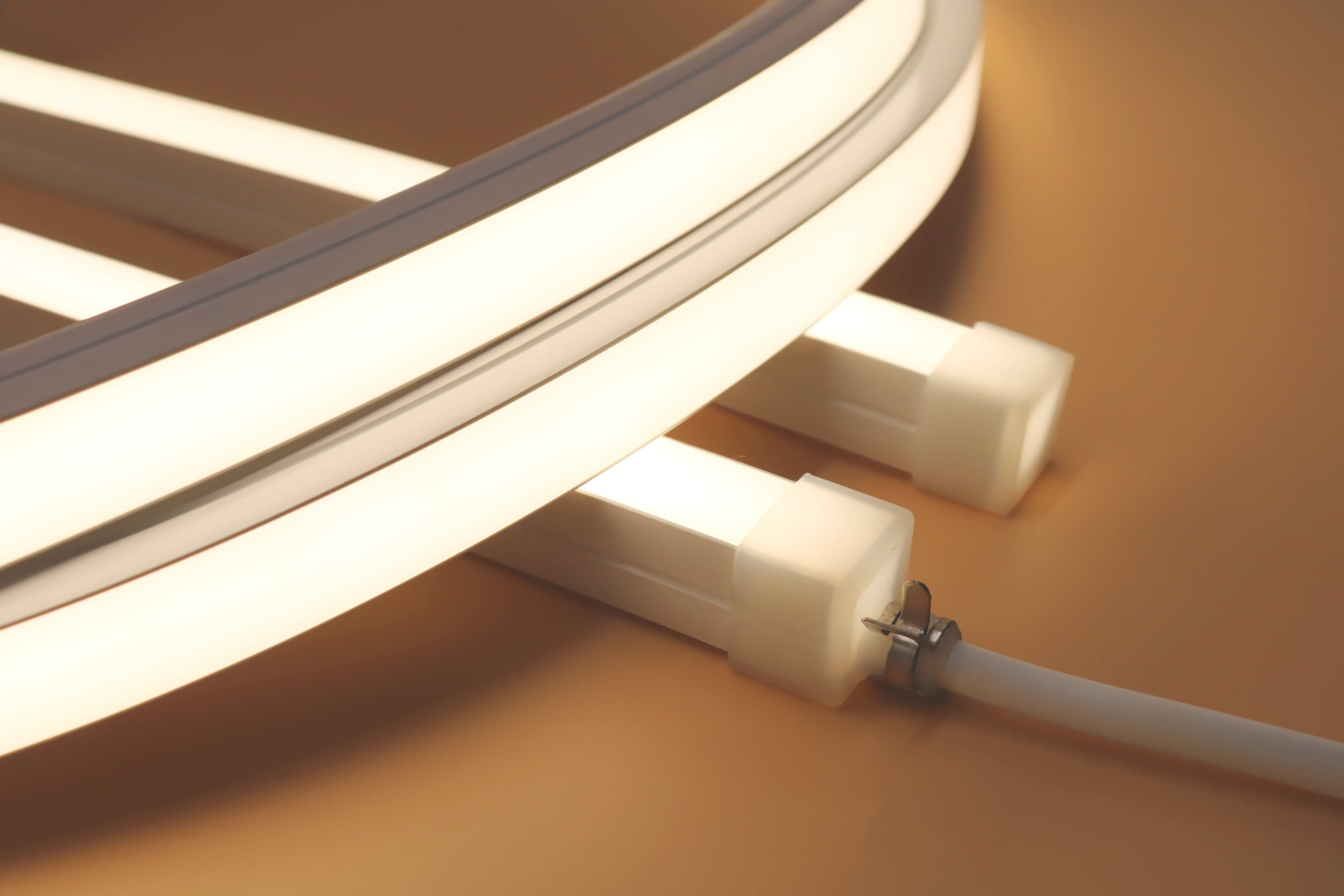
Let's dive into why this happens and how to choose silicone covers that maintain their clarity and performance long-term. As someone who has tested hundreds of silicone formulations, I'll share the key factors that determine silicone cover durability.
What Causes LED Strip Silicone Covers to Yellow?
That pristine, crystal-clear silicone cover you installed is now an embarrassing yellow-brown color. Your client is unhappy, and you're facing expensive replacement costs.
The yellowing occurs when low-grade precipitated silicone oxidizes under heat and UV exposure, breaking down molecular chains and forming colored compounds. This process accelerates in outdoor installations, causing visible degradation within 3-6 months.
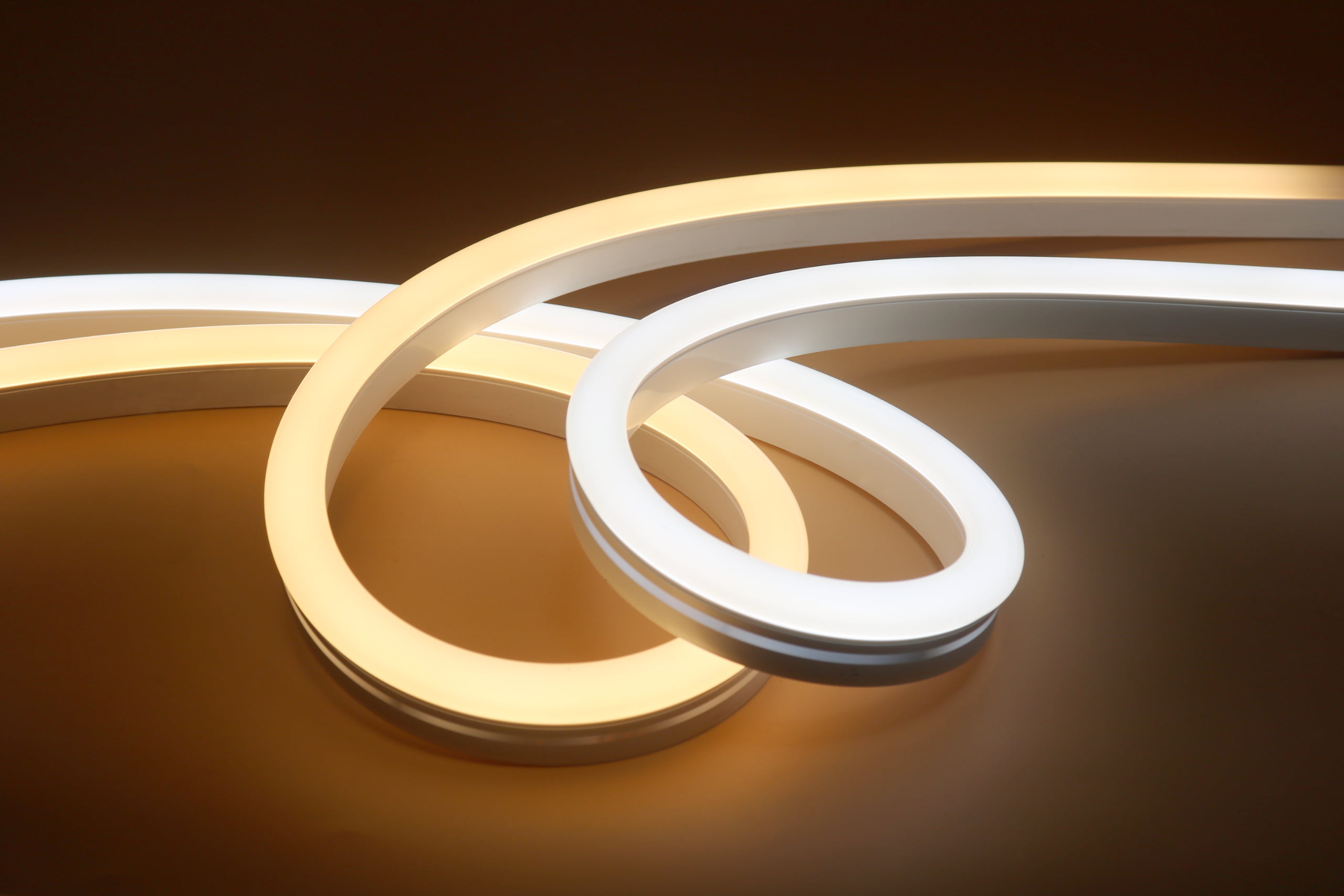
Let's examine the science behind silicone yellowing in detail:
Chemical Composition Impact
The type and grade of silicone used makes a dramatic difference in long-term performance:
| Silicone Type | Characteristics | Yellowing Resistance |
|---|---|---|
| Precipitated Silicone | - Lower purity <br> - More impurities <br> - Cheaper cost | Poor - Shows yellowing within 3-6 months |
| Fumed Silicone | - High purity <br> - Stable structure <br> - Premium grade | Excellent - Maintains clarity 5+ years |
Environmental Factors
Different installation environments accelerate yellowing at different rates:
- Heat exposure: LED heat causes faster molecular breakdown
- UV radiation: Sunlight exposure speeds up oxidation
- Humidity: Moisture can catalyze degradation reactions
- Air pollutants: Chemical exposure accelerates aging
How Can You Prevent Silicone Cover Yellowing?
Many suppliers claim their covers are "yellowing-resistant" but fail to deliver. This leads to costly replacements and damaged reputations.
To prevent yellowing, use only 100% fumed silicone with 0.3-0.5% nano UV stabilizers2. Quality materials maintain less than 5 ΔE color shift even after 1000 hours of accelerated aging tests3.
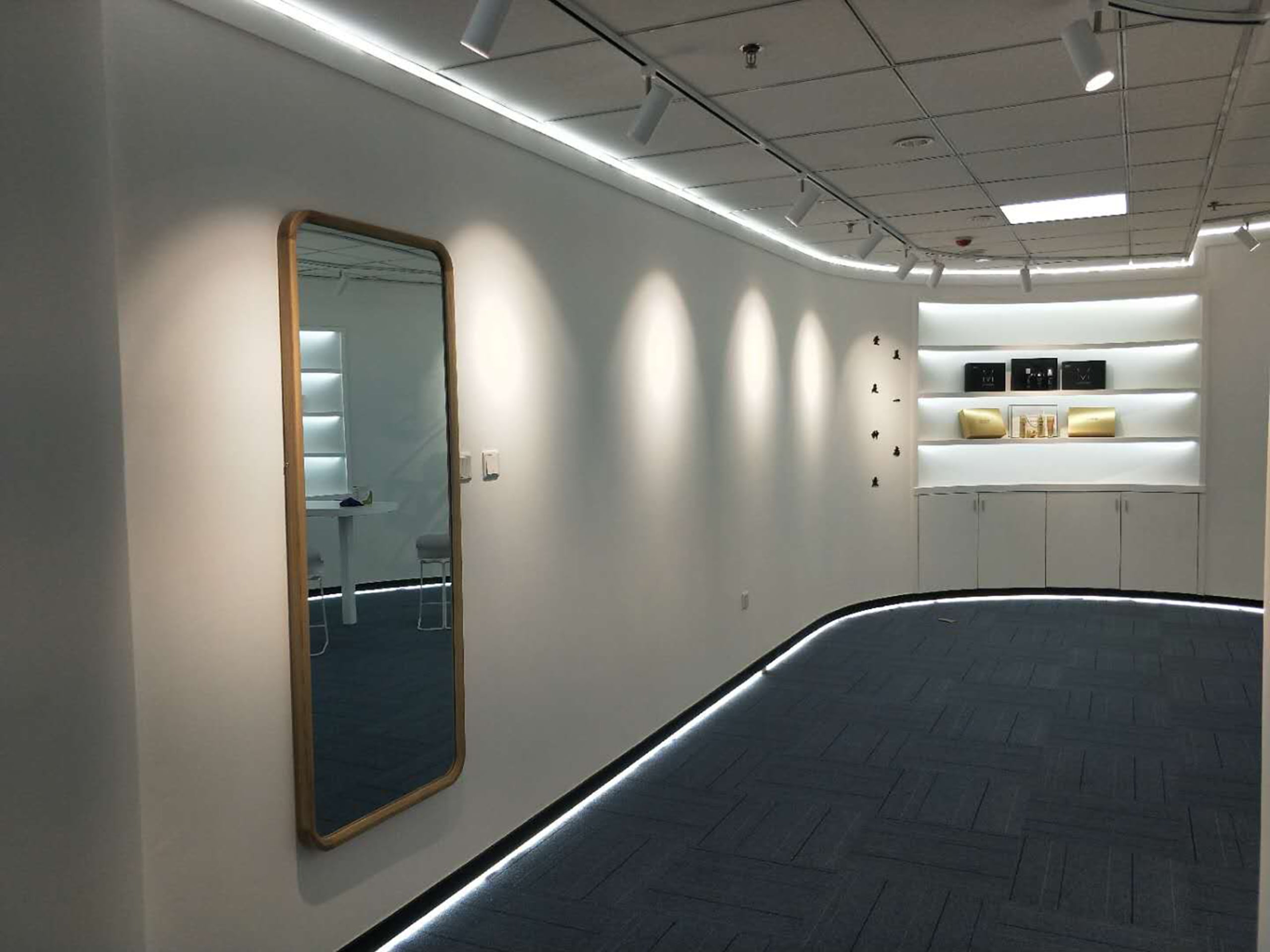
The solution requires a comprehensive material strategy:
Material Selection Criteria
Here's what to look for in high-performance silicone covers:
-
Base Material Quality
- 100% fumed silicone for molecular stability4
- Heat resistance up to 200°C
- Certified food-grade purity
-
UV Protection System
- Nano-scale UV stabilizers2
- Location-specific formulation
- Proven long-term effectiveness
-
Quality Validation Our testing protocol includes:
- 1000-hour QUV accelerated aging
- Color shift (ΔE) monitoring
- Real-world exposure testing
I've seen installations in Dubai's harsh desert climate maintain perfect clarity after 5 years using this approach, while cheaper alternatives failed within months.
Conclusion
Don't let yellowing silicone covers ruin your LED projects. Choose high-purity fumed silicone5 with proper UV stabilization, validated through accelerated aging tests3, to ensure 5+ years of optical clarity and performance.
Understanding the causes of yellowing can help you choose better materials and avoid costly replacements. ↩
Learn how UV stabilizers work to protect silicone from degradation and maintain its appearance over time. ↩
Discover the importance of accelerated aging tests in validating the durability of silicone covers. ↩
Understanding molecular stability can guide you in selecting silicone that withstands environmental stressors. ↩
Explore the advantages of high-purity fumed silicone for long-lasting clarity and performance in outdoor applications. ↩