

Most LED neon flex installations look crystal clear initially, but after 6-12 months, many customers notice yellowing and cracking issues. This not only compromises aesthetics but also leads to expensive replacement and reinstallation costs.
The key to preventing LED neon flex yellowing1 lies in the material choice. While PVC and epoxy-based products deteriorate quickly under UV exposure, high-molecular silicone2 maintains clarity and structural integrity for 5+ years, even in extreme environments like Florida or the Middle East.
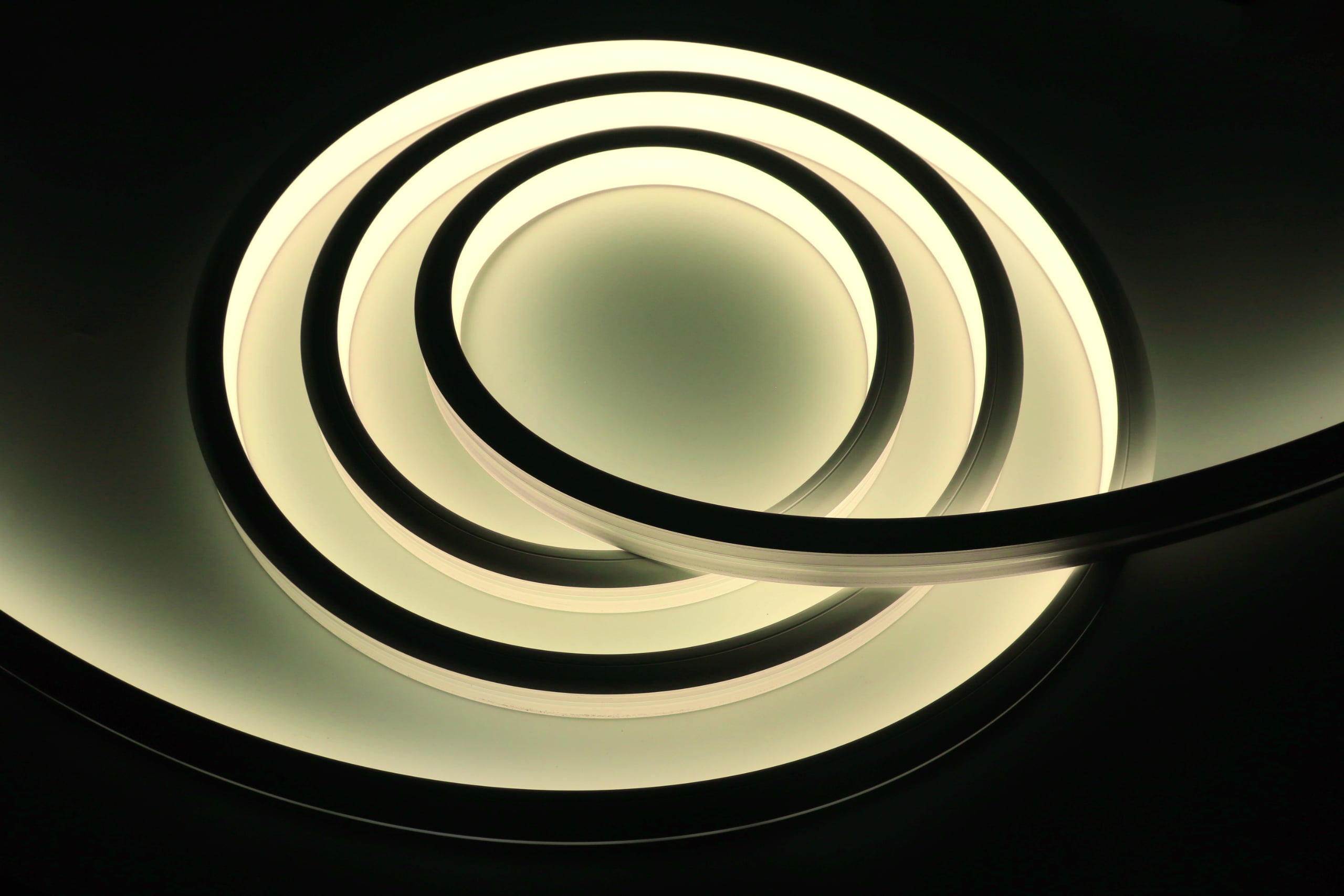
Let's dive deeper into why traditional LED neon flex yellow over time and explore how advanced silicone materials are revolutionizing the industry's durability standards.
What Causes LED Neon Flex to Turn Yellow and Crack?
Traditional LED neon flex manufacturers often use PVC or low-grade epoxy resins to cut costs. However, these materials have extremely poor UV resistance3, leading to rapid degradation in outdoor applications.
The yellowing occurs when UV radiation breaks down the molecular chains in PVC and epoxy materials. This chemical degradation process, accelerated by temperature fluctuations, causes both discoloration and internal stress cracks that can lead to water ingress and short circuits.
Diving Deeper: Understanding Material Degradation
The degradation process of LED neon flex materials can be broken down into several key factors:
1. UV Radiation Impact
| Material Type | UV Resistance | Expected Lifespan |
|---|---|---|
| PVC | Poor | 1-2 years |
| Epoxy Resin | Moderate | 2-3 years |
| Silicone | Excellent | 5+ years |
2. Temperature Cycling Effects
High-quality silicone maintains its properties from -40°C to +60°C, while PVC becomes brittle in cold temperatures and soft in heat. This temperature cycling creates additional stress on the material structure, accelerating the degradation process in traditional LED neon flex products.
3. Chemical Stability
The Si-O bonds in silicone molecules are significantly stronger than the C-C bonds found in PVC and epoxy materials. This fundamental chemical difference explains why silicone-based products maintain their clarity and flexibility far longer than traditional alternatives.
How Does Silicone Technology Prevent Yellowing?
Facing these common industry challenges, we've committed to using only food-grade liquid silicone rubber4 in our manufacturing process. The investment in premium materials pays off in long-term performance.
Silicone-based LED neon flex maintains its clarity and flexibility due to its unique molecular structure. The Si-O bonds are resistant to UV radiation, preventing the chemical breakdown that causes yellowing and degradation in traditional materials.

Diving Deeper: The Silicone Advantage
Our commitment to silicone technology provides multiple benefits that directly address common industry pain points:
1. Material Properties
- UV Resistance: Silicone's molecular structure naturally blocks UV radiation
- Temperature Stability: Maintains flexibility and clarity across extreme temperature ranges
- Chemical Resistance: Resists environmental pollutants5 and cleaning chemicals
2. Cost Benefits Analysis
| Factor | Traditional Materials | Silicone Technology |
|---|---|---|
| Initial Cost | Lower | Higher |
| Replacement Frequency | Every 1-2 years | 5+ years |
| Installation Costs | Multiple times | One-time |
| Total 5-Year Cost | Higher | Lower |
The long-term cost savings from reduced replacement and reinstallation needs typically offset the higher initial investment in silicone technology within the first two years of installation.
Conclusion
By choosing silicone-based LED neon flex, you're not just buying a lighting product – you're investing in a long-term solution that maintains its beauty and functionality for years, ultimately saving both time and money on replacements and reinstallation.
Understanding the causes of yellowing can help you choose better materials for longevity. ↩
Explore the advantages of high-molecular silicone for durable lighting solutions. ↩
Learn how UV resistance impacts the lifespan of LED neon flex and why it matters. ↩
Find out why food-grade silicone is a superior choice for LED neon flex applications. ↩
Learn how pollutants can impact the durability of your lighting solutions. ↩