

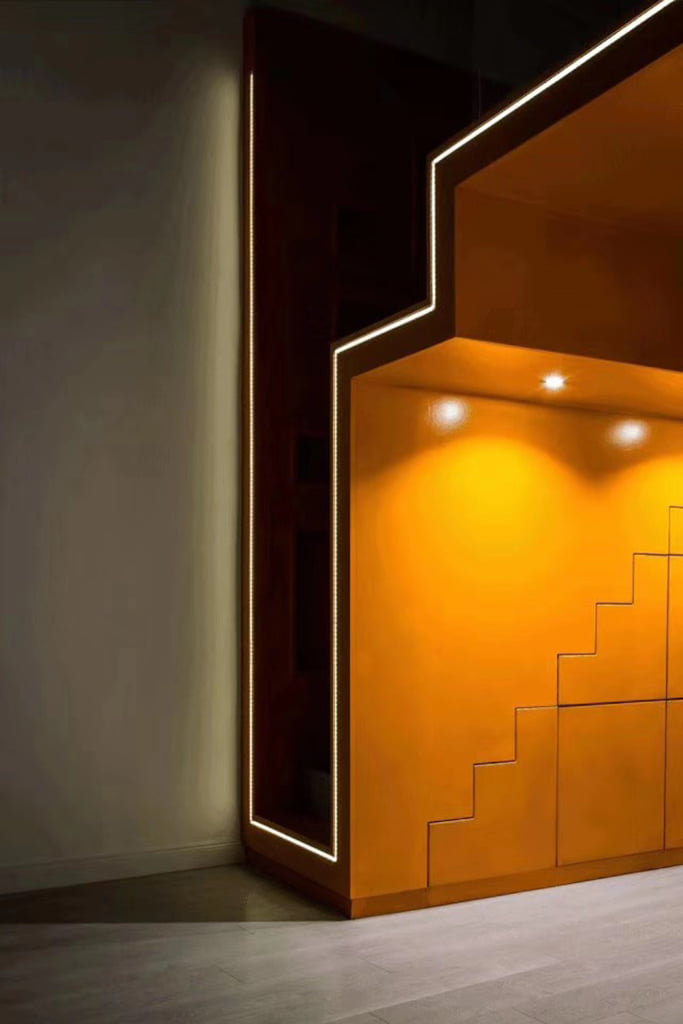
LED neon strips often fail after installation, showing dark spots or uneven lighting in bent sections. This frustrating issue can waste time and money, especially in complex design projects requiring multiple bends.
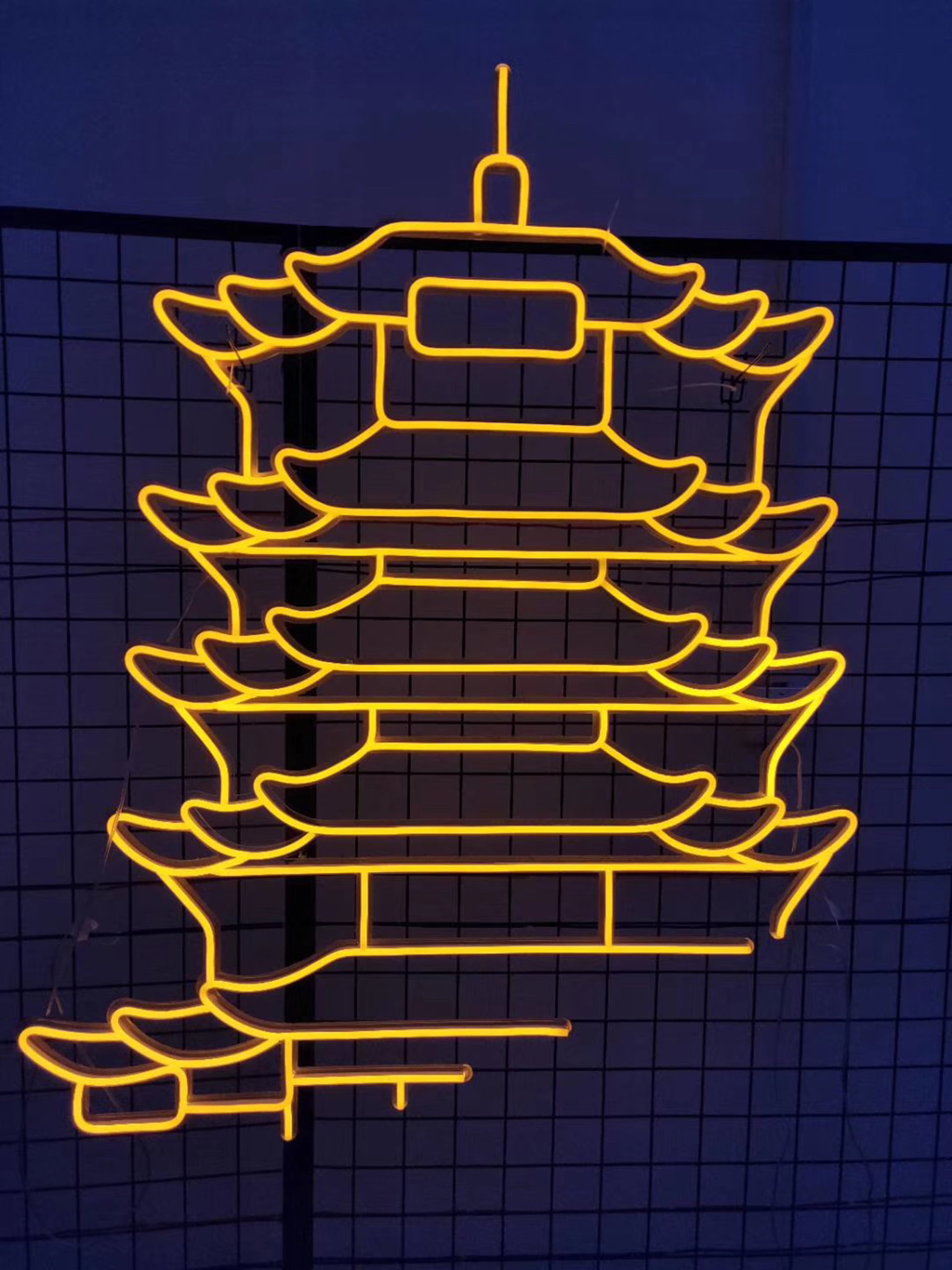
The key to maintaining consistent illumination in 3D bendable LED strips1 lies in using highly flexible FPC circuit boards2 combined with specialized low-durometer silicone formulas3. This allows for 360-degree twisting without circuit breaks or light inconsistencies.
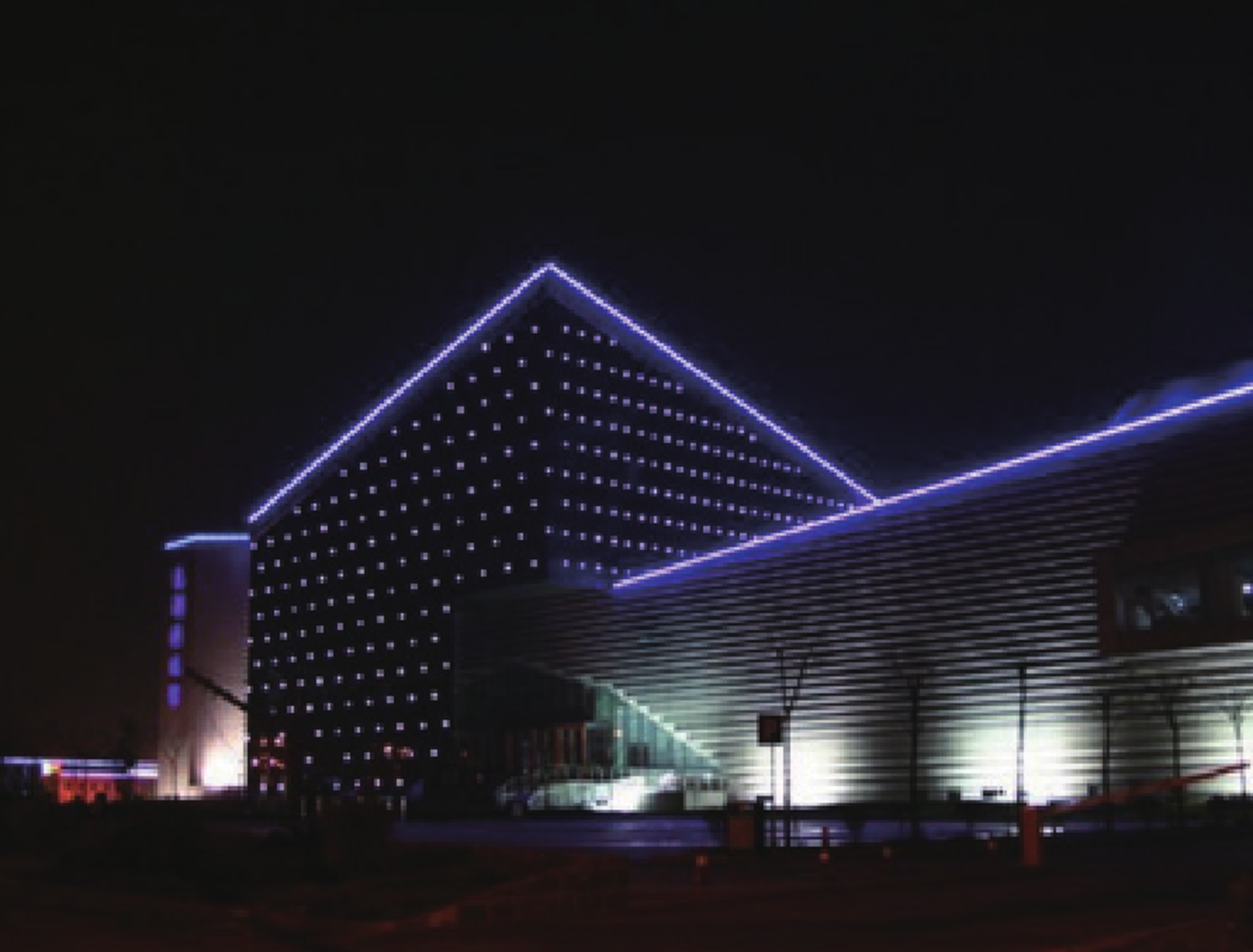
Understanding the science behind flexible LED technology is crucial for creating reliable lighting installations. Let's explore why traditional methods fail and how modern solutions overcome these challenges.
Why Do Regular LED Strips Fail at Sharp Bends?
Many LED strips marketed as "3D bendable" use narrowed PCBs or rolled copper circuits that can't handle complex curves. When creating Möbius strips or intricate logos, the internal stress causes circuit damage.
Traditional LED strips fail at sharp bends because standard PCBs develop microcracks in the copper traces when bent beyond their limits. These cracks interrupt electrical flow, causing dark spots and uneven illumination.
Diving Deeper: Understanding Flexibility Limitations
The relationship between PCB design and bending capability is complex and often misunderstood. Here's a detailed breakdown of the factors affecting LED strip flexibility:
Critical Factors in LED Strip Flexibility
-
- Standard FR4 PCB: Limited flexibility, prone to breaking
- FPC (Flexible Printed Circuit): High flexibility, maintains conductivity
- Copper thickness: Thinner copper allows better bending
-
Silicone Formula Properties
- Shore Hardness5: Lower numbers indicate more flexibility
- Elongation Rate: Higher percentages allow better stretching
- Temperature Resistance: Affects flexibility in different conditions
When these factors aren't properly balanced, even strips marketed as flexible can fail. I've seen installations where strips looked perfect initially but developed dark sections within days due to internal stress damage.
How Does Modern FPC Technology Solve These Issues?
The evolution of flexible circuit technology has revolutionized LED strip design. Our experience shows that proper materials make all the difference in long-term performance.
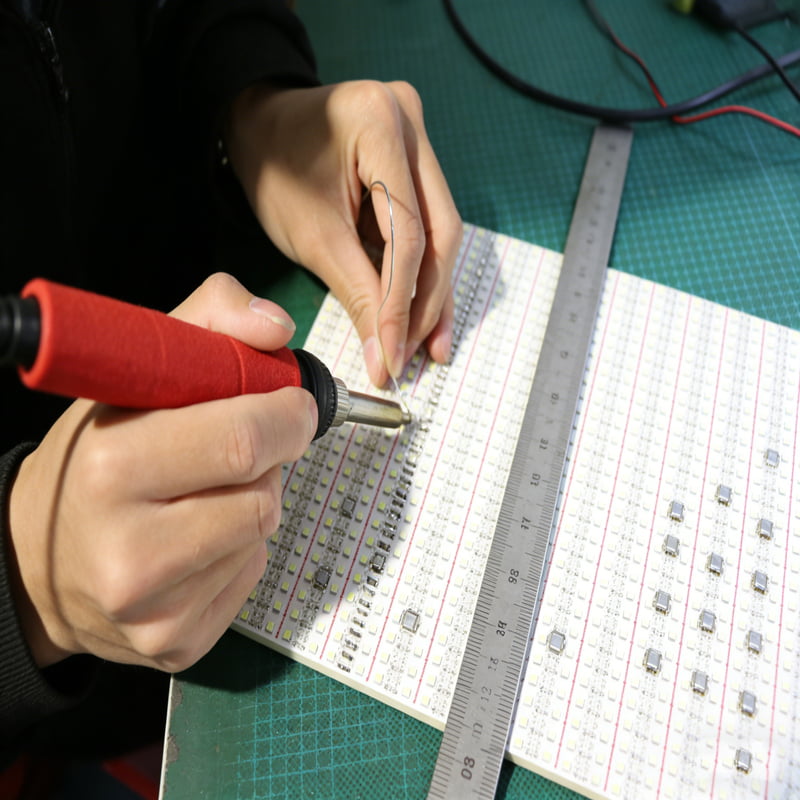
Modern FPC-based LED strips use ultra-thin copper traces laminated between flexible polymer layers, allowing repeated bending without damage. Combined with specialized silicone formulas, these strips can achieve bending radiuses as small as 30mm.
Diving Deeper: The Science of Flexible Circuits
The success of modern flexible LED strips relies on several technological innovations:
Key Technology Components
-
Circuit Design
- Optimized trace patterns for stress distribution
- Strategic component placement
- Reinforced connection points
-
Material Integration
- Multi-layer lamination techniques
- Specialized adhesive systems
- Strain relief structures
Through extensive testing, we've found that this combination provides superior durability. Our laboratory tests simulate complex 3D paths and include fatigue testing to ensure reliability under real-world conditions.
What Are the Installation Best Practices?
Understanding minimum bend radius6 specifications is crucial for successful installations. Proper technique prevents future failures and ensures long-term performance.
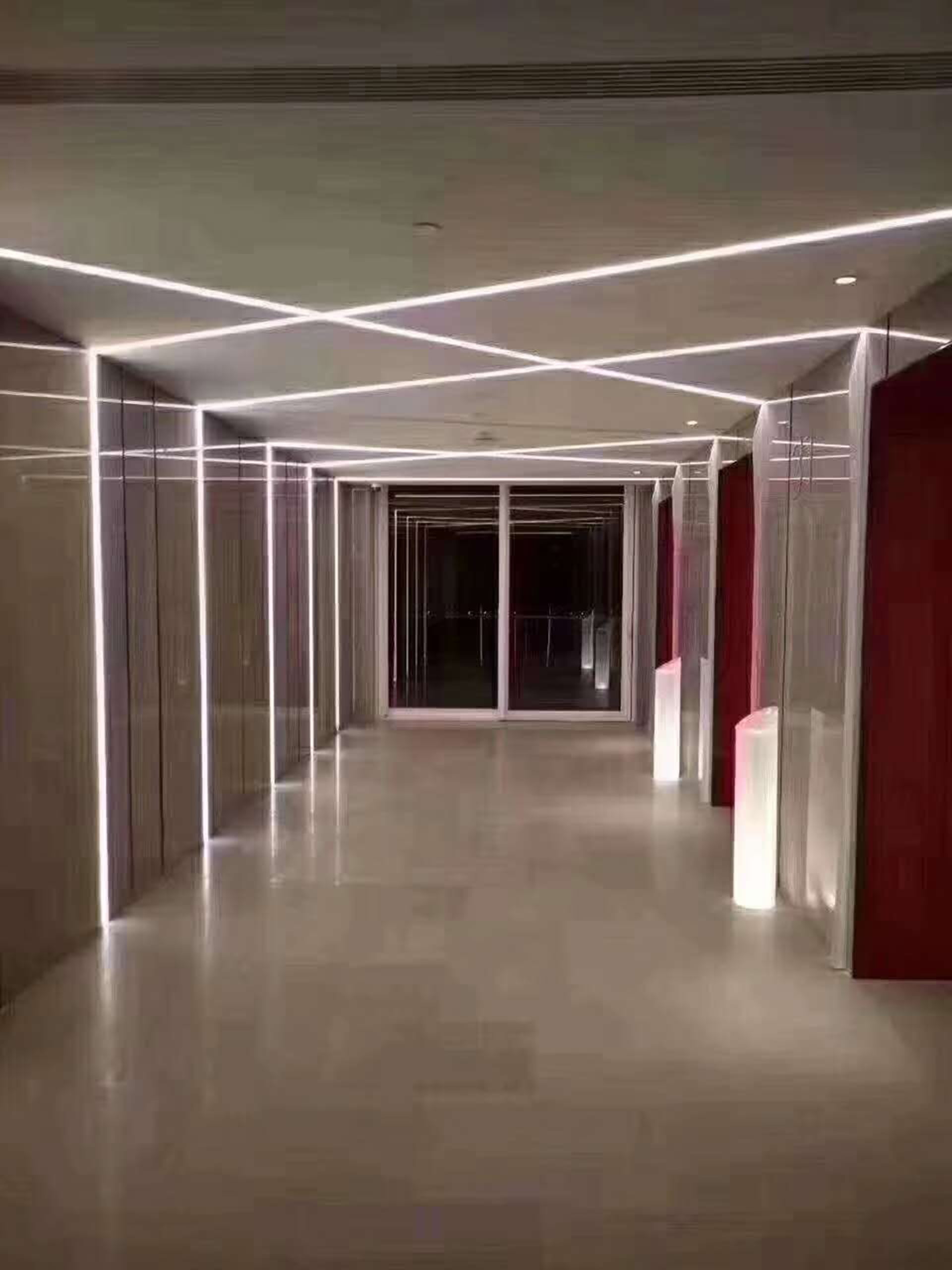
Professional installation requires respecting the minimum bend radius6 (typically 30mm), using proper mounting techniques, and avoiding twisted installations. Always perform a test bend before permanent mounting.
Diving Deeper: Installation Guidelines
Success in complex LED installations requires attention to detail and understanding of material properties. Here's what we've learned from countless installations:
Installation Considerations
-
Pre-Installation Planning
- Template creation for complex shapes
- Stress point identification
- Support structure design
-
Environmental Factors
- Temperature variations
- UV exposure
- Moisture levels
-
Mounting Techniques
- Proper channel selection
- Adhesive compatibility
- Expansion allowance
These guidelines come from real-world experience with various installation challenges and conditions.
Conclusion
Modern FPC technology combined with specialized silicone formulas has revolutionized LED strip flexibility. By understanding and following proper installation techniques, you can achieve reliable, long-lasting curved lighting installations.
Discover the benefits of using 3D bendable LED strips for creative and complex lighting solutions. ↩
Explore how FPC circuit boards enhance flexibility and reliability in LED strips, ensuring consistent performance. ↩
Learn how low-durometer silicone enhances flexibility and durability in LED installations. ↩
Understand the importance of PCB materials in ensuring the longevity and reliability of LED strips. ↩
Find out how Shore Hardness impacts the flexibility and performance of silicone used in LED strips. ↩
Learn why respecting the minimum bend radius is essential for preventing LED strip failures. ↩