
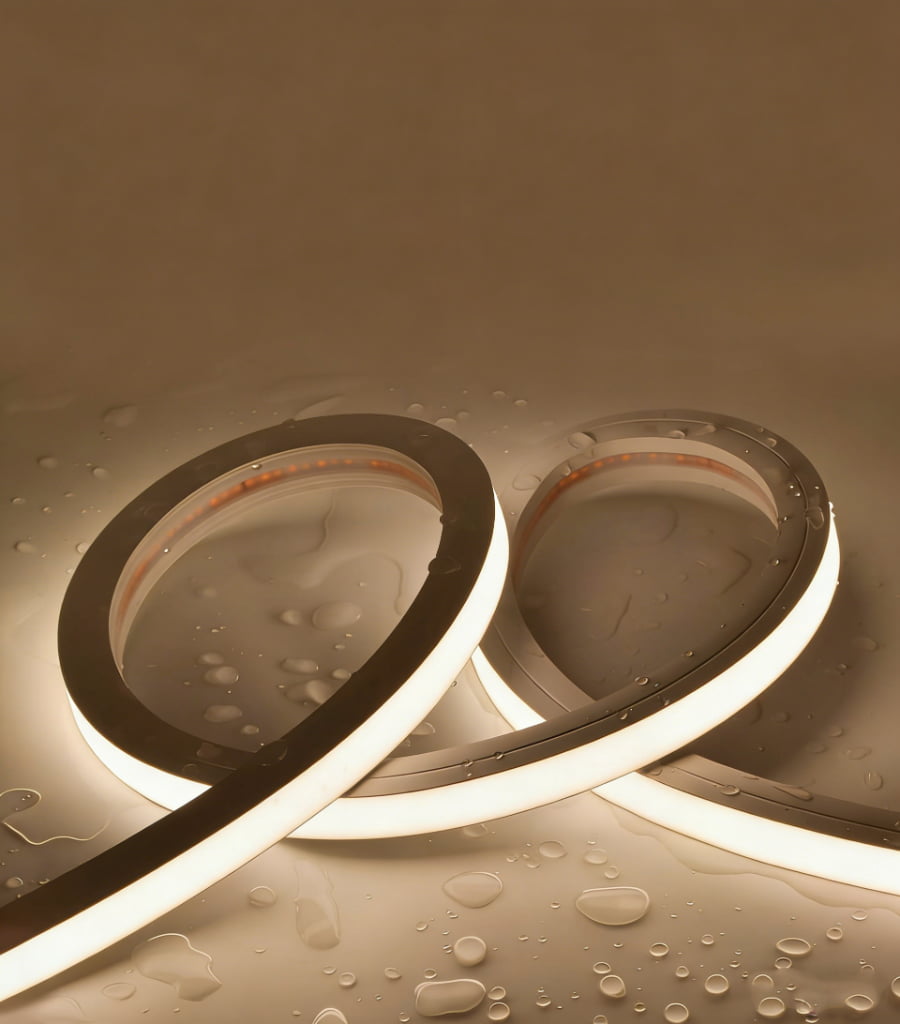
Many LED neon flex installations look pristine at first, but turn yellow and brittle within months. This common problem has cost countless contractors both money and reputation.
The key to preventing yellowing is using 100% pure silicone material1 instead of PVC. Silicone LED neon flex maintains clarity and flexibility for 5+ years even in harsh UV environments, while PVC degrades quickly due to plasticizer migration2.
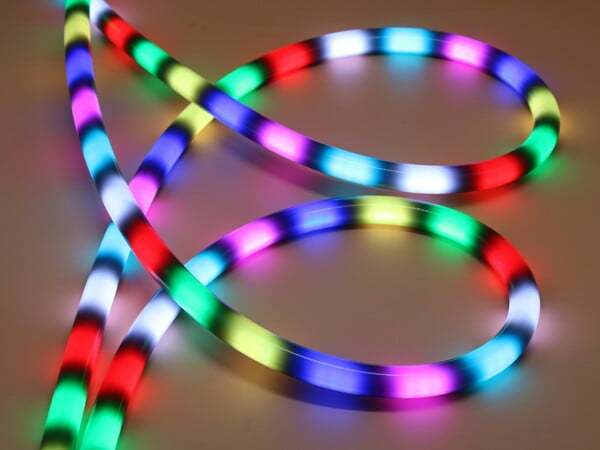
I've seen too many projects fail because of poor material choice. Let me share what I've learned about selecting durable LED neon flex that will stand the test of time.
Why Do Some LED Neon Flex Strips Turn Yellow So Quickly?
A contractor recently shared his nightmare story - six months after installation, his client's pristine white LED strips had turned a sickly yellow color. The client refused final payment and demanded a complete reinstallation.
The yellowing occurs because many cheap LED neon flex products use PVC tubing containing plasticizers. When exposed to UV rays and heat, these plasticizers leach out, causing the tubing to yellow, become brittle, and eventually crack.
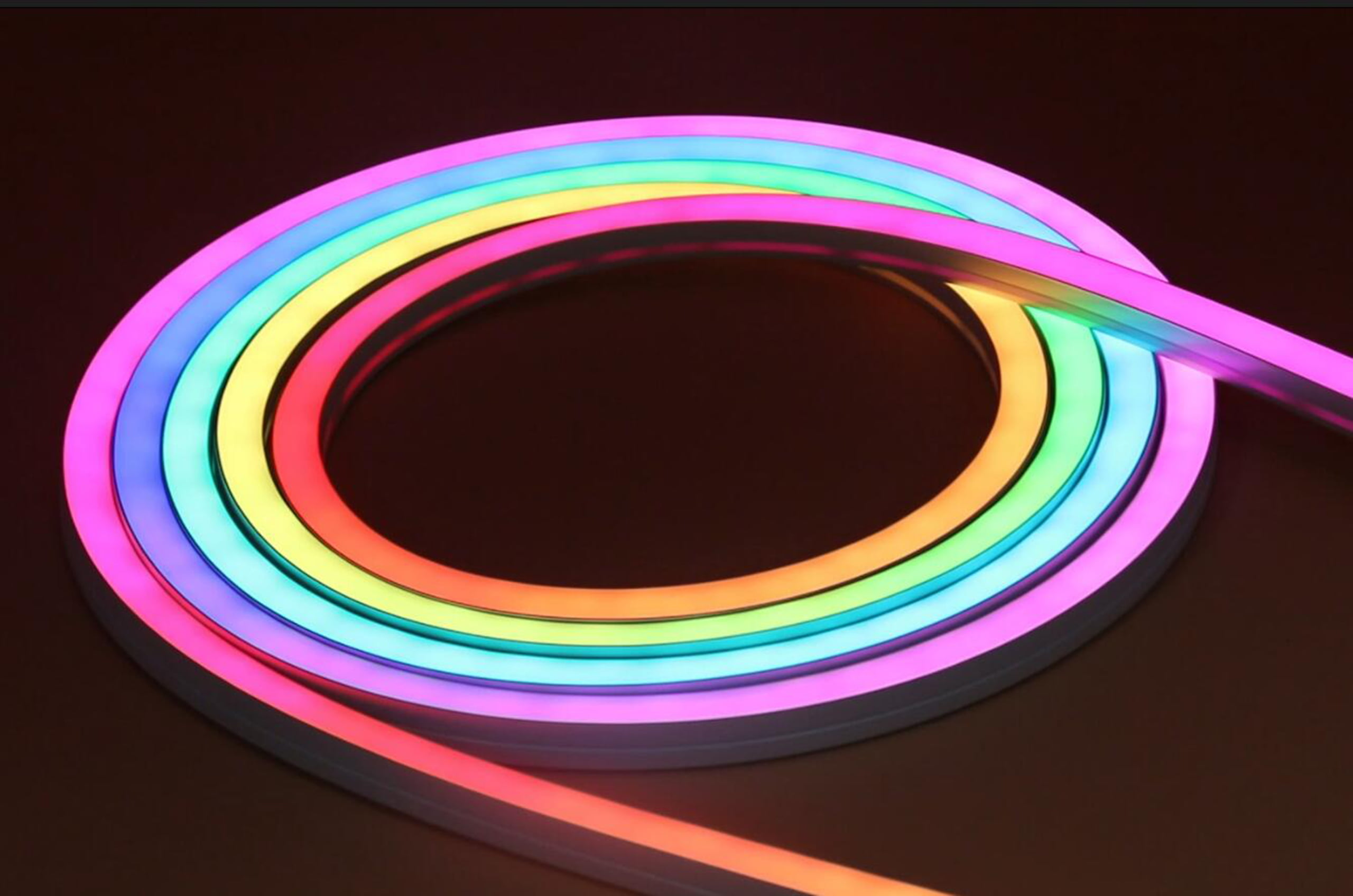
Let's dive deeper into what causes this yellowing and how to prevent it:
Material Comparison: PVC vs Silicone
| Property | PVC | Silicone |
|---|---|---|
| UV Resistance | Poor - yellows within months | Excellent - stable for 5+ years |
| Temperature Range | -20°C to +45°C | -40°C to +60°C |
| Flexibility | Becomes brittle over time | Maintains flexibility |
| Clarity | Degrades quickly | Stays clear |
| Cost | Lower initial cost | Higher upfront but lower long-term cost |
The molecular structure of silicone makes it inherently more stable than PVC. While PVC relies on plasticizers to achieve flexibility, silicone's natural properties make it resistant to:
- UV radiation
- Extreme temperatures
- Salt spray
- Chemical exposure
- Physical stress
This stability means silicone LED neon flex maintains its appearance and performance far longer than PVC alternatives, making it the superior choice for professional installations.
How Can You Verify You're Getting Real Silicone LED Neon Flex?
I've had clients come to me after being burned by suppliers claiming to sell silicone products that turned out to be PVC. This costly mistake could have been avoided with proper verification.
To ensure you're getting genuine silicone LED neon flex, request UV 3000-hour accelerated aging test3 reports and ask for material composition certificates4. Real silicone products will be clearly labeled as 100% silicone and backed by test documentation.
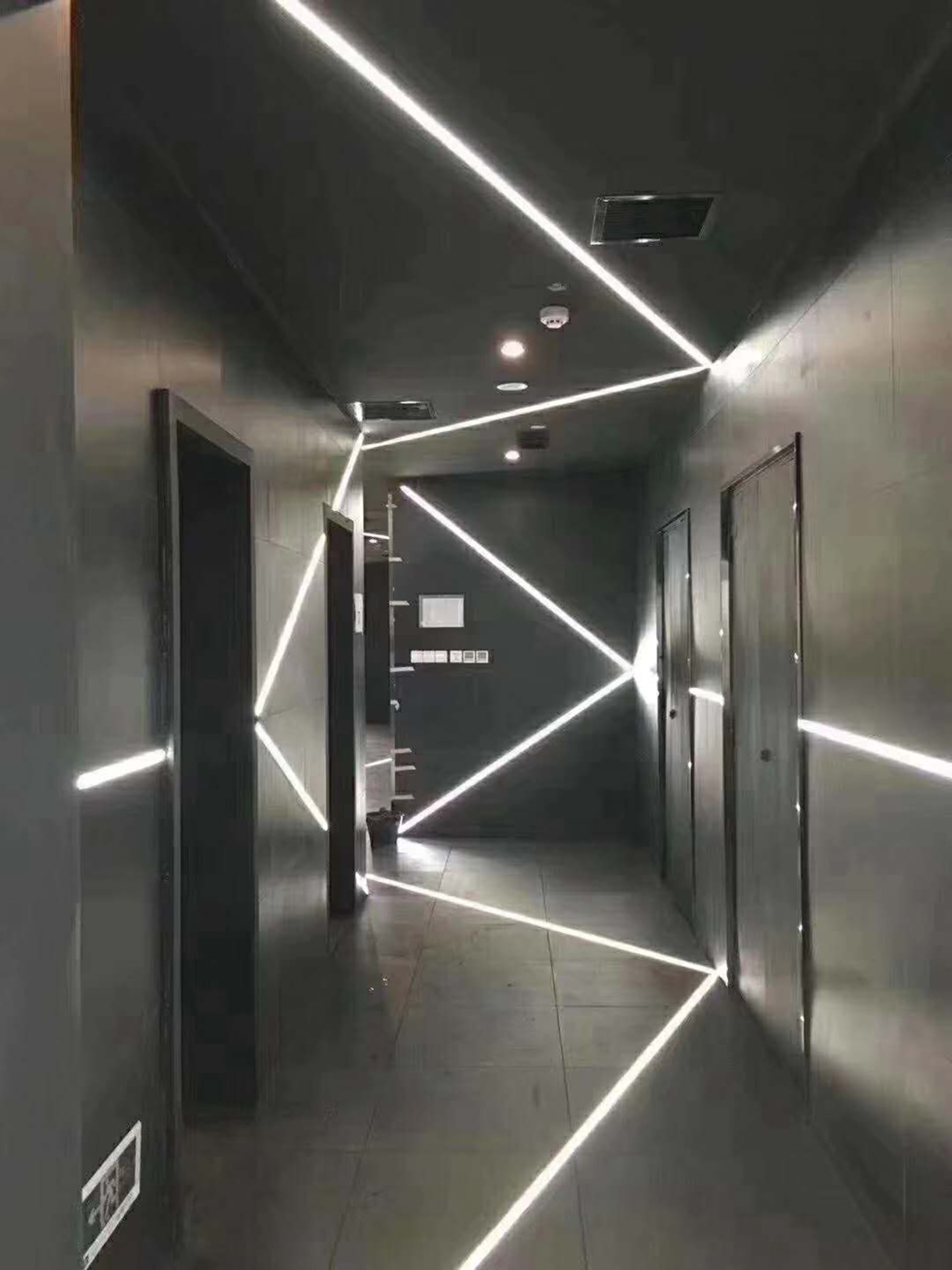
Key Verification Methods:
1. Documentation Requirements
- UV 3000-hour accelerated aging test3 report
- Material composition certificate
- RoHS compliance documentation5
- IP68 waterproof certification6
2. Physical Testing
Simple tests you can perform:
- Bend test: Silicone remains flexible at low temperatures
- Flame test: Silicone self-extinguishes
- Stretch test: Silicone has superior elasticity
3. Visual Inspection
Look for these quality indicators:
- Clear, consistent coloring
- Smooth, uniform surface
- Professional packaging with proper labeling
- Clear manufacturer information
The investment in proper verification upfront can save thousands in replacement costs and maintain your professional reputation. When sourcing LED neon flex, remember that the initial price difference between PVC and silicone is minimal compared to the long-term costs of failure.
Conclusion
Choose 100% pure silicone LED neon flex with verified UV resistance testing to ensure your installations maintain their pristine appearance for 5+ years, protecting both your reputation and bottom line.
Explore the advantages of pure silicone over PVC for LED neon flex, ensuring durability and longevity. ↩
Learn about plasticizer migration and its impact on PVC, helping you make informed material choices. ↩
Understand the significance of UV aging tests in verifying the quality of silicone LED neon flex. ↩
Discover why material composition certificates are crucial for ensuring the authenticity of silicone products. ↩
Find out about RoHS compliance and its role in ensuring safe and environmentally friendly materials. ↩
Learn about IP68 certification and its importance in ensuring the durability of LED neon flex in various environments. ↩