


Have you ever cut LED neon strips1 only to find the last few centimeters don't light up? This common but frustrating issue can waste material and delay projects. The good news is, there's a simple solution.
To cut LED neon strip lights properly, locate the marked cutting points2 on the strip, ensure the internal PCB3 cutting point aligns with the external marking, and make a clean perpendicular cut4. Using strips with transparent housing5 and short cutting interval6s (10mm) minimizes errors.
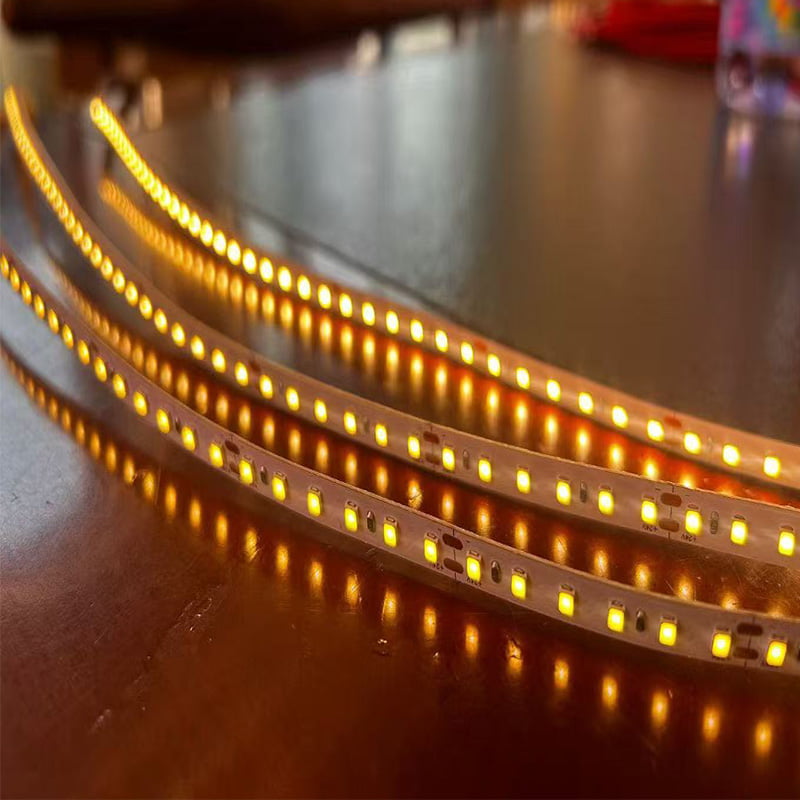
As a manufacturer with over 10 years of experience, I've seen countless installation issues caused by improper cutting. Let me share some expert insights to help you avoid these costly mistakes.
Why Do LED Strips Stop Working After Cutting?
Picture this: you've just finished cutting your LED strip, but the last 3-5cm won't light up. This frustrating scenario happens when the cut isn't perfectly aligned with the circuit connection points inside the strip.
LED strip failure after cutting usually occurs because the external cutting marks don't perfectly align with the internal PCB3 solder points. When cuts aren't precise, they can damage the circuit and create dead zones or flickering sections.

Let's dive deeper into why this happens and how to prevent it. The issue stems from three main factors:
1. External vs Internal Alignment
- Traditional Design:
- Cutting marks printed only on outer casing
- Internal PCB may shift during manufacturing
- Invisible connection points
- Modern Solution:
- Transparent/semi-transparent housing5
- Visible internal circuits
- Clear alignment guides
2. Cutting Unit Length
| Design Type | Cutting Interval | Risk Level | Material Waste |
|---|---|---|---|
| Standard | 50mm | High | Up to 5cm |
| Premium | 10mm | Low | Less than 1cm |
3. Installation Technique
- Visual inspection before cutting
- Perpendicular cutting angle
- Use of sharp cutting tools7
- Proper alignment verification
How Can You Ensure Precise Cuts Every Time?
I've learned through countless installations that success lies in preparation and using the right techniques. Without proper guidance, even experienced electricians can make costly mistakes.
To achieve precise cuts, use LED strips with transparent housing5 for visible circuit points, ensure perpendicular cut4s with sharp scissors, and follow the manufacturer's cutting guide. Always verify the cutting mark alignment before making the cut.
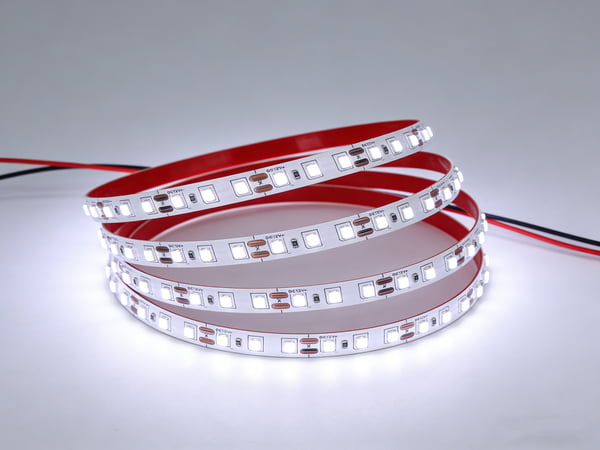
Let's break down the essential steps for successful cutting:
Visual Inspection Process
-
Before Cutting:
- Check for visible PCB points
- Verify marking alignment
- Clean cutting surface
-
During Cutting:
- Maintain 90-degree angle
- Apply steady pressure
- Use appropriate tools
-
After Cutting:
- Verify clean cut edges
- Test connectivity
- Apply end caps if needed
Professional Tips:
- Always backlight the strip to verify internal circuit positions
- Mark cutting points2 with a fine-tip marker
- Keep cutting tools sharp and clean
- Store strips flat to prevent PCB shifting
What Tools and Techniques Work Best for Cutting LED Strips?
Over my years in manufacturing, I've identified the most reliable methods and tools for precise cutting. The right approach can make all the difference between success and failure.
Use sharp scissors specifically designed for LED strips, avoid wire cutters or utility knives. Make cuts in a well-lit area, preferably with a cutting mat underneath. Never rush the cutting process - accuracy is more important than speed.
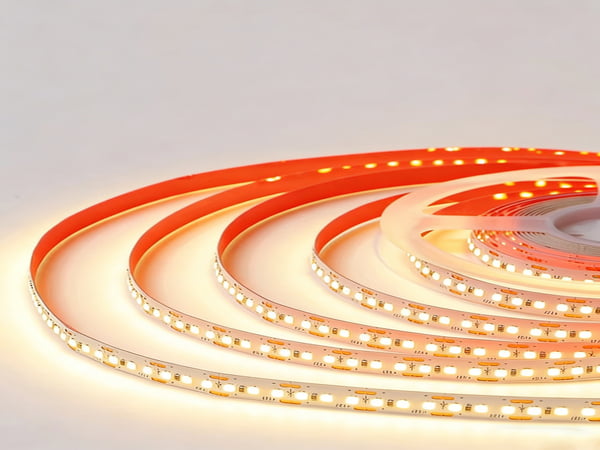
Understanding the proper tools and techniques is crucial for successful installation:
Essential Tools Comparison
| Tool Type | Effectiveness | Precision Level | Cost |
|---|---|---|---|
| LED Scissors | Excellent | High | Medium |
| Wire Cutters | Fair | Medium | Low |
| Utility Knife | Poor | Low | Very Low |
Best Practices:
-
Work Environment Setup:
- Clean, flat surface
- Good lighting
- Cutting mat
- Measuring tools
-
Cutting Procedure:
- Measure twice
- Mark cutting points2
- Verify alignment
- Cut smoothly
-
Quality Control:
- Test each section
- Document cuts
- Save remnants
Conclusion
Successful LED strip cutting comes down to using the right tools, following proper techniques, and choosing quality strips with transparent housing5 and frequent cutting points2. With these guidelines, you'll minimize waste and ensure perfect results every time.
Explore expert tips on cutting LED neon strips to avoid common mistakes and ensure perfect results. ↩
Learn how to accurately identify cutting points on LED strips to prevent failures and maximize efficiency. ↩
Discover the importance of internal PCB in LED strips and how it affects performance after cutting. ↩
Get tips on achieving a perfect perpendicular cut on LED strips for optimal performance. ↩
Find out why transparent housing is crucial for LED strips and how it aids in precise cutting. ↩
Understand the significance of cutting intervals in LED strips to minimize waste and errors. ↩
Explore the best cutting tools for LED strips to ensure clean cuts and prevent damage. ↩