

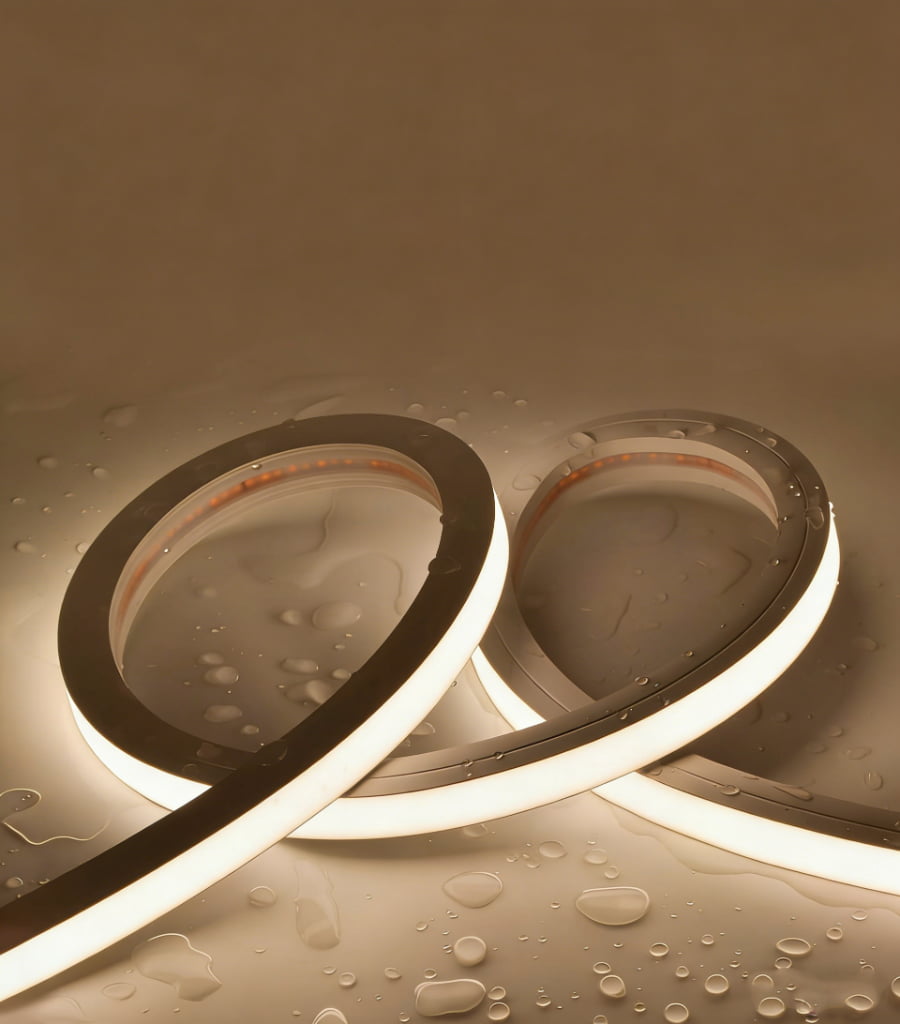
Water ingress is the silent killer of outdoor LED neon installations. I've seen countless projects fail within months due to moisture buildup inside the light tubes, leading to LED blackouts and complete system failure.
The key to preventing water damage in outdoor LED neon rope lights is using self-healing waterproof connection kits1 and chemical cross-linking sealants2. This creates a unified seal that maintains long-term waterproofing performance while minimizing internal cavity space to reduce vacuum effect3s.
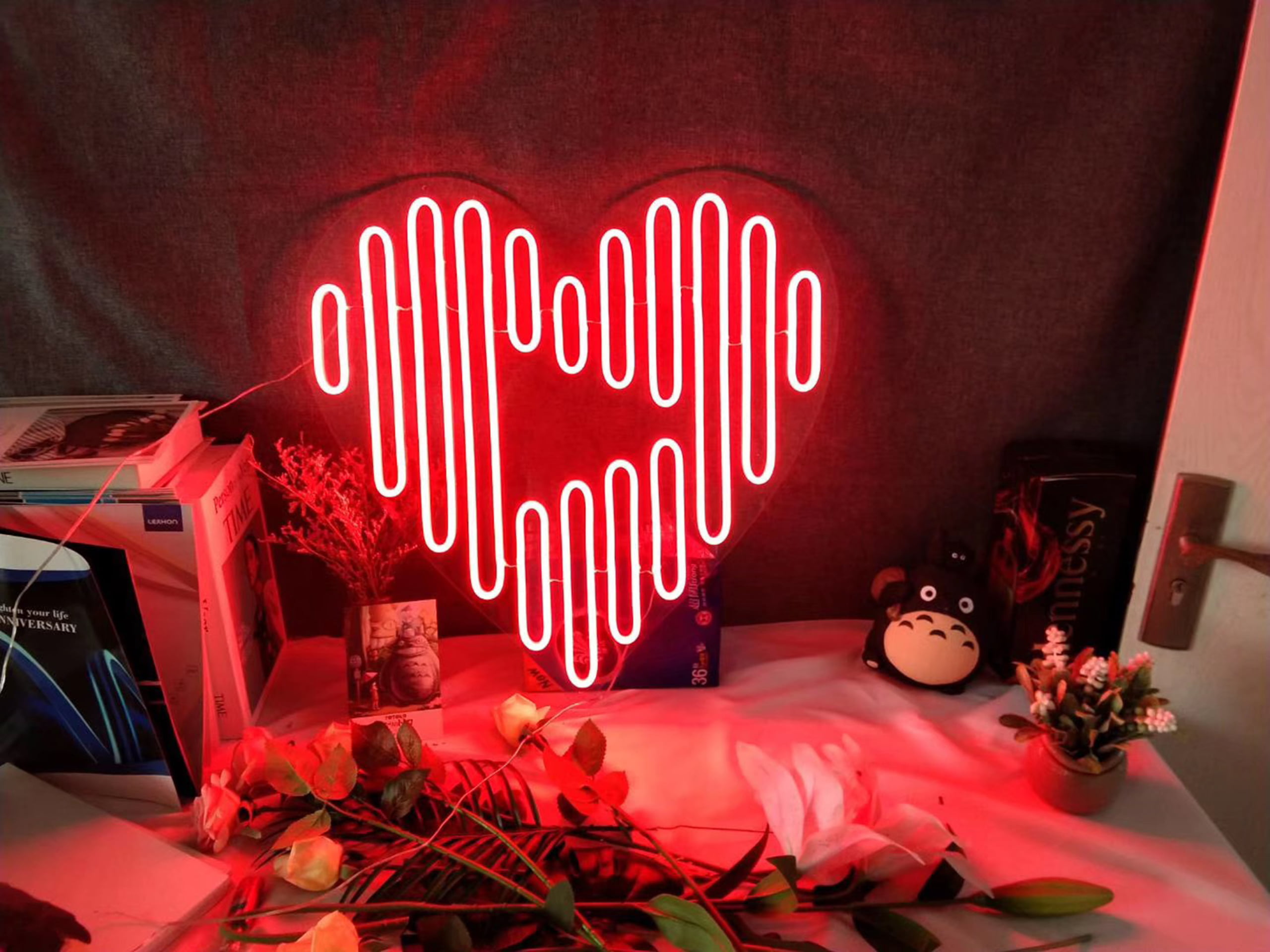
Let me share my decade of experience in preventing moisture damage in outdoor LED installations. I'll explain the physics behind water ingress4 and provide proven solutions that have saved countless projects from premature failure.
What Causes Water Damage in LED Neon Rope Lights?
When LED neon lights operate, they generate heat that causes internal air expansion. Once turned off, rapid cooling creates a vacuum effect3 that can pull moisture through microscopic gaps in end caps.
Water damage in LED neon rope lights occurs through a vacuum effect3 - when lights cool down, the internal pressure drops and pulls in moisture through tiny holes in end caps. This leads to circuit board corrosion and eventual LED failure.
Dive deeper: The physics behind water ingress4 in LED neon rope lights is fascinating and critical to understand for proper installation. Here's a detailed breakdown of the process:
Temperature Cycling Effects
- Operating temperature: +40°C to +50°C
- Cooling temperature: Can drop to ambient (0°C or below)
- Pressure differential: Creates up to -0.5 PSI vacuum
Common Entry Points
| Location | Risk Level | Prevention Method |
|---|---|---|
| End Caps | High | Chemical cross-linking sealant |
| Cable Entry | Medium | Self-healing connector kit |
| Extrusion Joints | Low | Seamless manufacturing |
This negative pressure cycle repeats daily, gradually pulling in more moisture with each cycle. Even microscopic holes can allow significant water accumulation over time. That's why traditional sealing methods often fail within months.
How Can You Ensure Proper Waterproofing Installation?
Poor installation accounts for 80% of water damage cases I've encountered. Without proper sealing techniques, even the highest quality LED neon will fail prematurely in outdoor conditions.
Proper waterproofing installation requires three key steps: using industrial-grade waterproof adhesive, ensuring completely dry conditions during installation, and applying chemical cross-linking sealant at all connection points.
Dive deeper: Let me break down the essential installation steps that I've refined over years of field experience:
Pre-Installation Preparation
- Environmental conditions:
- Ambient temperature: 15-25°C
- Humidity: <60%
- Surface: Clean and completely dry
Installation Process Steps
| Step | Critical Points | Common Mistakes |
|---|---|---|
| Surface Prep | Thorough cleaning, degreasing | Rushing the cleaning |
| Sealant Application | Even coverage, no gaps | Using too little sealant |
| Curing Time | Minimum 24 hours | Installing too soon |
The key is patience during installation. I've seen many installers rush through these steps, only to face costly repairs months later. Remember, proper installation takes time but saves money and reputation in the long run.
What Are the Best Practices for Long-Term Maintenance?
Maintenance isn't just about fixing problems - it's about preventing them. I've learned that regular inspection can detect potential issues before they cause system failure.
Best practices for long-term maintenance include quarterly visual inspections5, annual seal integrity checks6, and immediate replacement of any compromised connections or end caps.
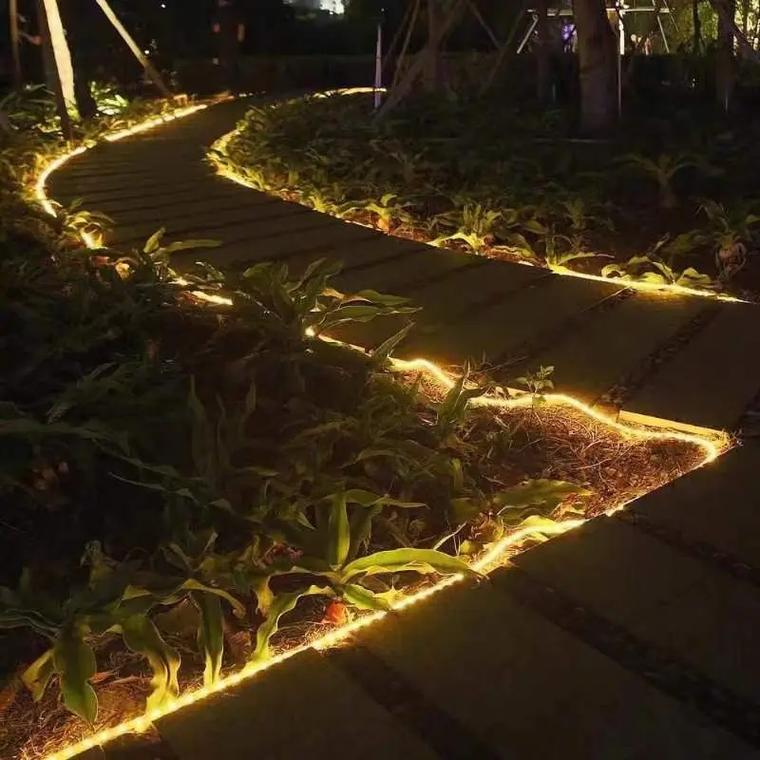
Dive deeper: Based on my experience managing large-scale installations, here's a comprehensive maintenance strategy7:
Maintenance Schedule
| Frequency | Action Items | Purpose |
|---|---|---|
| Monthly | Visual inspection | Spot early signs of water ingress4 |
| Quarterly | Seal check | Verify waterproof integrity |
| Annually | Complete system test | Ensure long-term reliability8 |
Regular maintenance might seem excessive, but it's far less expensive than replacement. I've seen proper maintenance extend LED neon life from the typical 3 years to over 7 years in harsh outdoor conditions.
Conclusion
Preventing water damage in outdoor LED neon rope lights requires understanding the physics of water ingress4, using proper installation techniques, and maintaining regular inspection schedules. With these practices, your installation can last for years even in challenging environments.
These kits are essential for ensuring long-term waterproofing in LED installations. ↩
Learn how these sealants create a unified seal to protect your LED installations. ↩
Understanding the vacuum effect can help you prevent moisture issues in your installations. ↩
Understanding water ingress is crucial for preventing damage in outdoor LED installations. ↩
Regular inspections can help catch potential issues before they lead to failure. ↩
Seal integrity checks are vital for maintaining the waterproofing of your installations. ↩
A solid maintenance strategy can extend the life of your LED installations significantly. ↩
Ensuring long-term reliability is essential for maximizing your investment in LED technology. ↩