

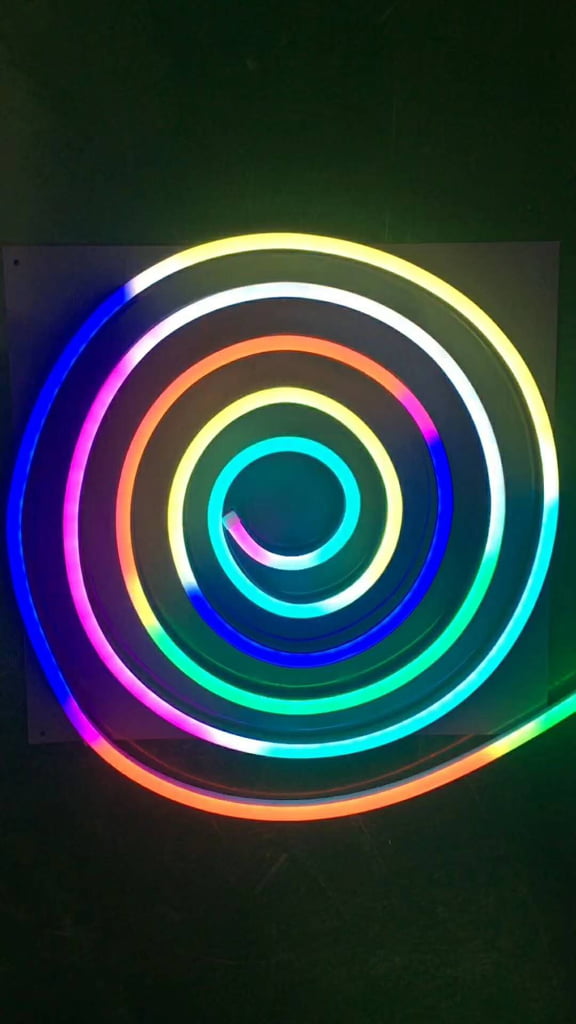
Last month, I helped a UK client solve a yellowing issue with 500 meters of LED strips. The investigation revealed that improper bending during installation caused intermittent lighting failures, highlighting a common but serious problem in LED strip applications.
LED neon flex1 combines the classic look of traditional neon with modern LED technology, offering superior flexibility, energy efficiency2, and durability. Its seamless illumination and easy installation make it ideal for both indoor and outdoor architectural lighting, signage, and decorative applications.
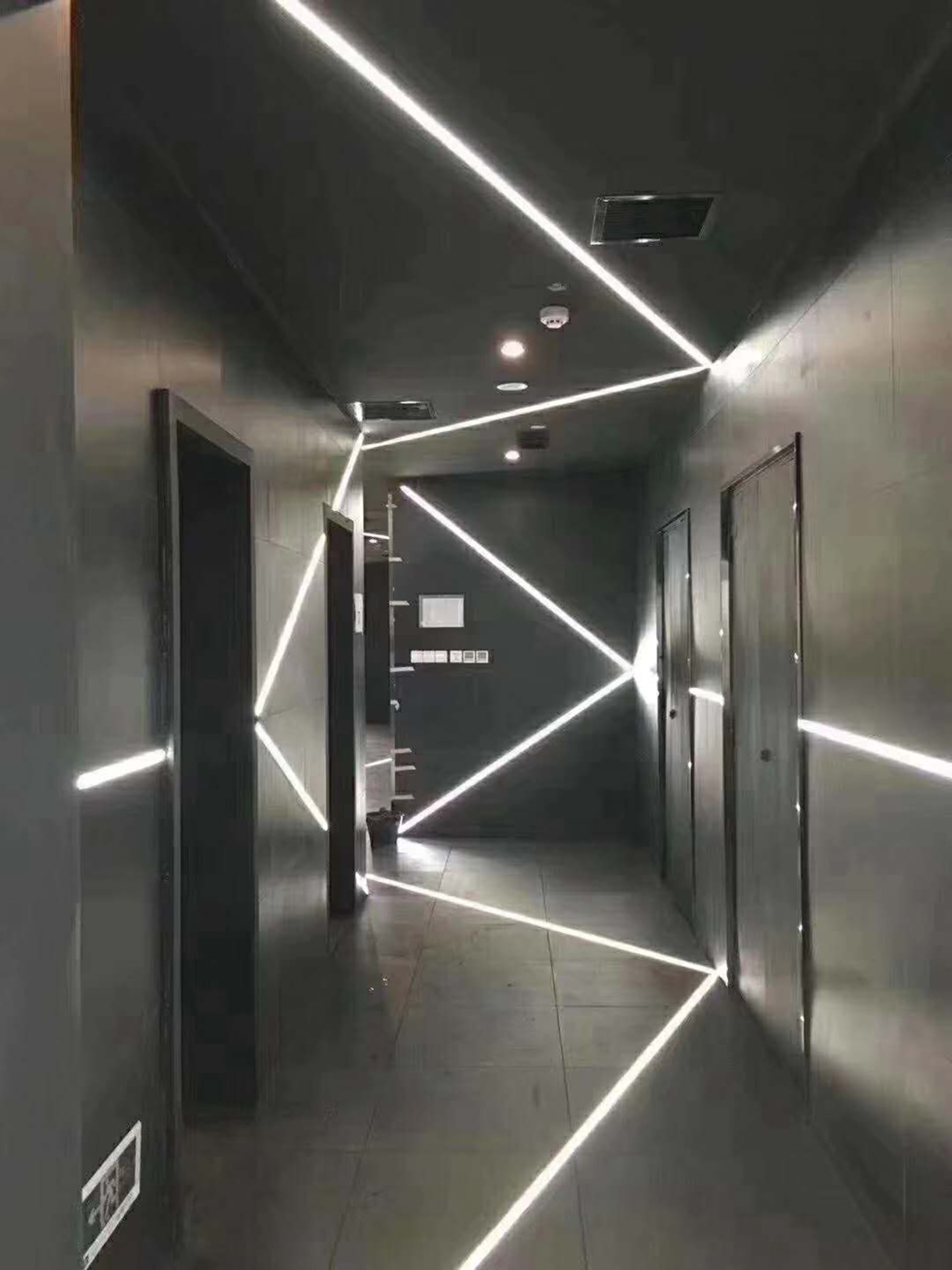
As a manufacturer with over a decade of experience, I've seen countless lighting projects transformed by LED neon flex1 technology. Let me share some key insights about why this innovative lighting solution continues to dominate the market.
How Does LED Neon Flex Technology Ensure Long-Term Performance?
The reliability of LED neon flex1 often comes down to its construction quality. I've seen many projects fail simply because of poor manufacturing processes3 and material choices.
Quality LED neon flex1 features a nano-flexible coating on PCB boards, high-elasticity solder paste, and automated die bonding, ensuring over 1,000 bending cycles without connection failures. The silicone housing4 must be UV-resistant and maintain clarity for at least 5 years.
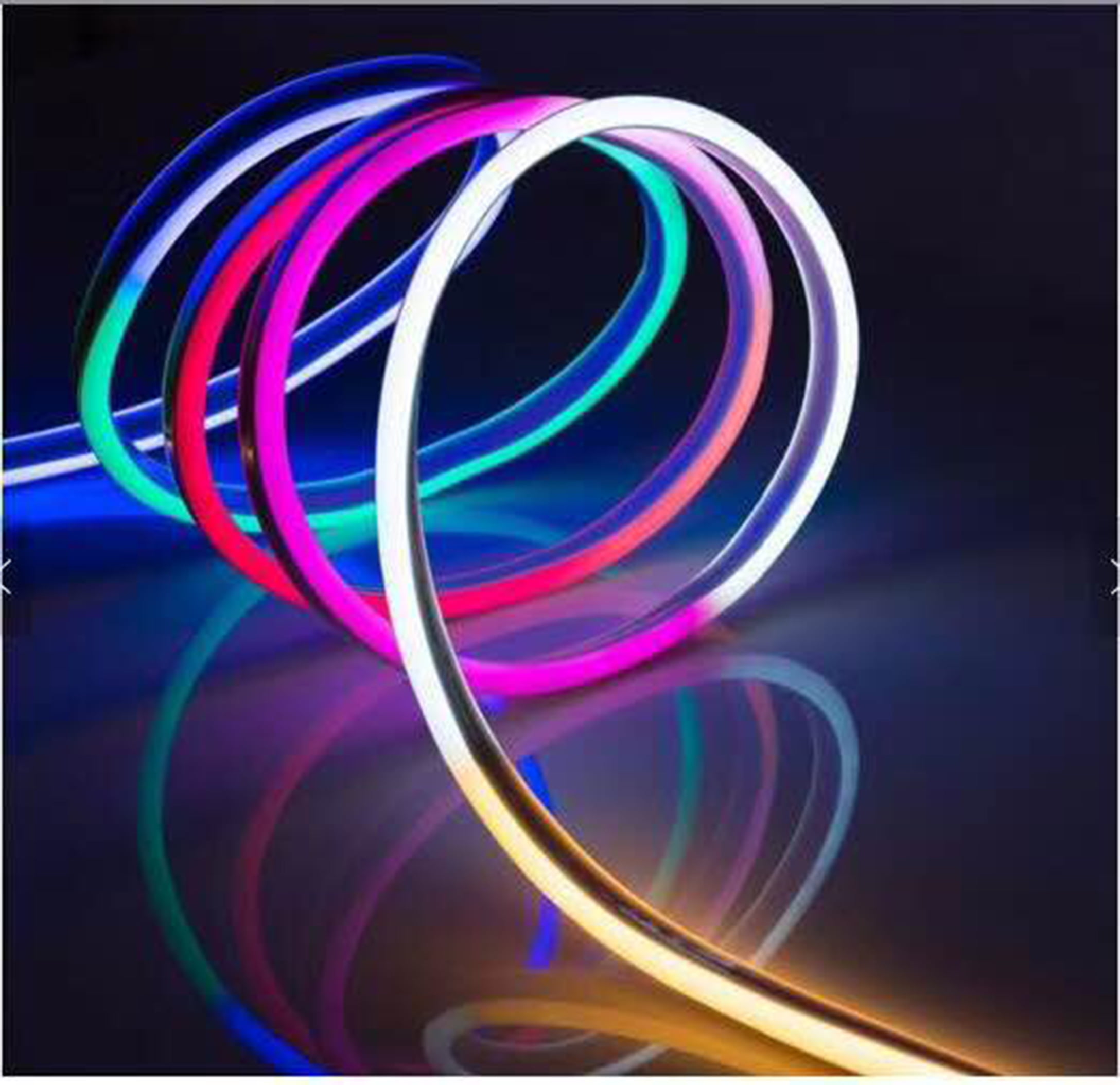
A deeper look at LED neon flex1 construction reveals several critical factors:
Material Quality
- Silicone Housing
- UV-resistant formulation
- Non-yellowing properties
- Temperature resistance (-40°C to +60°C)
- IP68 waterproof rating
Manufacturing Process
-
PCB Design Feature Benefit Nano-flexible coating Prevents circuit breaks High-elasticity solder Maintains connections Automated die bonding Ensures consistency
Installation Guidelines
- Proper Bending
- Follow minimum bending radius5
- Maintain parallel/perpendicular orientation
- Avoid twisting stress points
What Installation Considerations Ensure Optimal Performance?
After witnessing numerous installation challenges, I've learned that proper installation technique is just as crucial as product quality.
Successful LED neon flex1 installation requires strict adherence to minimum bending radius5 specifications, proper mounting techniques, and appropriate power supply selection. Professional installation guides and technical support are essential for optimal results.
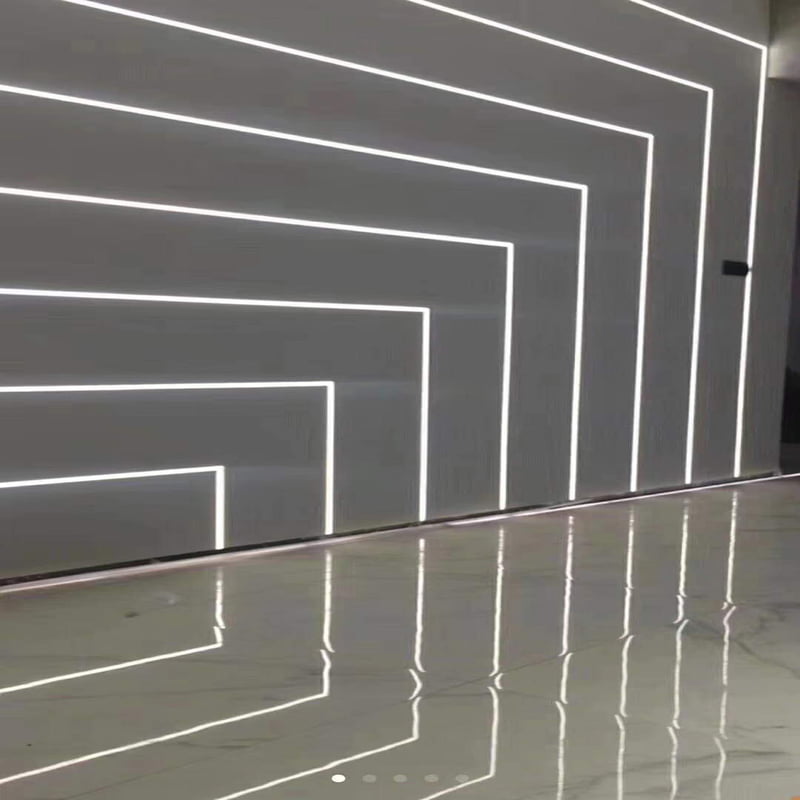
Understanding installation requirements is crucial for long-term success:
Mounting Considerations
-
Surface Preparation
- Clean mounting surface
- Proper temperature conditions
- Appropriate mounting clips
-
Power Distribution Run Length Power Requirements 0-5m Single feed 5-10m Dual feed 10m+ Multiple feeds -
Environmental Factors
- Temperature fluctuations
- UV exposure levels
- Moisture exposure
The importance of proper installation cannot be overstated. I always provide our clients with detailed installation manuals and offer technical support to ensure proper installation practices. This proactive approach has significantly reduced warranty claims and increased customer satisfaction across our projects.
What Makes LED Neon Flex More Cost-Effective Than Traditional Neon?
Having worked with both traditional neon and LED neon flex1, I can confidently discuss the cost implications of each option.
LED neon flex1 typically offers 70% energy savings compared to traditional neon, with installation costs reduced by up to 50%. The average lifespan exceeds 50,000 hours, with minimal maintenance requirements6 and significantly lower replacement costs.
Let's examine the long-term cost benefits:
Operating Costs
-
Energy Consumption Light Type Power Usage Traditional Neon 150W/m LED Neon Flex 15W/m -
Maintenance Requirements
- No gas refills needed
- No glass breakage risks
- Simple section replacement
-
Lifetime Value
- Extended warranty periods
- Lower insurance costs
- Reduced maintenance staff
The initial investment in quality LED neon flex1 often pays for itself within the first year through reduced energy and maintenance costs. This makes it an increasingly popular choice for both small businesses and large commercial projects.
Conclusion
LED neon flex1 represents the future of architectural lighting, offering superior durability, energy efficiency2, and design flexibility. With proper selection, installation, and maintenance, it provides a reliable and cost-effective7 lighting solution for modern projects.
Explore the advantages of LED neon flex, including energy efficiency and design flexibility, to enhance your lighting projects. ↩
Learn how energy efficiency can reduce costs and environmental impact in your lighting solutions. ↩
Delve into the manufacturing processes that ensure the quality and reliability of LED neon flex products. ↩
Understand how silicone housing contributes to the durability and performance of LED neon flex lighting. ↩
Find out why adhering to bending radius specifications is crucial for preventing installation failures. ↩
Learn about the low maintenance needs of LED neon flex, making it a hassle-free lighting option. ↩
Explore the cost benefits of LED neon flex compared to traditional neon for informed decision-making. ↩