


In my decade of LED lighting projects, I've witnessed countless installations ruined by poor power supply choices. The wrong power supply can turn your pristine white neon flex into an embarrassing yellowish mess.
The ideal power supply for LED neon flex is a 24V system with voltage adjustment capability1y](https://www.arxiv.org/pdf/1703.08501v1)%%%FOOTNOTE_REF_2%%%. It provides stable power distribution3, maintains consistent brightness and color temperature, and supports longer runs up to 10 meters per feed point.
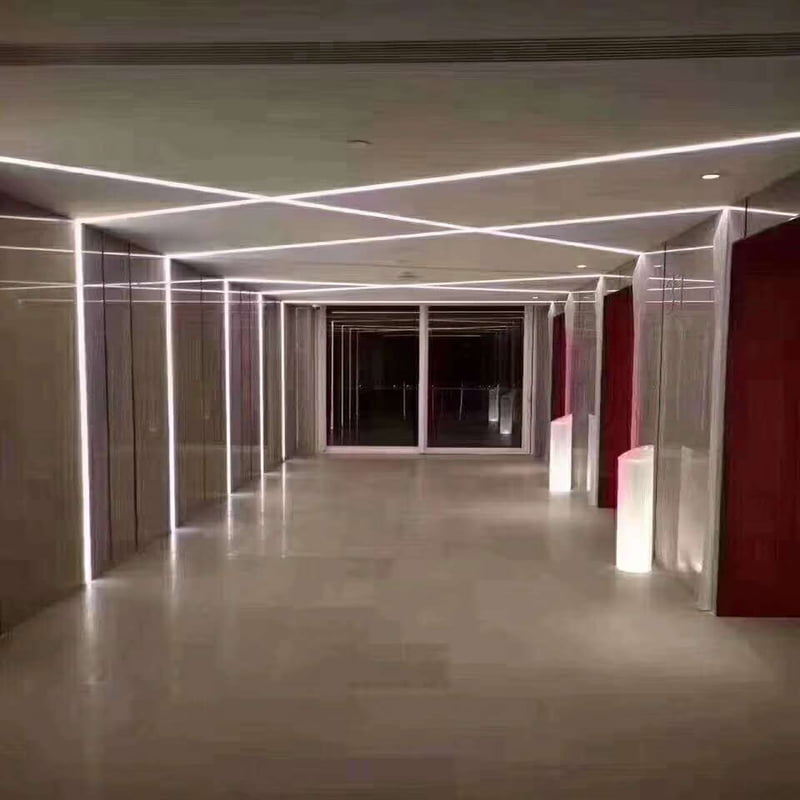
Let me share my expertise on why 24V power supplies are crucial for professional LED neon flex installations and how to avoid common pitfalls that could cost you time and money.
Why Do LED Neon Flex Colors Look Different at the End of Long Runs?
I've seen numerous projects where clients complain about color inconsistency4 - pure white at the start gradually turning yellow or pink towards the end. This frustrating issue often leads to payment disputes and project delays.
Voltage drop is the main culprit behind color inconsistency4 in LED neon flex. As electricity travels through copper traces and wires, resistance causes voltage to decrease, potentially dropping to 20V at the end of long runs, resulting in dimmer output and color shift.

To truly understand this issue, let's break down the technical aspects:
Factors Affecting Voltage Drop
- Distance Impact
- 0-5m: Minimal voltage drop5 (0.5-1V)
- 5-10m: Moderate drop (1-2V)
- 10m+: Severe drop (2V+)
Power Supply Requirements
| Run Length | Recommended Setup | Voltage Adjustment |
|---|---|---|
| 0-5m | Single feed | Standard 24V |
| 5-10m | Single feed with adjustment | 24.5V |
| 10m+ | Multiple feed points | 24.5-25V |
The solution lies in proper power supply selection and installation planning6. I always calculate voltage drop5 curves based on specific installation requirements and recommend power supplies with V+ adjustment capability, allowing fine-tuning up to 25V to compensate for voltage losses.
How Can You Ensure Consistent Brightness Across Long LED Neon Flex Runs?
After countless troubleshooting sessions, I've learned that proper power distribution3 is the key to maintaining consistent brightness. Single-end power feeding in long runs is like trying to push water through a narrow pipe - pressure drops significantly at the end.
To maintain consistent brightness, implement multiple power feed points7 every 5-10 meters or use double-ended power feeding8. This approach ensures balanced voltage distribution and prevents dimming issues in long installations.
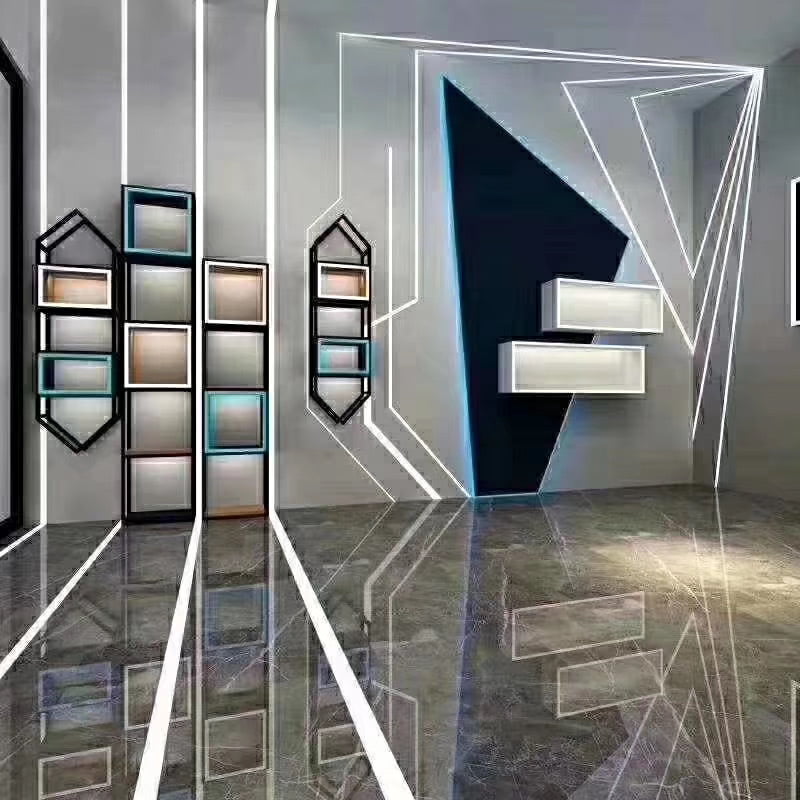
Let's examine the best practices for power distribution3:
Installation Methods Comparison
-
Single-End Feeding
- Pros: Simple installation, lower cost
- Cons: Limited run length, potential brightness issues
- Best for: Runs under 5 meters
-
Multiple Feed Points
- Pros: Consistent brightness, supports longer runs
- Cons: More complex wiring, higher material cost
- Best for: Runs over 10 meters
-
Double-End Feeding
- Pros: Balanced power distribution3
- Cons: Requires careful voltage matching
- Best for: Critical applications requiring perfect uniformity
Power Distribution Guidelines
| Installation Type | Feed Point Spacing | Power Supply Rating |
|---|---|---|
| Commercial | Every 5m | 120% of load |
| Architectural | Every 7.5m | 130% of load |
| Outdoor | Every 10m | 150% of load |
I always emphasize the importance of proper electrical design during the planning phase. This proactive approach prevents costly corrections and ensures long-term installation success.
Conclusion
Choose a 24V power supply with voltage adjustment capability2, implement multiple feed points for long runs, and always calculate voltage drop5 beforehand to ensure your LED neon flex installation maintains consistent brightness and color throughout its entire length.
Understanding the benefits of a 24V system can enhance your LED installations, ensuring consistent brightness and color. ↩
Explore how voltage adjustment can optimize your LED installations for better results. ↩
Discover effective power distribution methods to enhance the performance of your LED neon flex. ↩
Explore the causes of color inconsistency to avoid common pitfalls in your LED projects. ↩
Learn about voltage drop to ensure your installations maintain brightness and color integrity. ↩
Learn essential planning tips to avoid costly mistakes and ensure successful LED installations. ↩
Find out how multiple feed points can prevent dimming and ensure uniform brightness. ↩
Understand the advantages of double-ended feeding for critical applications requiring uniformity. ↩