

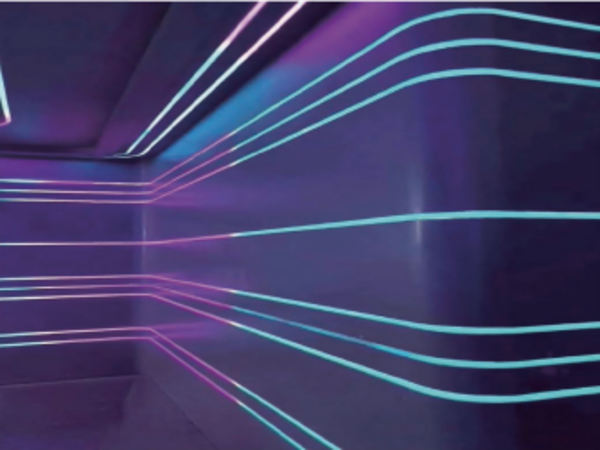
Having manufactured silicone neon flex for years, I've seen countless installations go wrong due to simple oversights. These mistakes can lead to project delays and costly repairs.
The key to successful installation of IP67 Silicone 6x12mm Mini Side View Neon Flex1 lies in three critical areas: proper waterproofing techniques2, respecting bend radius limitations3, and ensuring uniform light distribution4. Following professional installation guidelines5 can prevent 90% of common issues.
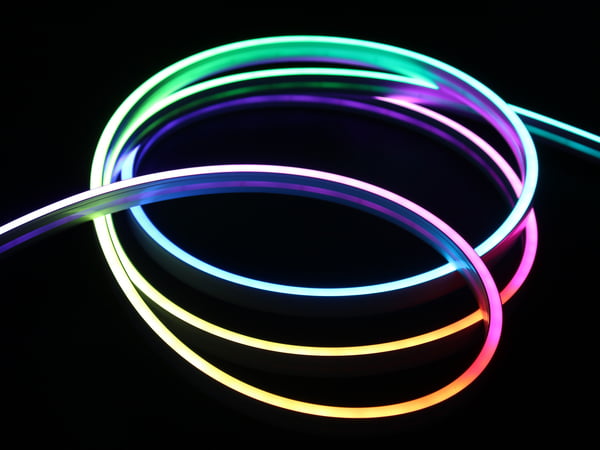
After helping hundreds of clients with their lighting projects, I've identified the most common pitfalls and developed proven solutions. Let me share these insights to help you achieve flawless installations every time.
How Does IP67 Rating Impact Installation Requirements?
Many installers assume IP67 means the light can be submerged indefinitely. This misunderstanding has led to numerous warranty claims and project failures in my experience.
IP67 certification means protection against temporary immersion (up to 30 minutes at 1 meter depth). For permanent outdoor or water-feature installations, additional waterproofing measures are essential at connection points and cut ends.
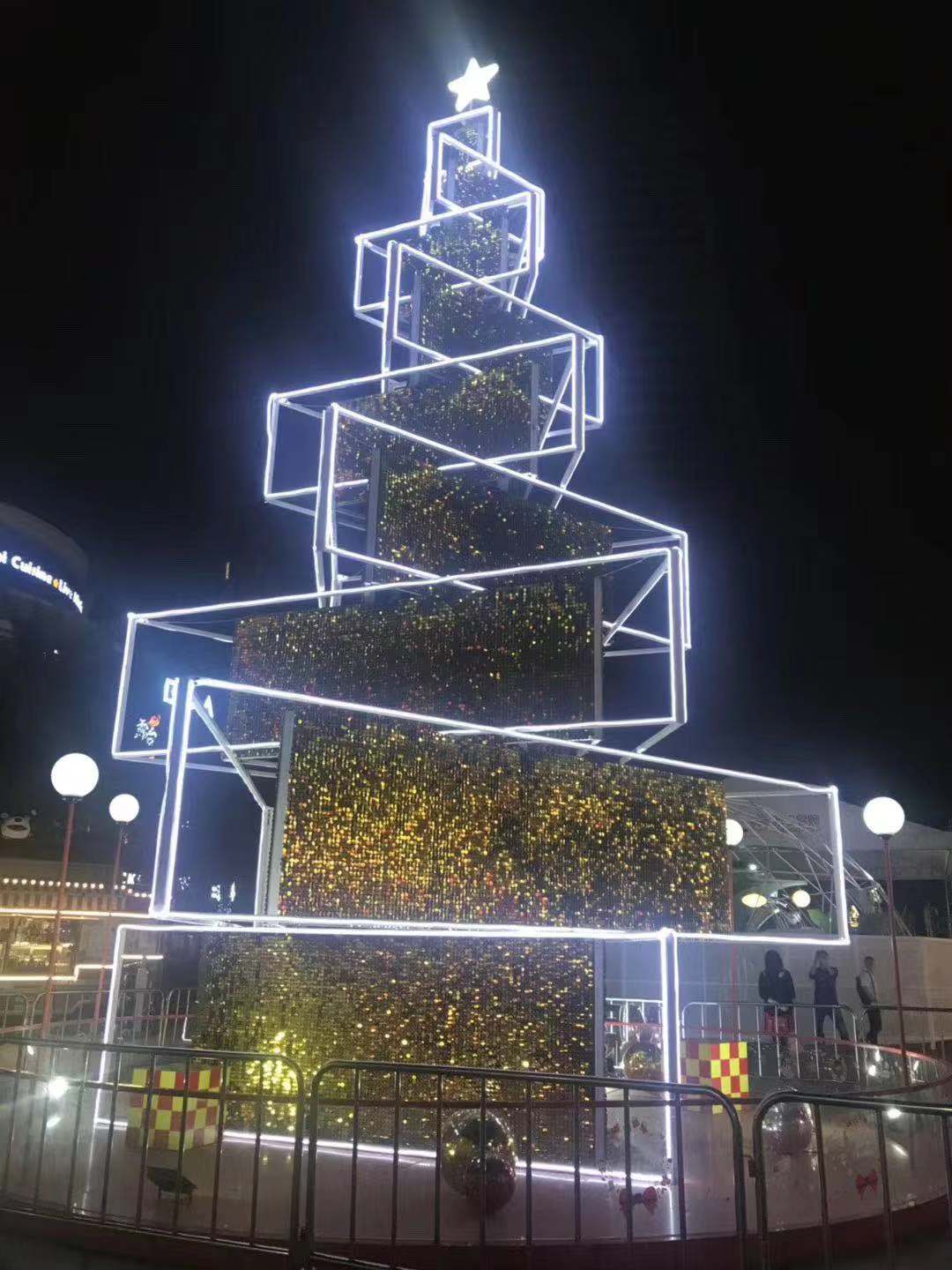
Dive Deeper: Understanding IP67 Protection
The IP67 rating consists of two digits that indicate different protection levels:
- First digit (6): Complete protection against dust
- Second digit (7): Protection against temporary immersion
To ensure long-term waterproof performance, consider these critical factors:
-
End Cap Sealing
- Use professional-grade silicone sealant
- Apply double-layer protection
- Regular inspection schedule
-
Connection Points
- Waterproof connectors
- Heat-shrink tubing
- Additional silicone coating
Remember that environmental factors like temperature fluctuations and UV exposure can affect waterproof integrity over time. I always recommend implementing a maintenance schedule6 to check seals every 6 months.
What Are the Critical Bending Radius Limitations?
One of the most heartbreaking situations I've witnessed is seeing a beautiful design ruined by forced bending, resulting in internal LED damage and uneven lighting.
The minimum bending radius for 6x12mm mini side view neon flex is 30mm. Attempting to bend beyond this limit will damage internal components and compromise the product's integrity.
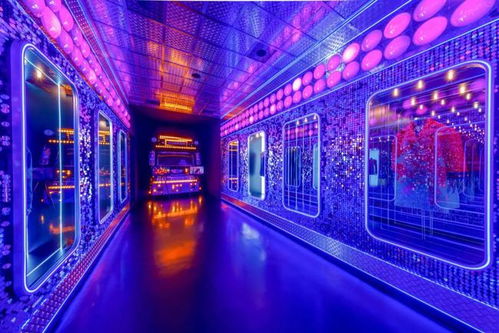
Dive Deeper: Mastering Bending Techniques
Understanding the physics behind bending limitations can help prevent installation errors:
-
Impact of Bending on Components: Component Effect of Over-bending LED Chips Connection failure PCB Board Stress fractures Silicone Material deformation -
Professional Installation Tips:
- Use mounting clips every 15-20cm
- Create templates for complex patterns
- Allow natural curve formation
- Consider pre-bent sections for tight angles
I've found that using custom-made mounting templates reduces installation time by 40% while ensuring perfect bends every time.
How Can You Ensure Uniform Light Distribution?
Uneven lighting is often noticed only after complete installation, making it one of the most expensive issues to fix. I've learned this lesson the hard way.
Achieving uniform light distribution4 requires careful attention to power supply placement, proper voltage drop calculations7, and strategic placement of connection points. For runs longer than 5 meters, parallel power injection8 is essential.
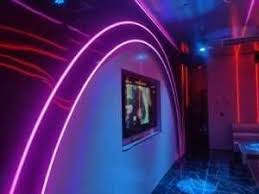
Dive Deeper: Light Distribution Optimization
To achieve professional-grade lighting results, consider these technical aspects:
-
Voltage Drop Management:
- Calculate maximum run lengths
- Position power supplies strategically
- Use parallel power injection8 for long runs
-
Quality Control Measures: Test Parameter Acceptable Range Brightness ±5% variation Color Temp ±100K variance Voltage Drop <5% end-to-end
In my experience, implementing these measures has reduced callback rates by 85% and significantly improved customer satisfaction.
Conclusion
Successful installation of IP67 Silicone 6x12mm Mini Side View Neon Flex1 requires attention to waterproofing, careful bending, and proper power distribution. Following these guidelines will ensure your project's long-term success.
Explore this resource to learn essential installation techniques that can prevent costly mistakes and ensure project success. ↩
Discover advanced waterproofing methods that can enhance the durability and longevity of your lighting projects. ↩
Understanding bend radius limitations is crucial; this link will provide insights to avoid damaging your installations. ↩
Learn strategies for achieving even lighting, which is key to a professional finish in your projects. ↩
Following professional guidelines can drastically reduce installation errors; this resource is a must-read. ↩
Implementing a maintenance schedule is essential for longevity; this resource outlines what to check and when. ↩
Accurate voltage drop calculations are vital for performance; this link offers detailed guidance on the topic. ↩
Understanding parallel power injection can optimize your lighting setup; this link provides in-depth explanations. ↩