

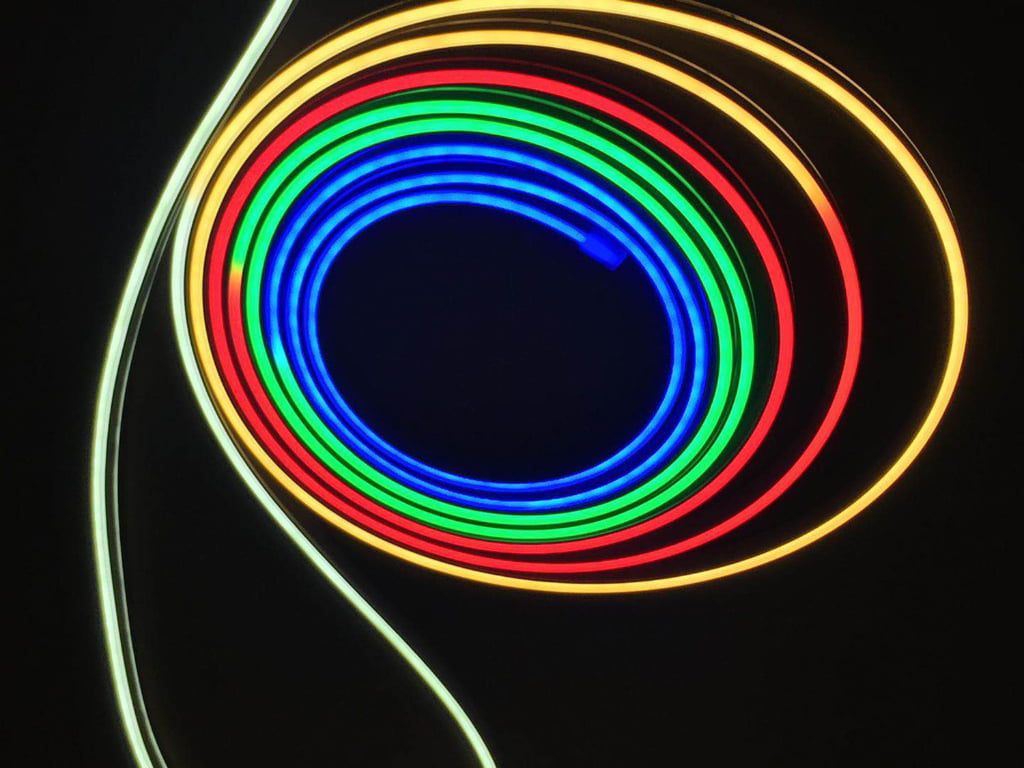
As a manufacturer dealing with neon LED strips for years, I've seen many first-time users struggle with 6mm Neon Flex LED IP651. The wrong choices in selection and installation can lead to costly mistakes.
The key to successfully using 6mm Neon Flex LED IP651 is understanding three critical aspects: waterproofing capabilities2, bending limitations3, and light distribution4. Proper installation requires careful attention to IP65 ratings5, minimum bend radius6 of 30mm, and even light diffusion.
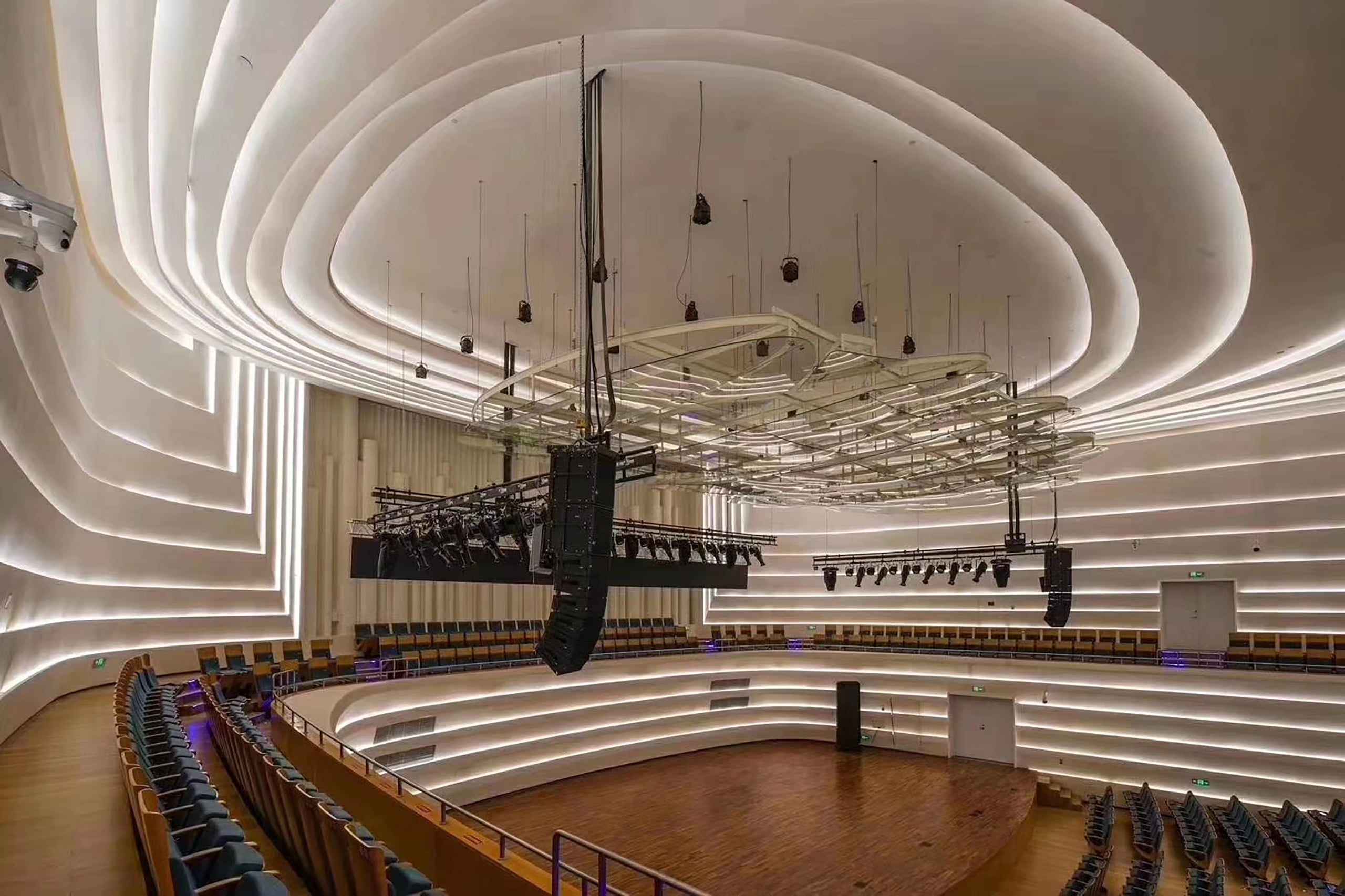
Let me share some hard-learned lessons from my years of experience in manufacturing and installing these lighting solutions. These insights will help you avoid common pitfalls and achieve the best results.
Is IP65 Rating Enough for Outdoor Installation?
Many clients assume IP65 means completely waterproof. Last month, a customer's outdoor installation failed after heavy rain because they didn't properly seal the connection points.
While IP65 protects against water jets, it doesn't guarantee protection against sustained water immersion. For outdoor installations, you need additional waterproofing at cut points and connections, or consider upgrading to IP67 rating.
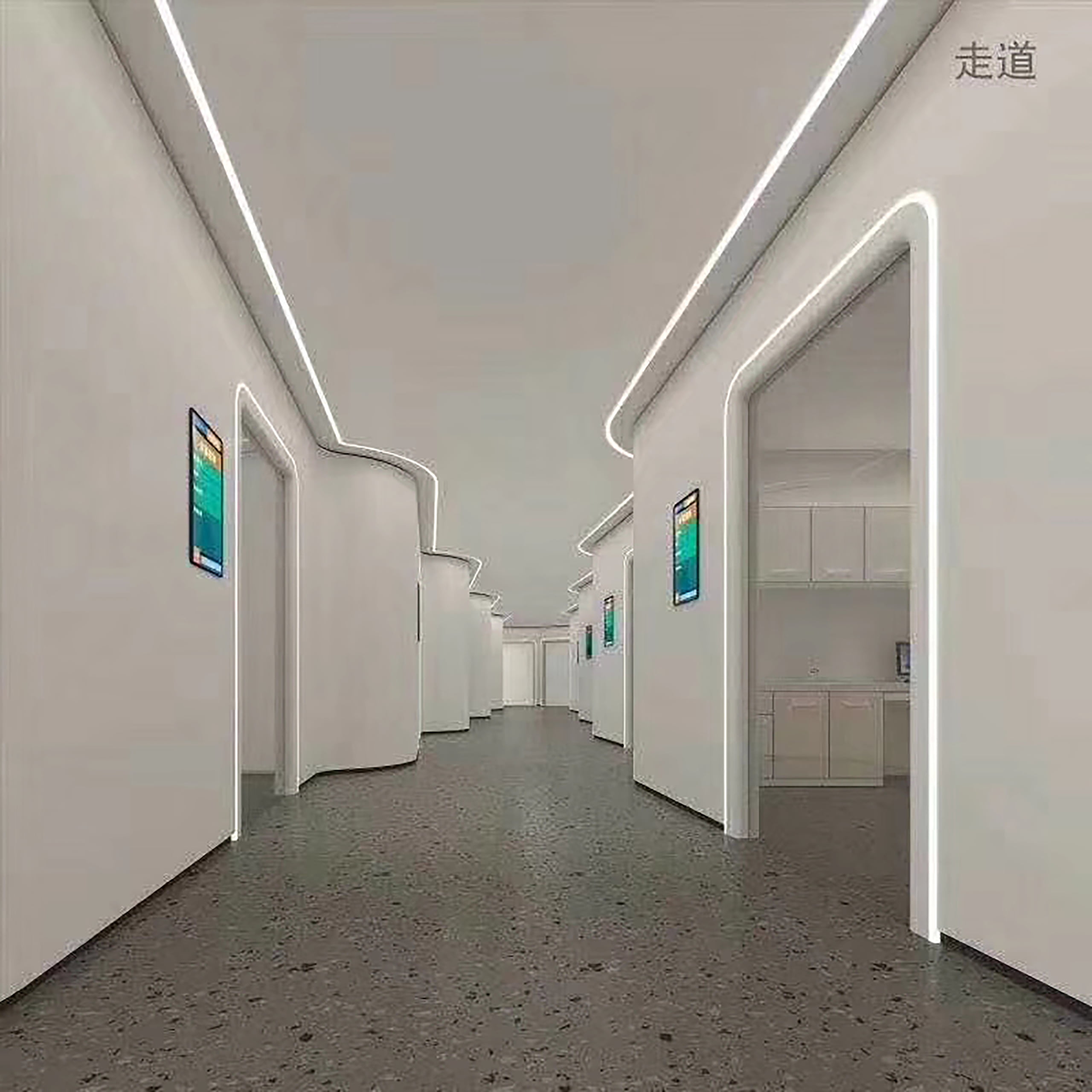
The Truth About IP Ratings for LED Strips:
Water Resistance Levels
| IP Rating | Protection Level | Suitable Applications |
|---|---|---|
| IP65 | Protected against water jets | Indoor/Semi-outdoor |
| IP67 | Protected against immersion | Outdoor/Wet areas |
| IP68 | Protected against continuous immersion | Underwater installations |
To ensure proper waterproofing:
- Apply silicone sealant7 at cut points
- Use waterproof end caps
- Install strips at a slight angle to prevent water accumulation
- Consider additional protective housing for extreme conditions
What's the Right Way to Create Complex Shapes Without Damaging the Strip?
I've witnessed countless installations fail because installers forced the strip into tight bends, causing LED chip separation and circuit breaks.
The minimum bending radius for 6mm Neon Flex LED is 30mm. Attempting tighter bends can damage internal components and cause lighting failures. For complex designs, use custom-made curved sections or strategic segmentation.

Understanding Bending Limitations:
Bending Guidelines
| Direction | Minimum Radius | Special Considerations |
|---|---|---|
| Horizontal | 30mm | Keep consistent pressure |
| Vertical | 50mm | Avoid twisting |
| Custom angles | Factory-made | Pre-order for complex shapes |
Best practices include:
- Planning curves before installation
- Using mounting clips to maintain proper radius
- Avoiding sharp tools during installation
- Considering temperature fluctuations that might affect flexibility
How Can You Ensure Uniform Light Distribution?
A recent project highlighted the importance of light uniformity when a client complained about visible dark spots in their installation.
Uniform light distribution4 depends on three factors: LED spacing8, diffuser quality, and proper installation technique. High-quality silicone material and precise LED placement ensure even light diffusion without hot spots.
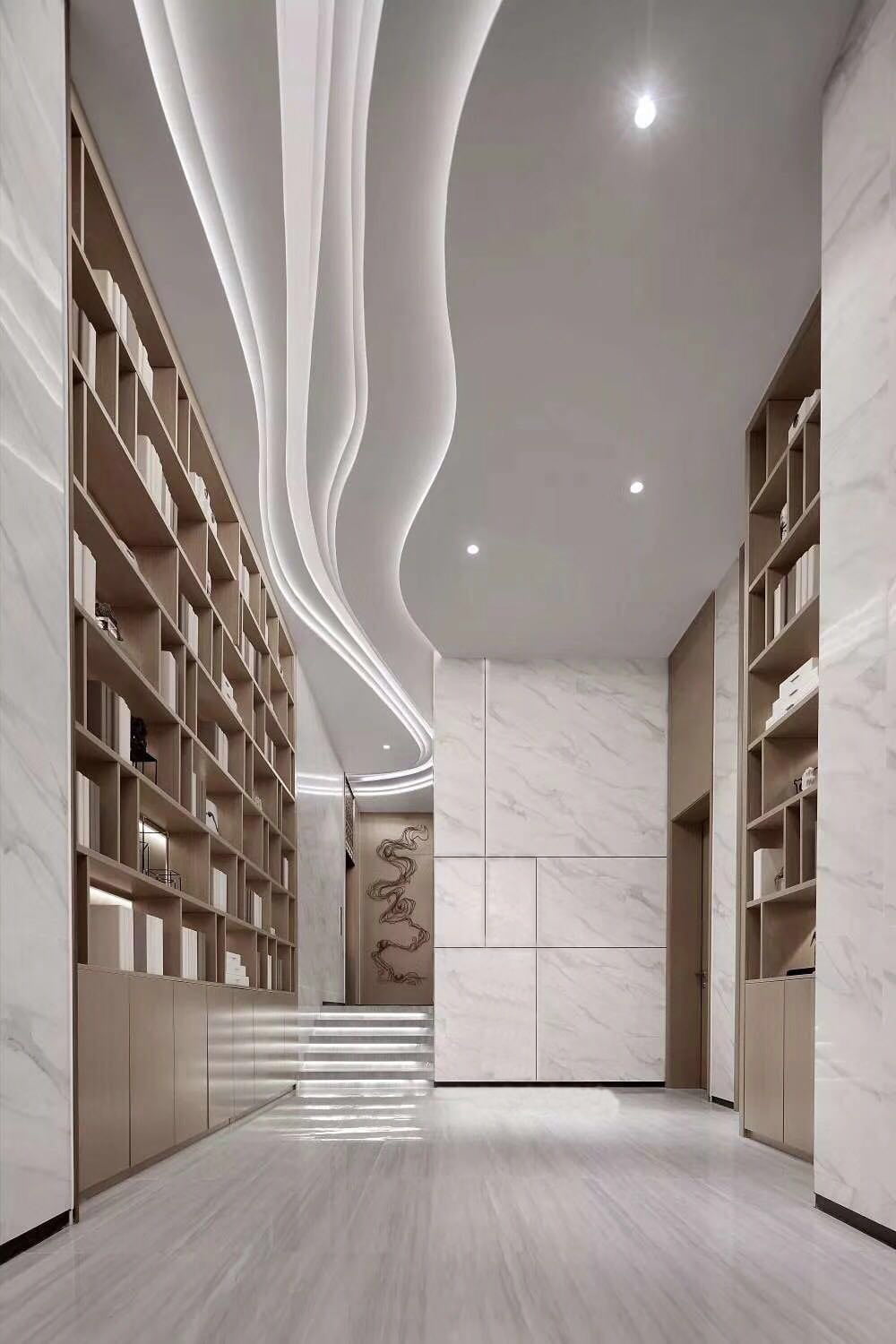
Factors Affecting Light Quality:
Quality Control Metrics
| Factor | Impact | Solution |
|---|---|---|
| LED Spacing | Light consistency | Precision manufacturing |
| Diffuser Material | Color accuracy | Premium silicone |
| Installation | Visual effect | Professional mounting |
To maintain optimal light quality:
- Test strips before installation
- Maintain consistent power supply
- Use proper mounting techniques
- Consider ambient light conditions
- Plan for color temperature consistency
Conclusion
Success with 6mm Neon Flex LED IP651 comes down to proper waterproofing, careful bending, and ensuring uniform light distribution4. Following these guidelines will help you avoid common pitfalls and achieve professional results.
Explore this link to understand the features and benefits of 6mm Neon Flex LED IP65 for your projects. ↩
Discover effective waterproofing techniques to protect your LED strips from water damage. ↩
Understand the bending limitations to avoid damaging your LED strips during installation. ↩
Find out how to ensure even light distribution for a professional finish in your lighting projects. ↩
Learn about IP65 ratings to ensure your LED installations are suitable for outdoor use. ↩
Check this resource to learn about the minimum bend radius to prevent LED strip damage. ↩
Explore the best practices for using silicone sealant to enhance the waterproofing of your LED installations. ↩
Learn how LED spacing impacts light quality and consistency in your lighting designs. ↩