


Many buyers face a frustrating problem: their newly installed LED neon flex1 starts bright but dims significantly within two months, or shows visible "dotted" effects instead of uniform illumination.
The key to long-lasting LED neon flex1 performance lies in proper heat dissipation design2. For 6x12mm compact strips running at 10W/m, you need high-density LED arrangement3 (120 LEDs/m) combined with 2oz copper FPC4 for optimal thermal management.
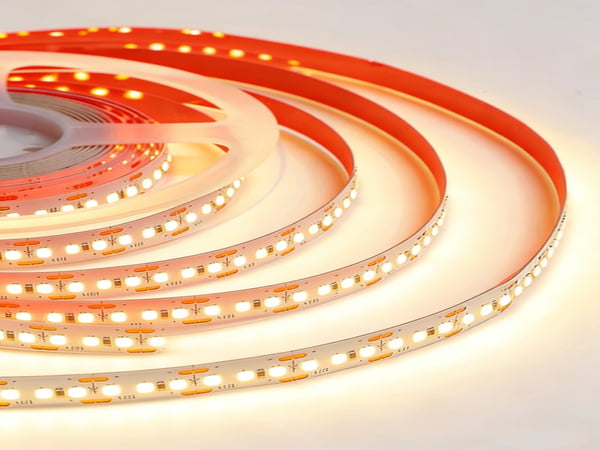
Let me share my decade of experience in LED manufacturing to help you understand why some LED neon flex1 products fail prematurely and how to choose ones that will maintain their brightness.
Why Do Some LED Neon Flex Products Dim So Quickly?
I've seen many customers disappointed when their LED installations start losing brightness within weeks. This rapid degradation often stems from manufacturers cutting corners to achieve high lumens at a lower cost.
The main causes are: insufficient heat dissipation due to 1oz FPC, oversized LED spacing5 (60 LEDs/m), and excessive current push to achieve 10W/m output. These shortcuts lead to accelerated LED degradation and uneven lighting.
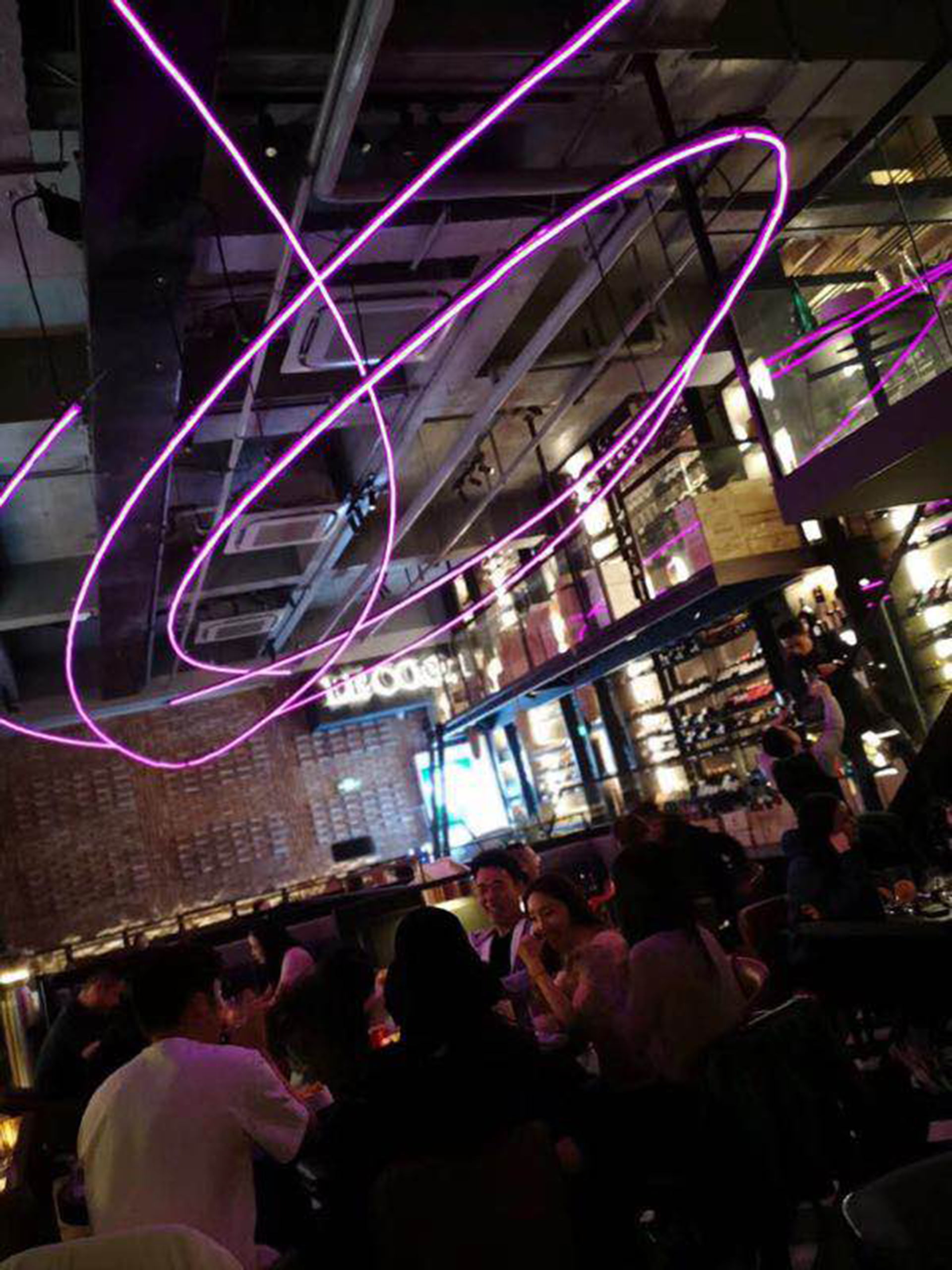
Dive deeper into these technical aspects:
1. Heat Management Challenges
The compact 6x12mm profile presents unique thermal challenges:
- Limited space for heat dissipation
- High power density in confined space
- Heat accumulation risks
2. Critical Design Parameters
| Parameter | Poor Design | Optimal Design | Impact |
|---|---|---|---|
| LED Density | 60 LEDs/m | 120+ LEDs/m | Light uniformity |
| FPC Copper | 1oz | 2oz | Heat dissipation |
| Current Load | >20mA/LED | <15mA/LED | LED lifespan |
What Makes a High-Quality LED Neon Flex Different?
Having manufactured LED lighting for over 15 years, I've learned that proper thermal management is the foundation of long-lasting performance.
Quality LED neon flex1 should feature double-sided 2oz copper FPC4 acting as a built-in heat sink, combined with high-density LED placement (120+ LEDs/m) to ensure even light distribution and stable long-term operation.
Dive deeper into the engineering solutions:
1. Thermal Management Strategy
Advanced designs incorporate:
- Double-sided copper FPC for enhanced heat spreading
- Optimized thermal paths to silicone housing
- Strategic LED placement for heat distribution
2. Performance Metrics
| Feature | Specification | Benefit |
|---|---|---|
| LED Spacing | ≤8.3mm | No visible dots |
| Copper Weight | 2oz (70μm) | Superior heat dissipation |
| Operating Temp | <60°C | Extended lifespan |
How to Verify LED Neon Flex Quality Before Purchase?
After seeing countless LED installations fail prematurely, I always recommend thorough verification before making bulk purchases.
Request actual samples for testing, verify LED density physically, and ask for thermal test reports6. A quality manufacturer should provide documentation showing stable performance over time and uniform light distribution.

Dive deeper into verification methods:
1. Essential Tests
Quality verification should include:
- Visual inspection for LED spacing5
- Thermal imaging under operation
- Extended runtime testing
- Light output measurement
2. Documentation Requirements
| Document | Purpose | Key Information |
|---|---|---|
| Thermal Report | Heat management | Max temperature |
| Light Output Test | Performance stability | Lumen maintenance |
| Material Cert | Quality assurance | FPC specifications |
Conclusion
Choose LED neon flex1 with 120+ LEDs/m density and 2oz copper FPC4 to ensure long-lasting brightness. Don't compromise on thermal management - it's the key to preventing premature dimming and maintaining uniform illumination.
Explore this resource to understand how to select high-quality LED neon flex for optimal performance. ↩
Learn about the importance of heat dissipation in LED designs to ensure longevity and brightness. ↩
Discover the benefits of high-density LED arrangements for achieving uniform illumination. ↩
Find out how 2oz copper FPC enhances heat management and improves LED lifespan. ↩
Understand the significance of LED spacing in achieving consistent light output and avoiding dimming. ↩
Learn why thermal test reports are crucial for verifying the quality and reliability of LED products. ↩