

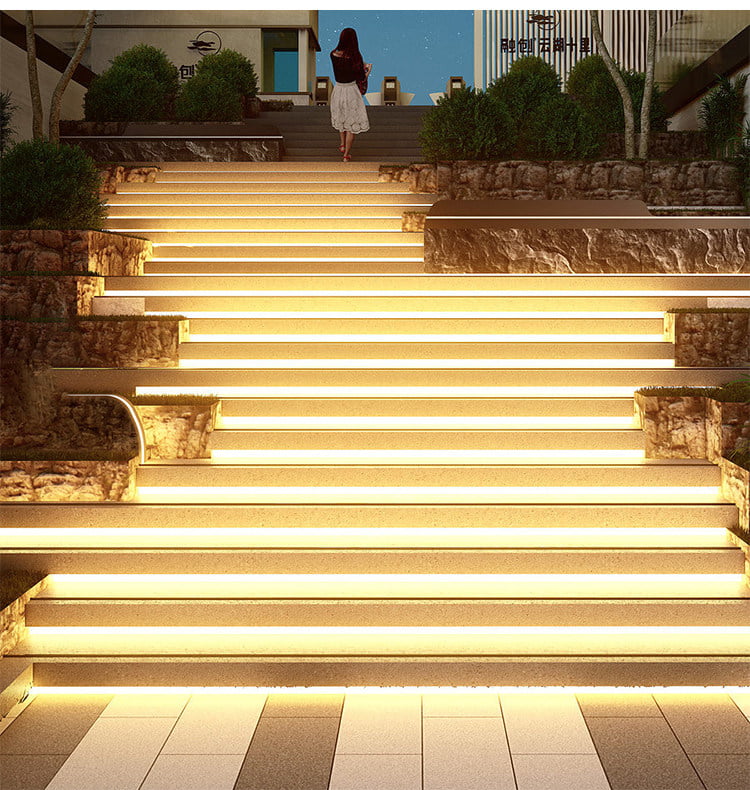
After years of manufacturing and providing engineering support for LED Neon Flex1, I've seen countless joinery installations go wrong. What seems like a simple light strip installation often hides complex challenges that can lead to uneven lighting, reduced lifespan, or costly reinstallation.
The key to successful joinery LED Neon Flex1 installation lies in three critical areas: proper bending radius2 design, adequate heat dissipation3, and precise groove measurements. Getting these right from the start will ensure even illumination, longer lifespan, and professional-looking results.
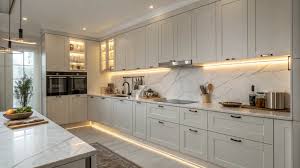
Let me share some real-world experiences that will help you avoid these hidden pitfalls, whether you're in the design phase or ready for installation. These insights come from helping countless clients solve their joinery lighting challenges.
How Does Bending Radius Affect Light Distribution?
I've seen many projects fail because the LED Neon Flex1 was forced into curves tighter than its minimum bending radius2. This creates uneven light distribution and potential damage to the LED strip.
The bending radius2 of LED Neon Flex1 must match the curvature of your joinery design. For smooth curves, use strips with a minimum 30mm radius; for sharper turns, specialized versions with 20mm radius are available. This prevents stress points and ensures uniform lighting.

When designing LED Neon Flex1 installations in joinery, several factors need careful consideration:
Factors Affecting Bending Performance:
-
Strip Width
- Standard (12mm): Suitable for gentle curves
- Mini (8mm): Better for tighter bends
- Micro (6mm): Best for intricate patterns
-
Material Composition
- High-flexibility silicone: Allows tighter bends
- Standard silicone: Better for straight runs
- Reinforced variants: Extra durability but limited flexibility
-
Installation Environment Temperature Range Recommended Minimum Radius 20°C to 30°C Standard specifications Below 10°C Add 20% to min radius Above 35°C Reduce radius by 10%
What Role Does Heat Dissipation Play in Joinery Installation?
One project I consulted on was failing because the LED strips were overheating inside wooden channels, causing significant light degradation within months of installation.
Proper heat dissipation3 requires at least 3mm air gap around the LED Neon Flex1 and ventilation holes every 50cm in enclosed wooden channels. This maintains optimal operating temperature and prevents color shifting or premature aging.
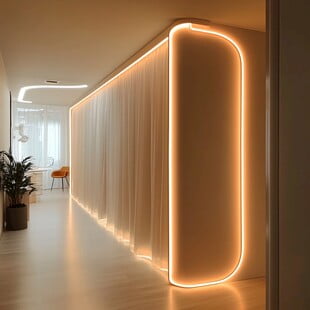
The relationship between heat management and performance is complex but crucial:
Heat Management Strategies:
-
Channel Design
- Depth: Minimum 15mm for standard strips
- Width: Strip width + 6mm for air circulation
- Ventilation: Strategic holes or gaps
-
Power Considerations Strip Type Max Run Length Required Ventilation 8W/m 10m Minimal 12W/m 8m Moderate 15W/m 5m Extensive -
Material Selection
- Use aluminum backing for better heat distribution
- Consider thermal conductive adhesives
- Implement heat sinks in high-power installations
How Critical is Groove Precision in Joinery Work?
In a recent high-end retail project, imprecise channel measurements led to visible light spots and uneven illumination. The entire installation had to be redone.
Groove precision requires exact measurements: depth should be strip height + 2mm, width should be strip width + 3mm on each side. Always use CAD drawings and CNC cutting for complex patterns to ensure perfect fit.
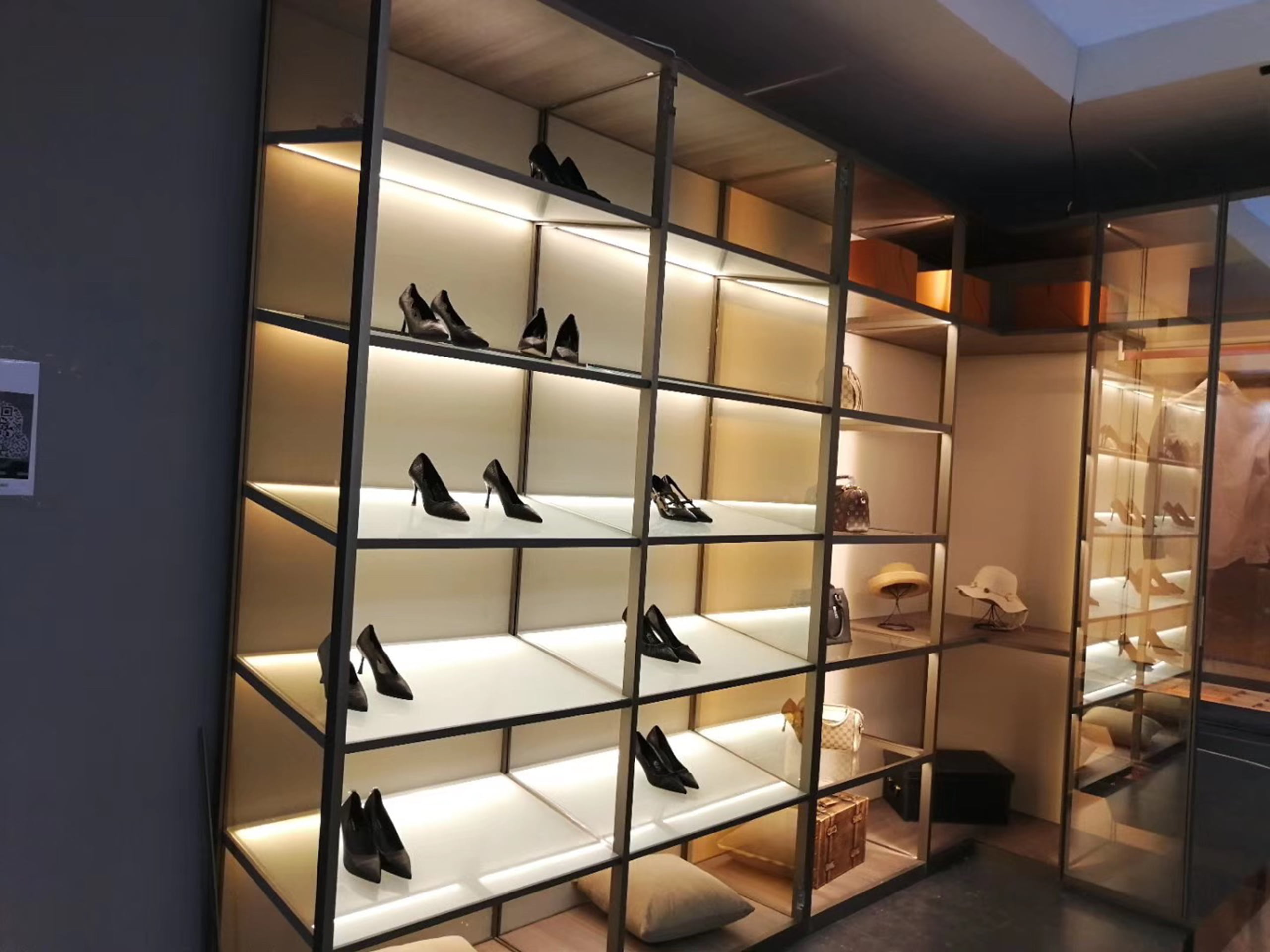
Achieving precise grooves involves several technical considerations:
Precision Guidelines:
-
Measurement Specifications Component Minimum Clearance Depth Strip + 2mm Width Strip + 6mm Corners +5mm radius -
Installation Methods
- Use mounting clips for long runs
- Apply silicone adhesive sparingly
- Create expansion gaps every 2 meters
-
Quality Control
- Test fit with sample pieces
- Verify all dimensions before cutting
- Check alignment with laser levels
Conclusion
Success with LED Neon Flex1 in joinery comes down to careful planning: proper bending radius2, adequate heat dissipation3, and precise groove measurements. These factors determine whether your installation will shine brilliantly or fail prematurely.
Discovering best practices can help you avoid common pitfalls and achieve professional results in your installations. ↩
Understanding bending radius is crucial for achieving even light distribution and preventing damage to LED strips. ↩
Exploring heat dissipation strategies can help maintain optimal performance and extend the lifespan of your LED installations. ↩