

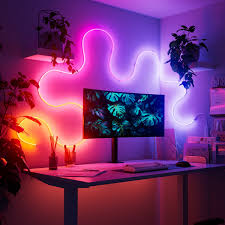
As a manufacturer, I've seen countless projects ruined by poor quality 24V 6W mini neon. The compact 6x6mm size combined with 6W power creates serious reliability issues that most buyers overlook.
The key to success with 24V 6W 6mm neon is proper thermal management1 and LED density2. You need at least 120 LEDs/m, 2oz copper FPC, and optimized heat dissipation to prevent light decay3 and ensure uniform illumination.

Let me share what I've learned from manufacturing these lights for years, so you can avoid the common pitfalls that lead to premature failure and poor performance.
What Makes 24V 6W Mini Neon So Challenging to Get Right?
The compact 6x6mm size severely limits heat dissipation, while the 6W power requirement puts tremendous thermal stress on the LEDs. This creates a perfect storm for failure.
The main challenges are managing heat in the confined space, achieving uniform light distribution with limited LED placement options, and maintaining consistent brightness over time despite thermal constraints.
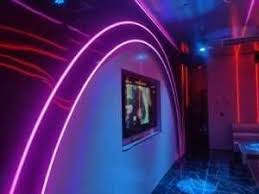
Let's break down the key technical factors that determine success or failure:
1. Thermal Management
The tiny cross-section leaves minimal room for heat dissipation. Poor thermal design leads to:
- Accelerated light decay3
- Shortened LED lifespan
- Inconsistent brightness
- Potential safety issues
2. LED Density Requirements
For uniform illumination:
- Minimum 120 LEDs per meter
- Maximum 8.33mm LED spacing
- Proper diffusion layer thickness
3. FPC Design Specifications
Critical parameters include:
- Copper thickness (2oz minimum)
- Trace width optimization
- Double-sided copper for better heat spreading
Without proper attention to these details, the product will fail prematurely no matter how carefully it's installed.
How Can You Identify Quality 24V 6W Mini Neon?
Having tested hundreds of samples, I've developed a reliable evaluation process that focuses on the critical factors that determine long-term performance.
Look for samples with uniform light distribution, minimal light decay3 after 2 hours of operation, and proper thermal management1 evidenced by cool operation. Avoid products with visible LED spots or significant temperature rise.
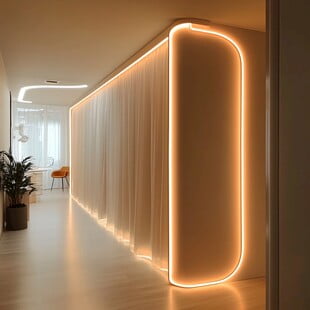
The evaluation process should include:
Visual Inspection
- Check for LED spacing uniformity
- Look for proper diffusion
- Examine FPC construction
Performance Testing
| Test Parameter | Minimum Requirement | Why It Matters |
|---|---|---|
| Light Output | >500lm/m initial | Ensures adequate brightness |
| Color Consistency | <3 SDCM | Prevents visible variation |
| Temperature Rise | <20°C above ambient | Indicates good thermal design |
Long-term Reliability Indicators
- FPC copper weight certification
- LED binning documentation
- Thermal simulation results
- Accelerated aging test data
What Installation Practices Ensure Optimal Performance?
Even the highest quality product can fail if installed incorrectly. My experience with countless installations has shown clear best practices.
Proper installation requires adequate ventilation space, secure mounting to heat-conductive surfaces when possible, and careful power supply selection to prevent voltage drop across long runs.
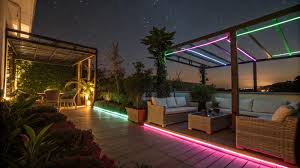
Here's what I've learned about successful installations:
Mounting Considerations
- Allow air circulation where possible
- Use aluminum channels for better heat dissipation
- Maintain minimum bend radius
Power Distribution
| Run Length | Power Supply Rating | Wire Gauge |
|---|---|---|
| 0-5m | 24V/2A | 18 AWG |
| 5-10m | 24V/4A | 16 AWG |
| 10m+ | Multiple supplies | 14 AWG |
Environmental Factors
- Ambient temperature limits
- Exposure to direct sunlight
- Moisture protection requirements
- Ventilation availability
Conclusion
Success with 24V 6W mini neon demands attention to thermal management1, LED density2, and installation practices4. Choose suppliers who understand these challenges and provide comprehensive technical support.
Understanding thermal management is crucial for ensuring the longevity and performance of LED lights. ↩
Exploring LED density can help you achieve uniform illumination and prevent light decay. ↩
Discovering the causes of light decay can help you choose better products and improve longevity. ↩
Proper installation practices are essential for maximizing the performance and lifespan of LED lights. ↩