
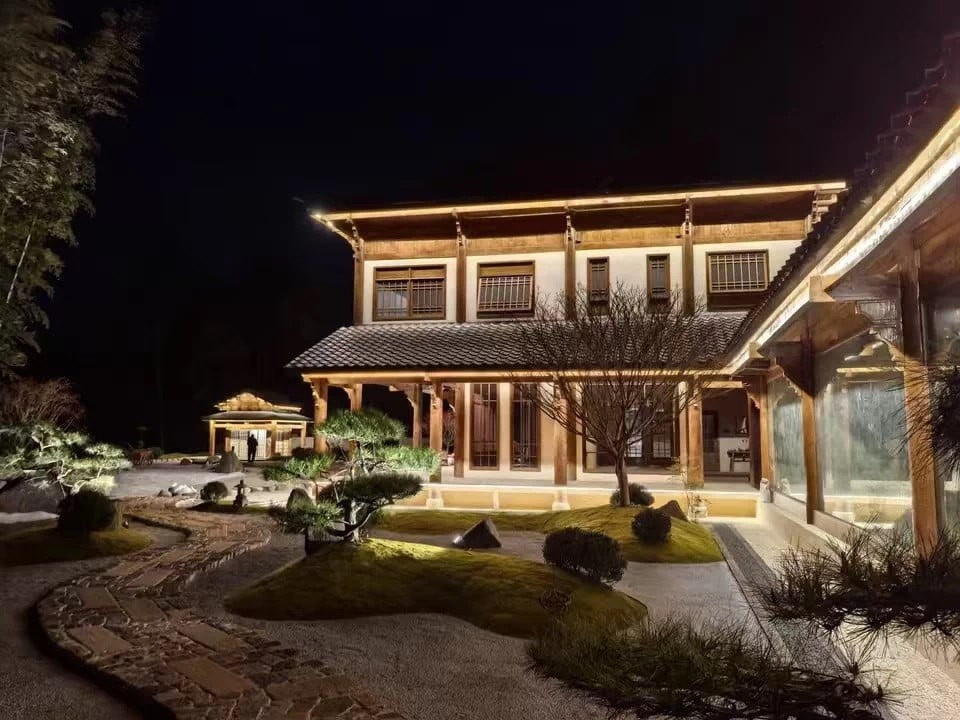
That stunning, crystal-clear LED neon flex1 you installed is now turning yellow, dimming, and showing tiny cracks. Water damage and short circuits could be next. This is a common nightmare for outdoor lighting projects.
The root cause usually isn't installation error - it's poor material quality2. Many budget LED neon flex1 products use standard PVC or low-grade solid silicone to cut costs. These materials break down under UV exposure, leading to reduced light transmission, yellowing, and eventual failure.
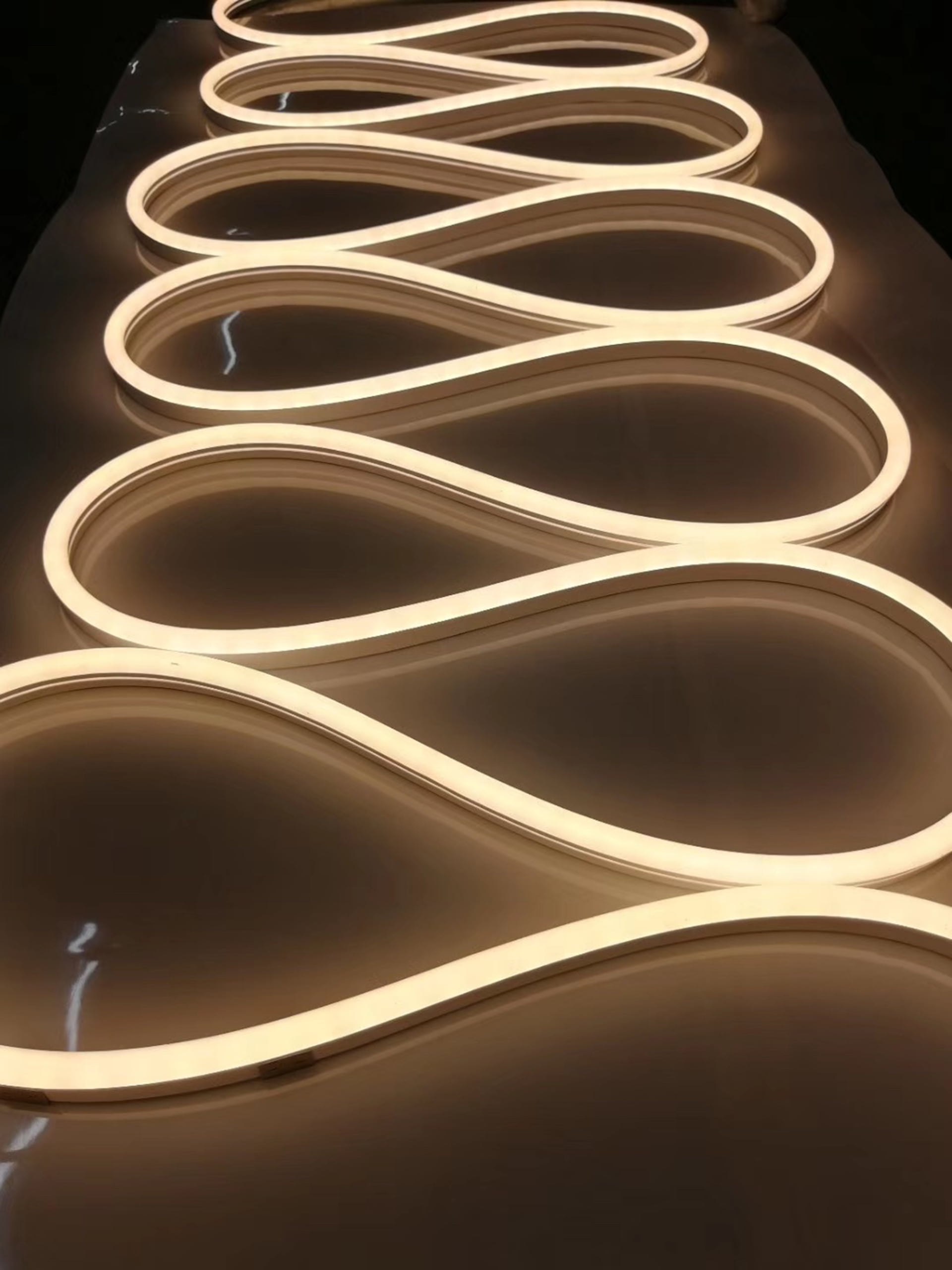
The consequences go beyond just product replacement costs. For commercial projects, you're looking at expensive reinstallation labor and potential damage to your professional reputation. Let's explore how to avoid these issues and choose materials that truly last.
What Makes Premium Silicone Neon Flex Different from Budget Options?
Every week, I see projects compromised by inferior materials. The difference in performance between basic PVC and high-grade liquid silicone rubber (LSR) is dramatic, especially in outdoor applications.
Premium silicone neon flex uses LSR (Liquid Silicone Rubber3) extrusion technology. This material offers superior UV resistance4, molecular stability, and consistent light transmission. Unlike PVC or basic silicone, it maintains clarity and flexibility for 5+ years outdoors.
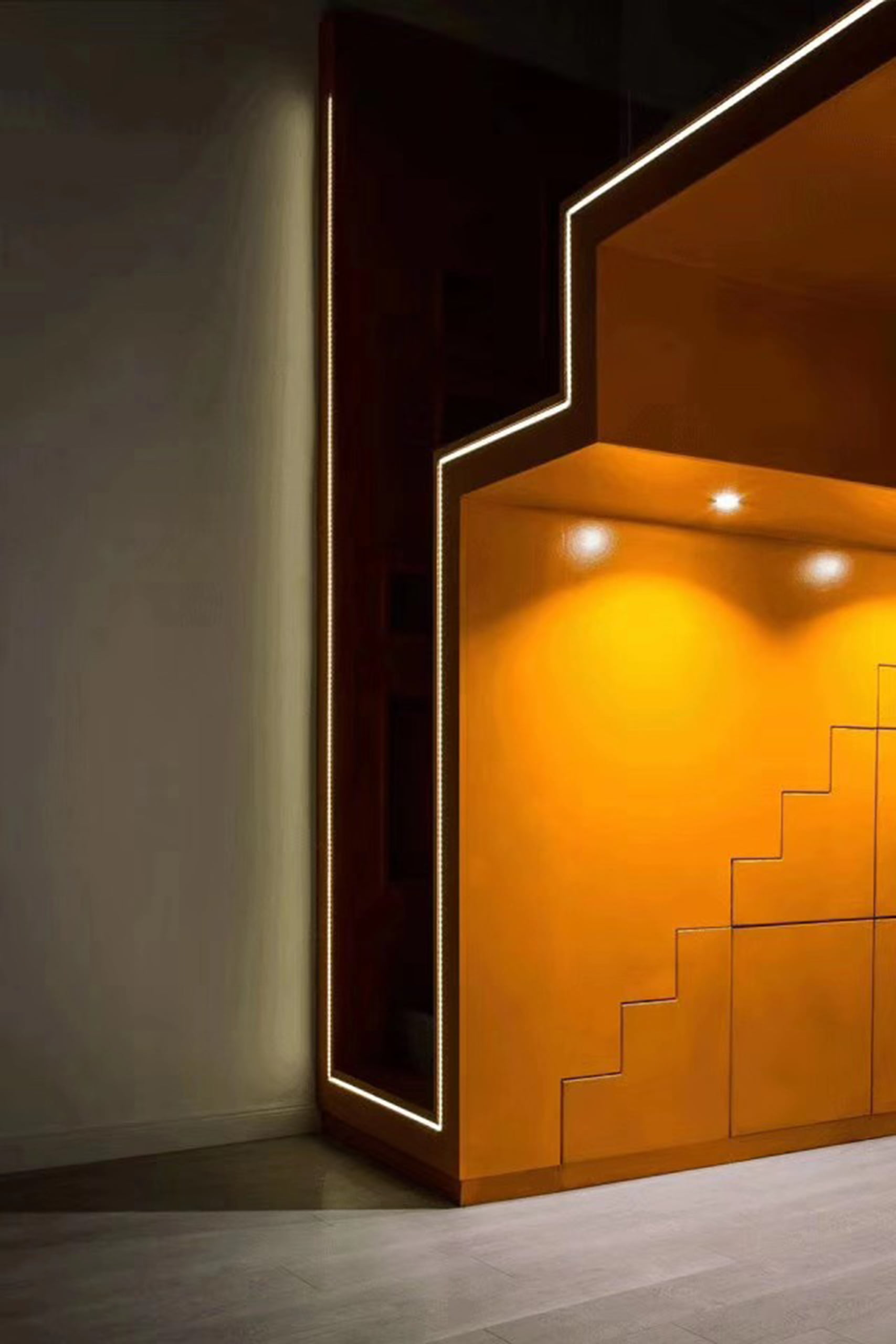
The science behind LSR's durability is fascinating. At the molecular level, LSR forms a more stable polymer network through platinum-catalyzed addition curing. This creates several key advantages:
Material Properties Comparison
| Property | Basic PVC/Silicone | Premium LSR |
|---|---|---|
| UV Resistance | 1-2 years | 5+ years |
| Temperature Range | -20°C to +60°C | -40°C to +80°C |
| Light Transmission | Degrades over time | Maintains 95%+ |
| Flexibility | Becomes brittle | Stays flexible |
| Water Resistance | Prone to cracking | Permanent seal |
These differences become especially apparent in harsh environments. While basic materials may perform adequately indoors, outdoor installations face:
- Constant UV exposure
- Temperature fluctuations
- Moisture exposure
- Physical stress
Premium LSR maintains its properties under all these conditions, making it the only reliable choice for professional outdoor applications.
How Can You Verify LED Neon Flex Quality Before Purchase?
I've seen too many projects fail because buyers focused solely on initial cost. The right verification process can prevent expensive mistakes and ensure long-term success.
Request UV aging test reports, material composition certificates, and real-world installation references5. Quality manufacturers should provide documentation showing their products maintain at least 95% light transmission after 3000 hours of UV exposure.
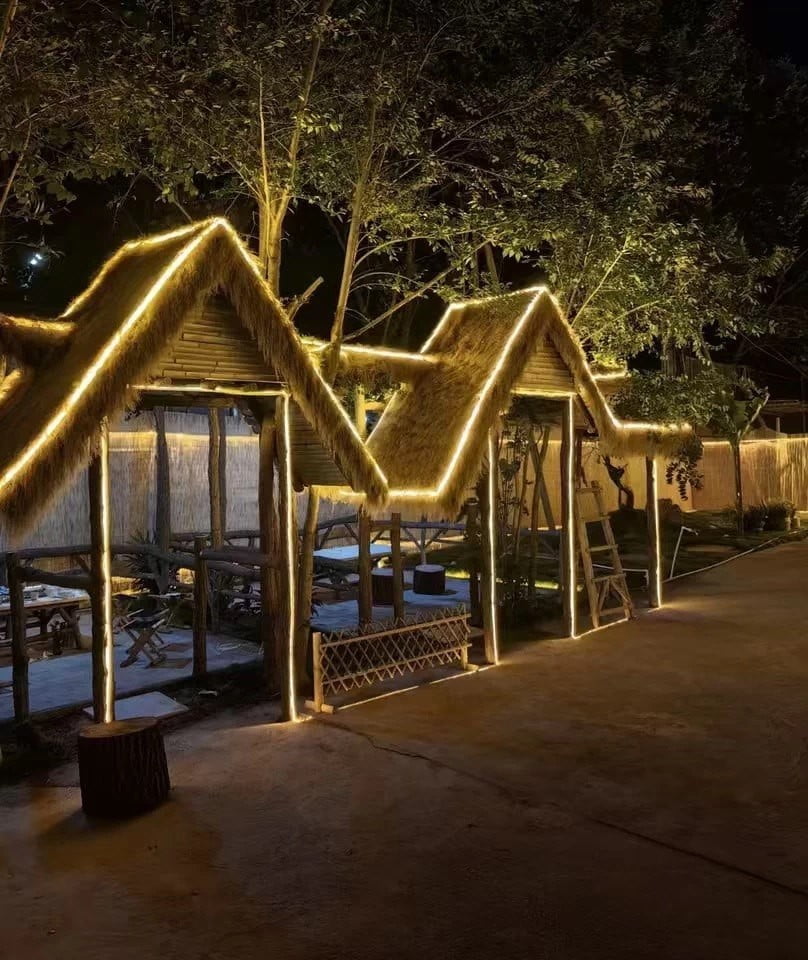
Here's a comprehensive approach to quality verification:
Documentation Checklist
-
Technical Specifications
- Material certification (LSR vs PVC)
- UV resistance4 testing reports
- IP rating verification
- Operating temperature range
-
Physical Samples
- Cross-section analysis
- Bend radius testing
- Light uniformity check
- Connection system review
-
Project References
- Similar installation examples
- Age of installations
- Performance in similar environments
- Customer testimonials
Remember to calculate total lifecycle costs6:
- Initial product cost
- Installation labor
- Expected maintenance
- Replacement frequency
- Labor for repairs/replacement
A thorough evaluation process might take more time initially, but it prevents costly failures down the line.
Conclusion
Choose LED neon flex1 made with premium LSR for long-term reliability in outdoor applications. While it may cost more initially, the extended lifespan and maintained performance make it more economical over time.
Explore the advantages of LED neon flex, including durability and energy efficiency, to enhance your outdoor lighting projects. ↩
Explore the impact of material quality on the performance and lifespan of outdoor lighting installations. ↩
Learn about Liquid Silicone Rubber's unique properties and how it revolutionizes outdoor lighting solutions. ↩
Understand the importance of UV resistance in outdoor lighting materials to prevent degradation and ensure longevity. ↩
Find out how installation references can guide you in selecting reliable lighting products for your projects. ↩
Learn about lifecycle costs to make informed decisions that save money in the long run for outdoor lighting. ↩