

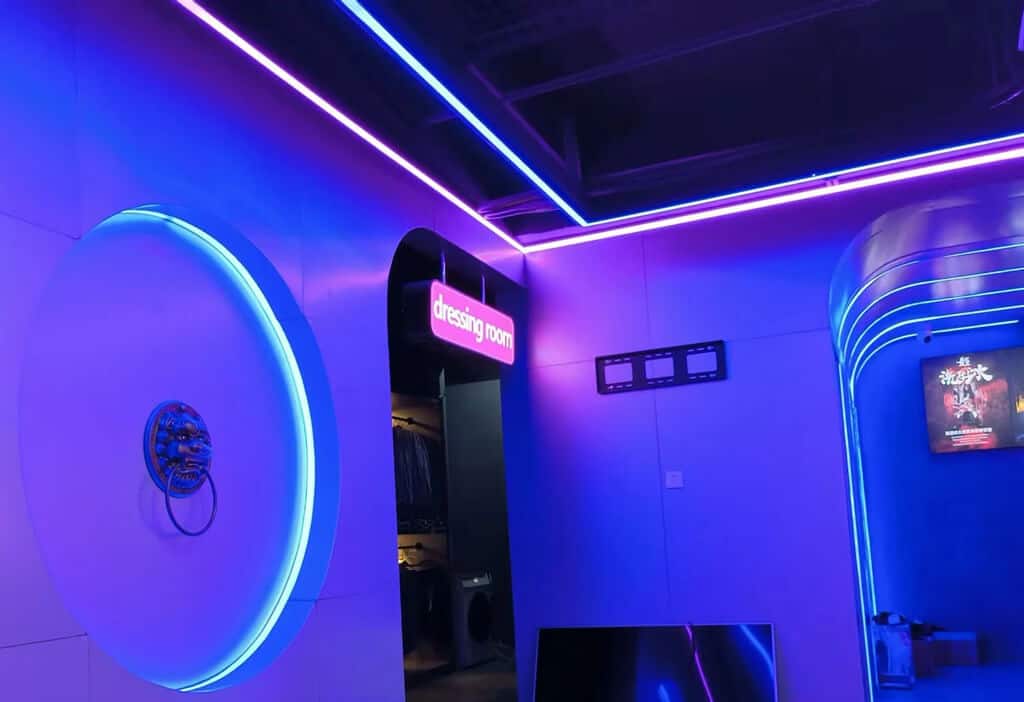
Choosing the wrong voltage for RGB Neon Flex1 can cost you far more than the product itself. I've seen countless projects fail not because of the LED strip quality, but due to one critical mistake - selecting the wrong operating voltage2.
The best voltage choice depends on your specific application: Use 12V DC for short runs under 5m, 24V DC for runs up to 15m with precise RGB control, or AC 220V/240V3 for ultra-long installations over 50m where fine color control isn't critical.

When selecting RGB Neon Flex1, most people focus only on brightness and price. However, the operating voltage2 determines your entire system's structure, voltage drop4 control, safety requirements, and long-term maintenance costs. Let me break down the key differences.
Why Does DC 12V5 RGB Neon Flex1 Often Cause Problems in Longer Runs?
I frequently see projects where 12V RGB Neon Flex1 is installed in long runs, leading to severe voltage drop4 issues. The end sections appear blue-tinted, and the brightness becomes noticeably uneven.
DC 12V5 RGB Neon Flex1 works best for short distances under 5 meters and small decorative shapes. Beyond that length, voltage drop4 causes color inconsistency, especially in RGB applications where precise color mixing is crucial.
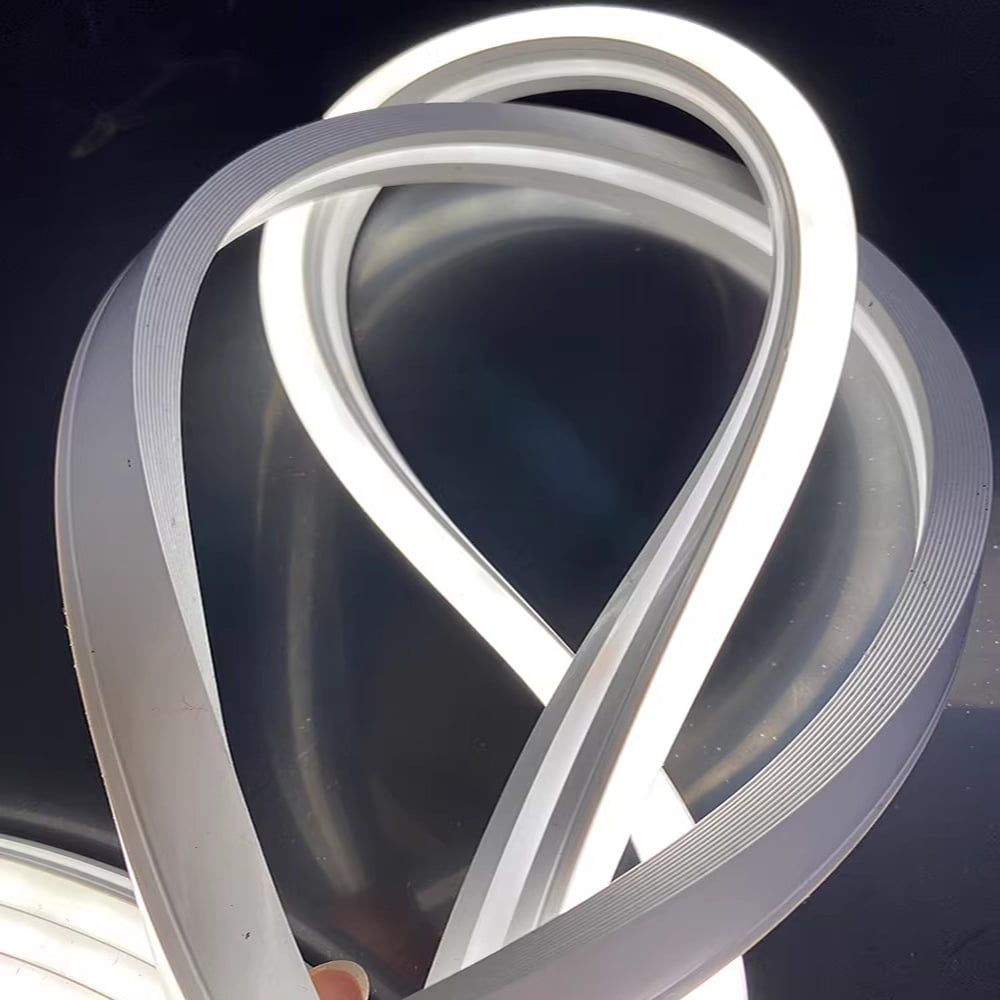
The challenge with 12V systems lies in their fundamental electrical properties. At 12V, the current needed to deliver the same power is higher compared to 24V systems. This higher current causes more significant voltage drop4 over distance. For RGB applications, this is particularly problematic because:
Current Requirements at Different Voltages
| Voltage | Current for 60W | Max Recommended Run |
|---|---|---|
| 12V DC | 5A | 5 meters |
| 24V DC | 2.5A | 15 meters |
When voltage drop4s below the required threshold, the red, green, and blue LEDs receive uneven power, resulting in color distortion. The blue LEDs typically remain more visible at lower voltages, creating an unbalanced appearance that's especially noticeable in white or mixed color settings.
What Makes DC 24V6 the Preferred Choice for Professional Installations?
After years of project experience, I've found that 24V systems consistently deliver better results in commercial and architectural applications. The higher voltage provides more stable performance in challenging conditions.
24V RGB Neon Flex1 systems offer superior color stability7, longer run lengths, and better power efficiency8. The lower current requirements9 mean less voltage drop4, making it ideal for architectural outlining and complex RGB installations up to 15 meters per run.
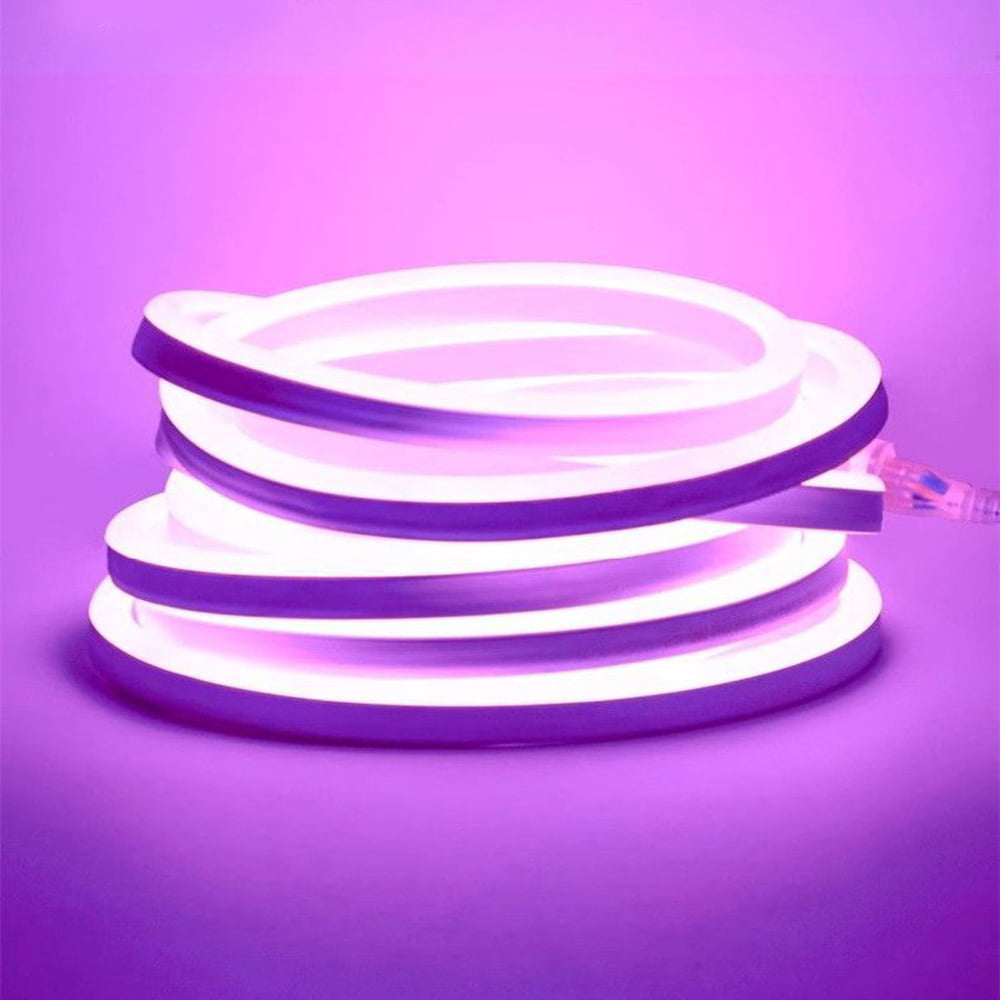
The advantages of 24V systems become clear when we examine the technical benefits:
24V System Benefits
| Feature | Advantage | Impact |
|---|---|---|
| Lower Current | Less voltage drop4 | More consistent colors |
| Higher Voltage | Longer runs possible | Fewer power supplies needed |
| Better Stability | More reliable dimming | Smoother animations |
Professional installers prefer 24V systems because they provide more flexibility in design while maintaining color accuracy. The initial cost might be slightly higher, but the long-term benefits in reliability and maintenance make it more cost-effective.
When Should You Consider AC 220V/240V3 RGB Neon Flex1?
The appeal of AC-powered RGB Neon Flex1 often comes from the convenience of direct mains connection, but this convenience comes with important tradeoffs that need careful consideration.
AC 220V/240V3 RGB Neon Flex1 is best suited for extremely long runs exceeding 50 meters where precise color control isn't critical. It offers simplified power distribution but has limitations in cutting length and dimming capabilities.

Working with AC systems requires understanding several key factors:
AC System Considerations
| Aspect | Limitation | Solution |
|---|---|---|
| Cutting Length | Typically 1-2 meters | Plan installation carefully |
| Control Options | Limited RGB control | Use simpler lighting effects |
| Safety Requirements | Higher voltage protection needed | Professional installation required |
The decision to use AC systems should be based on specific project requirements rather than installation convenience alone. While they excel in certain applications, they may not provide the fine control needed for sophisticated lighting designs.
Conclusion
Choose 24V DC for most professional RGB installations, 12V DC only for short decorative runs, and AC 220V/240V3 for extremely long distances where precise color control isn't essential.
Explore this link to understand the versatility and applications of RGB Neon Flex in various projects. ↩
Learn about the significance of operating voltage in LED systems and how it affects performance. ↩
Explore the pros and cons of using AC 220V/240V for long-distance LED installations. ↩
Discover the causes of voltage drop in LED installations and effective solutions to mitigate it. ↩
Find out why DC 12V may not be suitable for longer runs and the issues it can cause. ↩
Understand the advantages of using DC 24V for better performance in RGB applications. ↩
Learn how voltage impacts color consistency and stability in LED lighting systems. ↩
Discover the importance of power efficiency in LED systems and how it affects overall performance. ↩
Get insights into the current needs for various LED voltages and their implications. ↩