

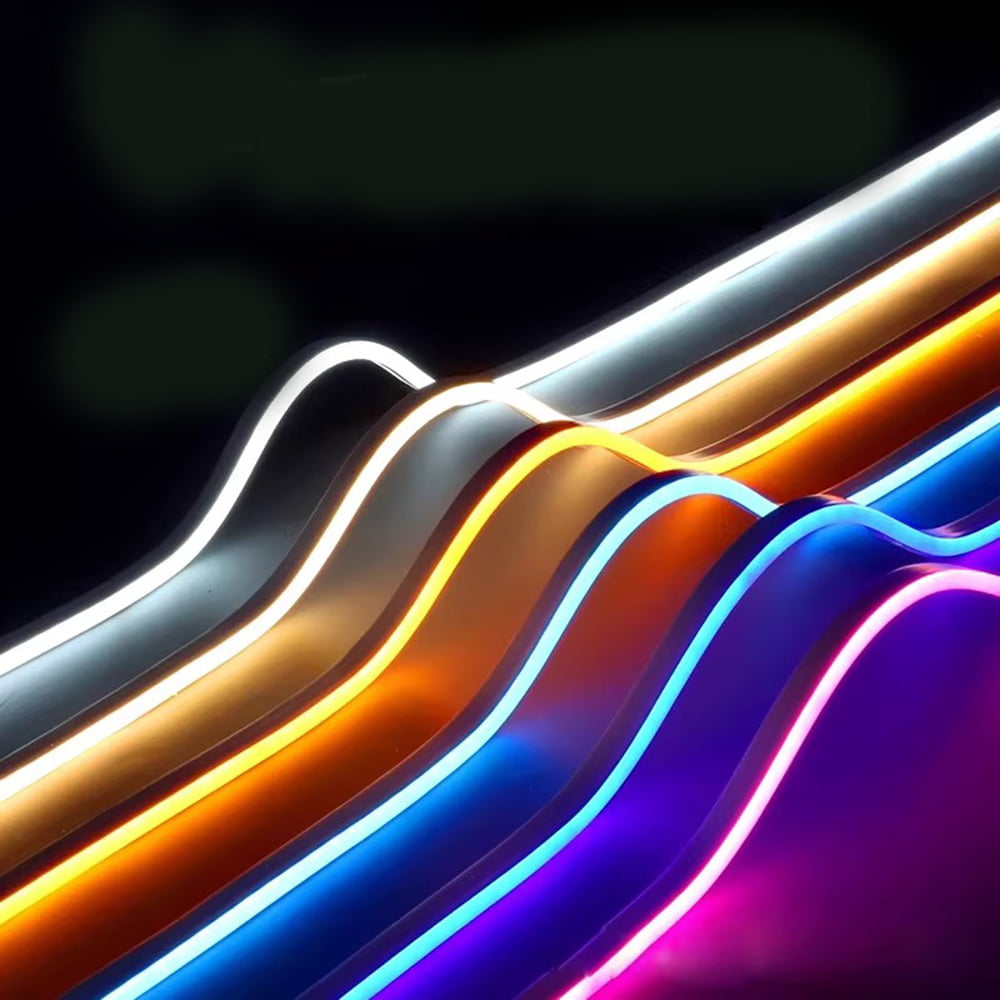
Time is money in commercial lighting projects. While Quick Connect LED neon flex promises faster installation, I've seen many cases where poor connection design led to costly repairs and maintenance headaches down the road.
Quick Connect LED neon flex can significantly reduce installation time and labor costs when properly designed with stable mechanical locking, sufficient conductive area, and integrated waterproofing. However, cutting corners on connection quality often leads to flickering, water damage and color inconsistency issues.

I've spent years working with various quick connect systems in commercial lighting projects. Today, I'll share the common pitfalls I've encountered and how to avoid them to truly achieve efficiency without compromising reliability.
Is "Solder-Free" Really Problem-Free in Quick Connect Systems?
Many contractors are drawn to quick connect systems because they eliminate soldering. But last month, I had to troubleshoot a hotel project where sections started flickering just 3 months after installation.
The main failure point of solder-free connections is insufficient pin contact pressure. Over time, thermal cycling can cause micro-movements that lead to intermittent flickering. Quality quick connect systems must have mechanical locking mechanisms and proper pin plating thickness.
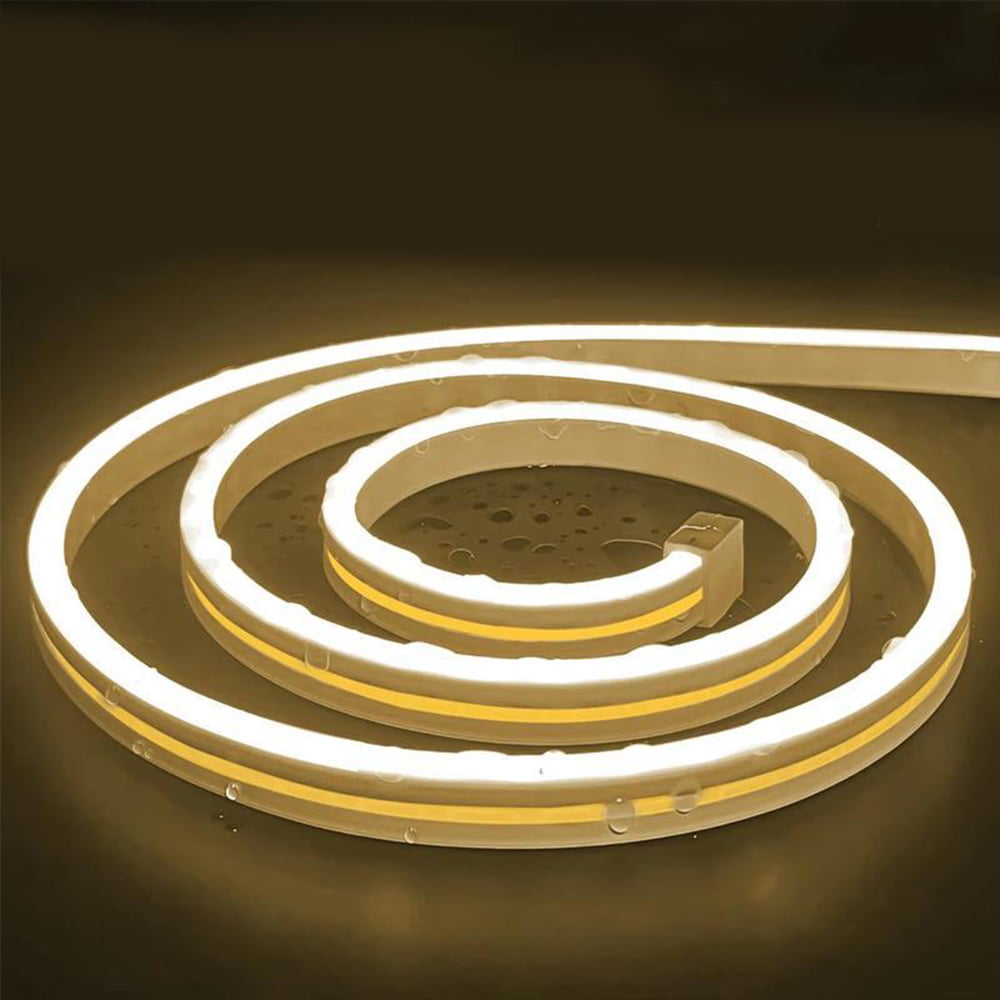
The key to reliable solder-free connections lies in the mechanical design details. Here's what I've learned makes the biggest difference:
Critical Design Elements for Stable Connections
-
Pin Contact Design
- Multi-point contact surface
- Spring-loaded mechanism
- Gold-plated contact points
- Minimum 3μm plating thickness
-
Locking Mechanism
- Positive mechanical lock
- Audible/tactile engagement
- Strain relief features
- Anti-rotation design
-
Quality Control Measures Test Parameter Requirement Purpose Pull Force >3kg Prevent accidental disconnection Thermal Cycling -40°C to 60°C Verify long-term stability Vibration Test 10-55Hz Ensure transport durability Contact Resistance <0.02Ω Maintain electrical performance
I always recommend doing a gentle pull test after installation to verify proper engagement. A properly designed quick connect system should provide both ease of installation and long-term reliability.
Does IP Rating Really Matter for Quick Connections?
Just last week, I inspected an outdoor facade project where water damage occurred at connection points despite the LED strip having an IP67 rating. The quick connectors only had basic silicone covers.
A quick connect system's waterproof rating must match the LED strip's IP rating across the entire assembly. This requires integrated gaskets, proper sealing design, and often additional sealant application for outdoor installations.
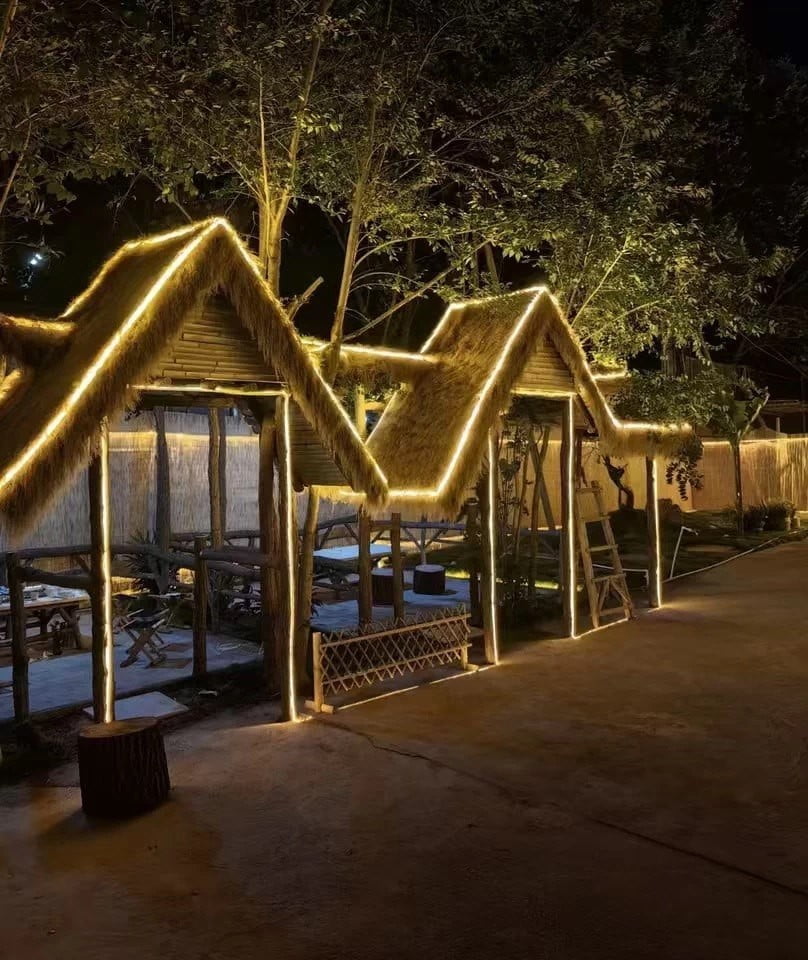
When it comes to waterproofing quick connect systems, I've found these factors to be critical:
Comprehensive Waterproofing Strategy
-
Connection Design
- Double O-ring seals
- Threaded compression fittings
- UV-resistant materials
- Integrated strain relief
-
Installation Requirements Environment Protection Level Additional Measures Indoor IP20 Basic dust protection Outdoor covered IP65 Rain/splash resistance Direct exposure IP67 Full immersion capable Marine IP68 Enhanced corrosion protection -
Maintenance Considerations
- Regular inspection points
- Accessible connections
- Replaceable seals
- Clear maintenance procedures
From my experience, proper waterproofing at connections is often the difference between a 5+ year lifespan and early failure.
Can Quick Connect Handle High Current RGB Applications?
I recently consulted on a retail project where RGB strips showed color inconsistency after just weeks of operation. The quick connect system wasn't designed for the current load.
Quick connect systems typically have less contact area than soldered joints. For RGB or high-power applications, connections must be sized appropriately for the current load to prevent heating, color shifting, and oxidation issues.

Here's what I've learned about designing reliable high-current quick connections:
Current Management Best Practices
-
Design Parameters
- Maximum current per pin
- Contact surface area
- Heat dissipation
- Voltage drop considerations
-
Load Specifications Type Max Current Max Run Length Single Color 4A 10m RGB 3A/channel 5m High Power 5A 8m Digital 2A 15m -
Installation Guidelines
- Segmented power injection
- Parallel connections for high loads
- Temperature monitoring points
- Proper cable sizing
I always recommend calculating total power draw and planning connection points accordingly to ensure long-term stability.
Conclusion
Quick Connect LED neon flex can deliver genuine time savings, but only when the system design prioritizes connection stability, waterproofing, and proper current handling. Choose mature products with proven track records.