

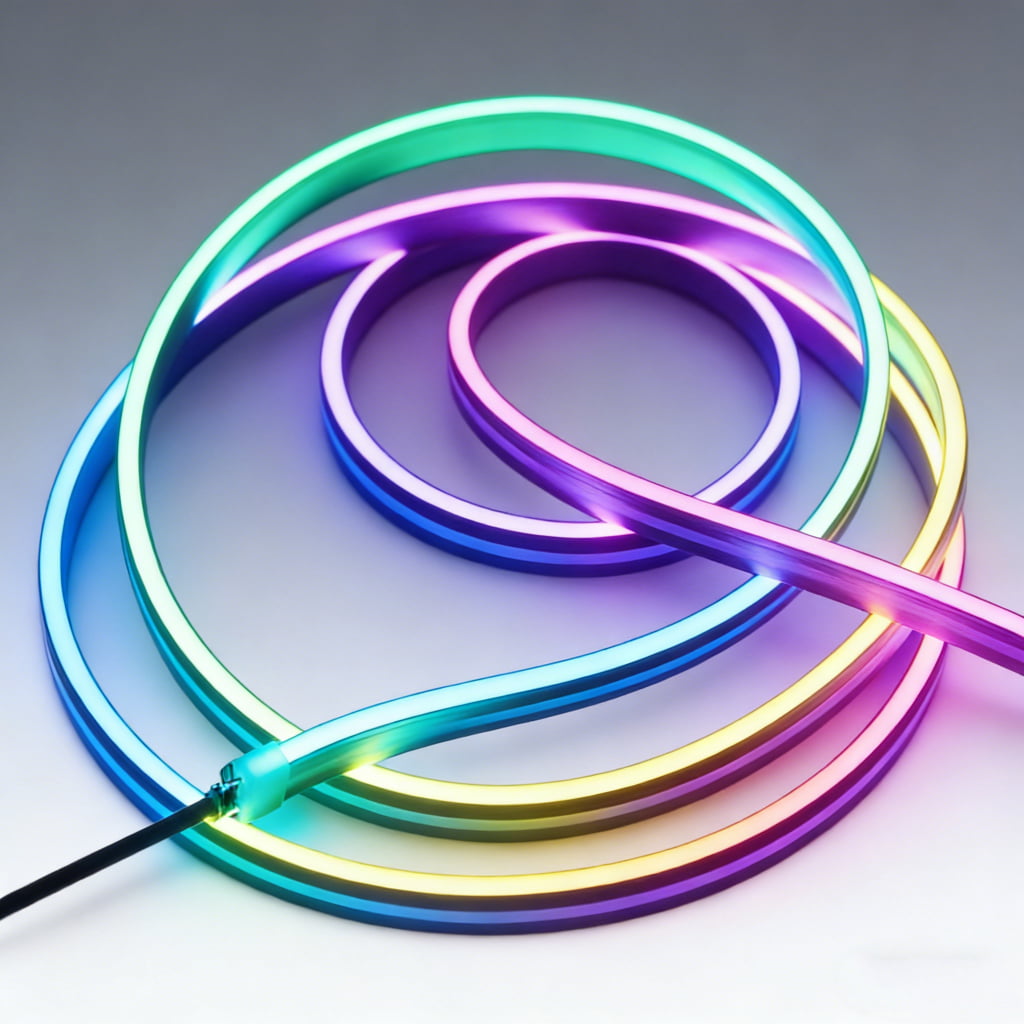
Many lighting designers assume that LED neon flex1 with lower power ratings like 10W must be inherently stable and reliable. However, after years of experience, I've discovered this common misconception can lead to serious problems.
The combination of 6x12mm size, 12V system, and 10W power rating requires careful design considerations. Key factors include voltage drop2 over distance, heat dissipation3 in the compact structure, and proper installation methods4 to ensure stable long-term performance.
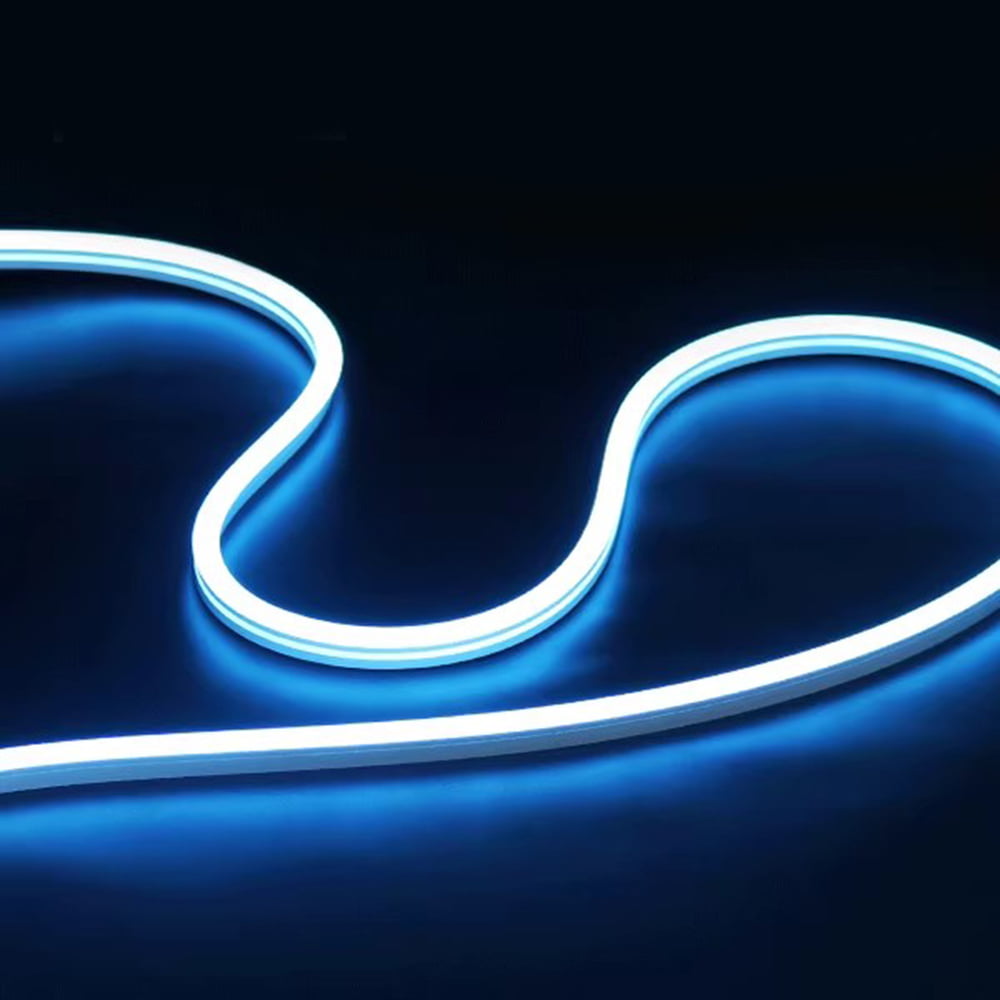
Having worked on countless LED neon flex1 projects, I've encountered numerous cases where underestimating these technical aspects led to costly repairs and replacements. Let me share the most critical issues I've discovered and how to avoid them.
Why Does Voltage Drop Matter So Much in 12V Systems?
One of the most frustrating issues I see is when beautiful lighting installations start showing uneven brightness after installation. This happens because many people underestimate voltage drop2 in 12V systems.
In 12V systems, especially with 10W power consumption, the current draw5 is relatively high. This leads to noticeable voltage drop2s over longer runs, causing dimming at the far end and potential color shifting6 - an effect that becomes obvious beyond 5-meter lengths.
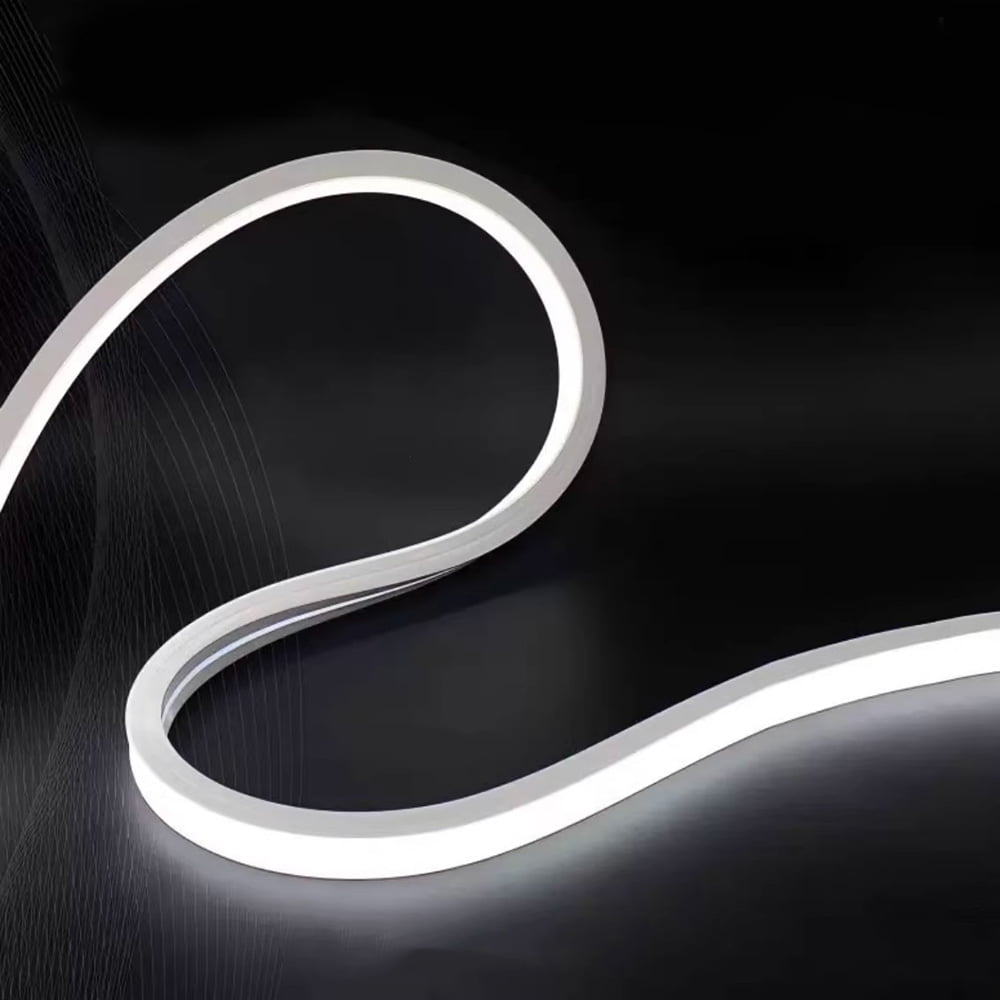
The physics behind this is straightforward but often overlooked in project planning. When current flows through a conductor (like the PCB traces7 in LED neon flex1), it encounters resistance. This resistance causes voltage drop2, which increases with:
Distance Impact on Voltage Drop
| Length (m) | Typical Voltage Drop (V) | Effect on Performance |
|---|---|---|
| 0-3 | 0.2-0.5 | Minimal impact |
| 3-5 | 0.5-1.0 | Slight dimming |
| 5+ | 1.0+ | Significant dimming |
To maintain optimal performance, consider these critical factors:
- Keep single-feed runs under 5 meters
- Use double-ended power injection for longer runs
- Select PCB with adequate copper thickness (2oz minimum)
- Add 20% power supply overhead
How Can Heat Become a Problem in Just 10W?
Many clients tell me "It's only 10 watts, how hot could it get?" Then they encounter unexpected failures months later.
The compact 6x12mm profile creates unique thermal management8 challenges. Without proper heat dissipation3 paths, even 10W can cause significant temperature rise, leading to accelerated aging, color shift, and reduced lifespan.
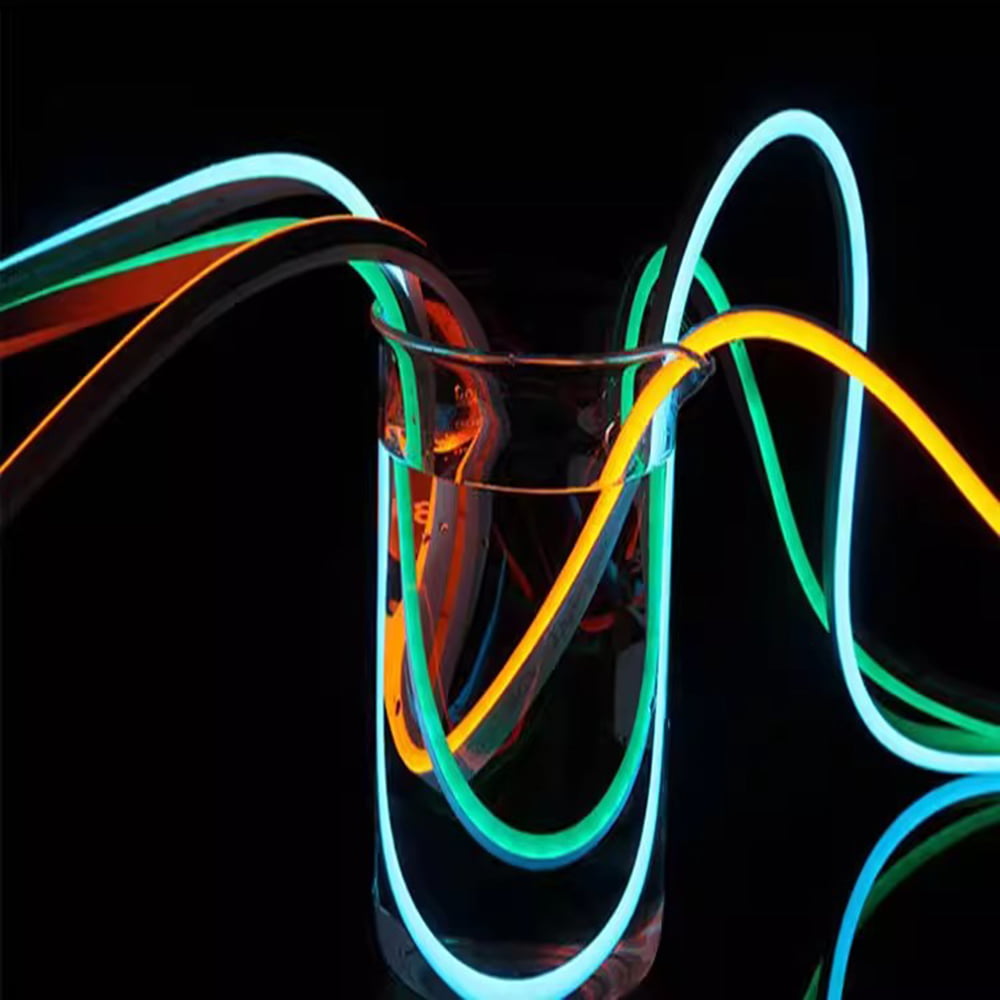
Understanding heat management in LED neon flex1 requires considering multiple factors:
Temperature Impact Analysis
| Installation Method | Temperature Rise (°C) | Lifespan Impact |
|---|---|---|
| Open Air | 15-20 | Minimal |
| Aluminum Channel | 20-25 | Moderate |
| Enclosed Space | 30-40 | Severe |
To ensure proper thermal management8:
- Avoid completely enclosed installations
- Use aluminum channels for heat dissipation3
- Limit continuous run lengths
- Choose high-quality LED chips with better thermal properties
- Allow adequate ventilation space
What Makes the Bending Direction So Critical?
The compact size that makes 6x12 LED neon flex1 attractive also makes it more sensitive to installation stress.
The 6x12mm profile is designed for side-bending with a minimum radius of 30mm. Incorrect bending direction9 or twisting can cause internal damage to PCB traces7 and LED connections, leading to immediate or delayed failure.
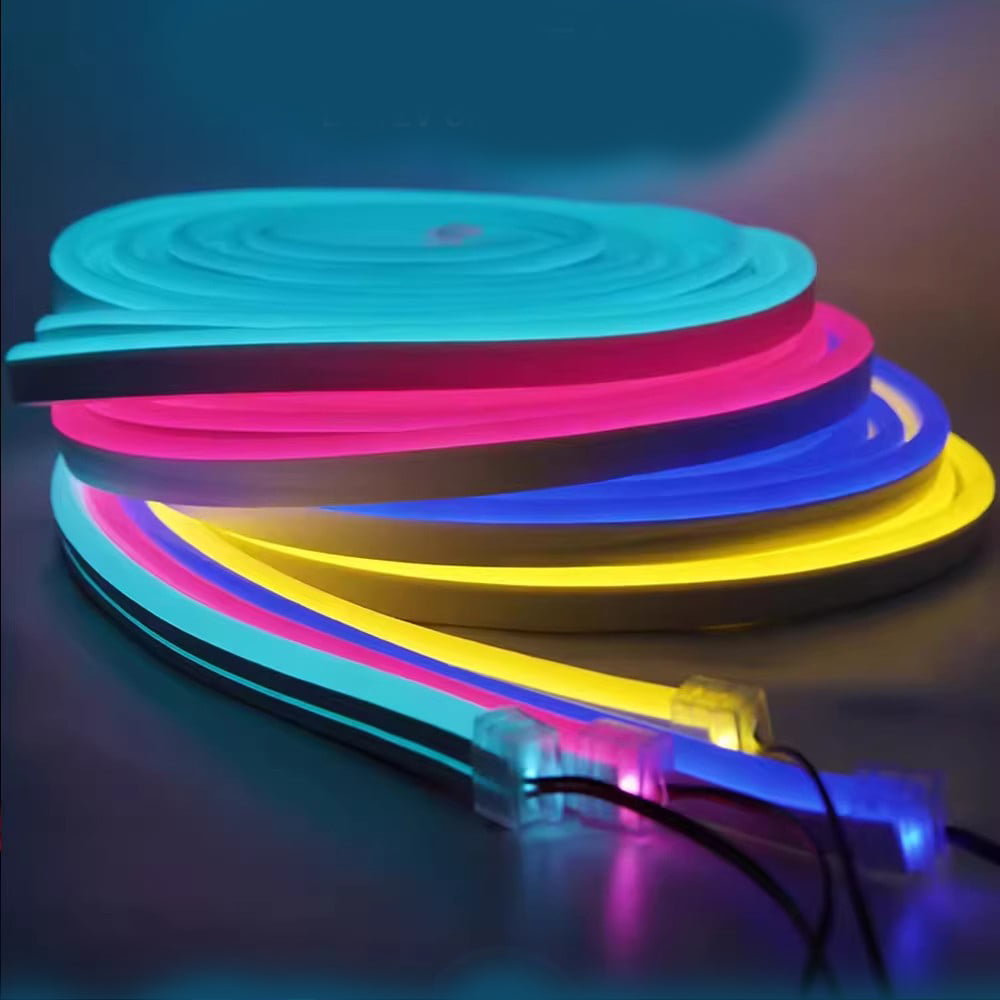
Through extensive testing and field experience, we've identified critical bending parameters:
Bending Guidelines
| Direction | Minimum Radius | Risk Level |
|---|---|---|
| Side Bend | 30mm | Low |
| Vertical | Not Recommended | High |
| Twisting | Prohibited | Extreme |
How Critical Is Power Supply Selection?
Even simple single-color installations can develop flickering issues with improper power supply selection10.
A stable power supply system requires careful matching of output characteristics with LED load requirements. Improper selection can lead to flickering, premature aging, and system instability.
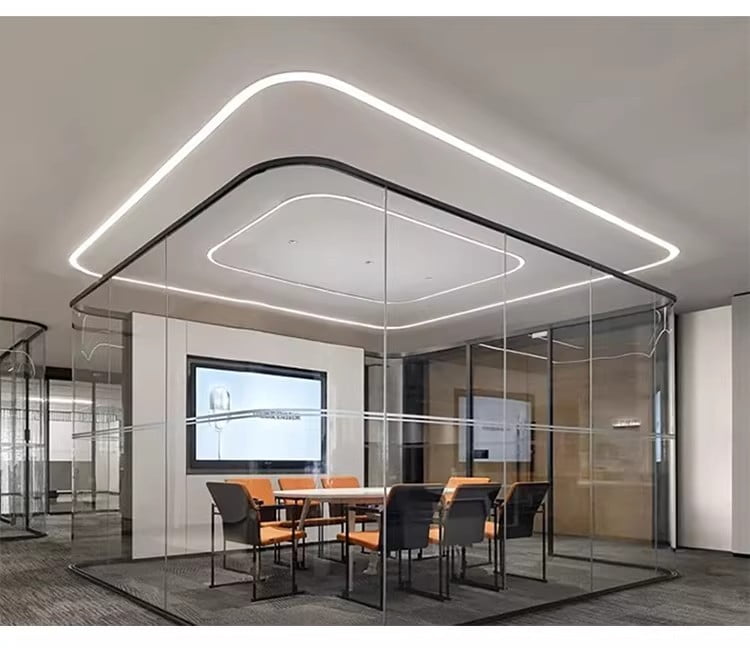
Our testing has revealed important power supply considerations:
Power Supply Specifications
| Parameter | Recommendation | Reason |
|---|---|---|
| Output Voltage | 12V ±0.5V | Stability |
| Power Rating | 120% of load | Headroom |
| Ripple Current | <5% | Prevents flicker |
Conclusion
While LED Neon Flex 6x12 12V 10W appears simple, successful implementation requires careful attention to voltage drop2, heat management, installation methods4, and power supply selection10. Understanding these factors helps prevent costly failures.
Explore the advantages of LED neon flex for innovative and energy-efficient lighting solutions. ↩
Learn about the impact of voltage drop on performance and how to mitigate its effects. ↩
Discover techniques to manage heat in LED systems for improved longevity and performance. ↩
Find expert tips on installation methods to ensure optimal performance and reliability. ↩
Discover how current draw influences LED performance and what to consider in design. ↩
Find out the reasons behind color shifting in LED systems and how to prevent it. ↩
Explore the function of PCB traces in LED systems and their impact on performance. ↩
Understand the importance of thermal management for enhancing the lifespan of LED products. ↩
Learn about the critical bending guidelines to avoid damaging your LED neon flex. ↩
Get insights on selecting the right power supply to prevent flickering and ensure stability. ↩