

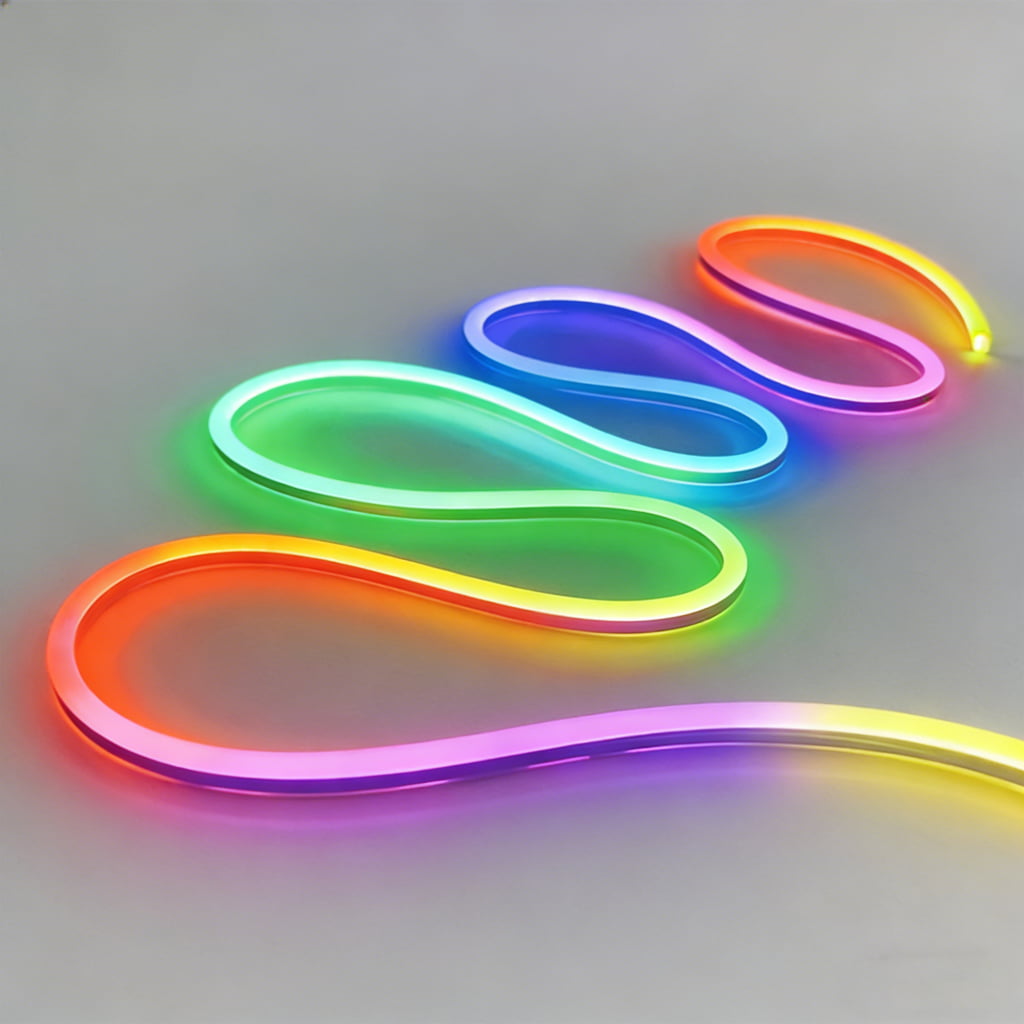
Every week, I see projects fail because of one simple mistake - choosing the wrong voltage system for RGB Neon Flex1. While everyone focuses on color effects, they overlook the power supply2 structure that determines long-term stability.
The choice between DC (12V/24V)3 and AC (220V/240V)4 RGB Neon Flex1 depends on your specific application. For runs under 5m requiring precise control, use 24V DC. For long distances over 50m, AC systems are more efficient.
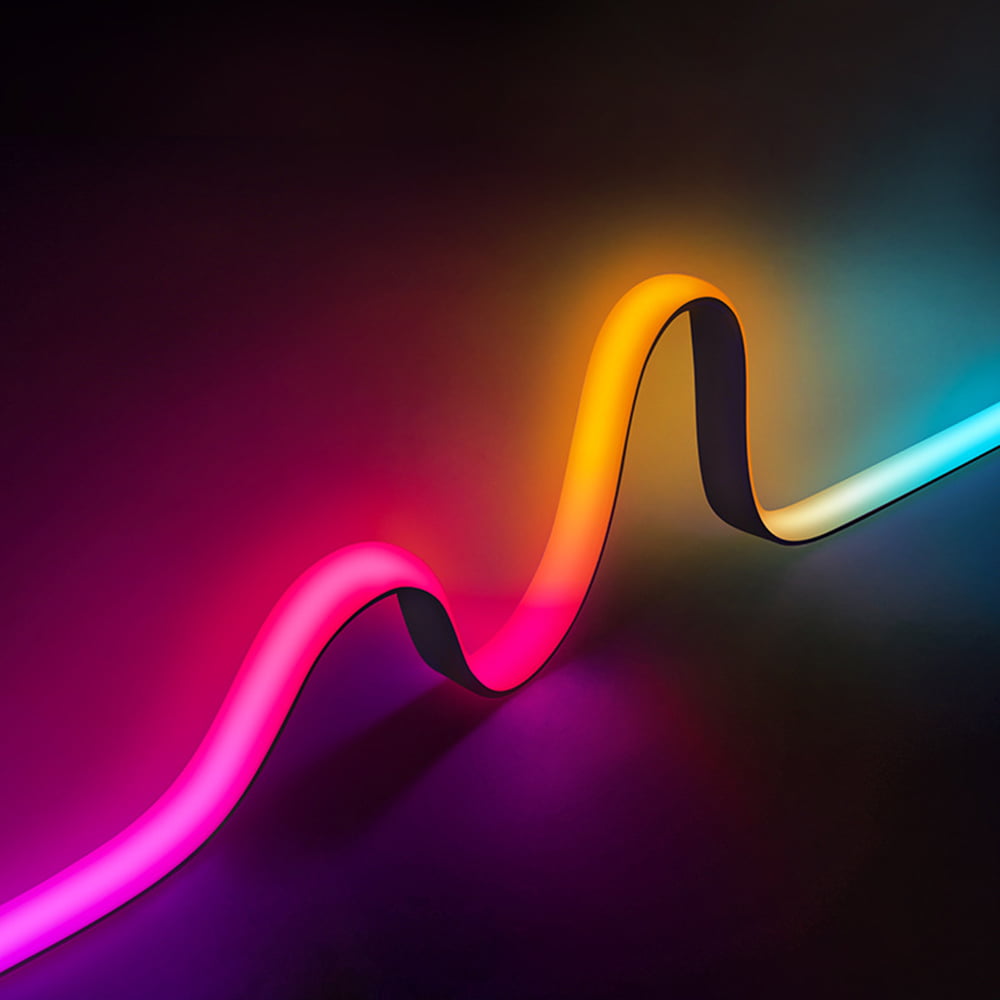
Let me share what I've learned from working with hundreds of RGB Neon Flex1 installations. I've seen projects look perfect during testing, only to develop issues after installation - from dim ends to color synchronization5 problems.
Why Does DC 12V Often Lead to Voltage Drop Issues?
Many choose 12V DC systems because they're common and cost-effective. But I've witnessed countless projects where this choice led to serious problems, especially in medium to long-distance applications.
12V DC systems experience significant voltage drop6 over distances beyond 5 meters, causing uneven brightness and color shifting. The high current draw creates more resistance, leading to performance issues at the end of longer runs.
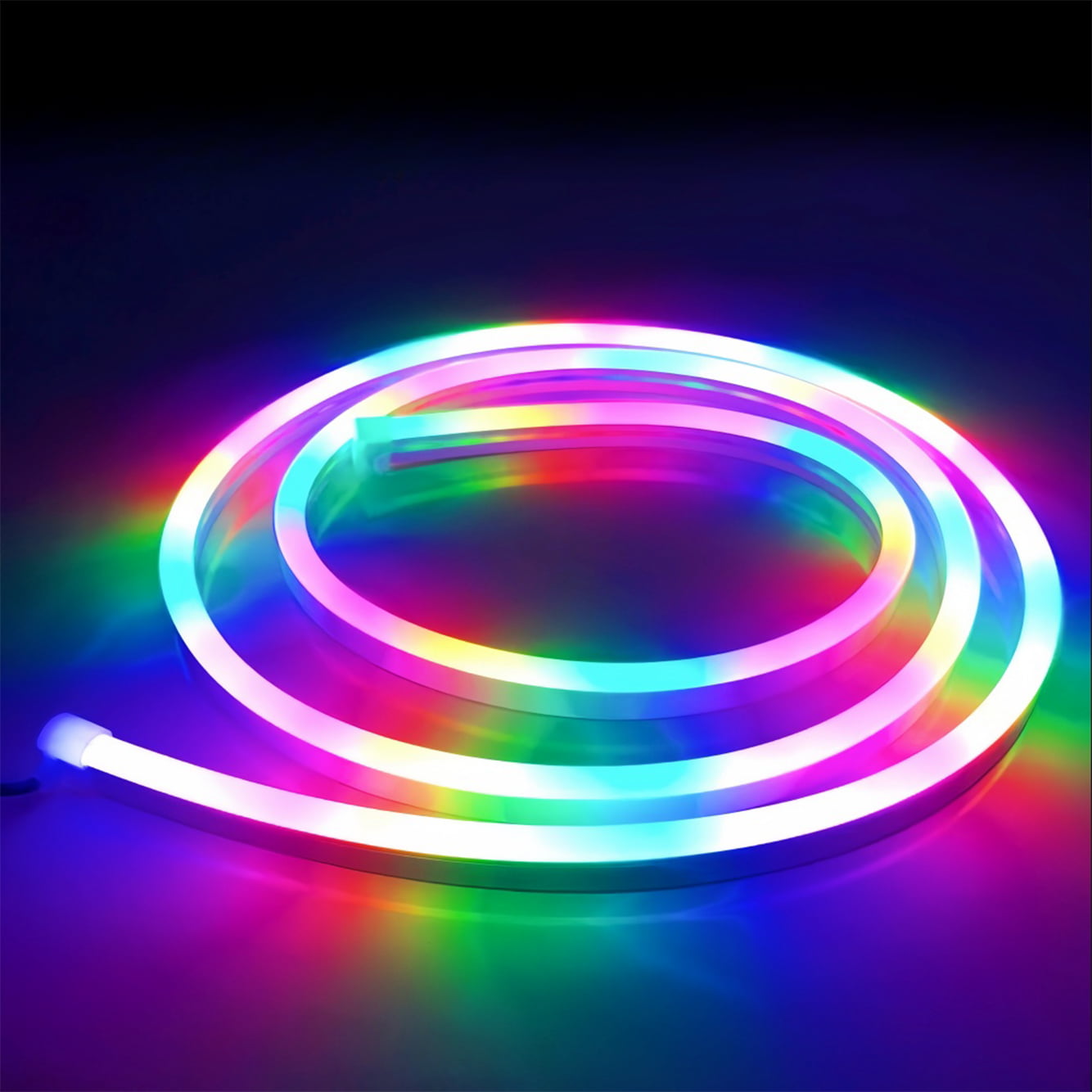
Let me break down why 24V DC is often a better choice for RGB applications:
Current Draw Comparison
| Voltage System | Current Draw | Max Recommended Length | Color Consistency |
|---|---|---|---|
| 12V DC | High (≈1.5A/m) | 5 meters | Moderate |
| 24V DC | Medium (≈0.75A/m) | 10 meters | Excellent |
The physics is simple - at 24V, we're pushing half the current through the system compared to 12V for the same power output. This results in:
- Reduced voltage drop6
- Better color synchronization5
- More stable performance
- Lower heat generation
- Longer maximum runs
When Should You Choose AC 220V/240V Systems?
I often see designers automatically choosing AC systems for all large projects, but this isn't always the best approach.
AC systems excel in long-distance applications (50m+) and simplify installation by reducing power supply2 points. However, they have larger cutting intervals and limited dimming/control options compared to DC systems.
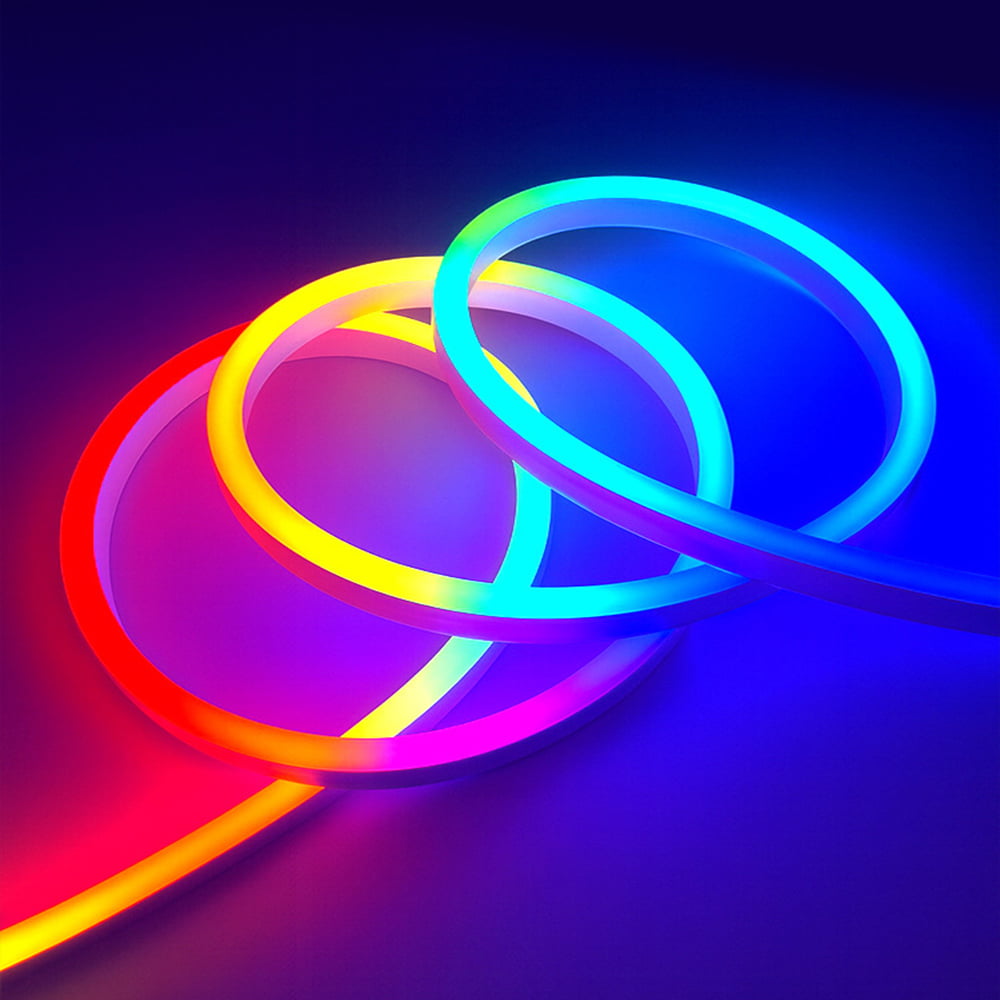
Here's a detailed analysis of AC system characteristics:
Application Suitability Matrix
| Feature | AC 220V/240V | DC 24V |
|---|---|---|
| Max Run Length | 50-100m | 10-15m |
| Cutting Interval | 1m typical | 10cm typical |
| Control Options | Limited | Extensive |
| Installation Complexity | Lower | Higher |
| Cost per Meter | Higher | Lower |
The key is understanding your project requirements:
- For architectural outlines and long perimeter lighting, AC systems provide efficient solutions
- For detailed patterns and complex animations, DC systems offer better control
- When precision cutting is needed, DC remains the only viable option
How Do Control Systems Impact RGB Performance?
The most overlooked aspect of RGB installations isn't the strip itself - it's the control system7 that drives it.
Poor quality controllers and power supplies can cause color inconsistency, flickering, and delayed response in RGB systems. A properly matched control system7 should include appropriate power supplies with 20% overhead and signal amplifiers8 for long runs.
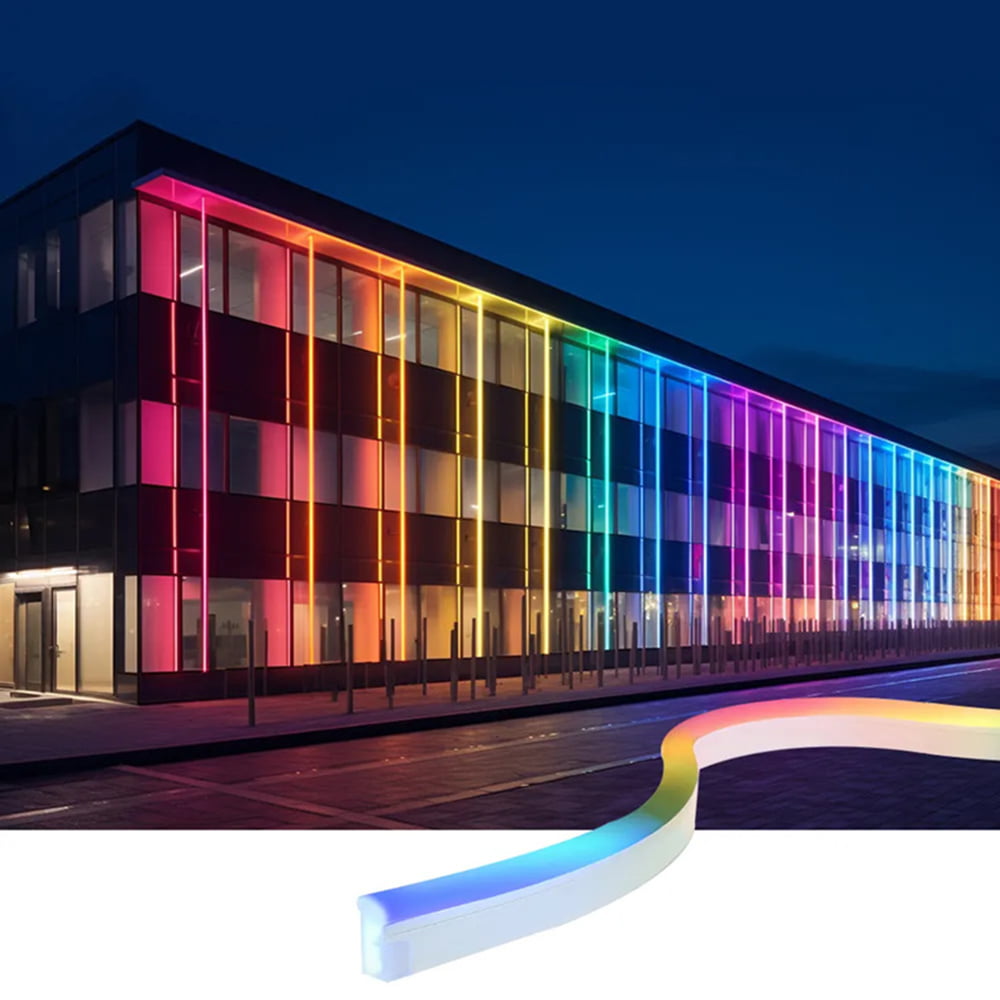
Consider these critical control system7 components:
Control System Requirements
| Component | Purpose | Impact on Performance |
|---|---|---|
| Power Supply | Provides stable voltage | Color accuracy |
| Controller | Manages color/effects | Animation quality |
| Signal Amplifier | Maintains data integrity | Synchronization |
| Wiring | Carries power/data | System reliability |
These elements work together to create a stable RGB system. When designing a system, consider:
- Total power requirements including 20% overhead
- Signal degradation over distance
- Environmental factors affecting performance
- Future maintenance access
- Backup system requirements
Conclusion
Choosing between DC and AC RGB Neon Flex1 isn't just about voltage - it's about understanding your project's specific needs and planning for long-term success. Consider installation length, control requirements, and maintenance access before making your decision.
Explore this link to understand the fundamentals of RGB Neon Flex and its applications. ↩
Learn how to select the appropriate power supply to ensure stable performance in your RGB systems. ↩
Learn about the benefits of DC systems for RGB lighting and why they might be the right choice for your project. ↩
Discover the advantages of AC systems for long-distance applications and their efficiency. ↩
Find out how to maintain color synchronization in your RGB installations for better visual effects. ↩
Understanding voltage drop is crucial for ensuring consistent performance in LED systems. ↩
Explore the importance of control systems in RGB lighting and how they affect performance. ↩
Discover the role of signal amplifiers in maintaining data integrity for long RGB runs. ↩