


After years of LED strip manufacturing, I've noticed a dangerous assumption: Many believe that an IP65 rating1 automatically makes LED strips suitable for all outdoor uses. This misconception leads to costly failures.
An IP65 waterproof LED strip provides protection against dust and low-pressure water jets, but does not guarantee full waterproofing. For outdoor applications, proper installation techniques2 and secondary sealing at cut points3 are essential for long-term reliability.
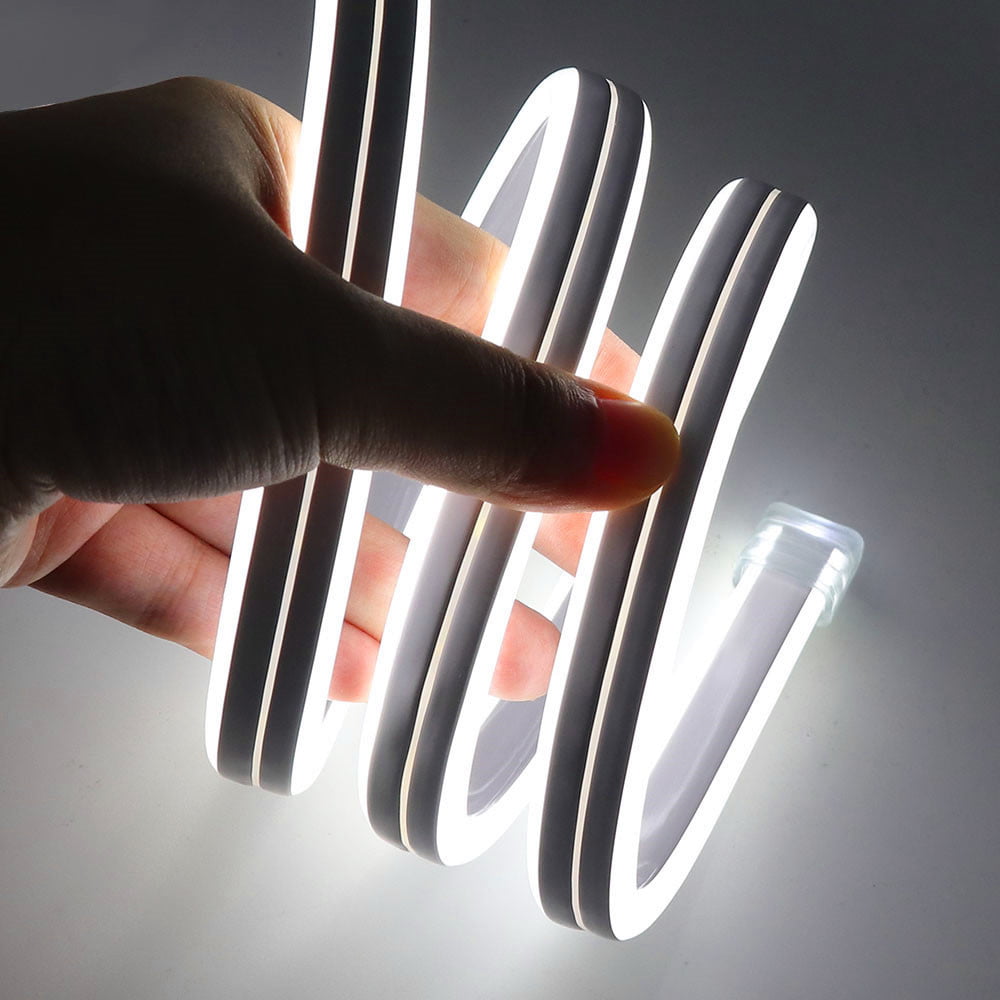
Let me share what I've learned from countless projects where improper understanding of IP ratings led to premature failures. These insights could save you from expensive repairs and project delays.
What Does IP65 Rating Really Mean for LED Strips?
Many clients come to me confused about water damage in their "waterproof" installations. The frustration of seeing their investment fail within months is all too common.
IP65 rating1 means protection against dust and low-pressure water jets from any direction. However, it does not protect against water immersion or prolonged exposure to standing water. Cut points and connections remain vulnerable without proper sealing.
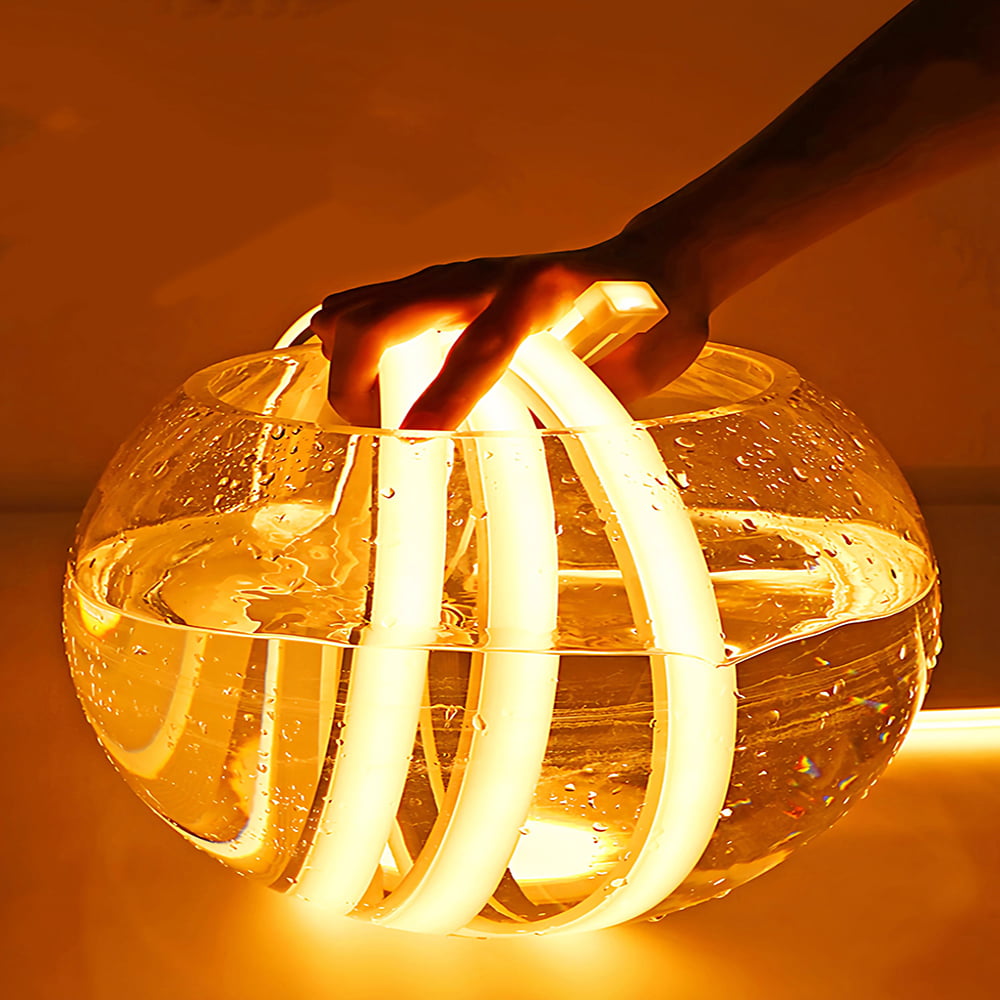
The IP65 rating1 system can be broken down into two key components that affect LED strip performance:
Understanding IP Ratings:
-
First Digit (6): Complete protection against dust
- Prevents particle ingress
- Essential for outdoor installations
- Maintains LED clarity
-
Second Digit (5): Water Jets Protection
- Protects against low-pressure water
- Suitable for rain exposure
- Not rated for submersion
Common Installation Mistakes:
- Leaving cut points3 unsealed
- Improper connection protection
- Installing in water collection areas
- Insufficient mounting support
To ensure long-term reliability, consider these protective measures:
- Use silicone end caps at all cut points3
- Install in sheltered locations when possible
- Maintain proper drainage around installations
- Apply secondary waterproofing at connections
Why Does Silicone Quality Matter in Waterproof LED Strips?
I've seen countless LED strips fail prematurely because manufacturers cut corners on silicone quality4. This seemingly small detail can make or break an installation.
High-quality silicone coating is crucial for long-term LED strip durability. It should be UV-resistant, maintain flexibility across temperature ranges, and provide consistent thickness throughout the strip. Poor quality silicone can yellow, crack, or separate from the PCB.
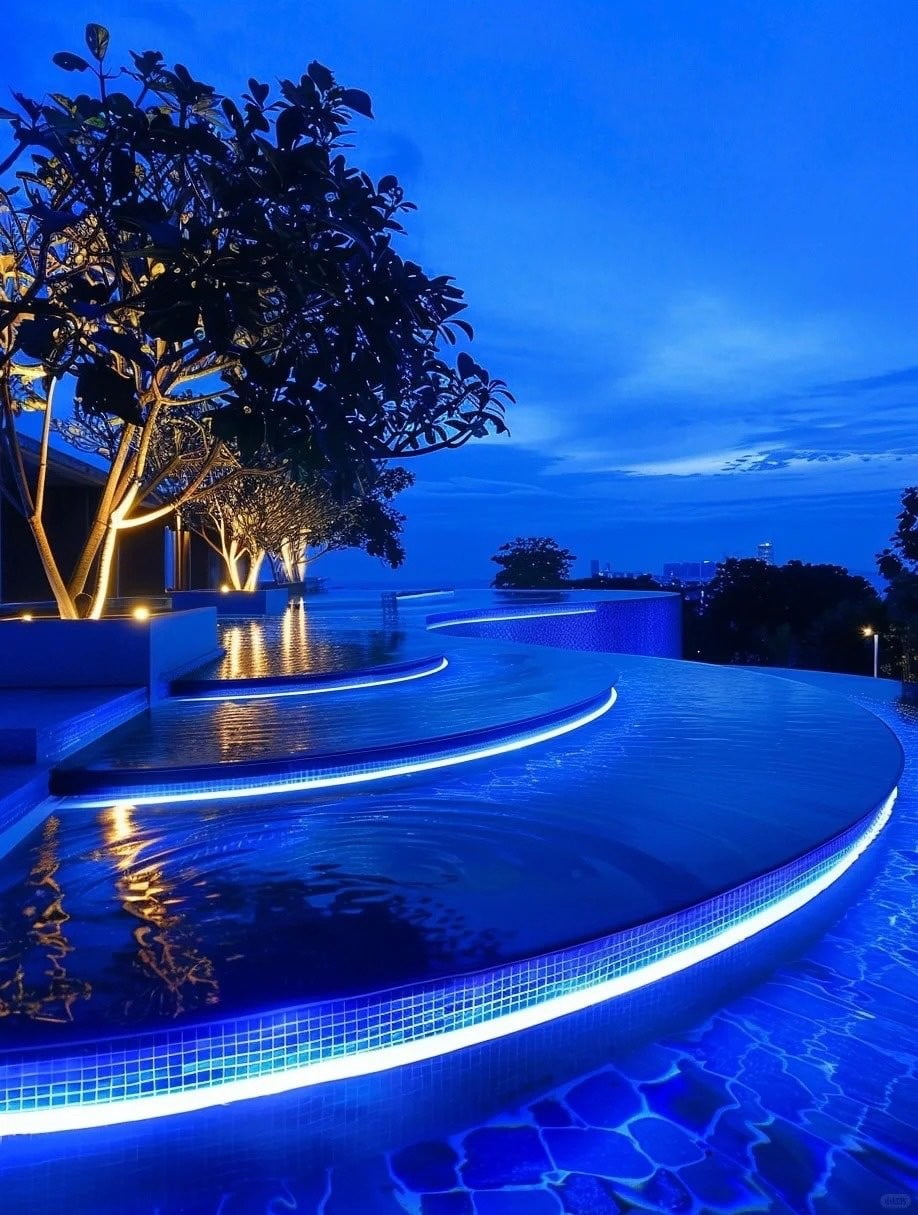
The quality of silicone coating affects multiple aspects of LED strip performance and longevity:
Critical Silicone Properties:
-
UV Resistance
- Prevents yellowing
- Maintains clarity
- Extends lifespan
-
Temperature Stability
- Maintains flexibility in cold
- Prevents softening in heat
- Reduces thermal stress
-
Adhesion Strength
- Prevents delamination
- Ensures water resistance
- Protects components
Quality silicone coating should provide:
- Consistent thickness throughout
- Clear optical properties
- Strong PCB adhesion
- Chemical resistance
To verify silicone quality4, look for:
- Accelerated aging test results
- Temperature cycle testing
- UV exposure certification
- Adhesion test data
How Do You Prevent Voltage Drop in Long LED Strips?
One of the most common issues I encounter is brightness inconsistency in long LED strip installations. This often stems from inadequate planning for voltage drop5.
Voltage drop occurs when LED strips are installed in long runs, causing dimming at the far end. To prevent this, use thicker copper PCB traces, implement parallel power injection points, and limit single feed lengths based on power requirements.
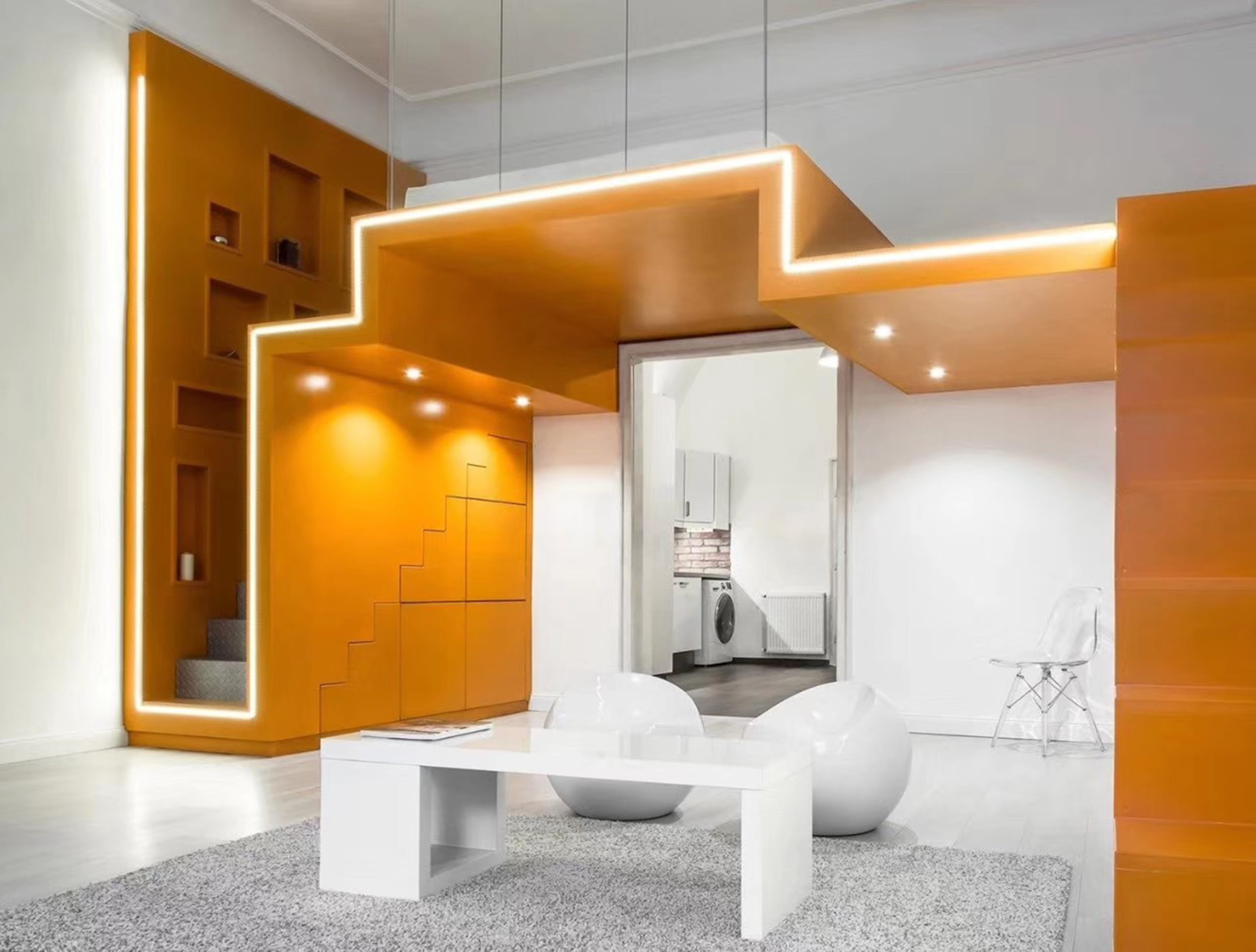
Understanding and managing voltage drop5 requires attention to several technical factors:
Voltage Drop Prevention Strategies:
-
PCB Design
- Increased copper thickness
- Optimized trace width
- Power rail design
-
Power Distribution
- Multiple injection points
- Parallel feeding
- Load balancing
-
Installation Planning
- Maximum run calculations
- Power supply placement
- Wiring layout
Best practices include:
- Limiting single feed runs
- Using higher voltage systems
- Installing power supplies strategically
- Implementing proper wire gauge
Conclusion
Success with IP65 LED strips isn't just about waterproofing – it's about understanding technical limitations, using quality materials, and implementing proper installation techniques2. These factors determine long-term reliability and performance.
Understanding the IP65 rating is crucial for ensuring your LED strips are suitable for outdoor use and avoiding costly failures. ↩
Proper installation techniques are key to maximizing the lifespan and reliability of your LED strips; find out the best practices. ↩
Sealing cut points is essential for waterproofing; learn the best methods to protect your LED strips from water damage. ↩
Learn how silicone quality impacts the durability and performance of LED strips, ensuring long-lasting installations. ↩
Discover effective strategies to prevent voltage drop, ensuring consistent brightness and performance in your LED strip installations. ↩